Staffing Leasing Company Force In Ohio
Description

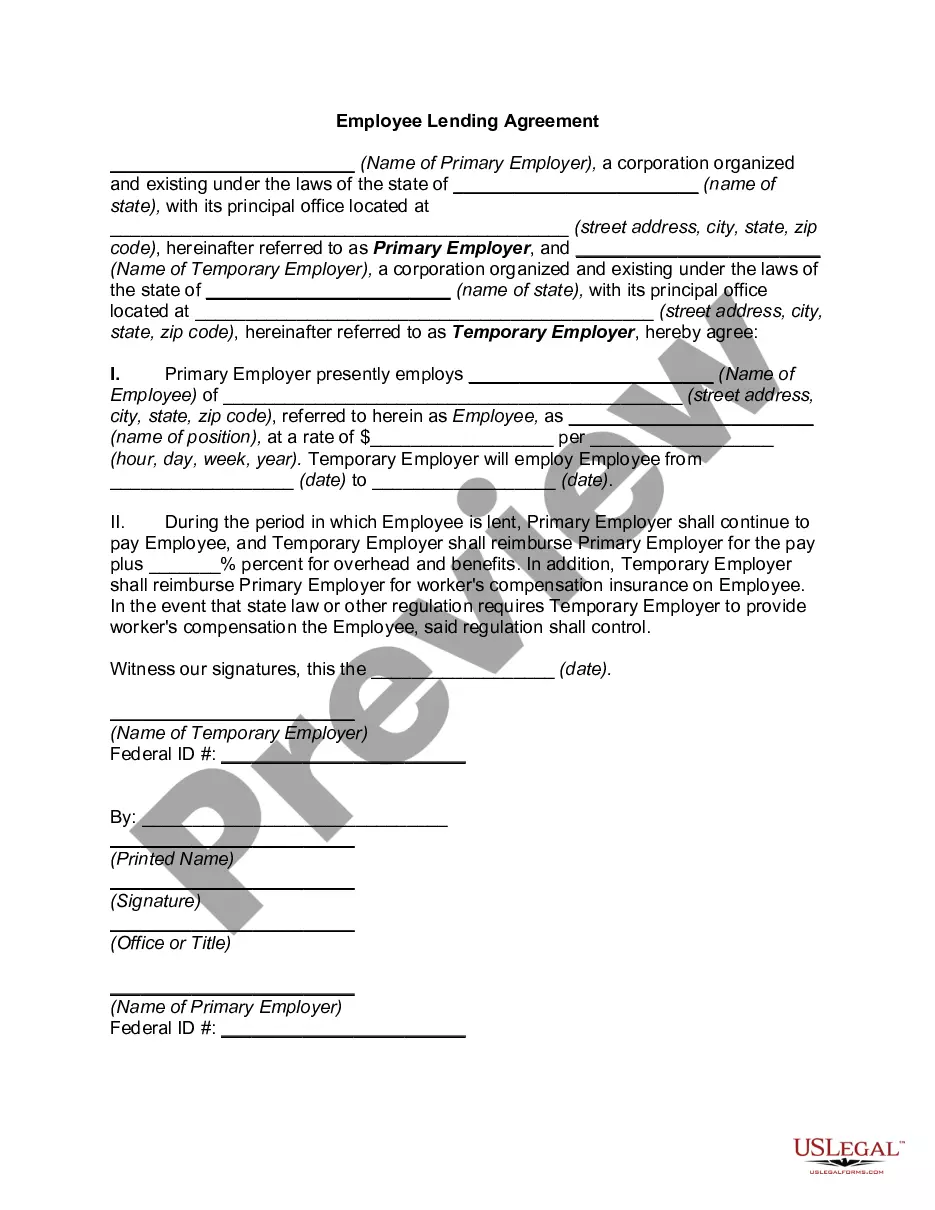
Get your form ready online
Our built-in tools help you complete, sign, share, and store your documents in one place.
Make edits, fill in missing information, and update formatting in US Legal Forms—just like you would in MS Word.
Download a copy, print it, send it by email, or mail it via USPS—whatever works best for your next step.
Sign and collect signatures with our SignNow integration. Send to multiple recipients, set reminders, and more. Go Premium to unlock E-Sign.
If this form requires notarization, complete it online through a secure video call—no need to meet a notary in person or wait for an appointment.
We protect your documents and personal data by following strict security and privacy standards.

Make edits, fill in missing information, and update formatting in US Legal Forms—just like you would in MS Word.

Download a copy, print it, send it by email, or mail it via USPS—whatever works best for your next step.

Sign and collect signatures with our SignNow integration. Send to multiple recipients, set reminders, and more. Go Premium to unlock E-Sign.

If this form requires notarization, complete it online through a secure video call—no need to meet a notary in person or wait for an appointment.

We protect your documents and personal data by following strict security and privacy standards.
Looking for another form?

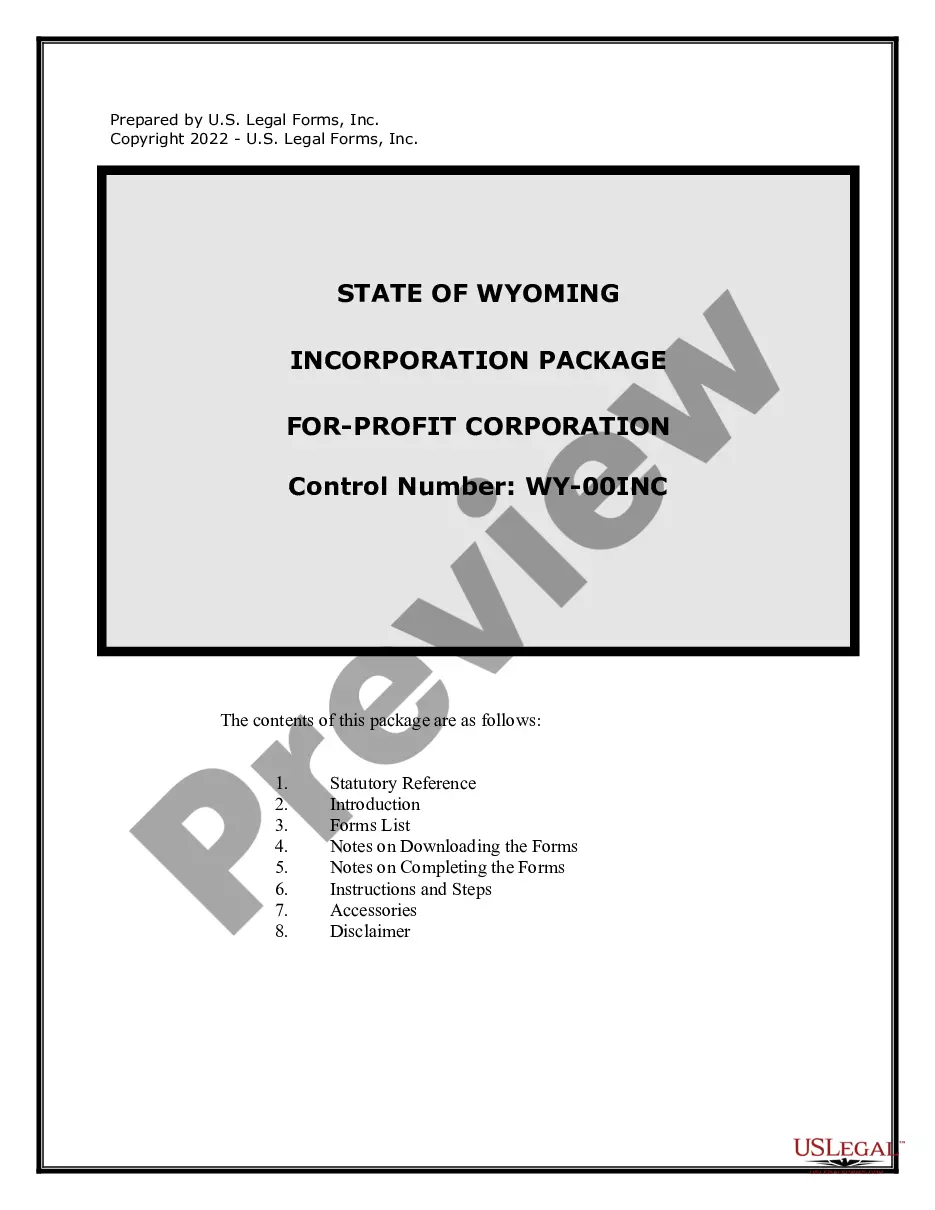






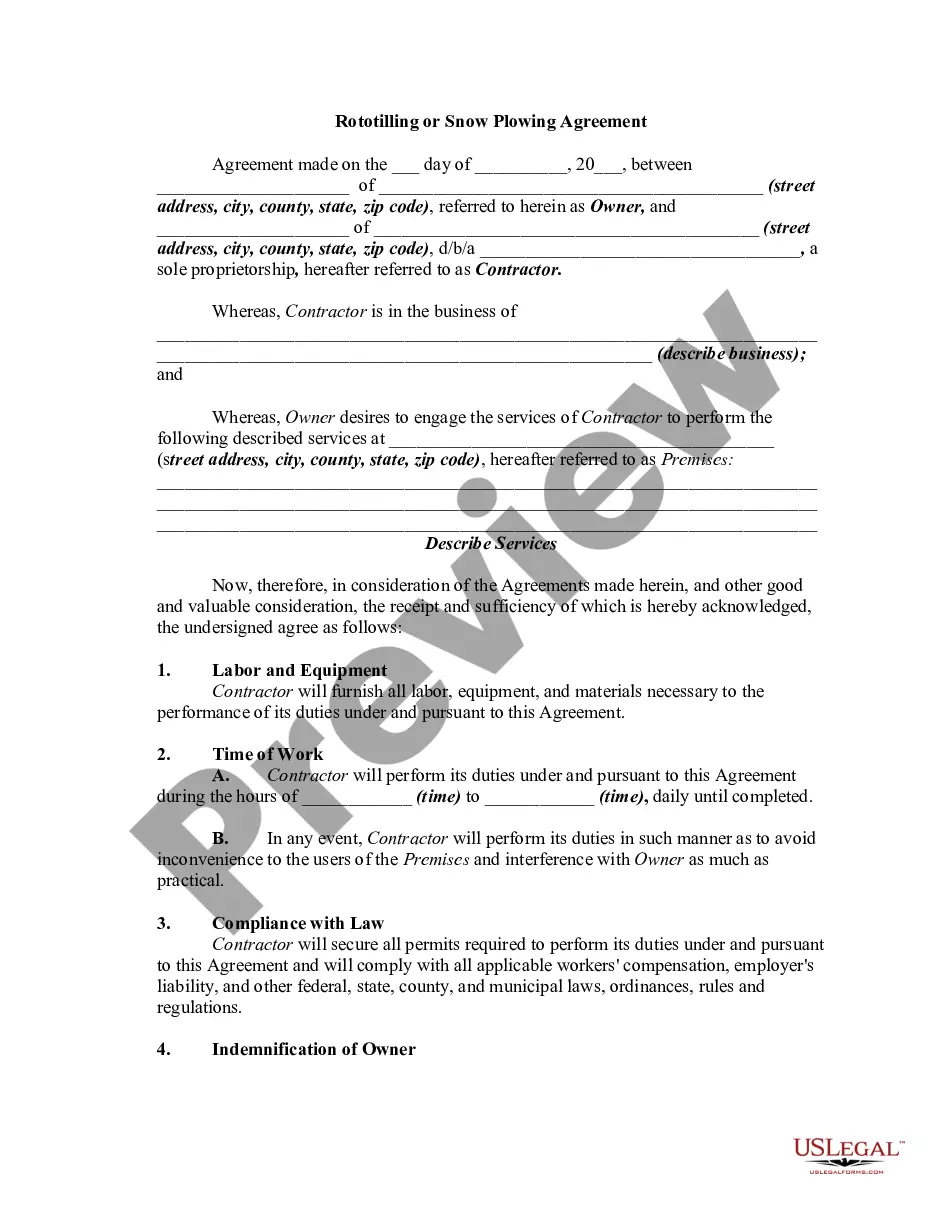
Form popularity
FAQ
Meaning of employee leasing in English an arrangement in which a company's workers are employees of another company which pays them and manages other costs and responsibilities relating to them: Employee leasing might help a small business because it shifts many HR responsibilities on to another company.
The key difference between employee leasing and co-employment is staffing. An employee leasing agency will provide you with temporary workers, but a PEO doesn't. In a co-employment arrangement, you supply and manage your own workforce, while the PEO helps you handle HR administration.
Drawbacks of Using PEO Companies Lower quality of HR services. Compliance is not guaranteed. Employees have limited access to HR. Company data is out-of-house, not immediately accessible.
PEO manages the employees, be it temporary or permanent, for payroll, benefits, and compensation, and also as per the agreement by the client. Employee leasing is just a temporary agreement based on the project period for the employer/client.
Drawbacks of Using PEO Companies Lower quality of HR services. Compliance is not guaranteed. Employees have limited access to HR. Company data is out-of-house, not immediately accessible.
In this blog we will explain the three main types of PEO's – co-employers, professional employer organizations and staffing companies. Co-employers. The idea of giving complete power in the hands of an HR outsource company might not settle with everyone. Professional Employer Organization. Staffing Companies.
Here's how it typically works: the business manages the employees tasks and day-to-day responsibilities while the leased employee is working there. The staffing company takes care of the rest. The leased employee's paychecks, benefits, taxes, and admin fees are all handled by the leasing company.
Who is the employer of a leased employee? Although they perform work for a client business, leased employees are usually employed by a staffing agency, who pays them, administers their benefits and handles other HR tasks related to their employment.
A Professional Employer Organization (PEO) partners with businesses, essentially co-employing staff to manage critical HR tasks. This collaboration allows businesses to outsource complex employee management areas such as benefits, payroll, workers' compensation and tax compliance.
Companies that provide employment services in Ohio must apply for a license prior to doing business.
