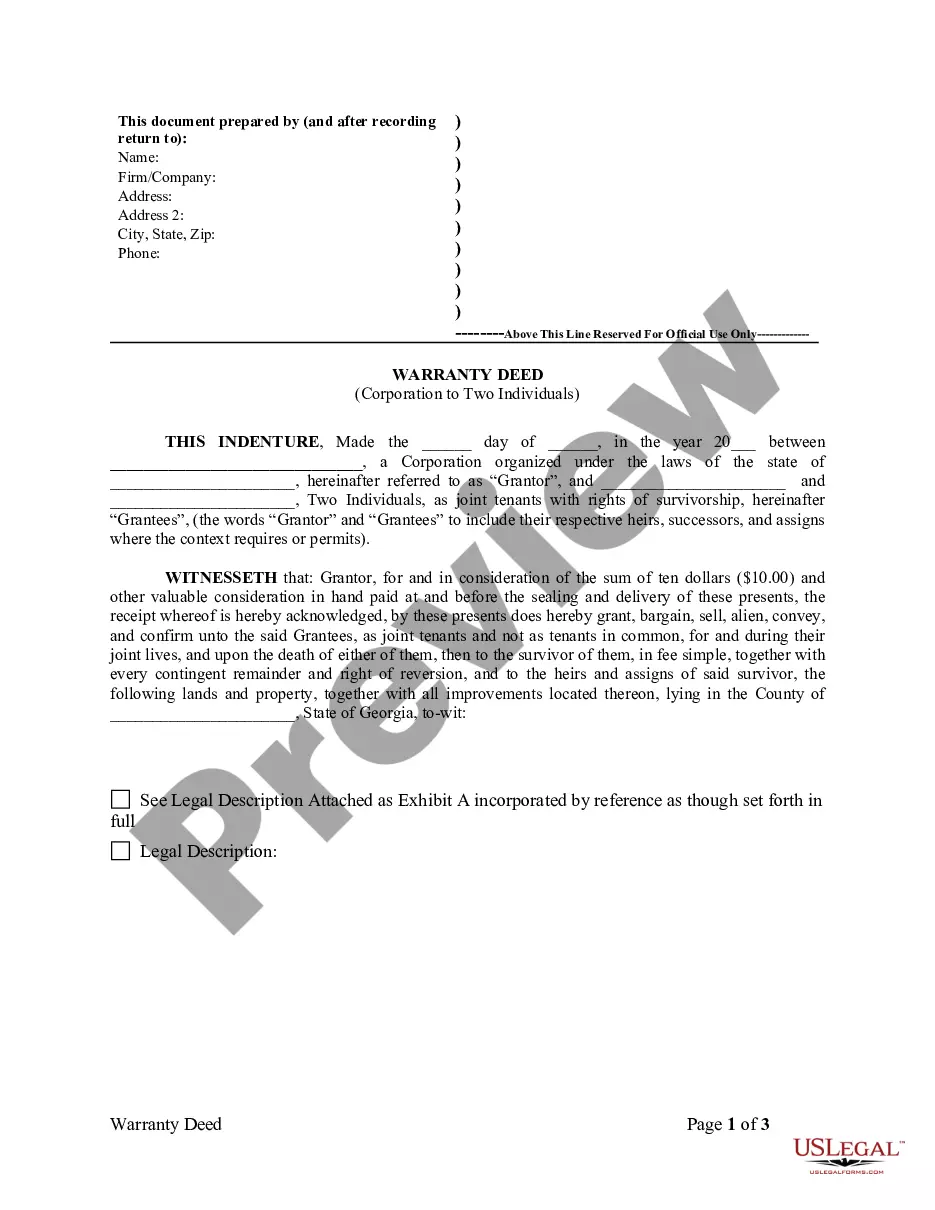
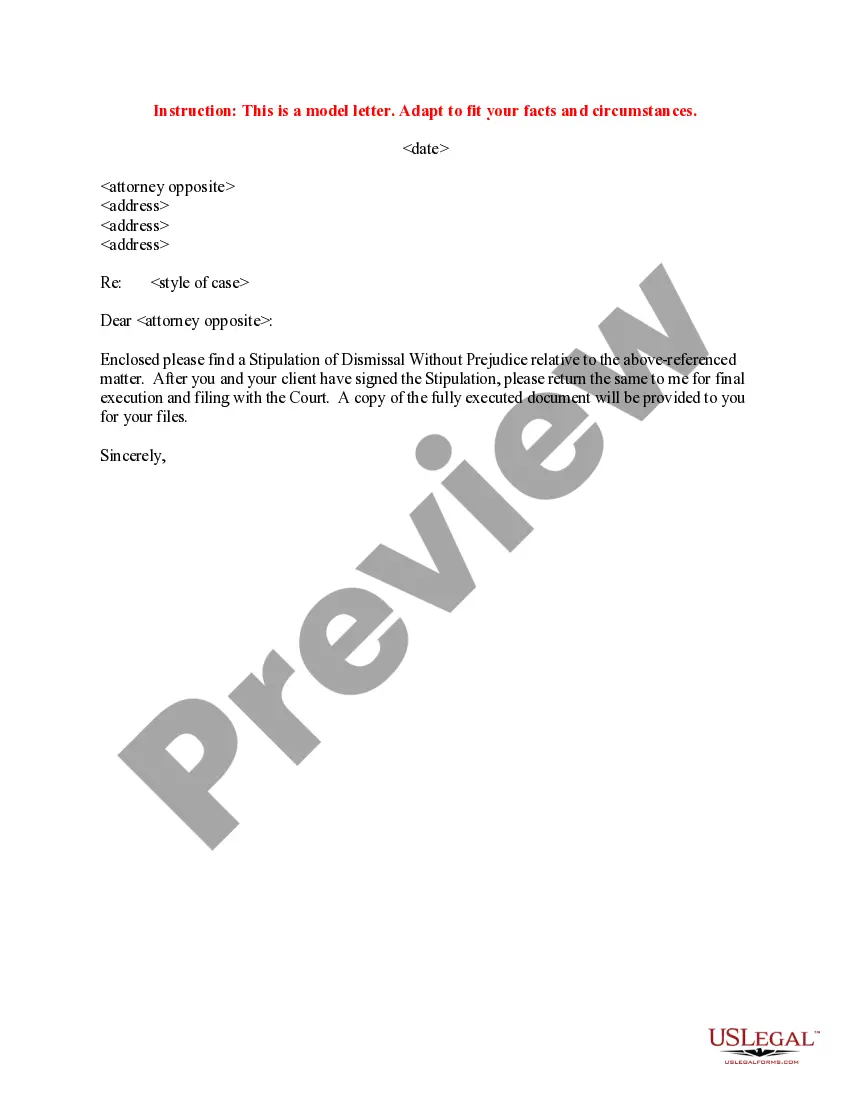
Sample Letter to Attorney Opposite regarding Signed Stipulation
Understanding this form
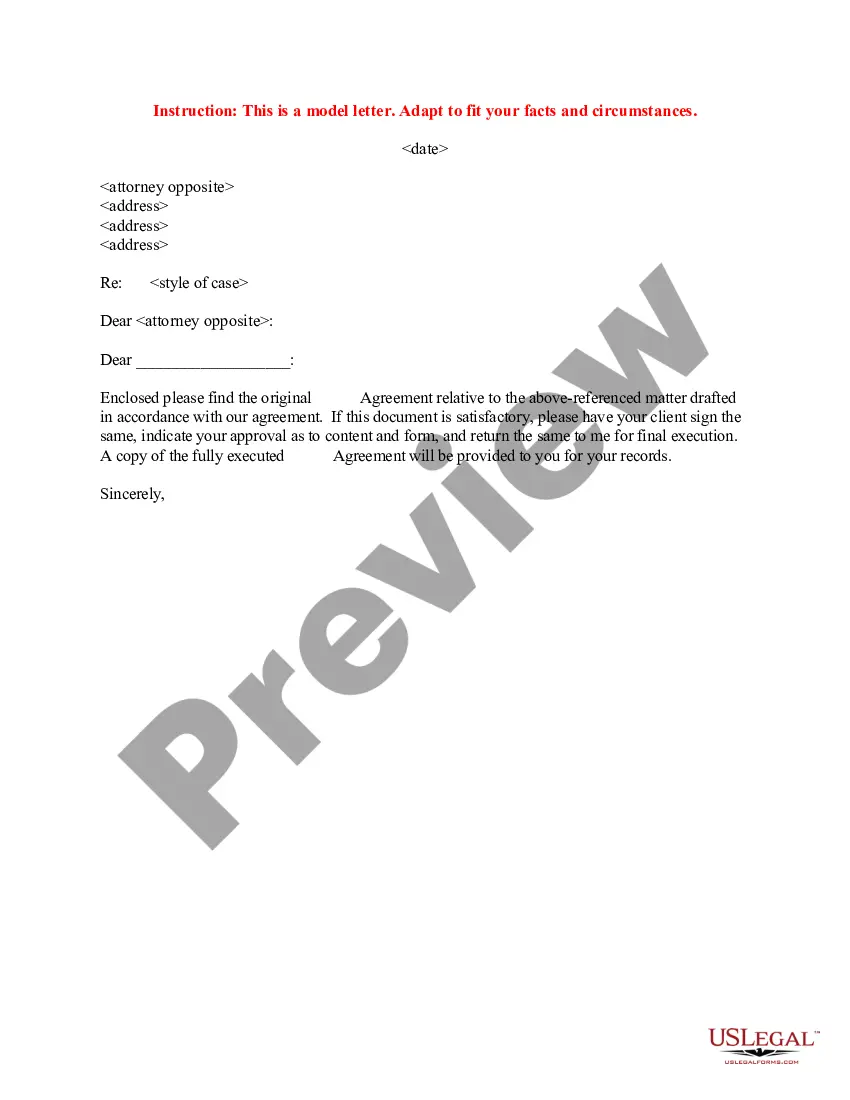
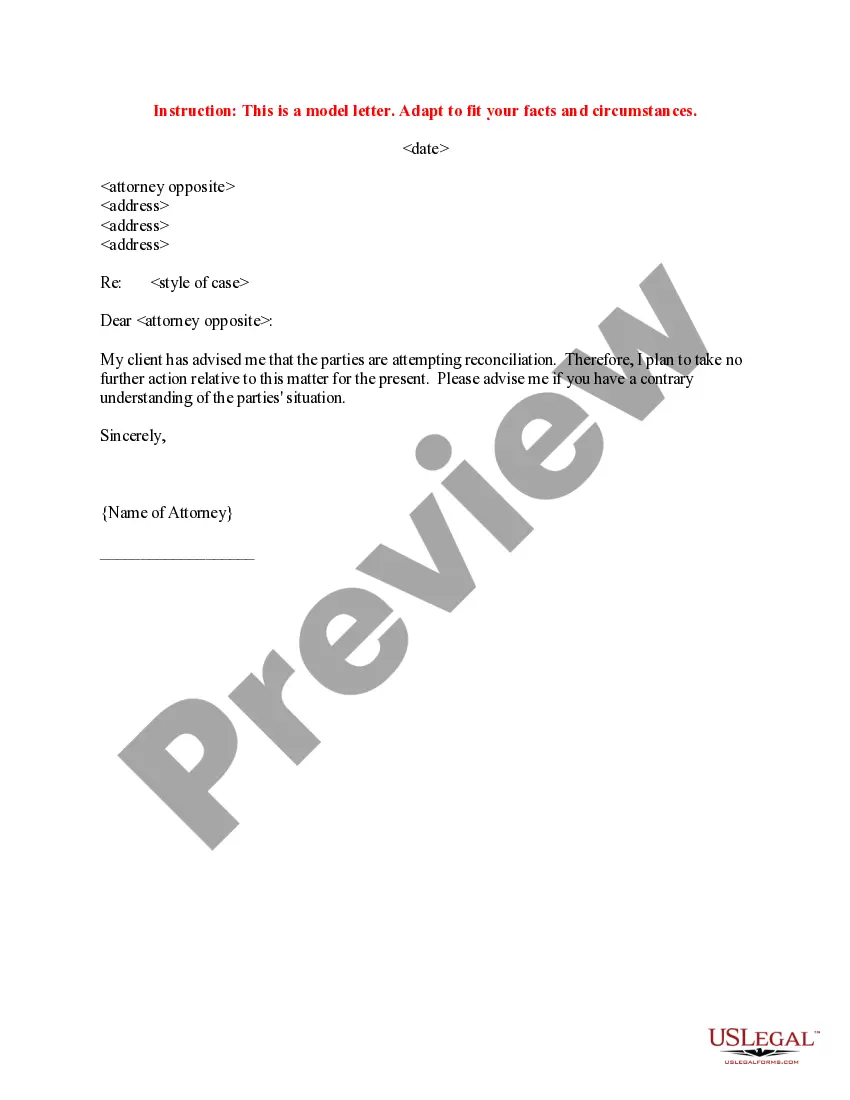
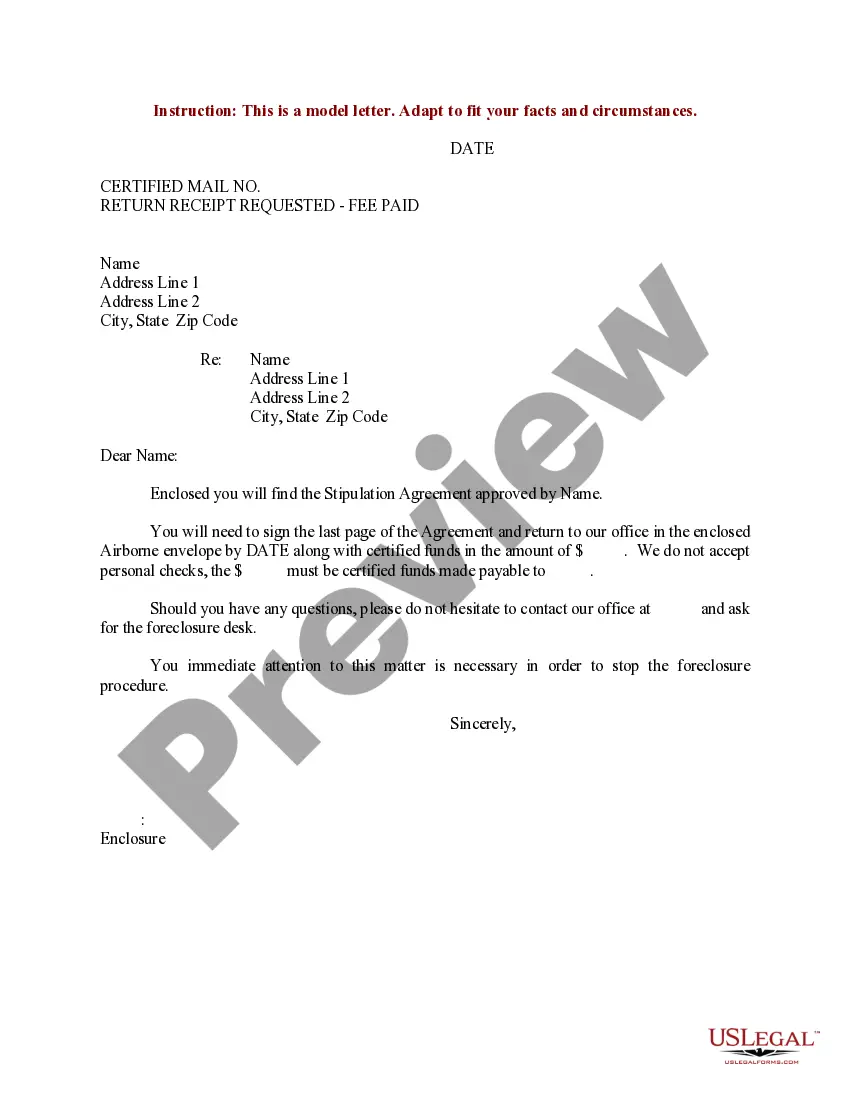
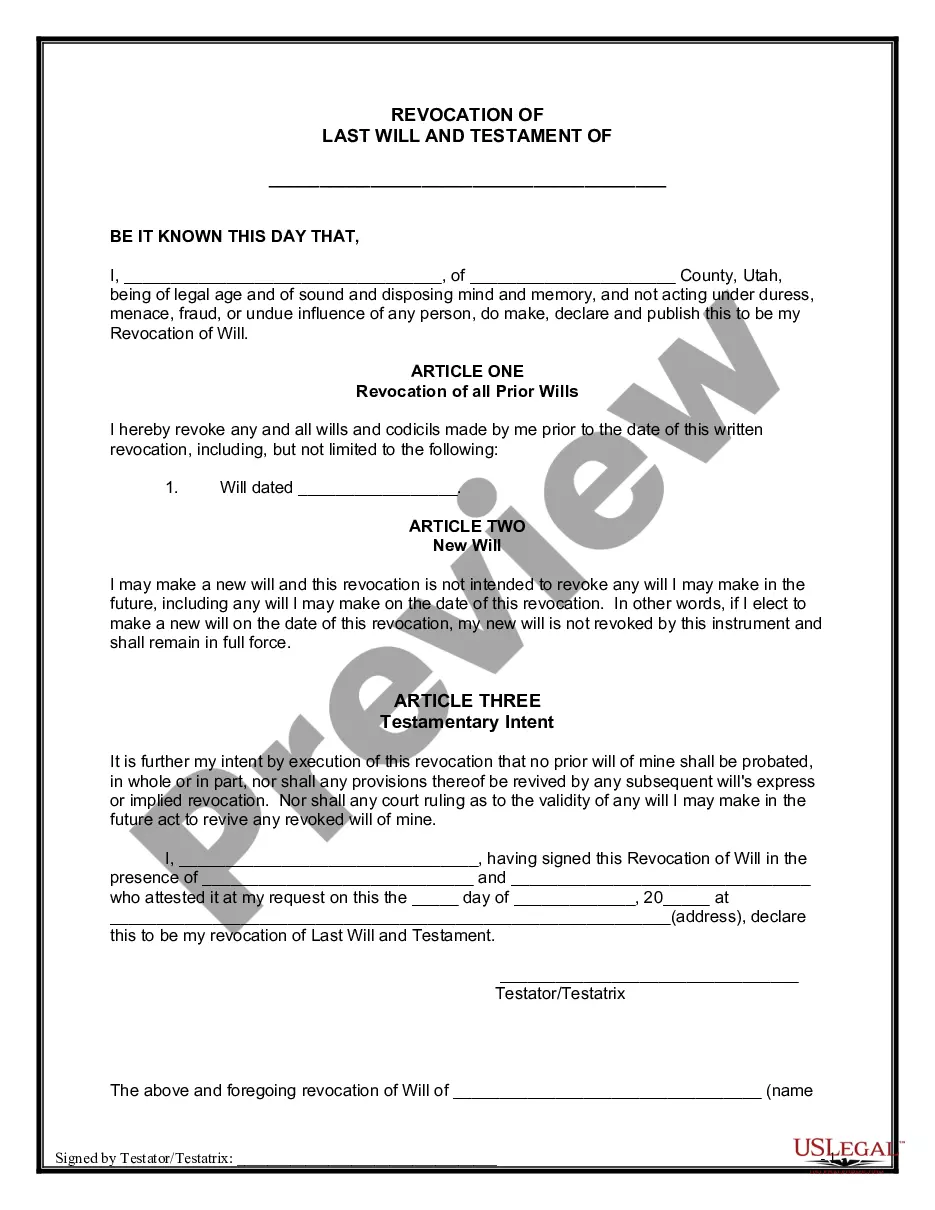
This form is a Sample Letter to Attorney Opposite regarding Signed Stipulation. It serves as a communication tool to accompany a Stipulation of Dismissal Without Prejudice in a legal case. This letter ensures that the opposing party acknowledges the stipulation and facilitates its return for final execution and filing. It is important not to confuse this form with more complex legal documents, as it simply conveys essential information related to the dismissal process.
Key components of this form
- Date: The date the letter is sent.
- Attorney opposite: The name of the opposing attorney.
- Addresses: The address details of the opposing attorney.
- Subject line: The case style related to the matter.
- Message body: Instructions regarding the signing and return of the stipulation.
- Closing: A professional sign-off and signature block.
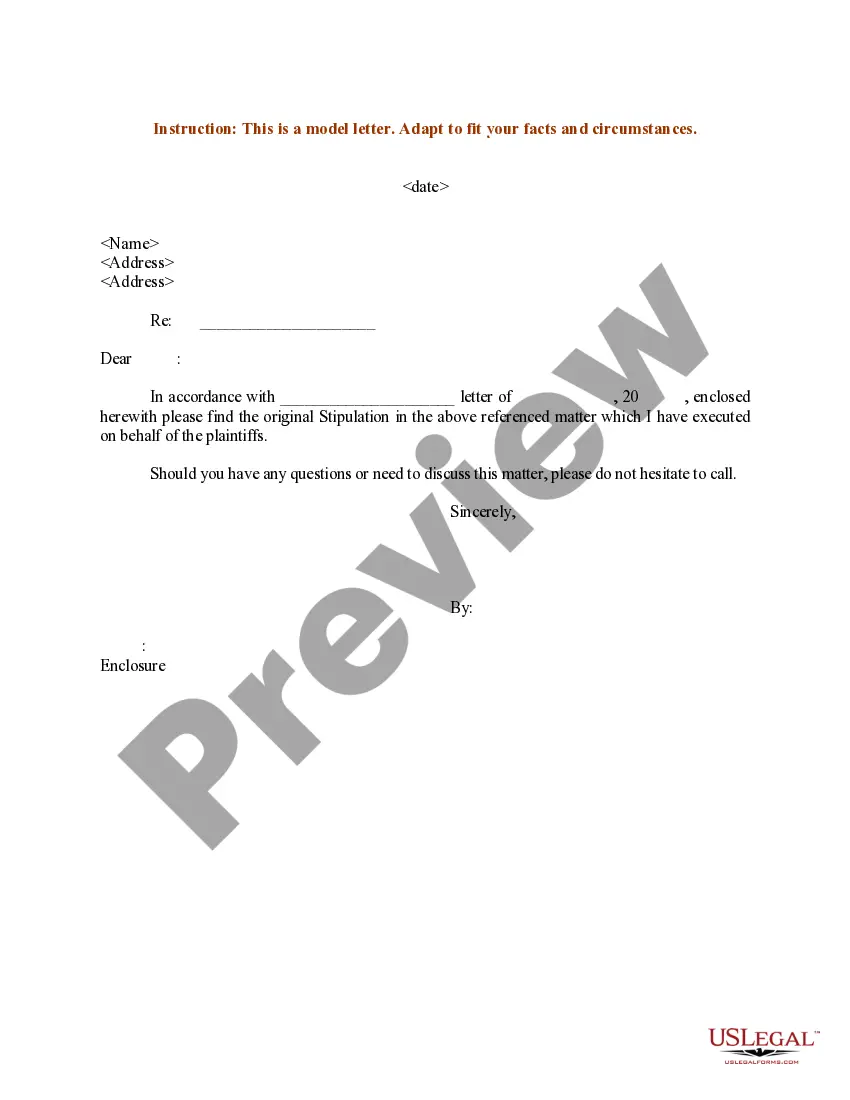
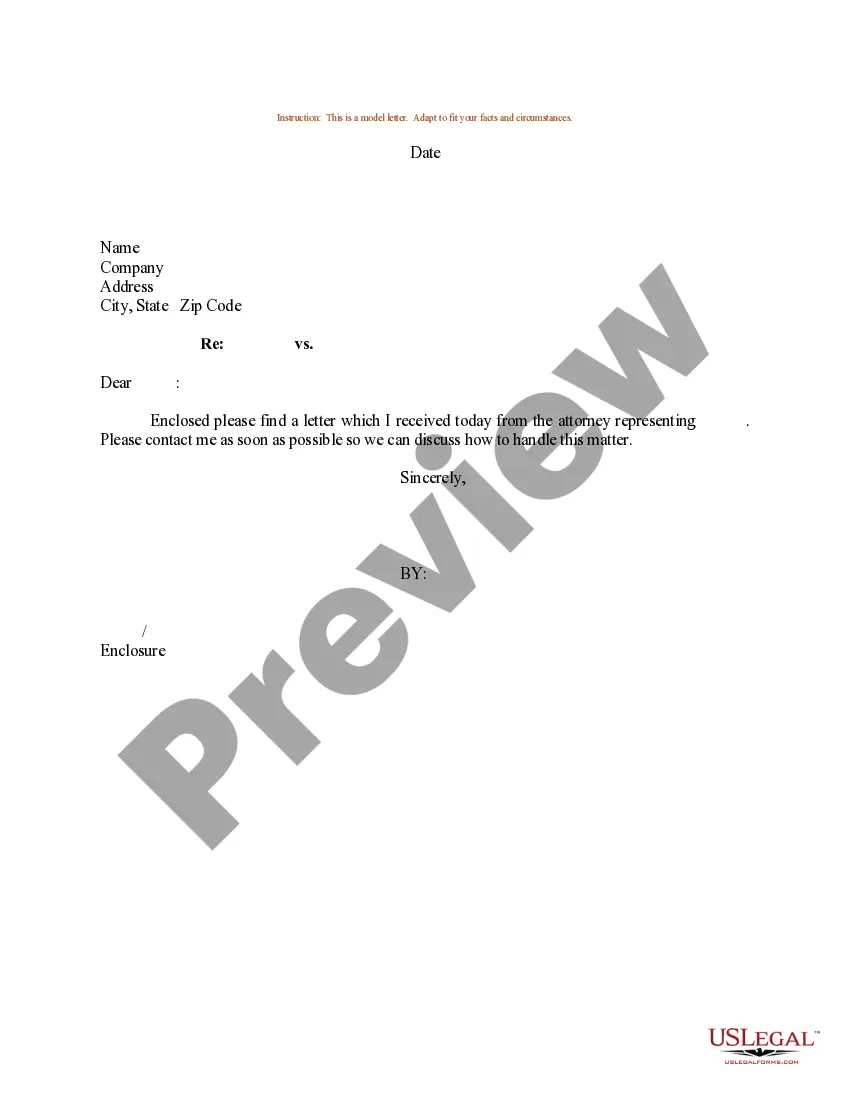
Common use cases
Who this form is for
- Attorneys representing clients in a legal dispute.
- Parties involved in a legal case who wish to dismiss their claim without prejudice.
- Individuals seeking to communicate with opposing counsel regarding stipulated agreements.
Completing this form step by step
- Input the date at the top of the letter.
- Fill in the name of the opposing attorney.
- Provide the full address of the opposing attorney.
- Specify the style of the case in the subject line.
- Include a clear message regarding the stipulation and return process.
- Sign the letter and include your name and title at the bottom.
Notarization guidance
This form usually doesn’t need to be notarized. However, local laws or specific transactions may require it. Our online notarization service, powered by Notarize, lets you complete it remotely through a secure video session, available 24/7.
Get your form ready online
Our built-in tools help you complete, sign, share, and store your documents in one place.
Make edits, fill in missing information, and update formatting in US Legal Forms—just like you would in MS Word.
Download a copy, print it, send it by email, or mail it via USPS—whatever works best for your next step.
Sign and collect signatures with our SignNow integration. Send to multiple recipients, set reminders, and more. Go Premium to unlock E-Sign.
If this form requires notarization, complete it online through a secure video call—no need to meet a notary in person or wait for an appointment.
We protect your documents and personal data by following strict security and privacy standards.

Make edits, fill in missing information, and update formatting in US Legal Forms—just like you would in MS Word.

Download a copy, print it, send it by email, or mail it via USPS—whatever works best for your next step.

Sign and collect signatures with our SignNow integration. Send to multiple recipients, set reminders, and more. Go Premium to unlock E-Sign.

If this form requires notarization, complete it online through a secure video call—no need to meet a notary in person or wait for an appointment.

We protect your documents and personal data by following strict security and privacy standards.
Common mistakes to avoid
- Failing to include the correct case style in the subject line.
- Not providing adequate details for the return of the stipulation.
- Forgetting to sign the letter before sending.
- Using incorrect or outdated contact information for the opposing attorney.
Benefits of using this form online
- Immediate access and convenience of downloading the letter format.
- Edit and customize easily to suit your specific case needs.
- Reliable format drafted by licensed attorneys, ensuring legal compliance.
Looking for another form?

Form popularity
FAQ
Read the summons and make sure you know the date you must answer by. Read the complaint carefully. Write your answer. Sign and date the answer. Make copies for the plaintiff and yourself. Mail a copy to the plaintiff. File your answer with the court by the date on the summons.
Read the summons and make sure you know the date you must answer by. Read the complaint carefully. Write your answer. Sign and date the answer. Make copies for the plaintiff and yourself. Mail a copy to the plaintiff. File your answer with the court by the date on the summons.
Orders are generally temporary pending the final resolution of the complaint issues by judgment after the trial or by a court-ratified settlement.A 'stipulation' is an agreement between parties that a certain fact may be considered true or accepted, or that a certain procedure may be followed in court.
Stipulated agreements can be modified after a party shows that any change of circumstance has occurred. With litigated judgments, a party will only be able to modify the child custody order if they can show a significantly changed circumstance warranting a modification.
There is a valid court order in effect. The other person knows about the court order. The facts show a plain violation of the order. You have given the person notice of the contempt hearing and a chance to be heard. Contempt is an appropriate remedy for the violation.
Stipulations are only binding between the parties that made the agreement, not on any third parties. The information gathered from stipulations can be used during trial as evidence. It also can be used as a reason to grant or deny a party's request to modify a court order.
Things You Cannot Change in a Divorce Settlement Agreement In particular, California courts will not reconsider the original property or debt division. However, the parties can agree between themselves to change the terms of the property or debt division by stipulation and order to modify an earlier judgment.
Look carefully at the letter's contents. Check to see who sent the letter. Review the substance of the letter or email. Review the situation and the facts. Determine how best to proceed. Consider whether you should notify your insurance company that you have received a legal threat.
Since a stipulated judgment typically is not appealable, any post-judgment orders arising from such a judgment are also not appealable.