Employee Form Documentation For Behavior In Cook
Description

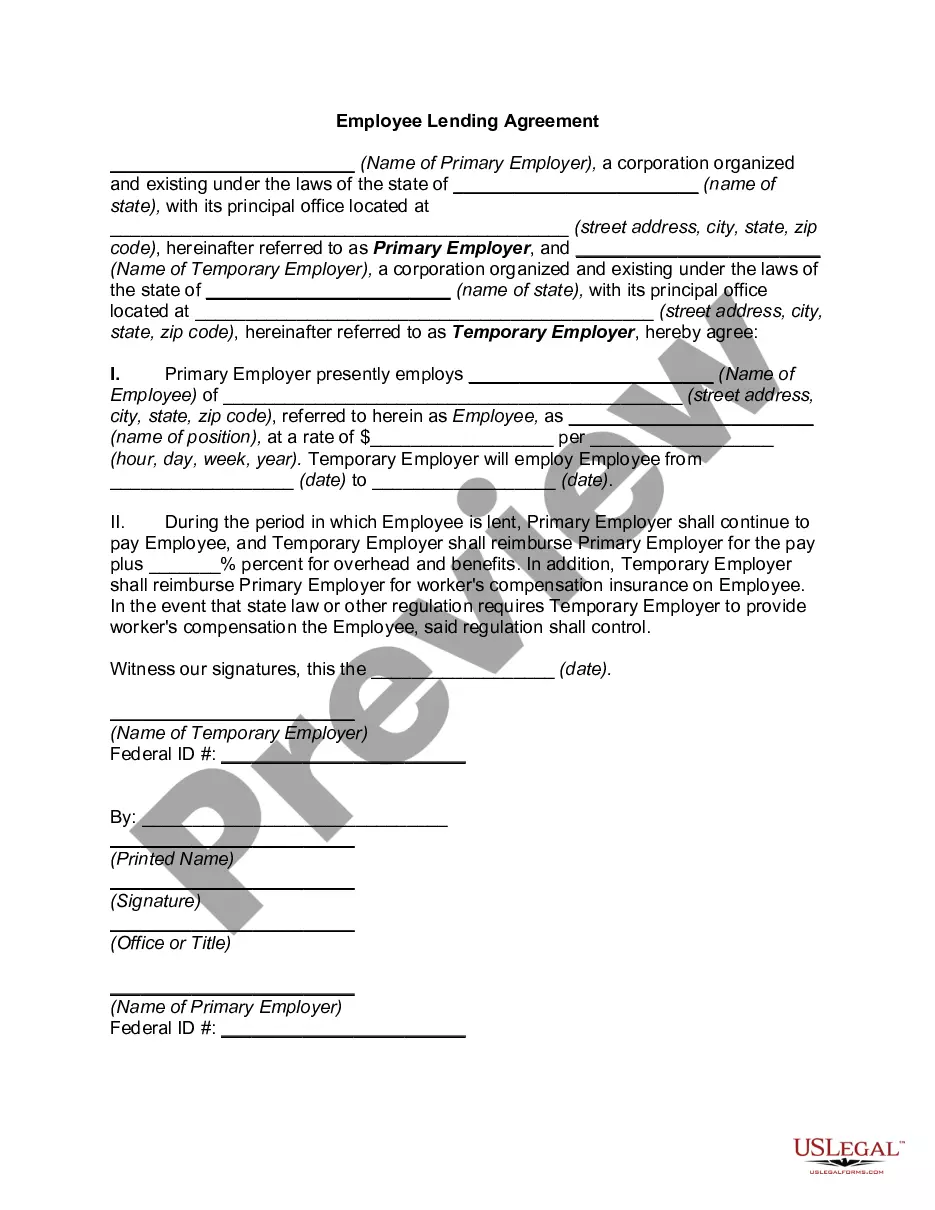
Get your form ready online
Our built-in tools help you complete, sign, share, and store your documents in one place.
Make edits, fill in missing information, and update formatting in US Legal Forms—just like you would in MS Word.
Download a copy, print it, send it by email, or mail it via USPS—whatever works best for your next step.
Sign and collect signatures with our SignNow integration. Send to multiple recipients, set reminders, and more. Go Premium to unlock E-Sign.
If this form requires notarization, complete it online through a secure video call—no need to meet a notary in person or wait for an appointment.
We protect your documents and personal data by following strict security and privacy standards.

Make edits, fill in missing information, and update formatting in US Legal Forms—just like you would in MS Word.

Download a copy, print it, send it by email, or mail it via USPS—whatever works best for your next step.

Sign and collect signatures with our SignNow integration. Send to multiple recipients, set reminders, and more. Go Premium to unlock E-Sign.

If this form requires notarization, complete it online through a secure video call—no need to meet a notary in person or wait for an appointment.

We protect your documents and personal data by following strict security and privacy standards.
Looking for another form?









Form popularity
FAQ
Here are some tips to make sure your employee write-ups are professional and have the desired effect of curbing the unwanted behavior: Don't do it when you're angry. Document the problem. Use company policies to back you up. Include any relevant witness statements. Set expectations for improvement.
The preferred way of curating it would be as follows: Date of the warning. Name of the person who issued the letter with address (usually issued on company letterhead) Subject. Name of the employee. Section with the details of the violation. Reasons why this situation is considered a violation of company policies.
Focus on what happened, who was involved, and the context. Avoid Jargon: Use clear and simple language understandable by all readers. Date and Time: Note when the incident occurred. Location: Specify where the behavior took place (eg, patient room, waiting area).
Provide clear examples of when and how the employee has exhibited an unprofessional or uncooperative demeanor. Meet with the employee privately to discuss the issue. Explain the concerns you have observed and how the poor attitude is impacting their work performance and the workplace environment.
Instead of just citing someone as being grumpy or a cynic, be specific. Take the time to constructively describe both the physical and verbal behaviors. Tie the “whining” to its impact on performance, work environment, and/or relationships with co-workers or clients.
What to include in an employee warning letter The incident date(s) The name of the person's supervisor. The name of the person's HR representative. Person's name. Person's job title. A clear account of the verbal warnings given. The conduct they need to change. Consequences if the person's behavior doesn't change.
Content includes: Detailed description of the problematic behavior or performance issue. Reference to previous discussions or warnings about the issue. Clear statement that the behavior or performance is unacceptable. Outline of the consequences of continued issues. A plan for improvement and a timeline for reevaluation.
Focus on Behavior, Not the Person Describe specific behaviors or actions, not personal judgments. Clearly outline expectations for improvement. State consequences of not meeting expectations. Set clear, achievable benchmarks for the employee.
Articulate Impact: Clearly express how the behavior or issue is affecting the team, the project, or the overall work environment. Help the employee understand the consequences. Avoid Ambiguity: Be direct and straightforward in your communication. Ambiguity can lead to misunderstandings and frustration.
