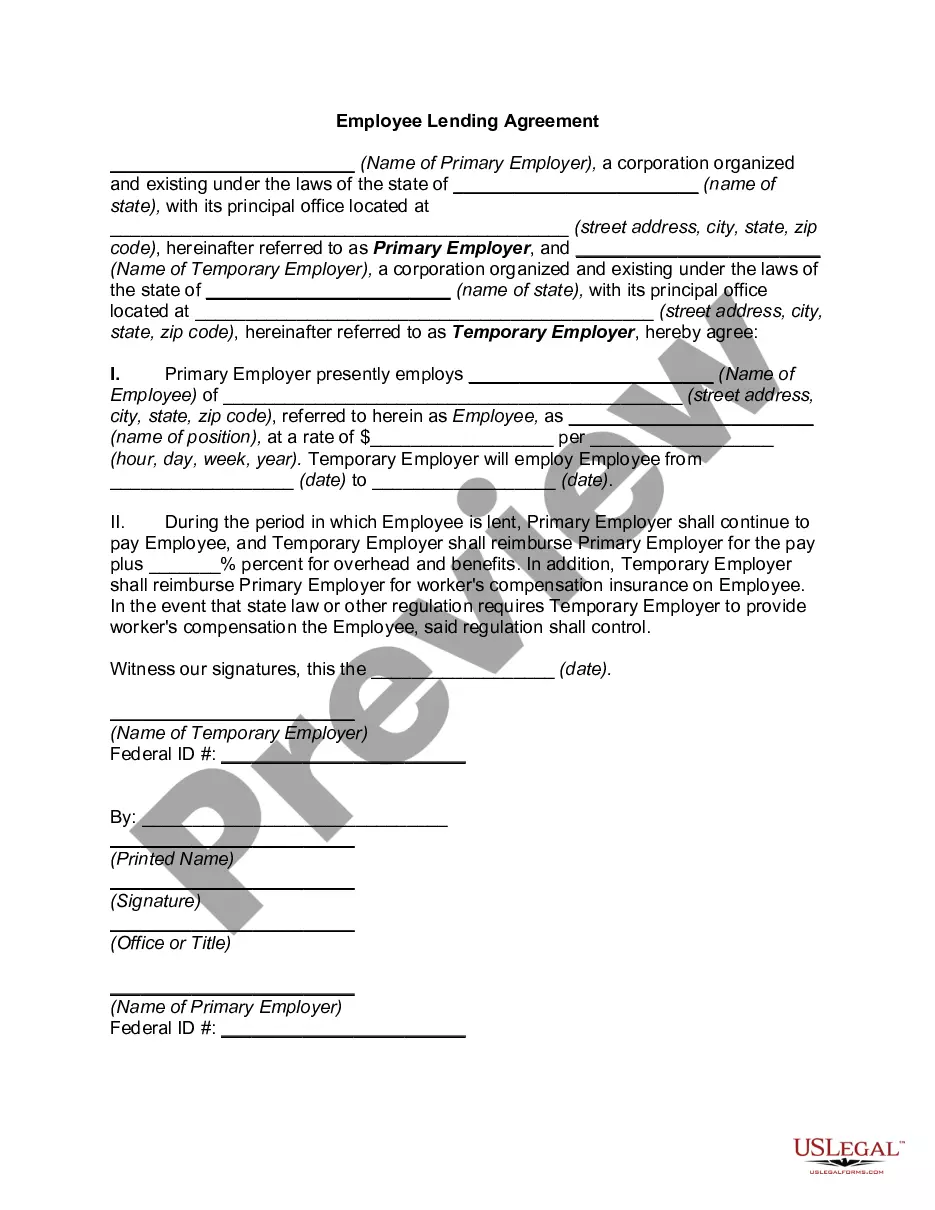
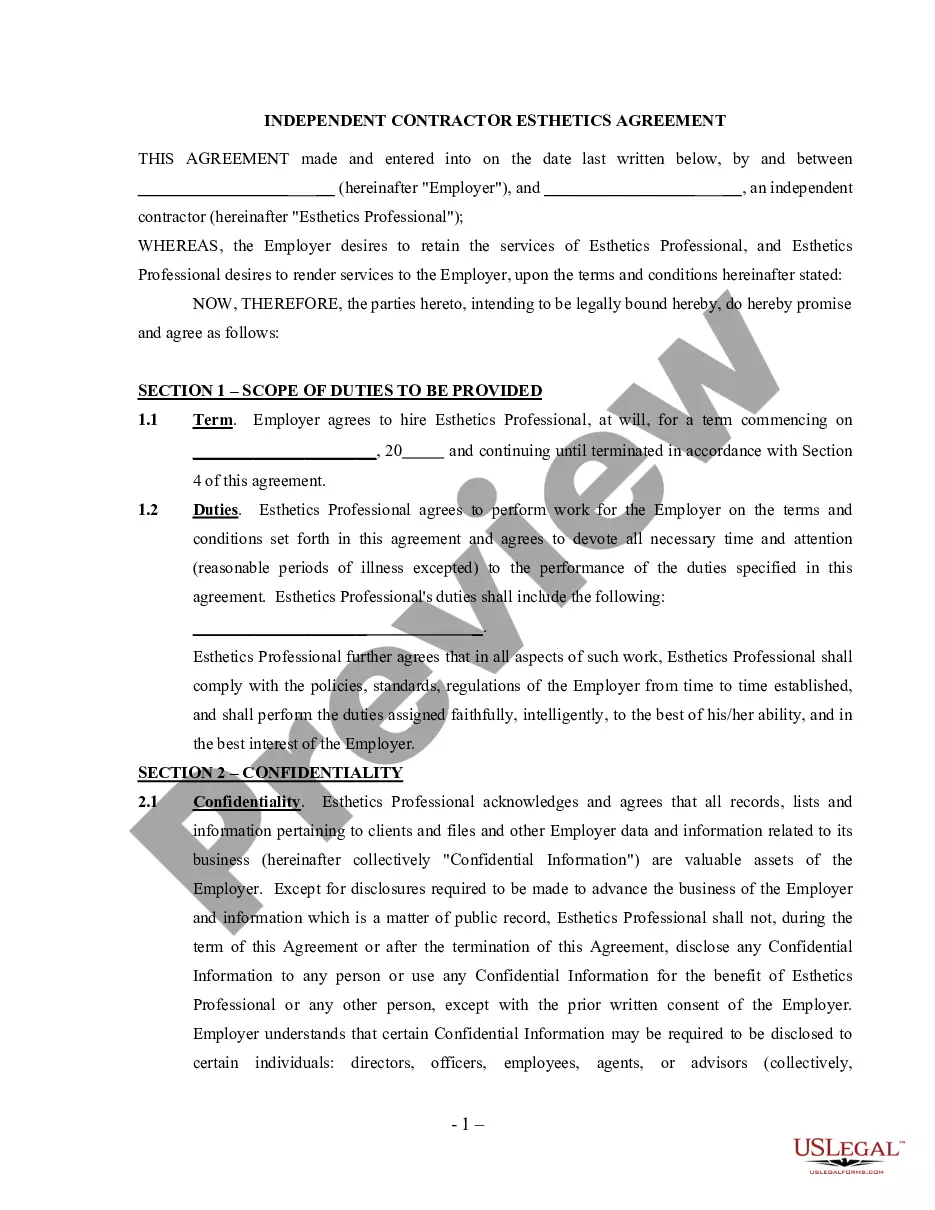
Staffing Leasing Company Force In Clark
Description

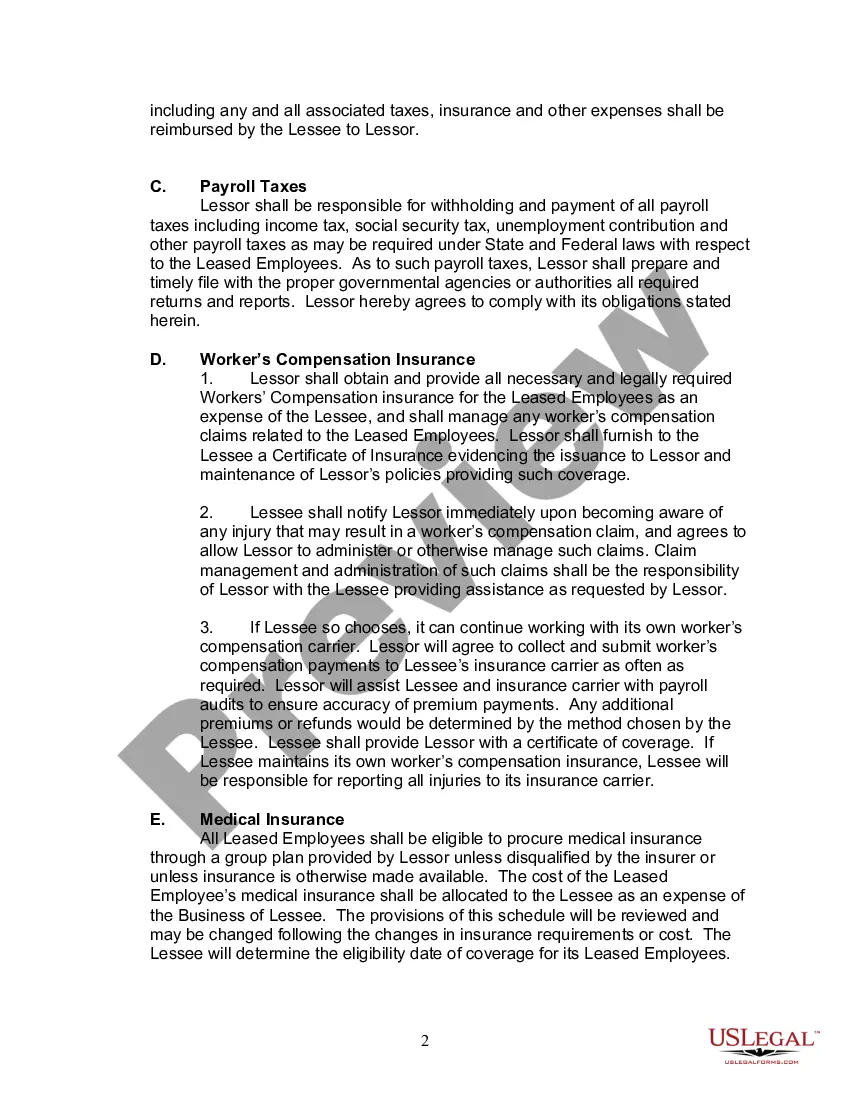
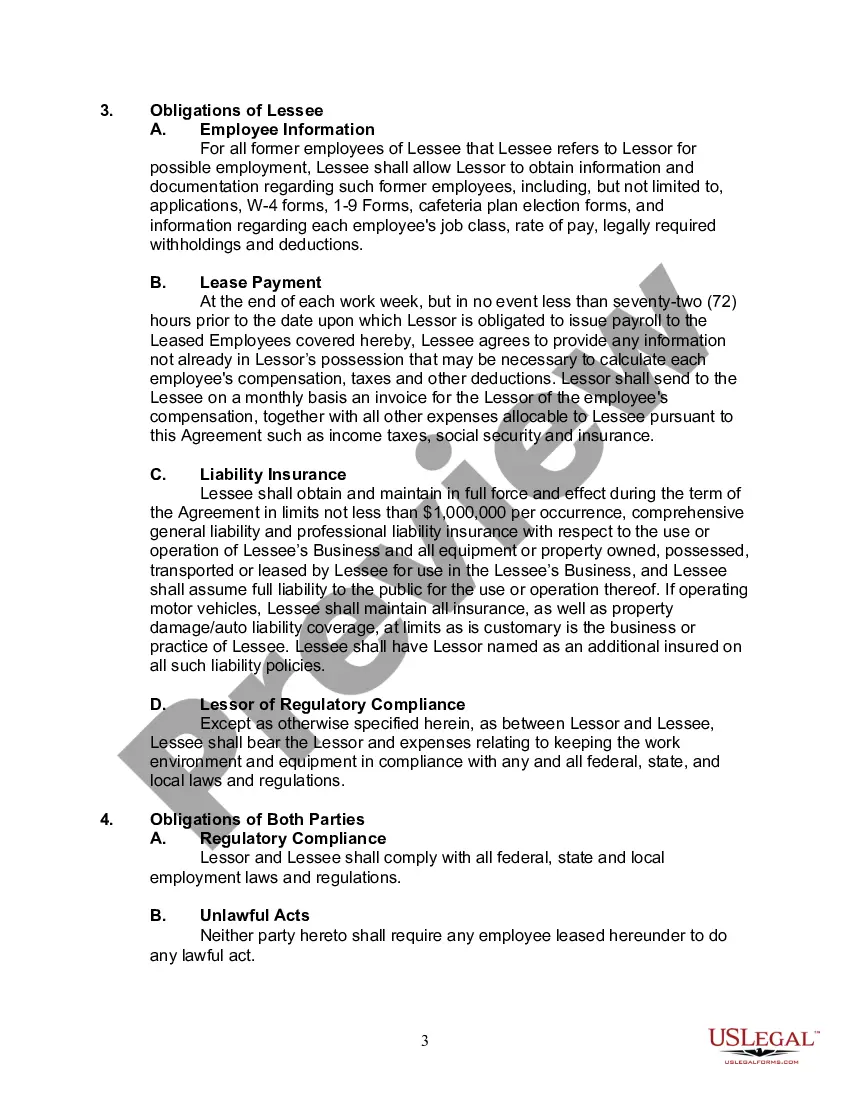
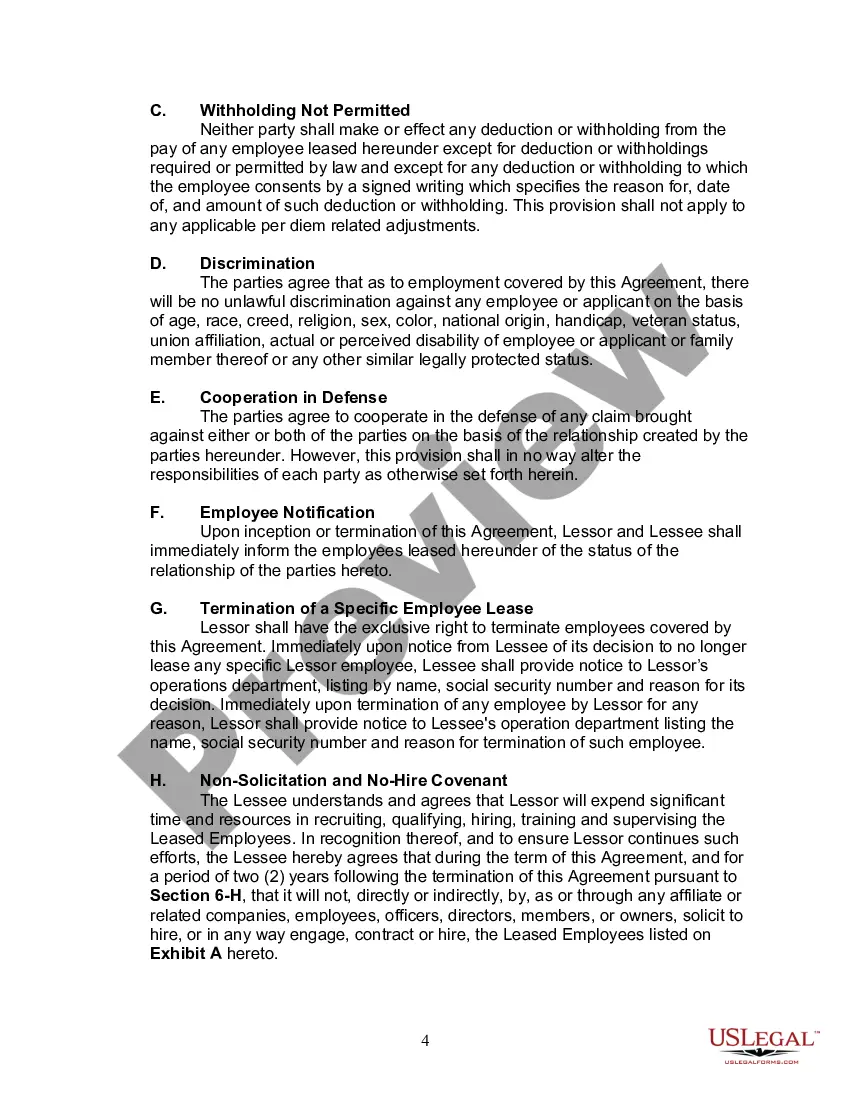
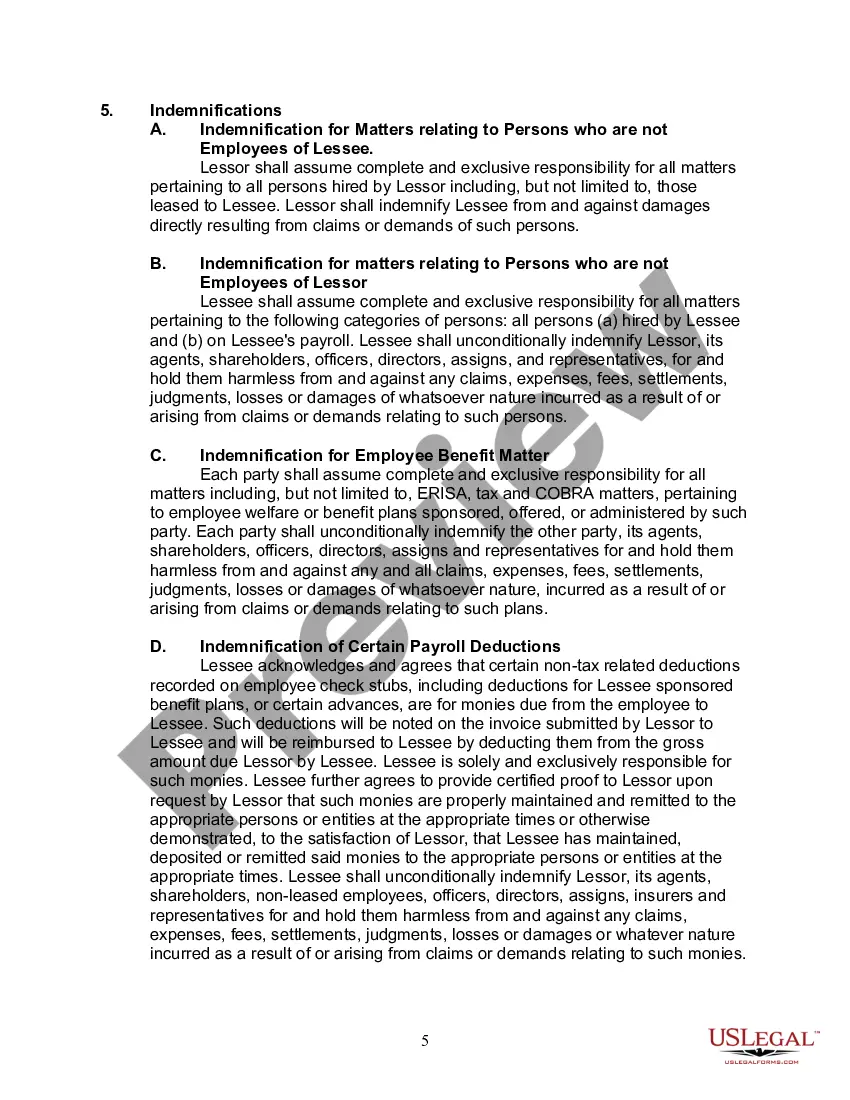
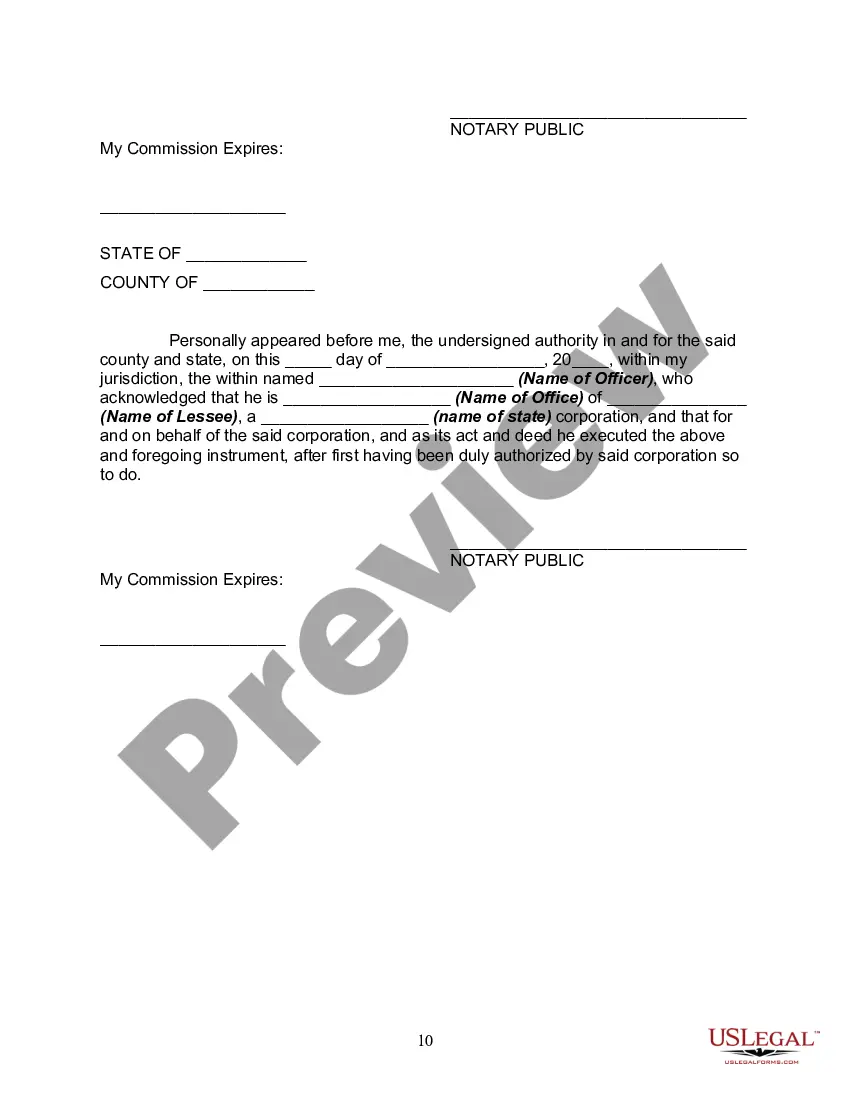
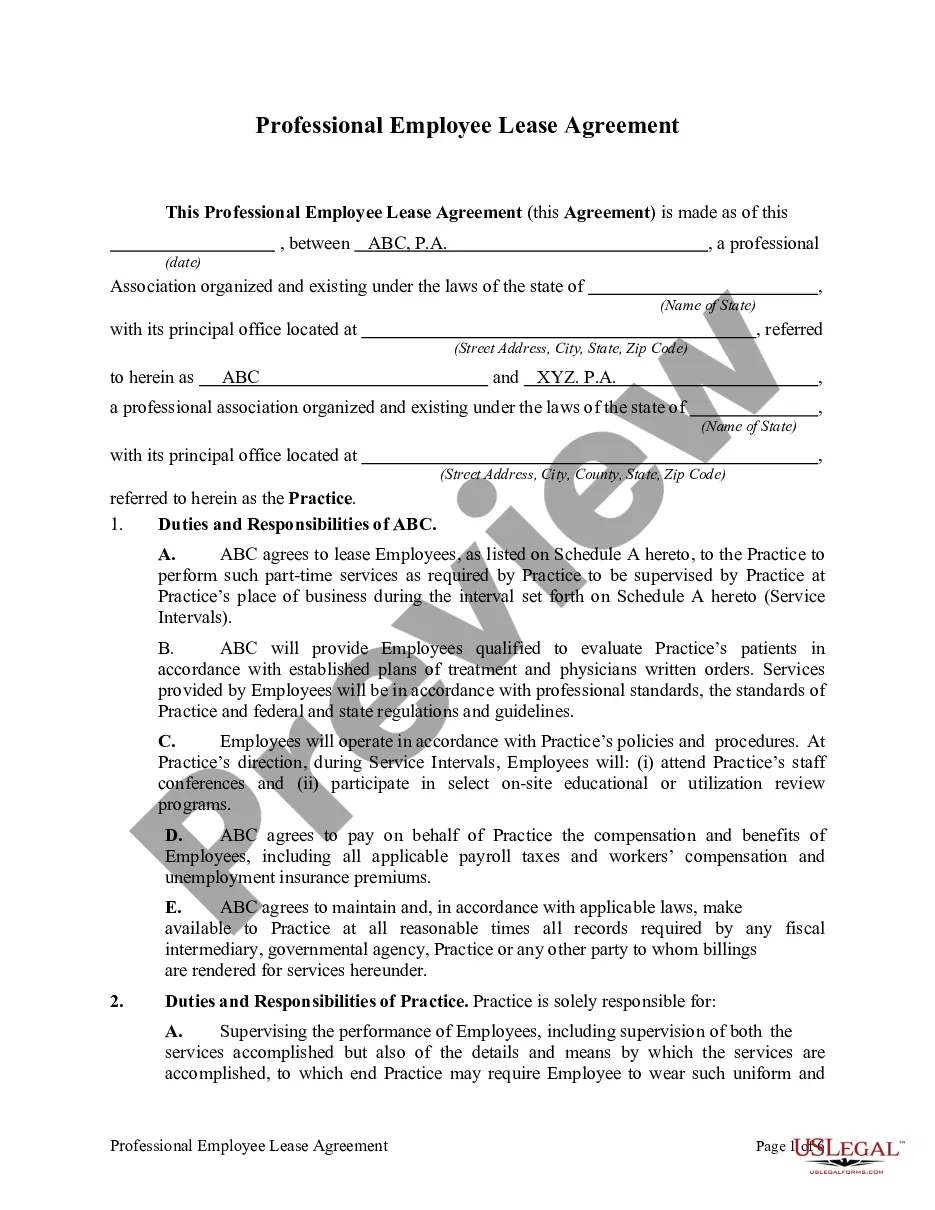
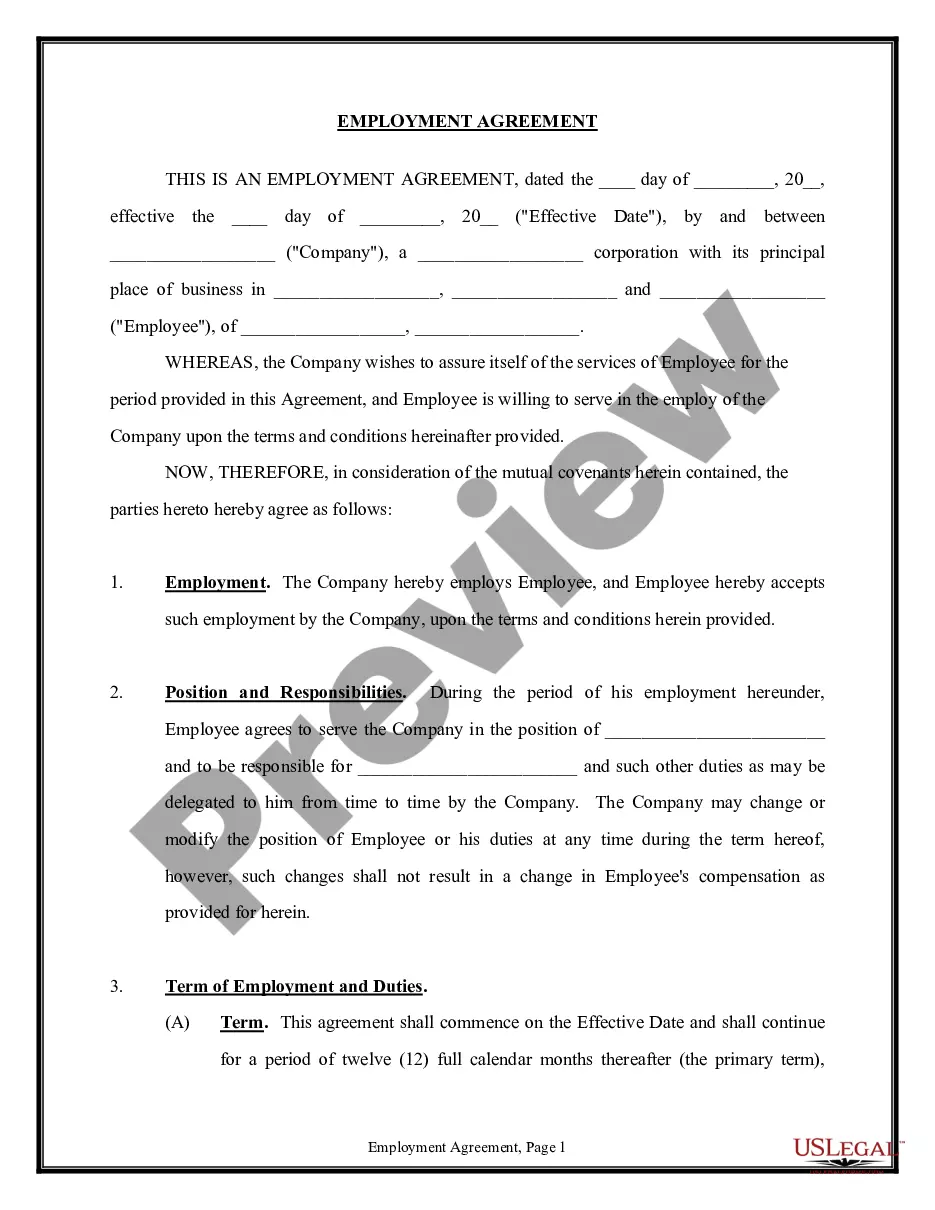
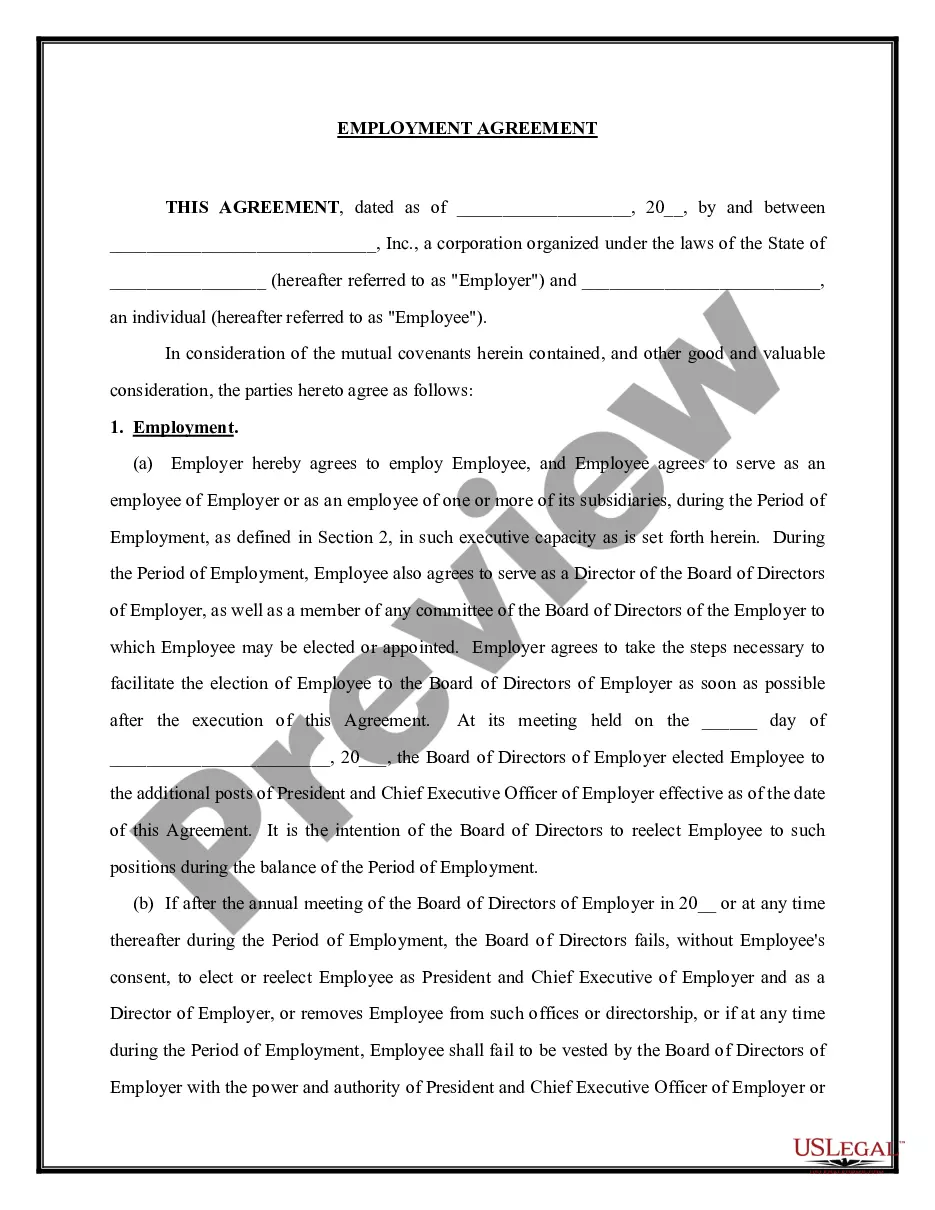
Get your form ready online
Our built-in tools help you complete, sign, share, and store your documents in one place.
Make edits, fill in missing information, and update formatting in US Legal Forms—just like you would in MS Word.
Download a copy, print it, send it by email, or mail it via USPS—whatever works best for your next step.
Sign and collect signatures with our SignNow integration. Send to multiple recipients, set reminders, and more. Go Premium to unlock E-Sign.
If this form requires notarization, complete it online through a secure video call—no need to meet a notary in person or wait for an appointment.
We protect your documents and personal data by following strict security and privacy standards.

Make edits, fill in missing information, and update formatting in US Legal Forms—just like you would in MS Word.

Download a copy, print it, send it by email, or mail it via USPS—whatever works best for your next step.

Sign and collect signatures with our SignNow integration. Send to multiple recipients, set reminders, and more. Go Premium to unlock E-Sign.

If this form requires notarization, complete it online through a secure video call—no need to meet a notary in person or wait for an appointment.

We protect your documents and personal data by following strict security and privacy standards.
Looking for another form?









Form popularity
FAQ
Companies that use temporary staffing are more common than you might think; wherever there's a need for talent—and if you haven't heard, there is, these days—there's a need for temporary staffing.
Simply put, you're paying for the assistance of someone in the know. Employment agencies work directly with employers and often have a better idea of exactly what they're looking for. They may also know of positions that you'd be unlikely to hear about on your own. Agencies can also help you be a better candidate.
The last few years have been tough for staffing. Industry revenue fell by 14% in 2023 and will likely drop another 10% in 2024, ing to SIA forecasts. The decline has been so widespread that we are now back at 2014 levels of around 2.7 million workers.
You will likely go through an interview and vetting process to determine your skills and then meet with a recruiter to discuss your goals. The recruiter will work to place you in a suitable position.It is in the temp agency's best interest to send top candidates to their clients.
Do temp agencies still exist? Yes, temporary staffing agencies, often referred to as temp agencies, are still very much in existence and actively operating, but times are evolving.
With over 90 percent of companies using staffing agencies, your organization is at a competitive disadvantage when it comes to hiring the best IT talent.
The short answer to your question is yes they do work. Staffing agencies can really help you get your resume out there in front of employers. Many staffing firms work closely with employers to help them fill positions almost as soon as they open up.
Contract staffing refers to an employment arrangement where a company hires an individual on a temporary or contract basis for a specific duration, typically to work on a particular project or to fill a specific need. Contract staffing is also known as temporary staffing or contingent staffing.
Define Your Agency's Expertise. Determine Who Your Staffing Agency Wants to Target. Utilize Referrals From Existing Clients. Build up Your Staffing Agency Network. Attend Trade Shows or Industry Events. Consider Government Staffing Contracts. Keep Your Fees Transparent. Follow up With Potential Leads.
The first step to terminating a temporary staffing contract is to communicate your intentions and reasons to the agency as soon as possible. This will allow them to plan ahead, find alternative placements for their workers, and avoid any misunderstandings or disputes.
