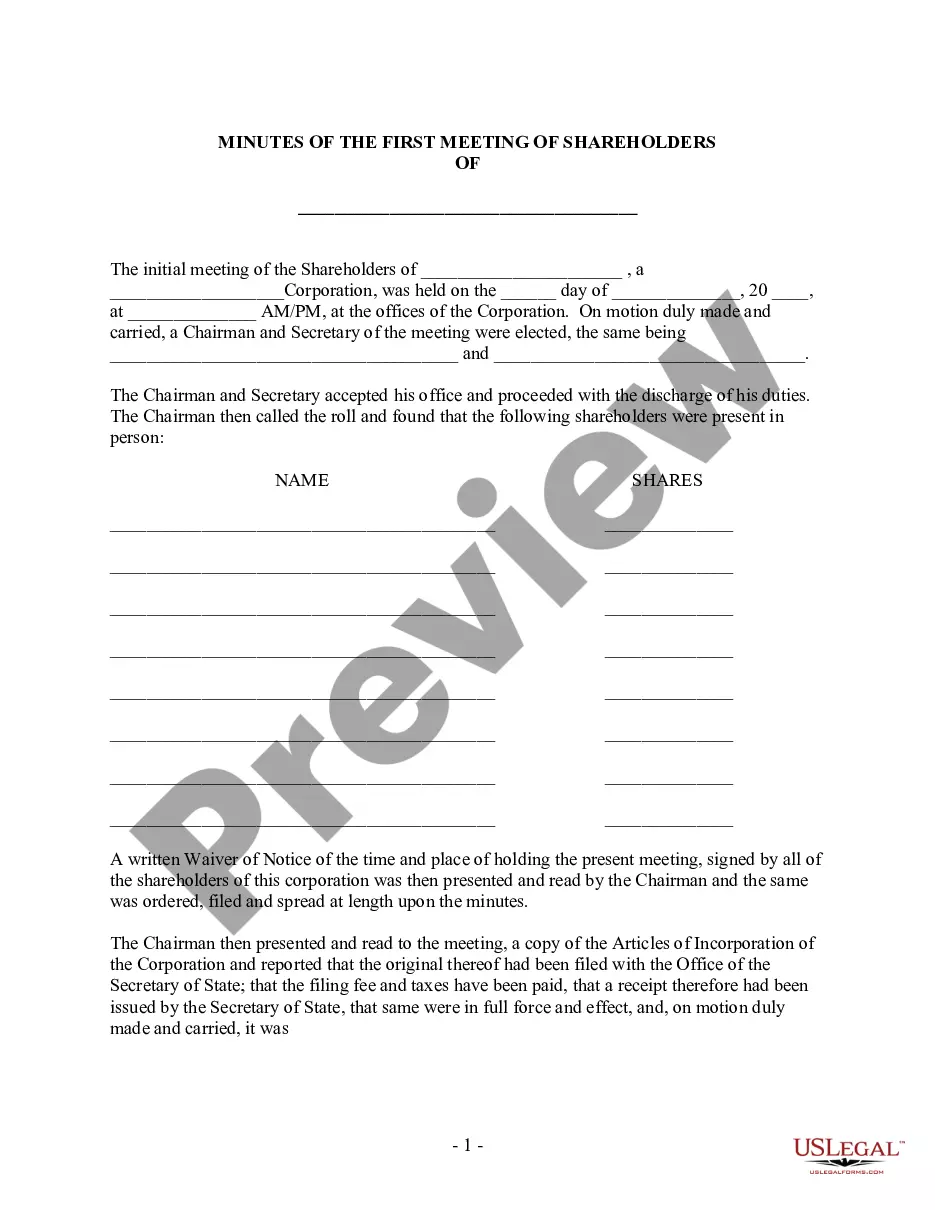
Form Assignment Accounts For Students In King
Description









Get your form ready online
Our built-in tools help you complete, sign, share, and store your documents in one place.
Make edits, fill in missing information, and update formatting in US Legal Forms—just like you would in MS Word.
Download a copy, print it, send it by email, or mail it via USPS—whatever works best for your next step.
Sign and collect signatures with our SignNow integration. Send to multiple recipients, set reminders, and more. Go Premium to unlock E-Sign.
If this form requires notarization, complete it online through a secure video call—no need to meet a notary in person or wait for an appointment.
We protect your documents and personal data by following strict security and privacy standards.

Make edits, fill in missing information, and update formatting in US Legal Forms—just like you would in MS Word.

Download a copy, print it, send it by email, or mail it via USPS—whatever works best for your next step.

Sign and collect signatures with our SignNow integration. Send to multiple recipients, set reminders, and more. Go Premium to unlock E-Sign.

If this form requires notarization, complete it online through a secure video call—no need to meet a notary in person or wait for an appointment.

We protect your documents and personal data by following strict security and privacy standards.
Looking for another form?








Form popularity
FAQ
While there are different types of written assignments, most academic writing has a similar structure comprising of: Introduction—acts as a roadmap for the reader. Body—presents points to support your argument. Conclusion—summarises main points discussed.
Comprehension of the assignment topic. The first step in writing an assignment is understanding what is expected of it. Preliminary research. Make an outline. Have a brainstorming session. Begin writing the assignment. Add citations. Proofread and review.
Typically, the title page comes first in an assignment followed by the table of contents, and abstract. Then comes the major components – introduction, body, conclusion, references and appendices.
Overview Comprehension of the assignment topic. Preliminary Research. Make an outline. Have a brainstorming session. Begin writing the assignment. Add citations. Proofread and review.
The Basic Steps in Doing an Assignment Interpreting the Question. Brainstorming. Finding Sources. Reading and Notetaking. Identifying Key Points. Planning the Answer. Writing. Reviewing.
Pro Assignment writing Tips Go deep into the topic. Take multiple references from multiple sources & do not just stick to one particular point of view. Make your own views about the subject and topic in the questions you are asked into. Make the important points & Elaborate the things in these points.
Spacing Use 1.5 spacing and 2.53 cm (1”) wide margins. Leave a blank line between paragraphs. If the questions are short, leave a blank line between each question. If they are long, start each question on a new page. Left-justify your work (also known as left-aligned).