Equity Agreement Form For Nonprofit Organizations In Ohio
Description






Get your form ready online
Our built-in tools help you complete, sign, share, and store your documents in one place.
Make edits, fill in missing information, and update formatting in US Legal Forms—just like you would in MS Word.
Download a copy, print it, send it by email, or mail it via USPS—whatever works best for your next step.
Sign and collect signatures with our SignNow integration. Send to multiple recipients, set reminders, and more. Go Premium to unlock E-Sign.
If this form requires notarization, complete it online through a secure video call—no need to meet a notary in person or wait for an appointment.
We protect your documents and personal data by following strict security and privacy standards.

Make edits, fill in missing information, and update formatting in US Legal Forms—just like you would in MS Word.

Download a copy, print it, send it by email, or mail it via USPS—whatever works best for your next step.

Sign and collect signatures with our SignNow integration. Send to multiple recipients, set reminders, and more. Go Premium to unlock E-Sign.

If this form requires notarization, complete it online through a secure video call—no need to meet a notary in person or wait for an appointment.

We protect your documents and personal data by following strict security and privacy standards.
Looking for another form?


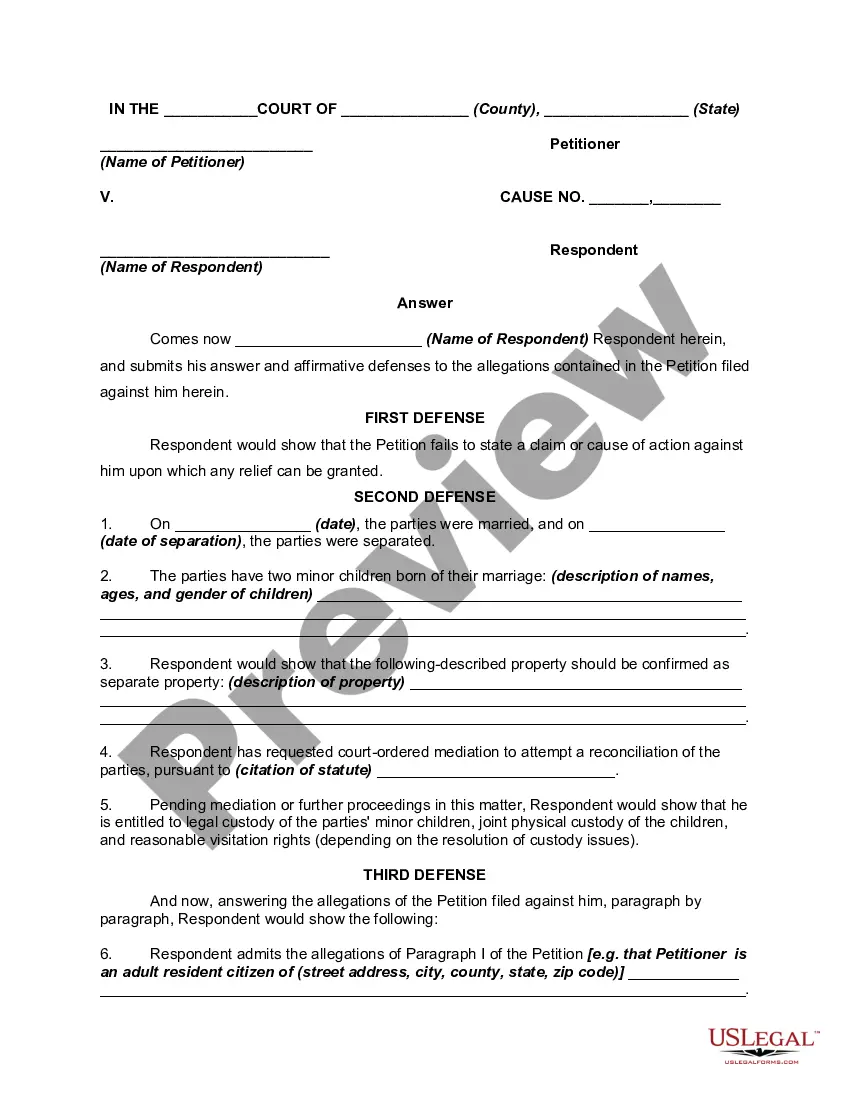
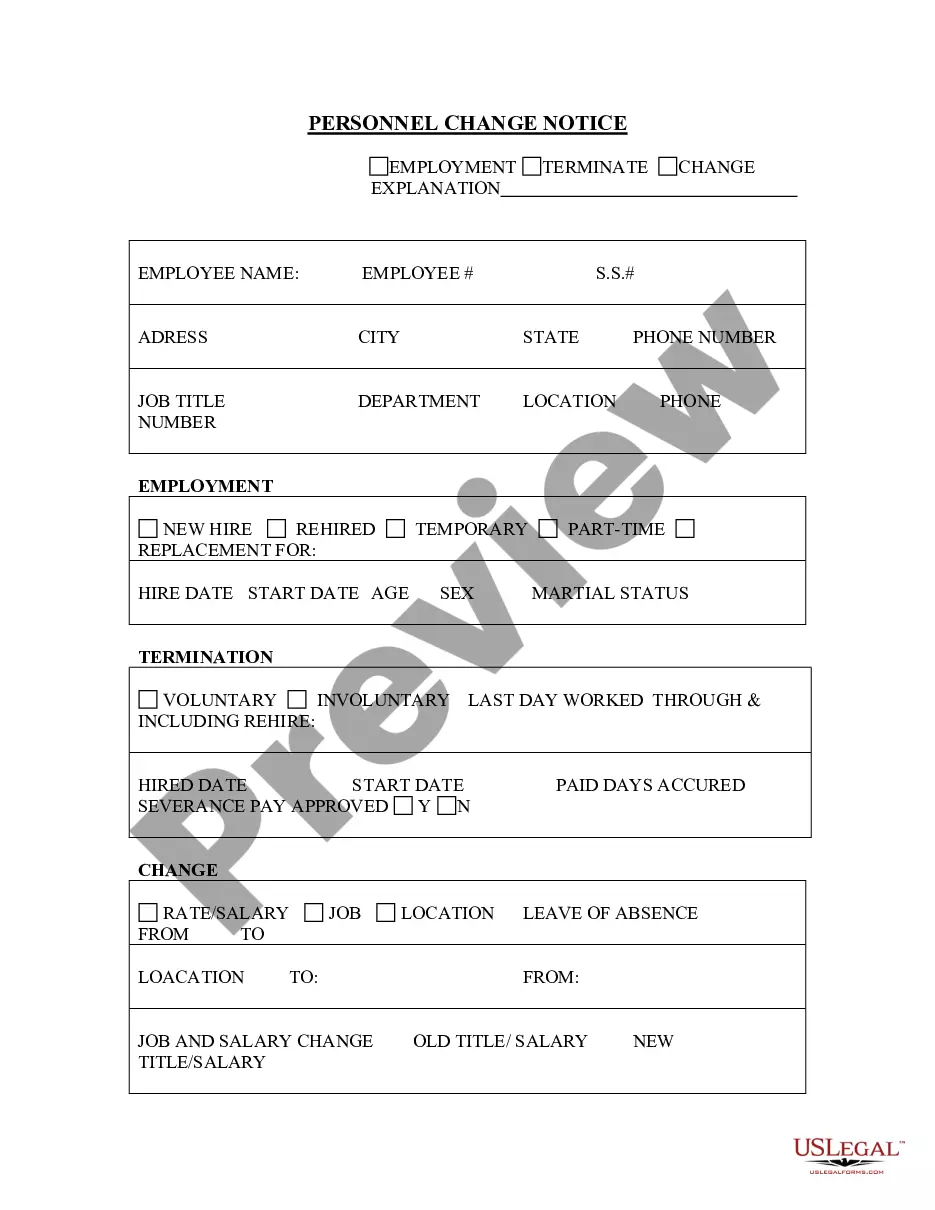
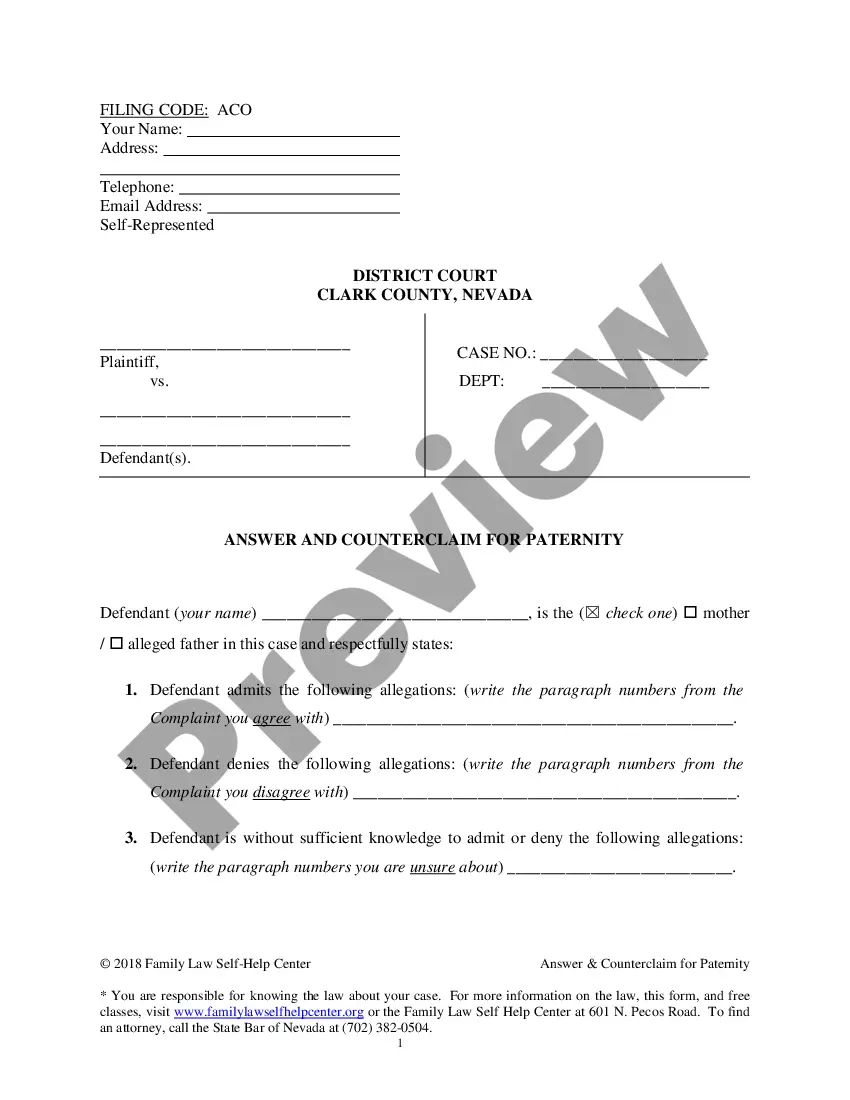





Form popularity
FAQ
The State of Ohio requires nonprofits to have at least three directors on the board. The nonprofit board positions of president, secretary, and treasurer must be filled, but do not need to be held by directors.
Traditionally, when starting a nonprofit, the best choice for legal structure is to form a nonprofit corporation at the state level and to apply for 501(c)(3) tax exemption at the federal level.
Corporation. A corporation consists of one or more individuals authorized to act as a single, distinct entity. Corporations are among the most common nonprofit structures. Corporations are required to register with the state upon formation and must comply with certain ongoing legal and regulatory requirements.
The . org extension is the bread and butter for nonprofit organizations. It is usually used for non-commercial organizations, so even people who do not know about your organization will understand it is not a for-profit organization. It is a great way to gain credibility right off the bat.
Tax Obligations All nonprofit organizations are required to file an annual tax return (generally, IRS Form 990) even when no taxes are due. A nonprofit organization should consult with an attorney and/or tax adviser about its tax obligations.
Traditionally, when starting a nonprofit, the best choice for legal structure is to form a nonprofit corporation at the state level and to apply for 501(c)(3) tax exemption at the federal level.
Business entities in Ohio are not required to file an annual report. However, certain types of entities and registrations are required to file reports at different intervals.
Real property used by a school, church, public college, veteran's organization, or for public recreation may be granted tax exemption by the Ohio Department of Taxation, if shown to be operating for nonprofit purposes.
Tax Obligations All nonprofit organizations are required to file an annual tax return (generally, IRS Form 990) even when no taxes are due. A nonprofit organization should consult with an attorney and/or tax adviser about its tax obligations.
The list of states requiring Form 990 (or information from the return) for the specific purpose of charitable solicitation registration and reporting is as follows: Alabama. Alaska Arkansas. California. Colorado Connecticut. Florida. Georgia.
