Contract For Film Crew In Georgia
Description

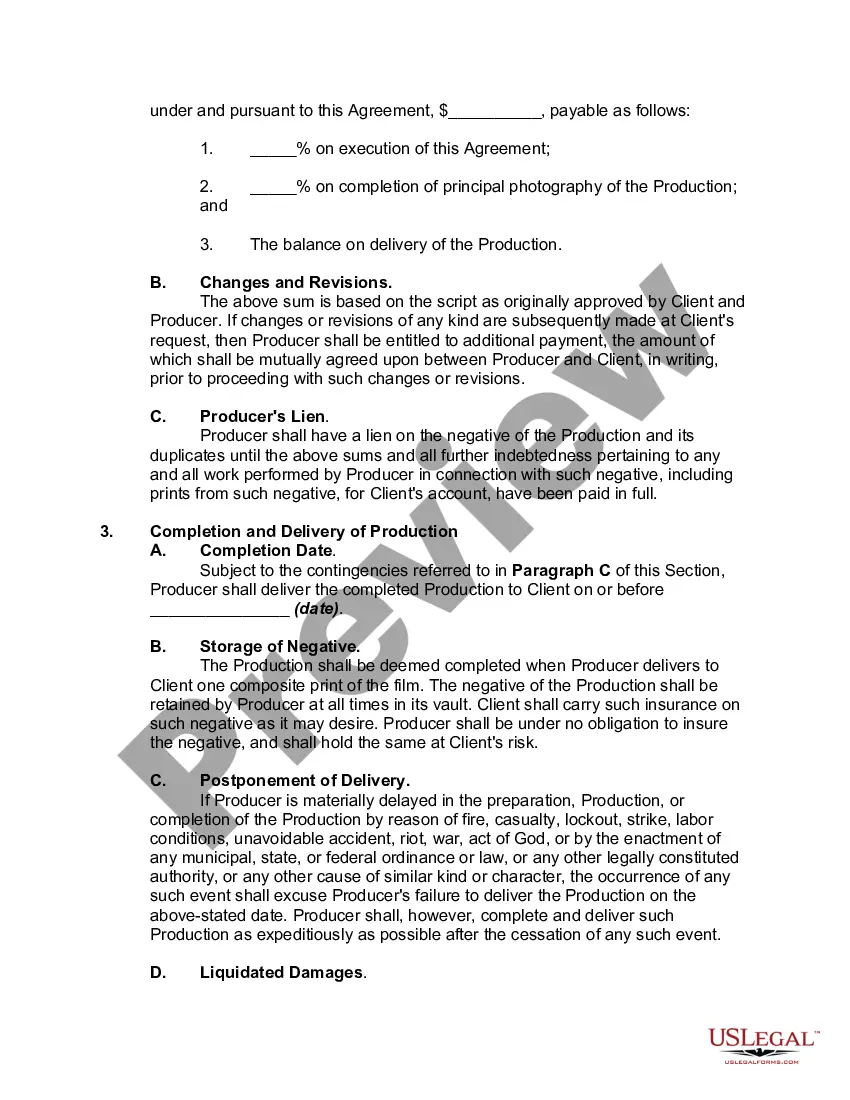
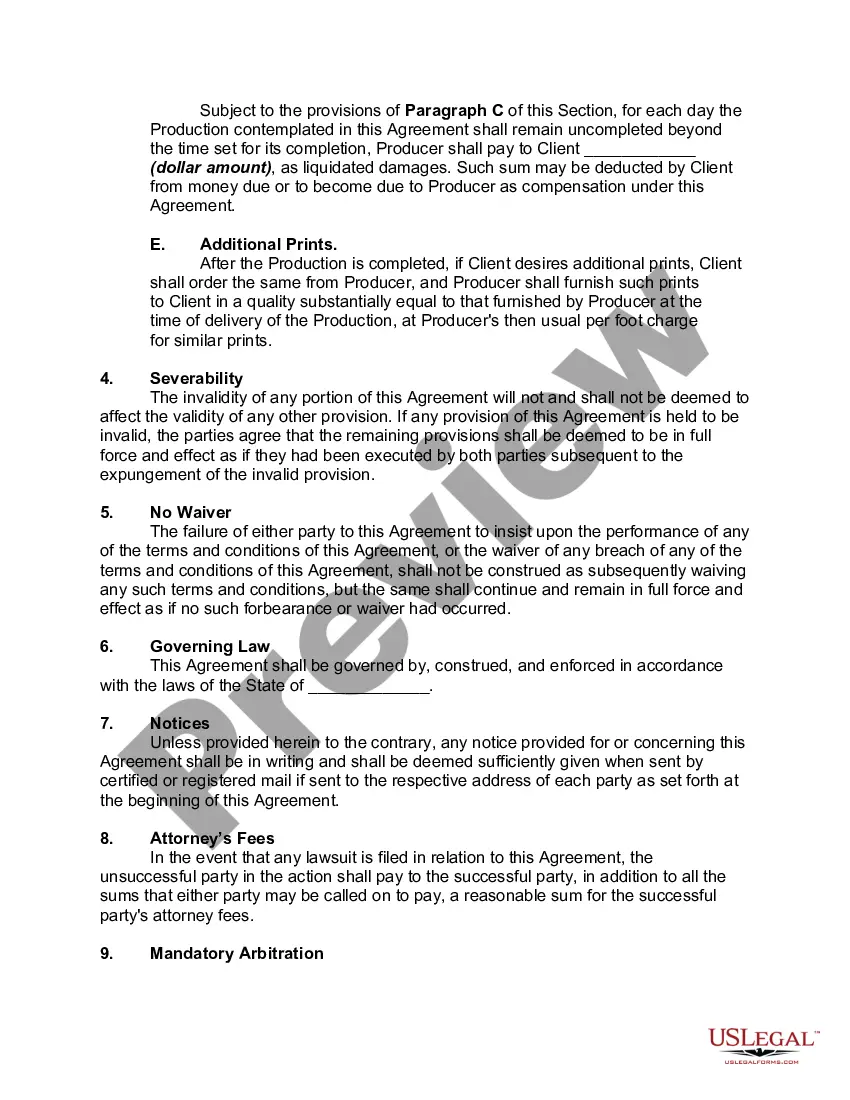
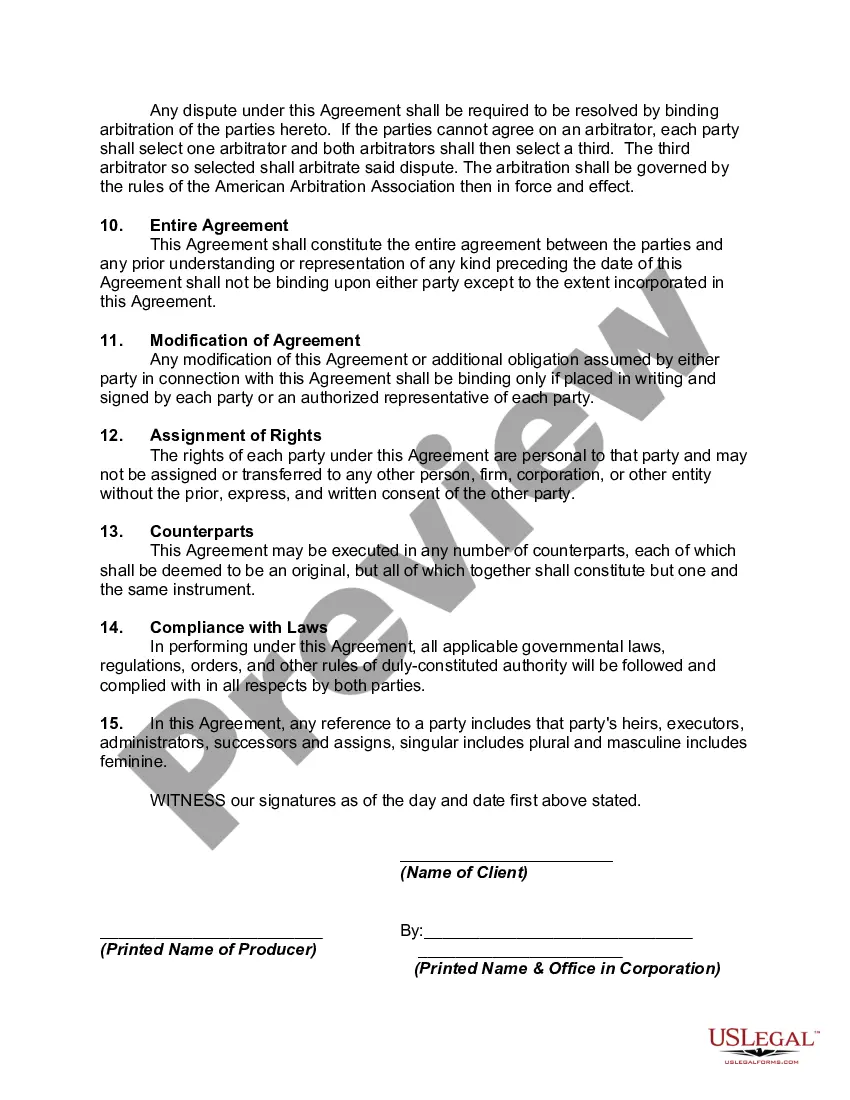
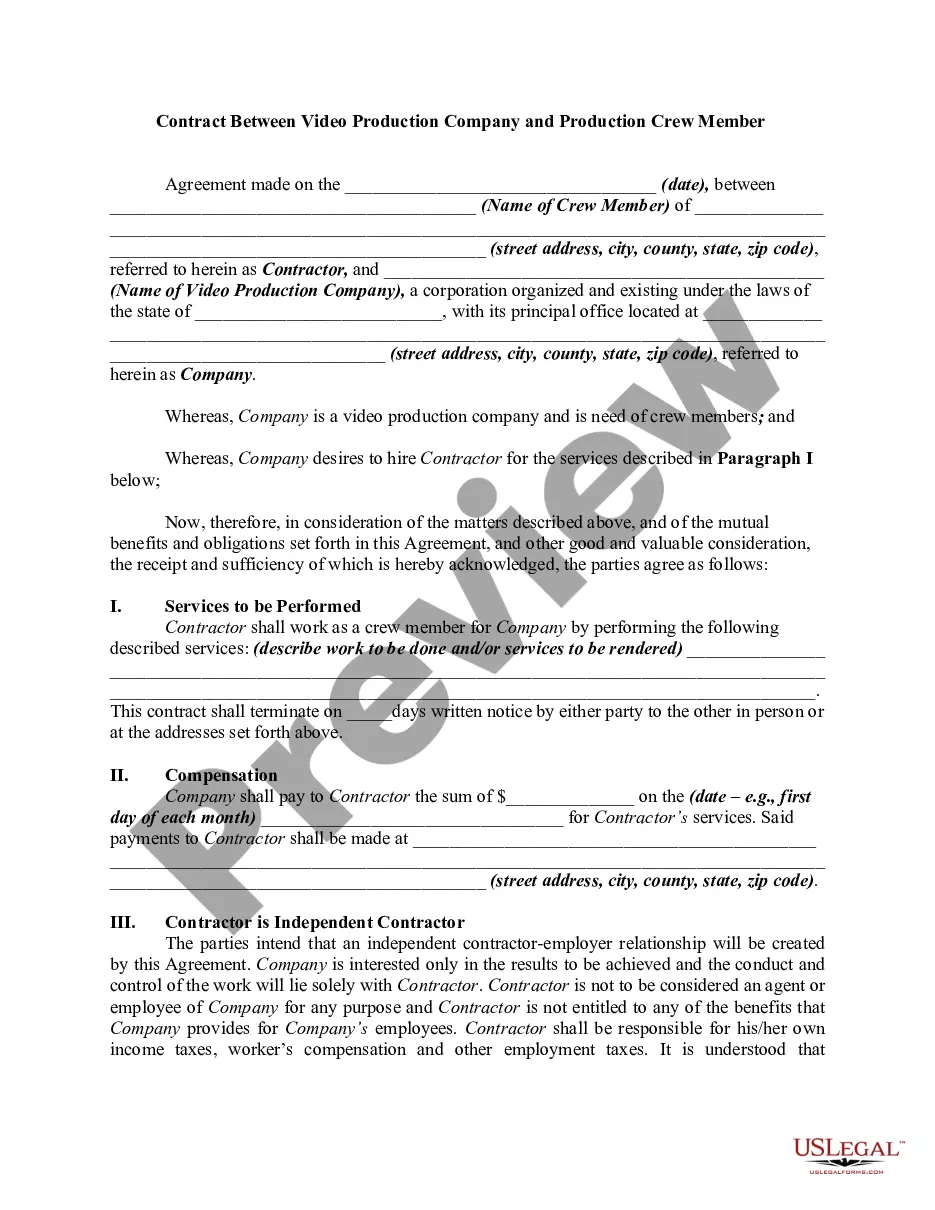
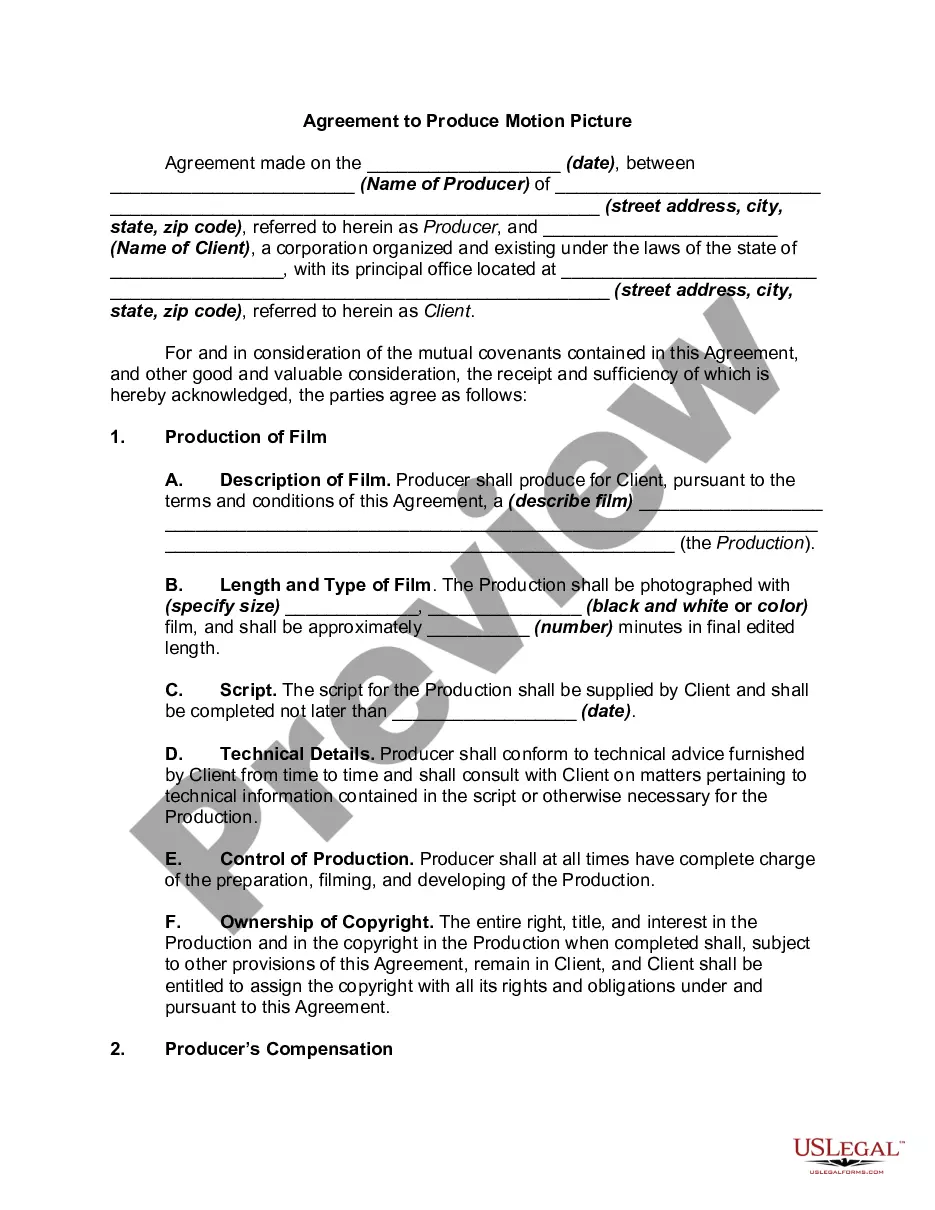
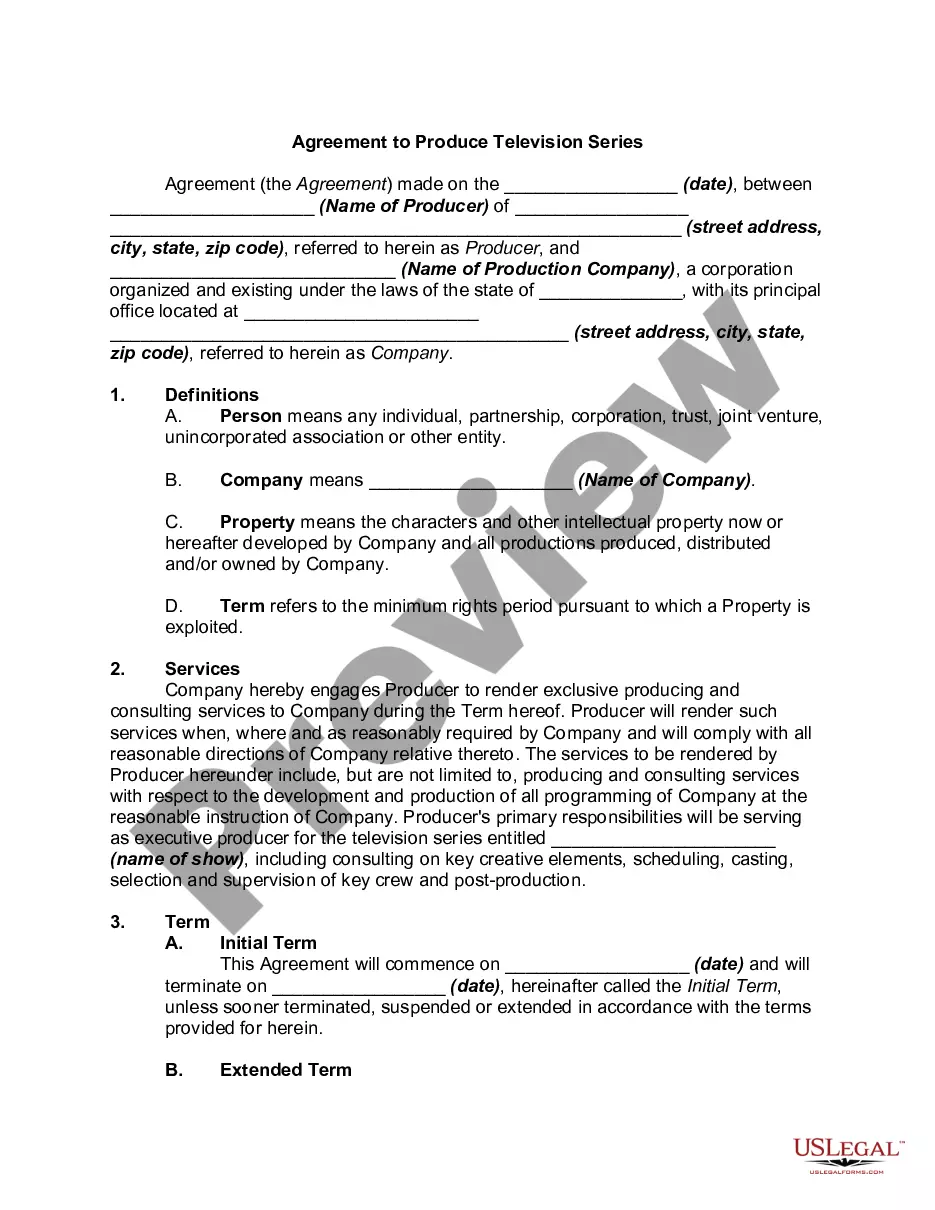
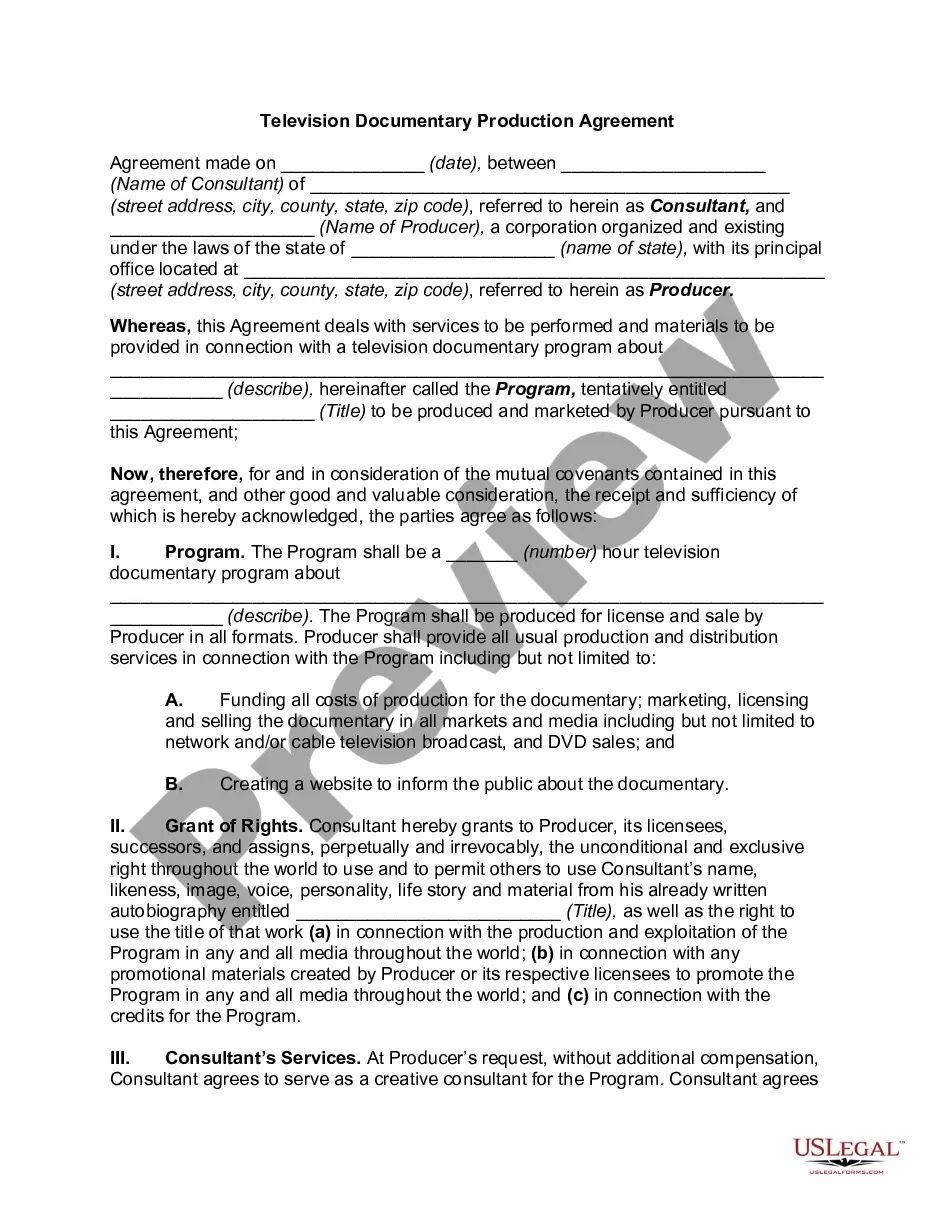
Get your form ready online
Our built-in tools help you complete, sign, share, and store your documents in one place.
Make edits, fill in missing information, and update formatting in US Legal Forms—just like you would in MS Word.
Download a copy, print it, send it by email, or mail it via USPS—whatever works best for your next step.
Sign and collect signatures with our SignNow integration. Send to multiple recipients, set reminders, and more. Go Premium to unlock E-Sign.
If this form requires notarization, complete it online through a secure video call—no need to meet a notary in person or wait for an appointment.
We protect your documents and personal data by following strict security and privacy standards.

Make edits, fill in missing information, and update formatting in US Legal Forms—just like you would in MS Word.

Download a copy, print it, send it by email, or mail it via USPS—whatever works best for your next step.

Sign and collect signatures with our SignNow integration. Send to multiple recipients, set reminders, and more. Go Premium to unlock E-Sign.

If this form requires notarization, complete it online through a secure video call—no need to meet a notary in person or wait for an appointment.

We protect your documents and personal data by following strict security and privacy standards.
Looking for another form?




Form popularity
FAQ
The Basic Agreement (BA) covers projects shot on film made under an agreement with the Association of Motion Picture and Television Producers (AMPTP). This contract applies to Directors, Assistant Directors and Unit Production Managers working in film and television.
The Georgia Entertainment Industry Investment Act provides a film tax credit for feature film, series, pilots, movies for television, televised commercial advertisements, and music video productions, and also for qualified interactive entertainment projects.
The Georgia Entertainment Industry Investment Act (“GEIIA”) offers an across- the-board flat tax credit of 20 percent to certified projects, based on a minimum investment of $500,000 over a single tax year on qualified expenditures in Georgia.
The mission of the Georgia Film Commission is to promote and facilitate the growth of Georgia's entertainment industry by offering competitive tax incentives, assisting filmmakers with location and permitting needs, and providing access to local resources.
The Georgia Film Academy (GFA) is a collaboration of the University System of Georgia and the Technical College System of Georgia created by state leadership to meet education and workforce needs for high-demand careers in Georgia's film and creative industries.
Their primary responsibility is to attract film and video production to their area to accrue the locally realized benefits of hiring local crews and talent, renting local equipment, using hotel rooms, rental cars, catering services, or any number of goods and services supplied on location.
Honestly, the best way to start is to take a set PA (production assistant) job and any TV or film production that you can get. Once you are there, start talking with the department members (sound in this case) about getting a job and getting in the union. The best way is to be there and to know somebody.
People such as doctors, dentists, veterinarians, lawyers, accountants, contractors, subcontractors, public stenographers, or auctioneers who are in an independent trade, business, or profession in which they offer their services to the general public are generally independent contractors.
Are voice actors self-employed? Yes, voice actors are self-employed. Voice actors often take on independent projects, with the autonomy to establish their own fees, select jobs they desire to pursue, and determine when and where they will record.
However, for the most part, under the Federal regulations (and most states including California), a crew member on a film or other similar type production should never be categorized as an independent contractor – they are really “employees” and are subject to federal and state withholding (from their paychecks) as ...
