Wrongful Interference With A Contractual Relationship Requires The Existence Of
Description


Get your form ready online
Our built-in tools help you complete, sign, share, and store your documents in one place.
Make edits, fill in missing information, and update formatting in US Legal Forms—just like you would in MS Word.
Download a copy, print it, send it by email, or mail it via USPS—whatever works best for your next step.
Sign and collect signatures with our SignNow integration. Send to multiple recipients, set reminders, and more. Go Premium to unlock E-Sign.
If this form requires notarization, complete it online through a secure video call—no need to meet a notary in person or wait for an appointment.
We protect your documents and personal data by following strict security and privacy standards.

Make edits, fill in missing information, and update formatting in US Legal Forms—just like you would in MS Word.

Download a copy, print it, send it by email, or mail it via USPS—whatever works best for your next step.

Sign and collect signatures with our SignNow integration. Send to multiple recipients, set reminders, and more. Go Premium to unlock E-Sign.

If this form requires notarization, complete it online through a secure video call—no need to meet a notary in person or wait for an appointment.

We protect your documents and personal data by following strict security and privacy standards.
Looking for another form?








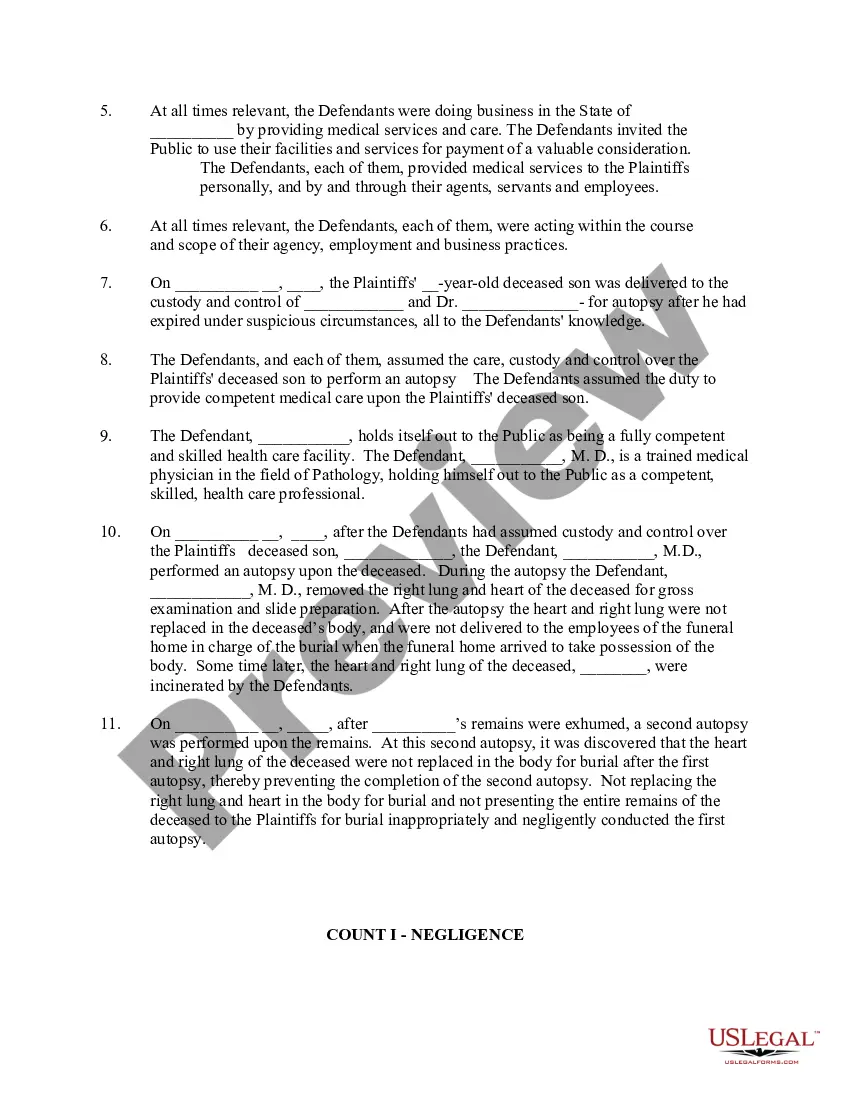
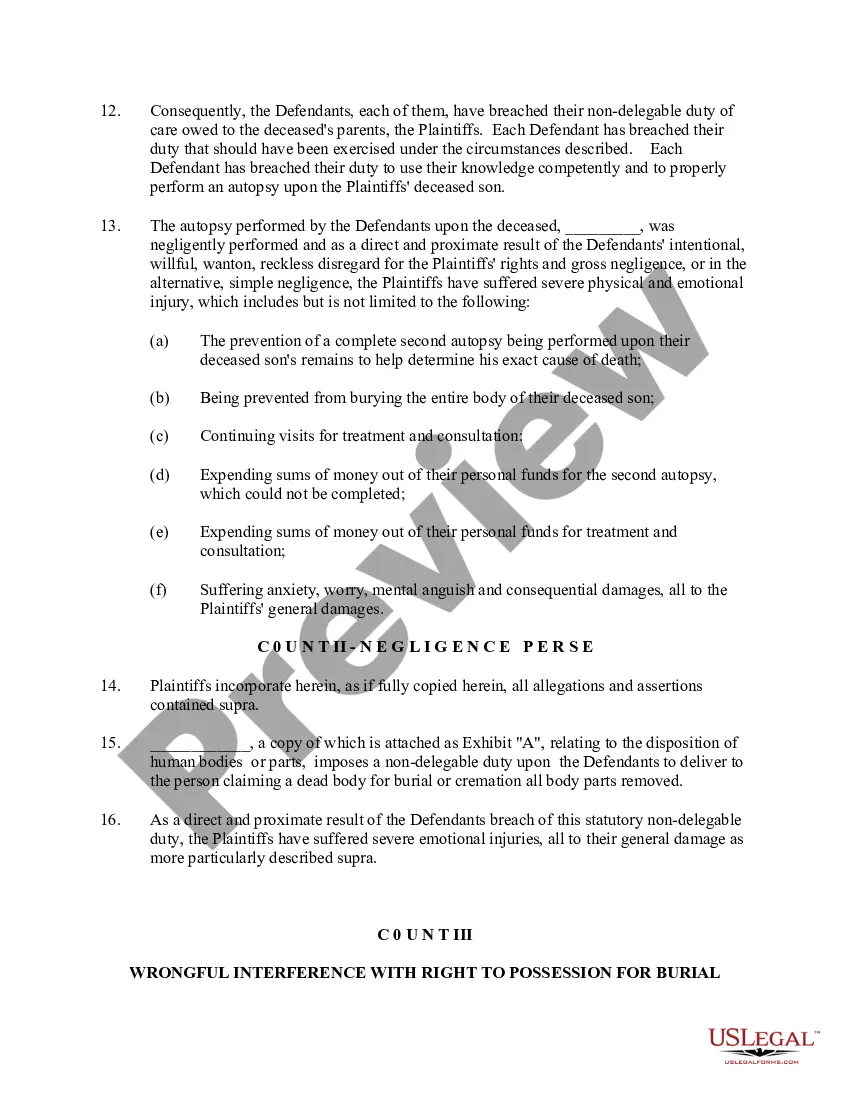
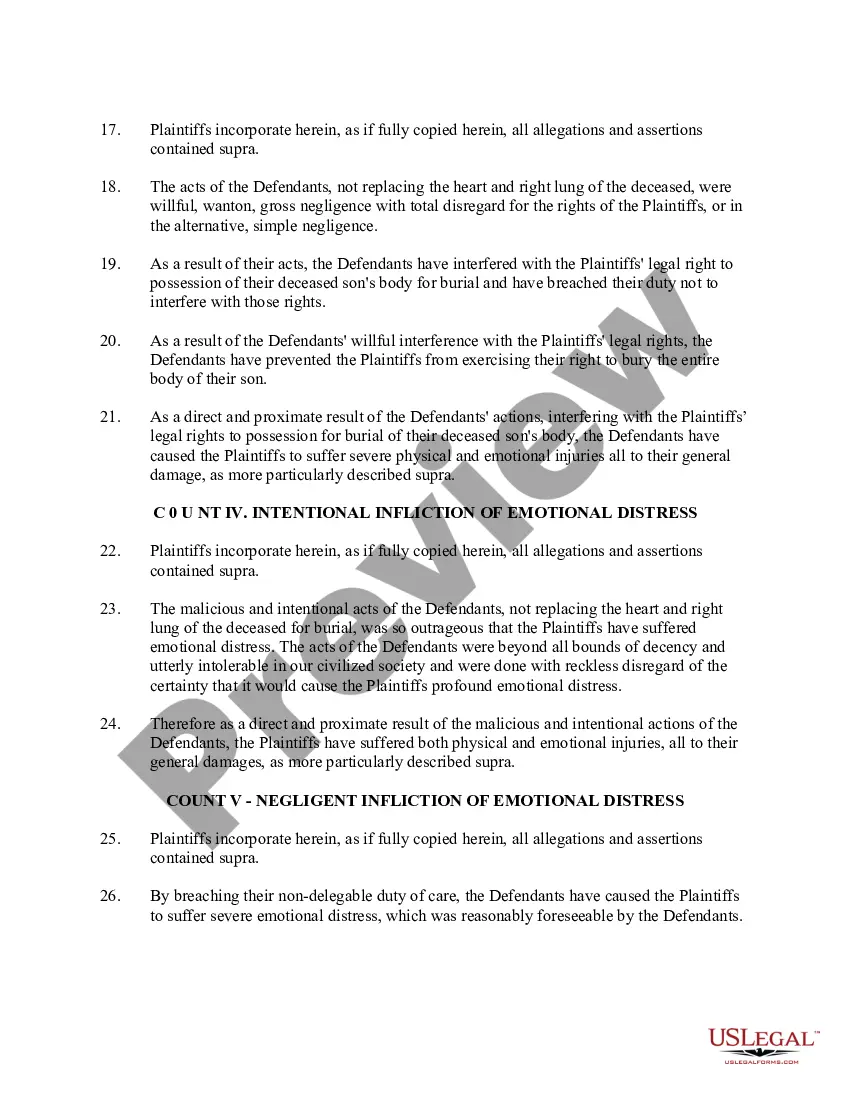
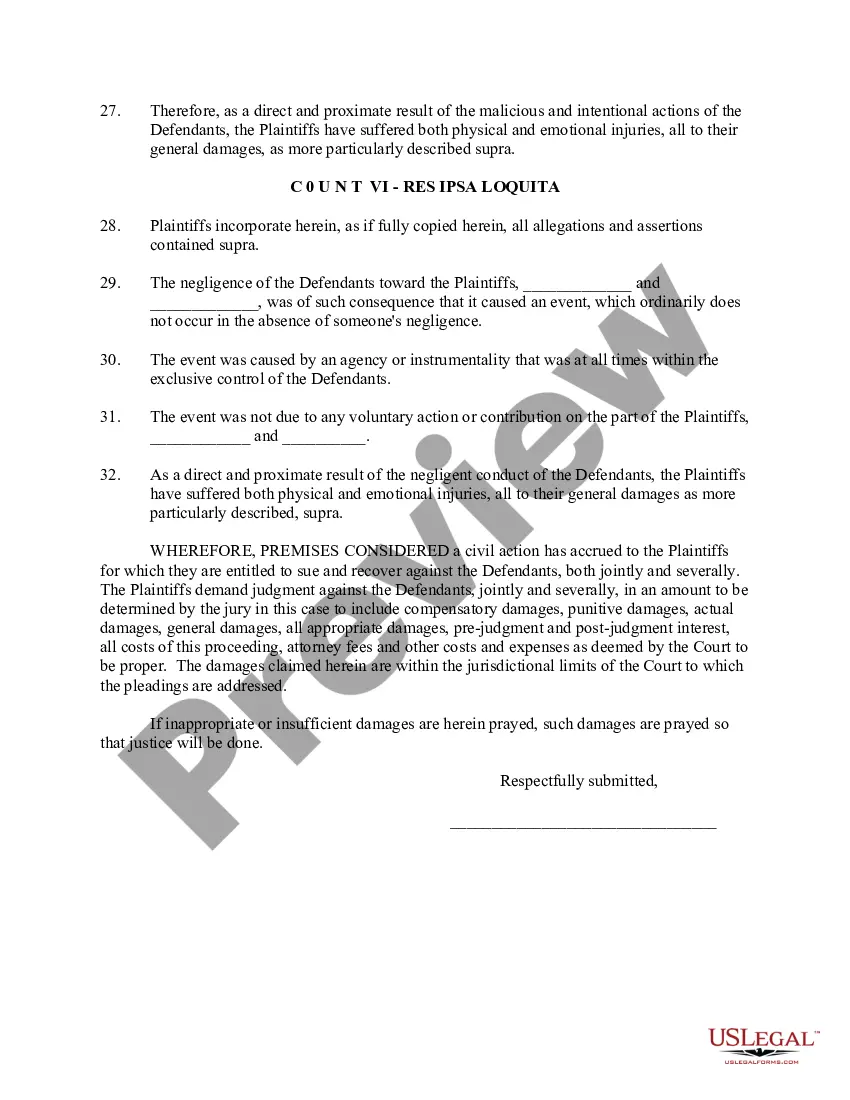
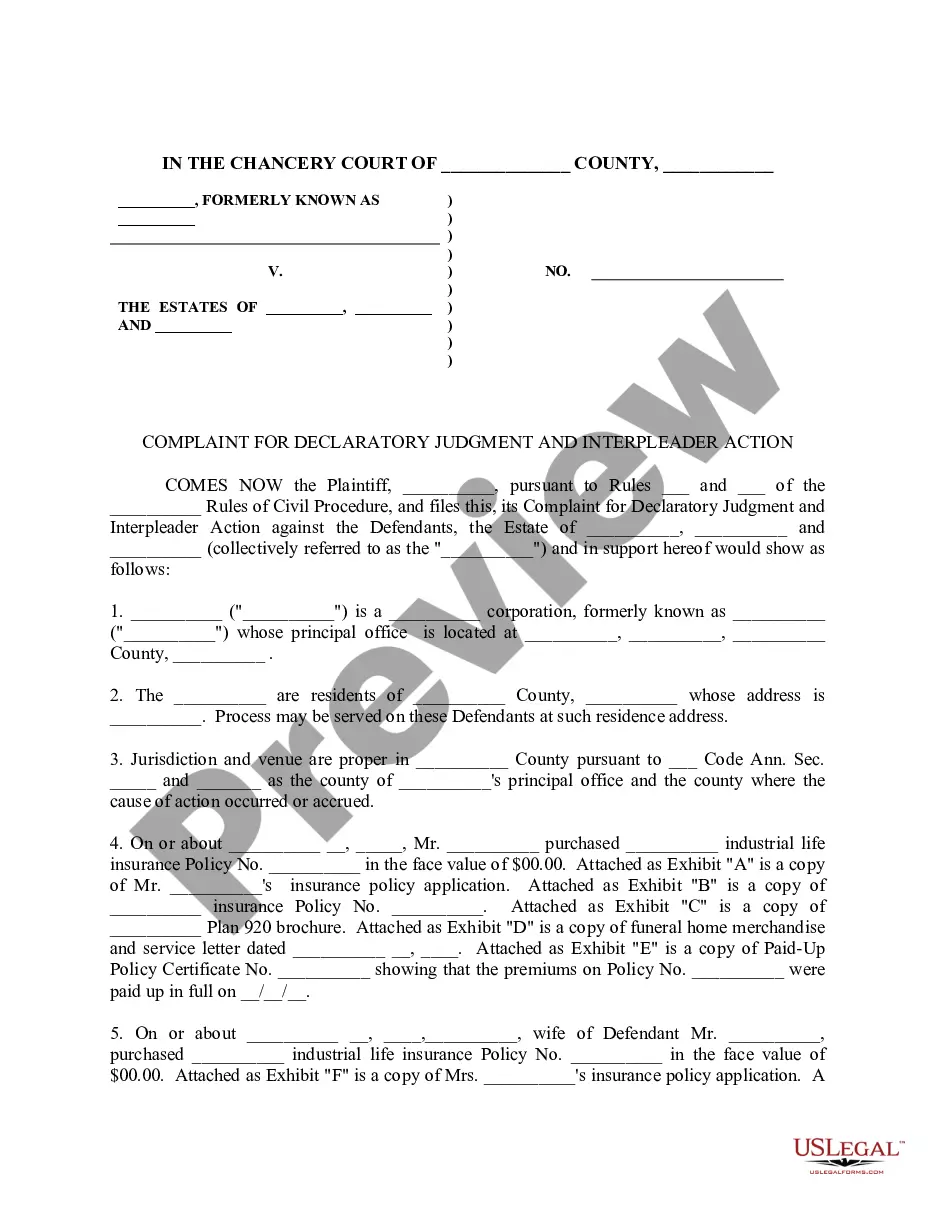
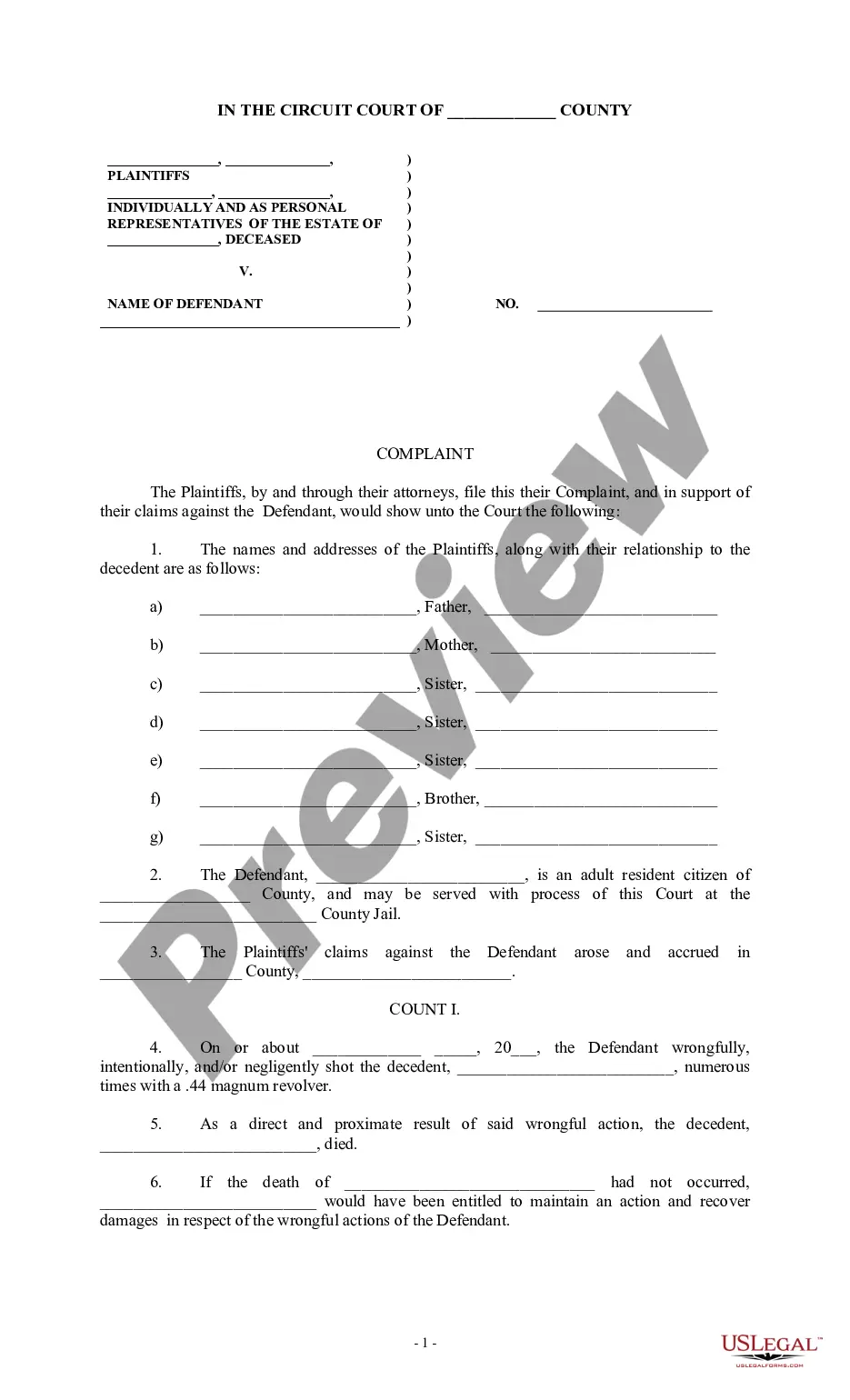
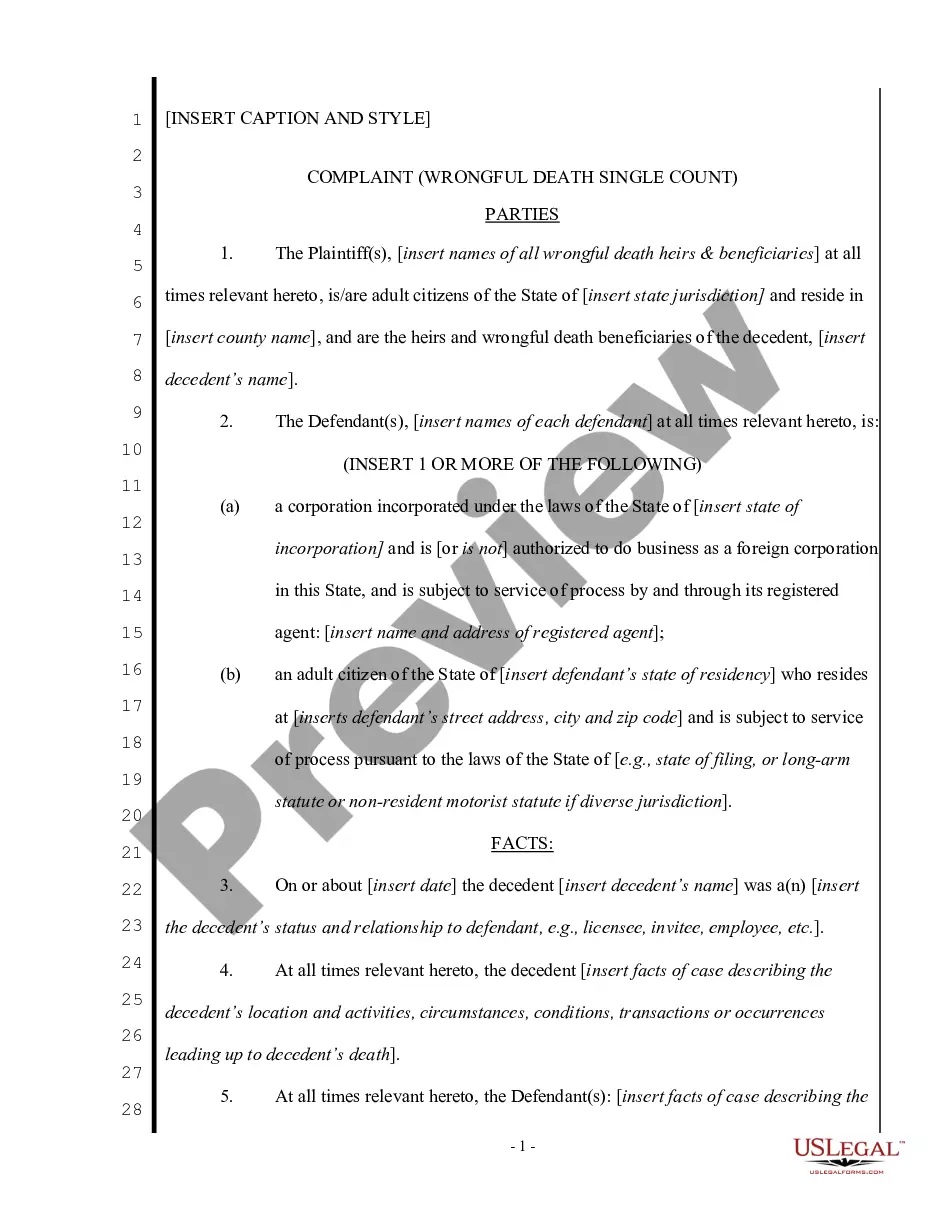
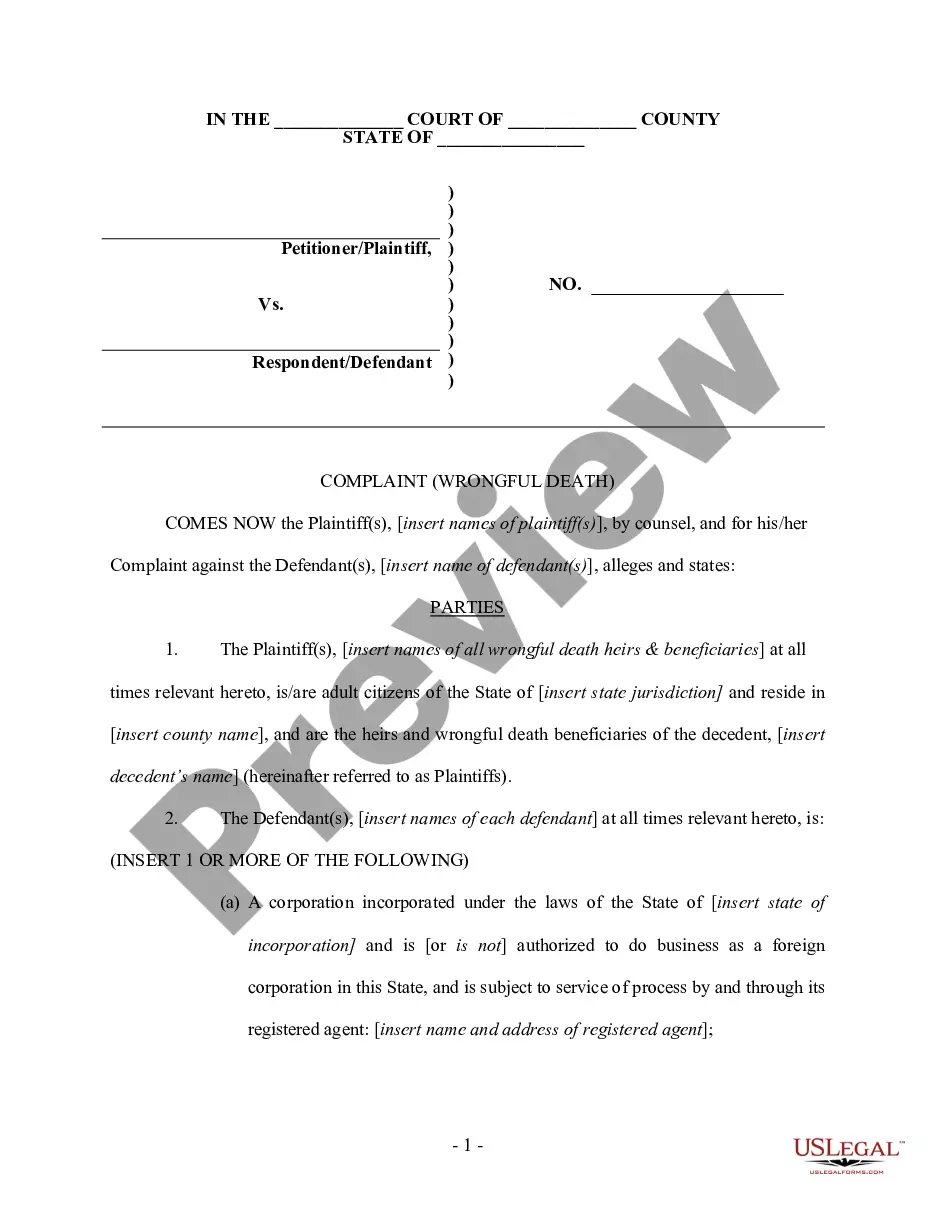
How to fill out Complaint For Wrongful Interference With Right To Possession For Burial?
The Improper Interference With A Contractual Agreement Necessitates The Presence Of.
what you observe on this page is a reusable formal framework created by expert attorneys adhering to national and local laws. For over 25 years, US Legal Forms has supplied individuals, entities, and legal experts with more than 85,000 verified, state-specific documents for any business and personal situation. It is the quickest, easiest, and most reliable way to acquire the forms you require, as the service ensures bank-level data protection and anti-malware safeguards.
Access the same document again whenever required. Navigate to the My documents section in your profile to redownload any forms you have previously purchased.
- Look for the document you require and examine it.
- Browse through the file you searched and preview it or check the document description to verify it meets your needs. If it does not, utilize the search bar to find the correct one. Click Buy Now once you have found the template you seek.
- Choose a pricing plan that fits you and create an account. Use PayPal or a credit card for a swift payment. If you already have an account, Log In and check your subscription to proceed.
- Select the format you desire for your Improper Interference With A Contractual Agreement Necessitates The Presence Of (PDF, DOCX, RTF) and download the file onto your device.
- Print the template to fill it out manually. Alternatively, use an online multi-functional PDF editor to quickly and accurately complete and sign your document with a valid signature.
Form popularity
FAQ
Tortious interference with contract rights can occur when one party persuades another to breach its contract with a third party (e.g., using blackmail, threats, influence, etc.) or where someone knowingly interferes with a contractor's ability to perform his contractual obligations, preventing the client from receiving ...
Deceiving another company's employees to lure them to work for you instead. Making false claims about a competitor to deter business. Threatening a logistics company if they make a supply delivery to a competitor. Interfering with a party's ability to uphold its contractual obligations.
To prove tortious interference with a contract, a plaintiff must establish several elements: The plaintiff had a contract with a third party; The defendant knew about the contract at the time of the alleged interference; The defendant interfered intentionally; The interference was improper;
The plaintiff must show that a valid contract or reasonable economic expectation existed between the plaintiff and a third party. Many tortious interference cases involve a breach of contract by a third party with whom the plaintiff had an existing agreement.
The requisite elements of tortious interference with contract claim are: (1) the existence of a valid and enforceable contract between plaintiff and another; (2) defendant's awareness of the contractual relationship; (3) defendant's intentional and unjustified inducement of a breach of the contract; (4) a subsequent ...