Injunctive Relief Without Posting Bond In Ohio
Description


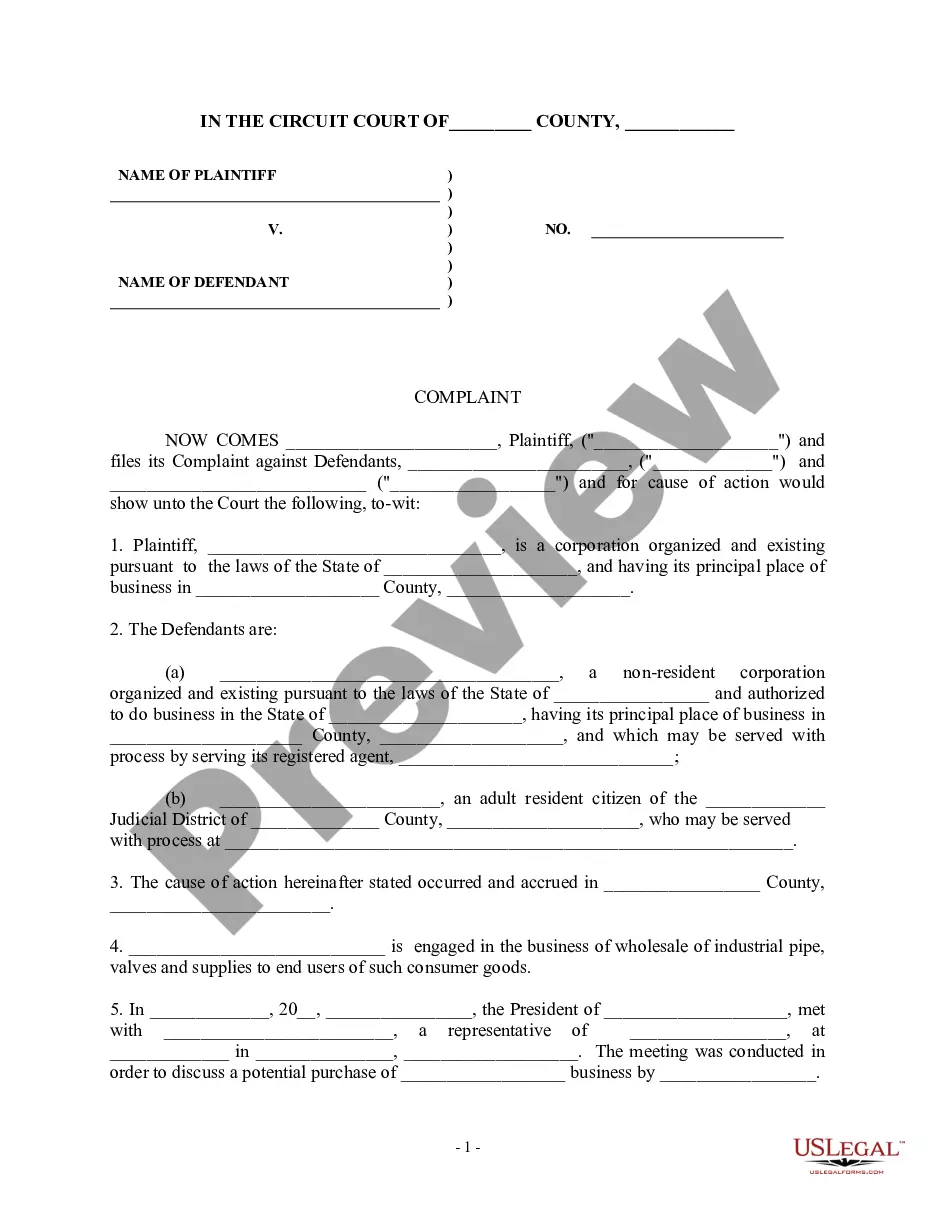

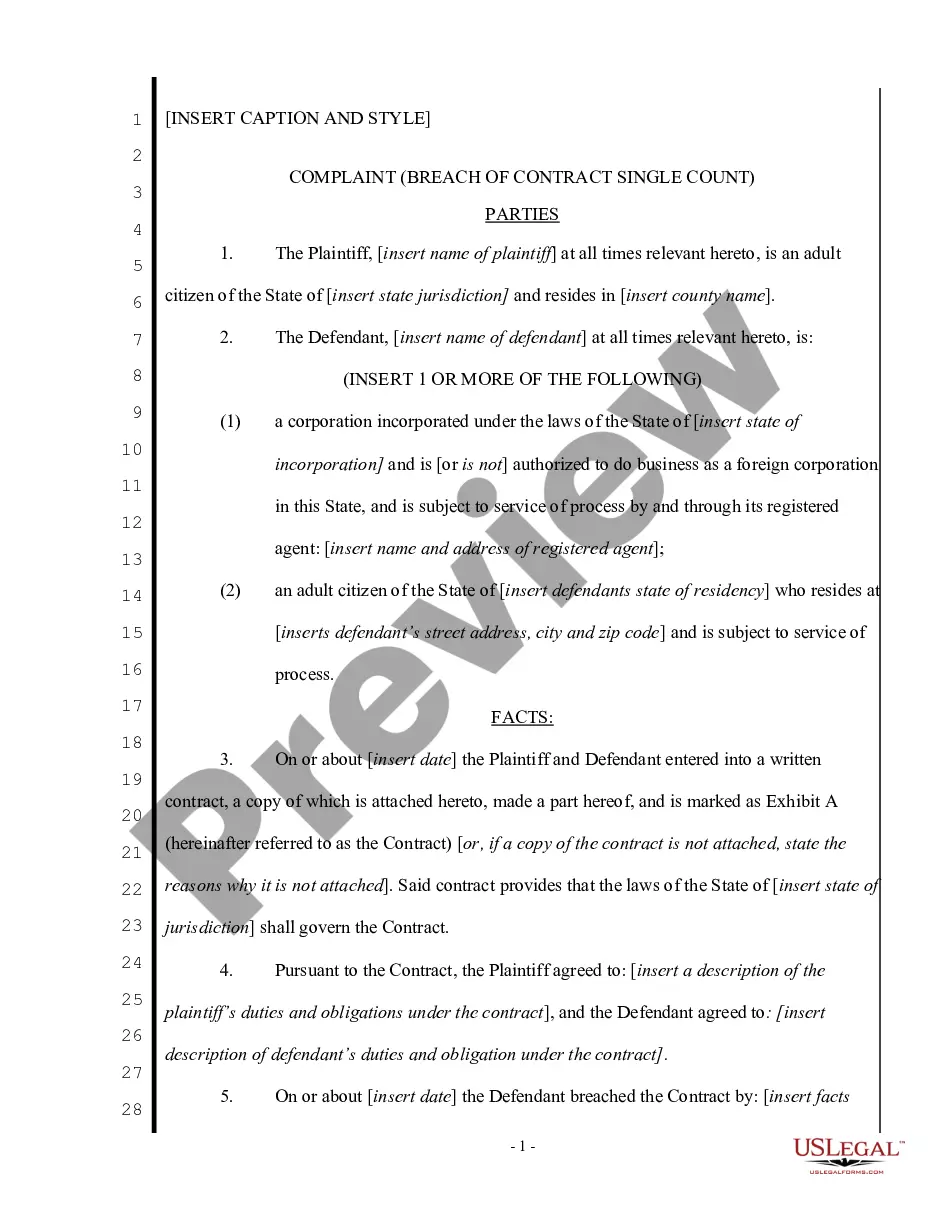
Get your form ready online
Our built-in tools help you complete, sign, share, and store your documents in one place.
Make edits, fill in missing information, and update formatting in US Legal Forms—just like you would in MS Word.
Download a copy, print it, send it by email, or mail it via USPS—whatever works best for your next step.
Sign and collect signatures with our SignNow integration. Send to multiple recipients, set reminders, and more. Go Premium to unlock E-Sign.
If this form requires notarization, complete it online through a secure video call—no need to meet a notary in person or wait for an appointment.
We protect your documents and personal data by following strict security and privacy standards.

Make edits, fill in missing information, and update formatting in US Legal Forms—just like you would in MS Word.

Download a copy, print it, send it by email, or mail it via USPS—whatever works best for your next step.

Sign and collect signatures with our SignNow integration. Send to multiple recipients, set reminders, and more. Go Premium to unlock E-Sign.

If this form requires notarization, complete it online through a secure video call—no need to meet a notary in person or wait for an appointment.

We protect your documents and personal data by following strict security and privacy standards.
Looking for another form?








Form popularity
FAQ
Rule 65. – No preliminary injunction shall be issued without notice to the adverse party. (b) Temporary restraining order; notice; hearing; duration.
Injunctions. (a) Preliminary injunction; notice. – No preliminary injunction shall be issued without notice to the adverse party. (b) Temporary restraining order; notice; hearing; duration.
Section 2737.20 | Injunctive relief. In addition to, or in lieu of, any other relief available under sections 2737.01 to 2737.19 of the Revised Code, the court may grant a temporary restraining order, preliminary injunction, or permanent injunction in ance with the Rules of Civil Procedure.
The 65 percent law in North Carolina dictates that eligible inmates must serve at least 65 percent of their minimum sentence before they can be considered for parole. This is not a guarantee of release; rather, it's a crucial threshold that initiates the parole process.
Alabama Rules of Civil Procedure - Rule 65 It specifies the conditions under which a temporary restraining order may be granted without notice, the duration of such orders, and the necessity for a hearing on a preliminary injunction. Understanding these rules is essential for effectively pursuing ex parte custody.
Rule 68. If within 10 days after the service of the offer the adverse party serves written notice that the offer is accepted, either party may then file the offer and notice of acceptance together with proof of service thereof and thereupon the clerk shall enter judgment.
Pursuant to Rule 36 of the North Carolina Rules of Civil Procedure, any party to a lawsuit may serve written “Requests for Admissions” on any other party. Many Plaintiffs' attorneys will serve Requests for Admissions with the Complaint and Summons.
Example: Cease and Desist A cease and desist order places an injunction on a company or person prohibiting the activities that are deemed suspect. A cease-and-desist order may take the form of a temporary injunction until a trial can be held to determine the outcome or a permanent injunction after the trial concludes.
To warrant preliminary injunctive relief, the moving party must show (1) a substantial likelihood of success on the merits, (2) that it would suffer irrepa- rable injury if the injunction were not granted, (3) that an injunction would not substantially injure other interested parties, and (4) that the public interest ...
Although the test for obtaining a TRO or PI may vary slightly across jurisdictions, generally a plaintiff seeking preliminary injunctive relief must satisfy a four-factor test: (1) that he or she is likely to succeed on the merits of his claims; (2) that he or she is likely to suffer irreparable harm without ...
