Complaint Responsibility File For Hostile Work Environment In Suffolk
Description

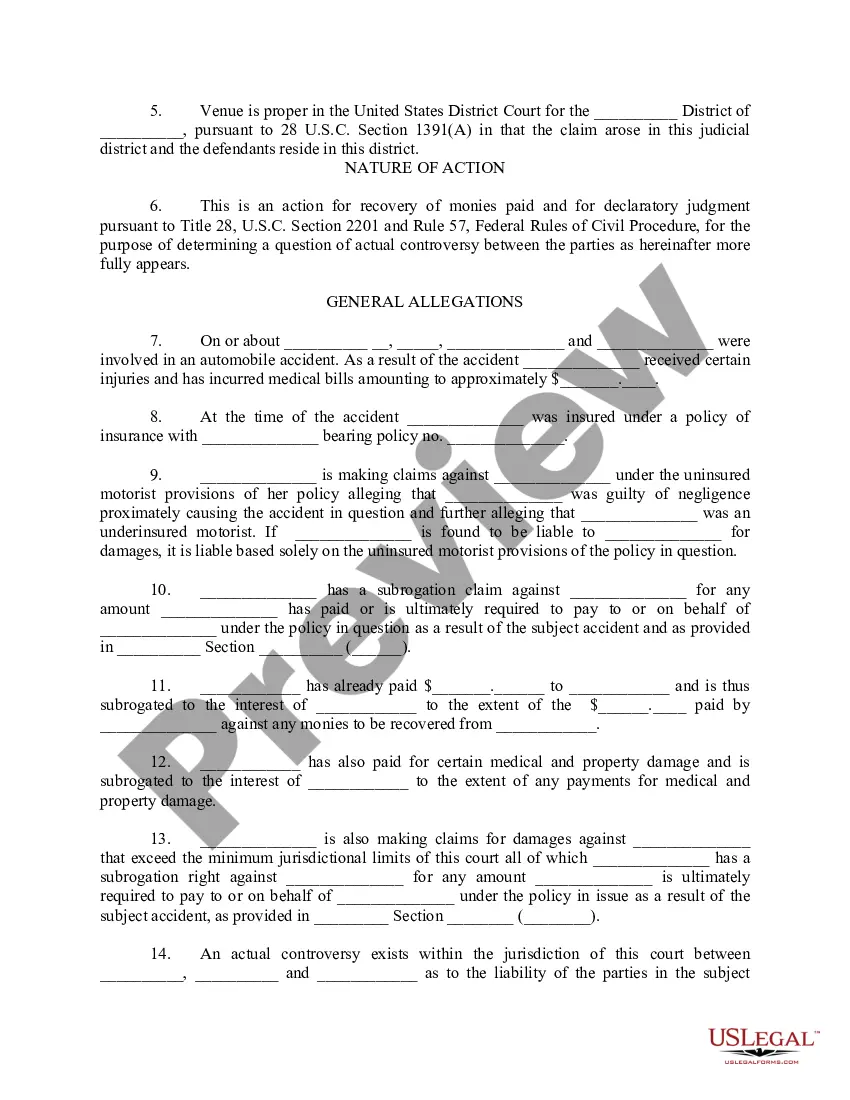
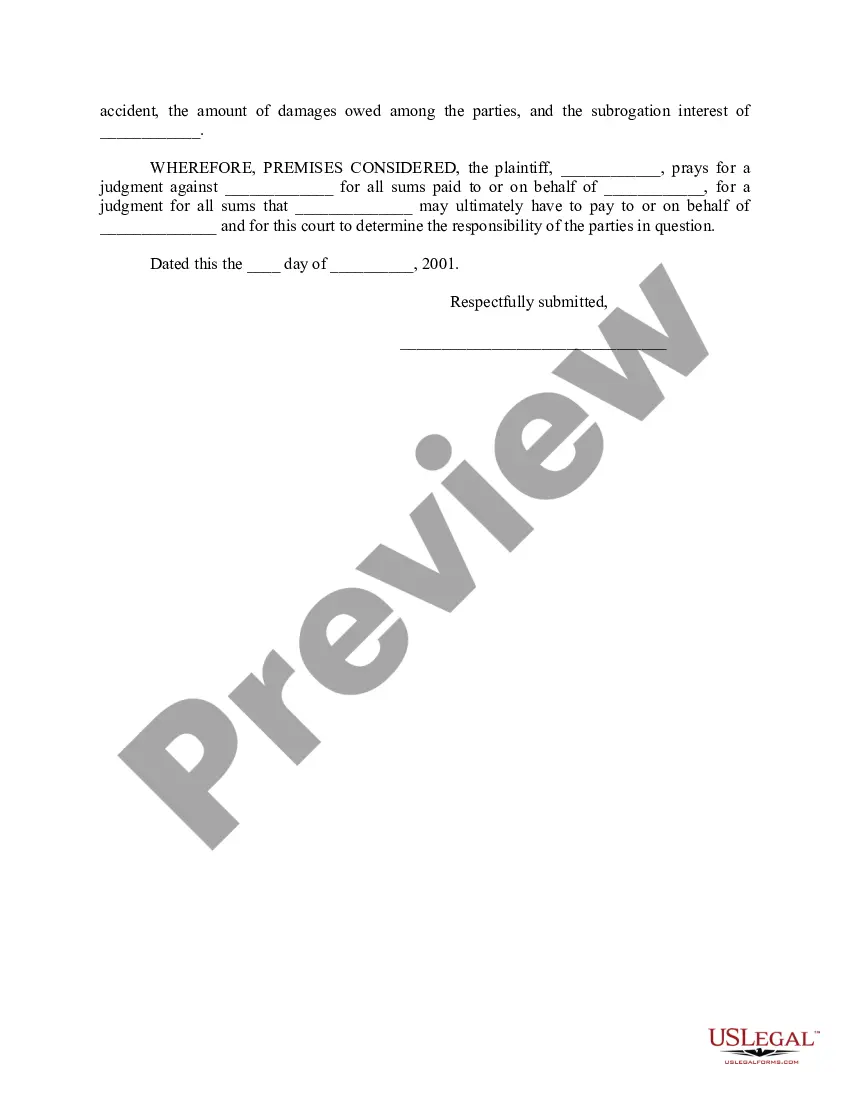



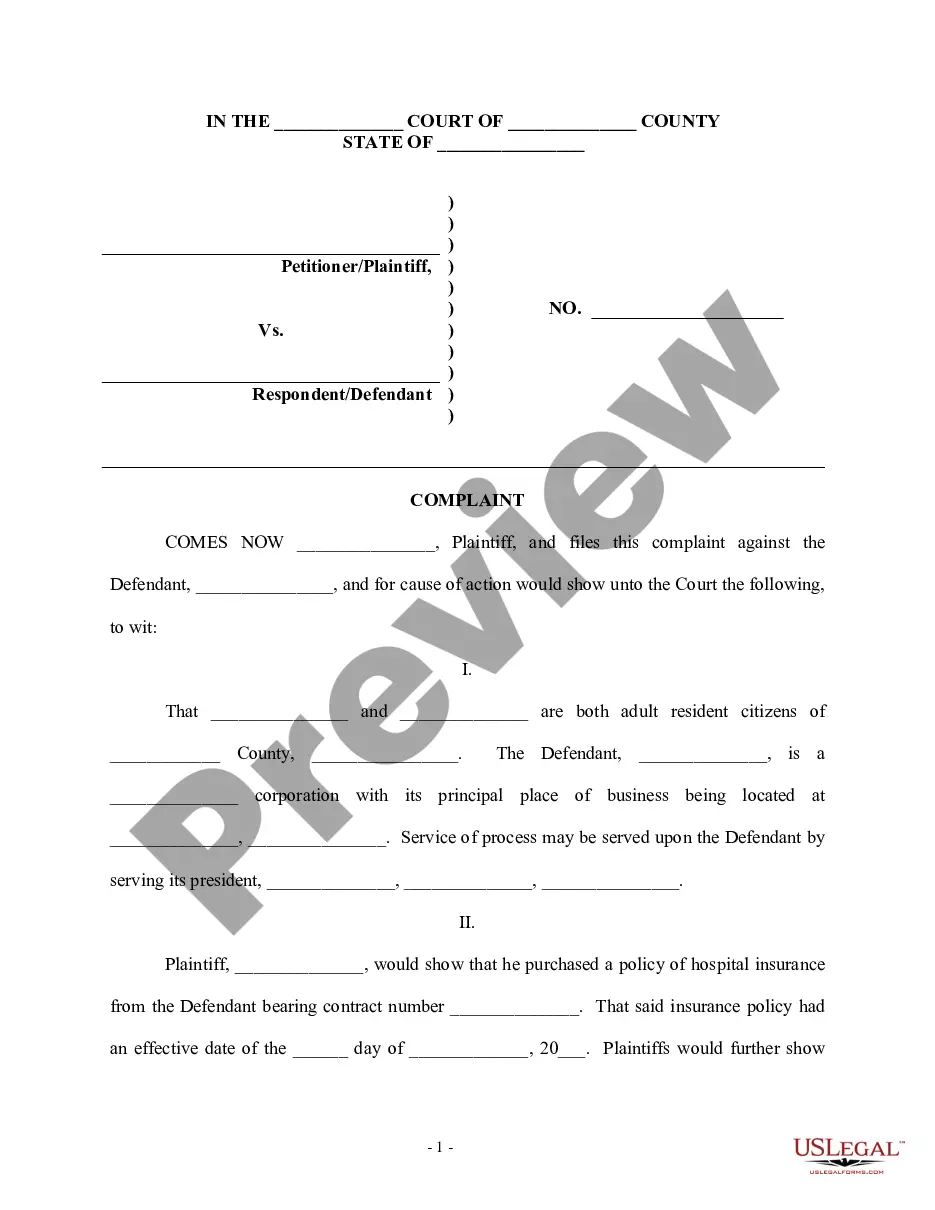
Get your form ready online
Our built-in tools help you complete, sign, share, and store your documents in one place.
Make edits, fill in missing information, and update formatting in US Legal Forms—just like you would in MS Word.
Download a copy, print it, send it by email, or mail it via USPS—whatever works best for your next step.
Sign and collect signatures with our SignNow integration. Send to multiple recipients, set reminders, and more. Go Premium to unlock E-Sign.
If this form requires notarization, complete it online through a secure video call—no need to meet a notary in person or wait for an appointment.
We protect your documents and personal data by following strict security and privacy standards.

Make edits, fill in missing information, and update formatting in US Legal Forms—just like you would in MS Word.

Download a copy, print it, send it by email, or mail it via USPS—whatever works best for your next step.

Sign and collect signatures with our SignNow integration. Send to multiple recipients, set reminders, and more. Go Premium to unlock E-Sign.

If this form requires notarization, complete it online through a secure video call—no need to meet a notary in person or wait for an appointment.

We protect your documents and personal data by following strict security and privacy standards.
Looking for another form?









Form popularity
FAQ
Document everything – Proving a hostile work environment means providing evidence. This includes emails, messages, recordings, and other documentation that shows you reported the work environment and your employer either took corrective action or failed to do so.
3 common factors in a hostile working environment Bullying. Discrimination. Sexual harassment.
The court will want to see a history of offensive, severe, or abusive behavior. The only exception to that rule would be when there is physical assault, in which case that is considered pervasive and wouldn't require a documented history to qualify as a hostile work environment.
How to Prove a Work Environment is Hostile Frequency and severity of the discrimination. Whether the alleged discrimination arose to the level of threatening or humiliating. Whether the alleged discrimination interfered with the employee's work.
While every situation is different, the main determining factors that define a hostile work environment are: • Discrimination against a protected class or retaliation against a protected action. • Conduct that any reasonable person would find abusive. • Conduct that is pervasive and consistent.
Common examples of hostile work environment cases include: Discriminatory jokes, racial or ethnic slurs, or derogatory name-calling. Display of offensive objects, images, or materials targeting protected groups. Intimidation tactics, mockery, or systematic insults. Unwanted physical contact or inappropriate touching.
An employee write-up form should include the employee's full name and employee number, the time and date of the write-up and specific incidents, a detailed reason for the write-up, witness accounts confirming the misconduct, and references to company policies that were violated, along with consequences.
If you experience harassment or an abusive work environment, you have the right to report it to the proper authorities, such as the California Civil Rights Department (CRD). Protection against retaliation. You have legal protections against retaliation for filing a complaint or participating in an investigation.
Furthermore, to prove a hostile work environment, employees must provide evidence that their employer failed to take action after the employee reported work environment concerns. Acceptable evidence includes documentation (emails or messages), incident reports, or potential witnesses.
