Sample Bonus Template For Achieving Sales Target In Santa Clara
Description
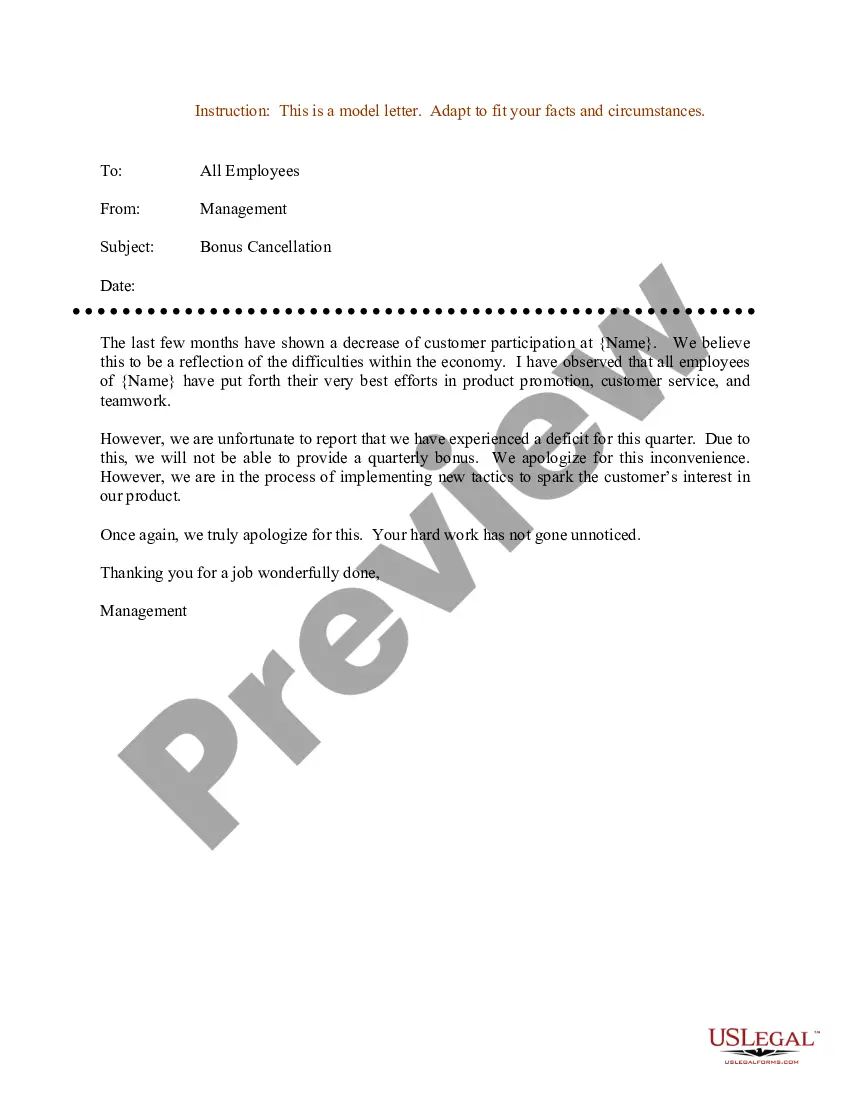
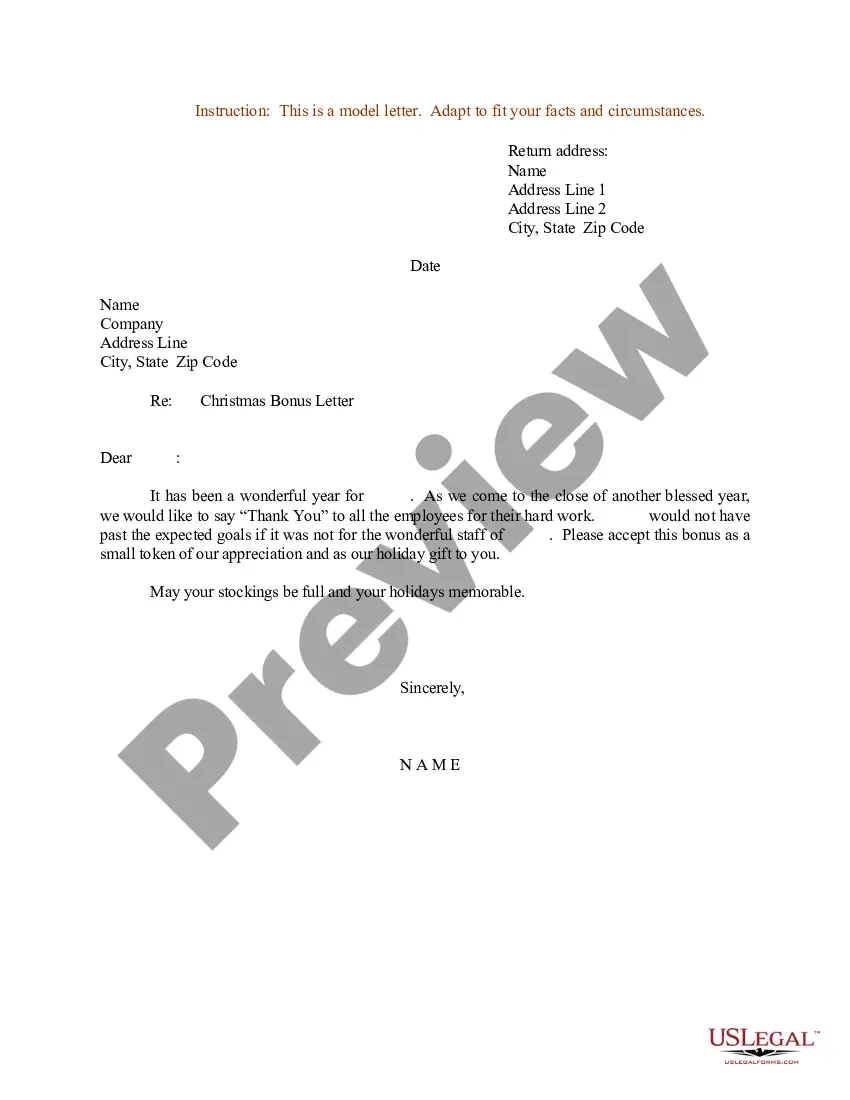
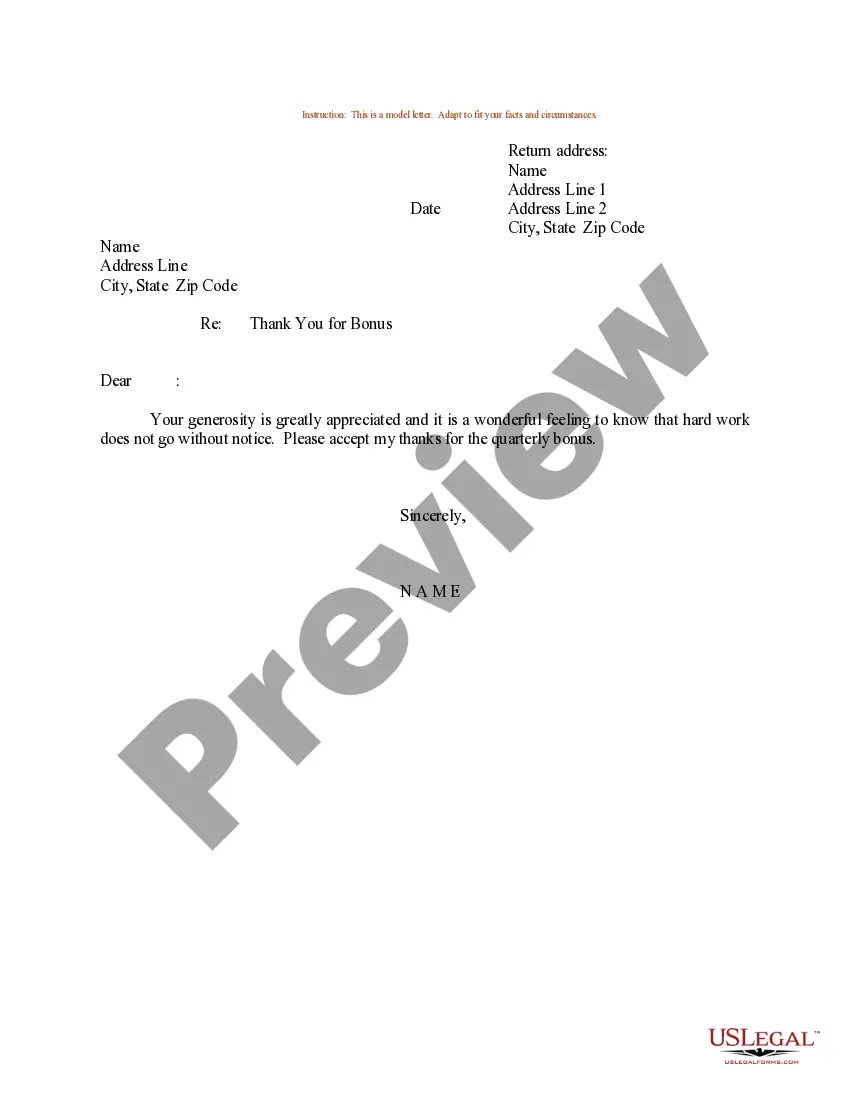
Get your form ready online
Our built-in tools help you complete, sign, share, and store your documents in one place.
Make edits, fill in missing information, and update formatting in US Legal Forms—just like you would in MS Word.
Download a copy, print it, send it by email, or mail it via USPS—whatever works best for your next step.
Sign and collect signatures with our SignNow integration. Send to multiple recipients, set reminders, and more. Go Premium to unlock E-Sign.
If this form requires notarization, complete it online through a secure video call—no need to meet a notary in person or wait for an appointment.
We protect your documents and personal data by following strict security and privacy standards.

Make edits, fill in missing information, and update formatting in US Legal Forms—just like you would in MS Word.

Download a copy, print it, send it by email, or mail it via USPS—whatever works best for your next step.

Sign and collect signatures with our SignNow integration. Send to multiple recipients, set reminders, and more. Go Premium to unlock E-Sign.

If this form requires notarization, complete it online through a secure video call—no need to meet a notary in person or wait for an appointment.

We protect your documents and personal data by following strict security and privacy standards.
Looking for another form?
Form popularity
FAQ
What is the formula for a salary bonus? The formula used for the calculation of bonus is as follows: Applicable Bonus = Your Salary x 8.33/100.
Multiply total sales by total bonus percentage. With total sales and total percentage identified, multiply the two values together. $14,000 x .03 = $420Alana earned $420 in sales commission for the weekend. Multiply employee salary by percentage. Determine a monthly amount. Determine a yearly amount.
One of the easiest ways to set a bonus structure is to reward employees with a percentage of their sales throughout the year. For example, you might choose to give an average holiday bonus of 5%. In this case, you'd multiply the sales of each employee by 5% to determine their bonus.
A sales bonus is calculated by applying the agreed-upon bonus percentage to the amount sold. For example, if someone sells $100,000 over their OTE and was told they would receive a 10% bonus for doing so, that rep would earn a sales bonus of $10,000.
Here are some key factors to consider: Alignment with company goals: The bonus structure should be aligned with the overall goals and objectives of the company. Fairness and equity: The bonus structure should be fair and equitable, with clear and transparent criteria for determining eligibility and payouts.
I would say have a basic, then reward by time at company, reward by commission (this will include individual performance. Then a bonus if the company has done well. Do not change the format once you have decided.
The sales bonus amount: To calculate the sales bonus amount, multiply the employee's total sales by the sales bonus percentage. For example, if an employee has made $10,000 in sales and the sales bonus percentage is 10%, the sales bonus amount would be $1,000.
If you're asking for a bonus for a specific project, provide facts and figures about the outcome of the project and how it exceeded the stakeholders' requirements. If you're asking for a bonus for more general reasons, offer details about why you deserve it.
One of the most common types of bonus is an annual bonus, which employers give out once a year. Annual bonuses are usually based on your overall performance, although companies who use profit-sharing rewards may distribute bonuses based on company success and profits.

