Burial Plot Transfer Fee In North Carolina
Description
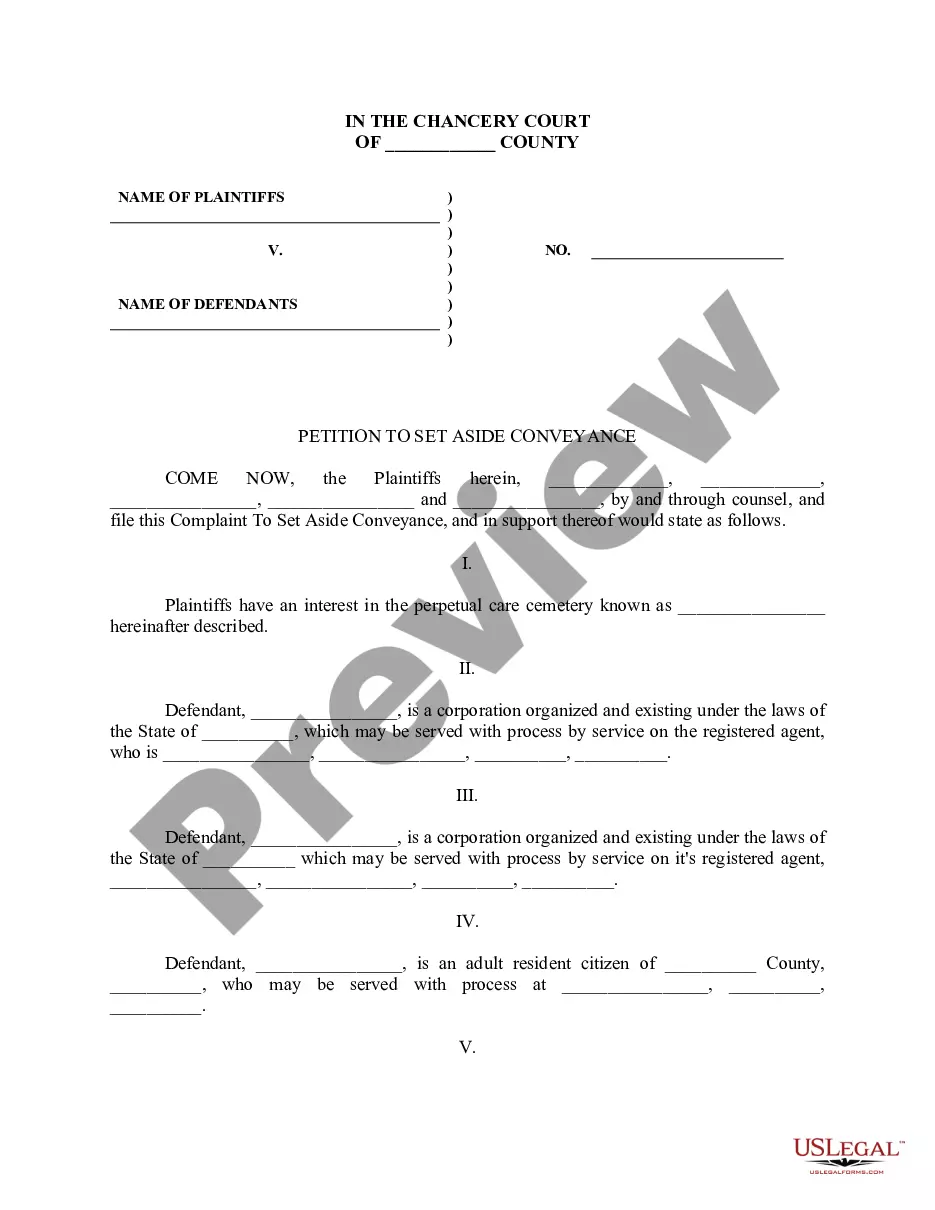
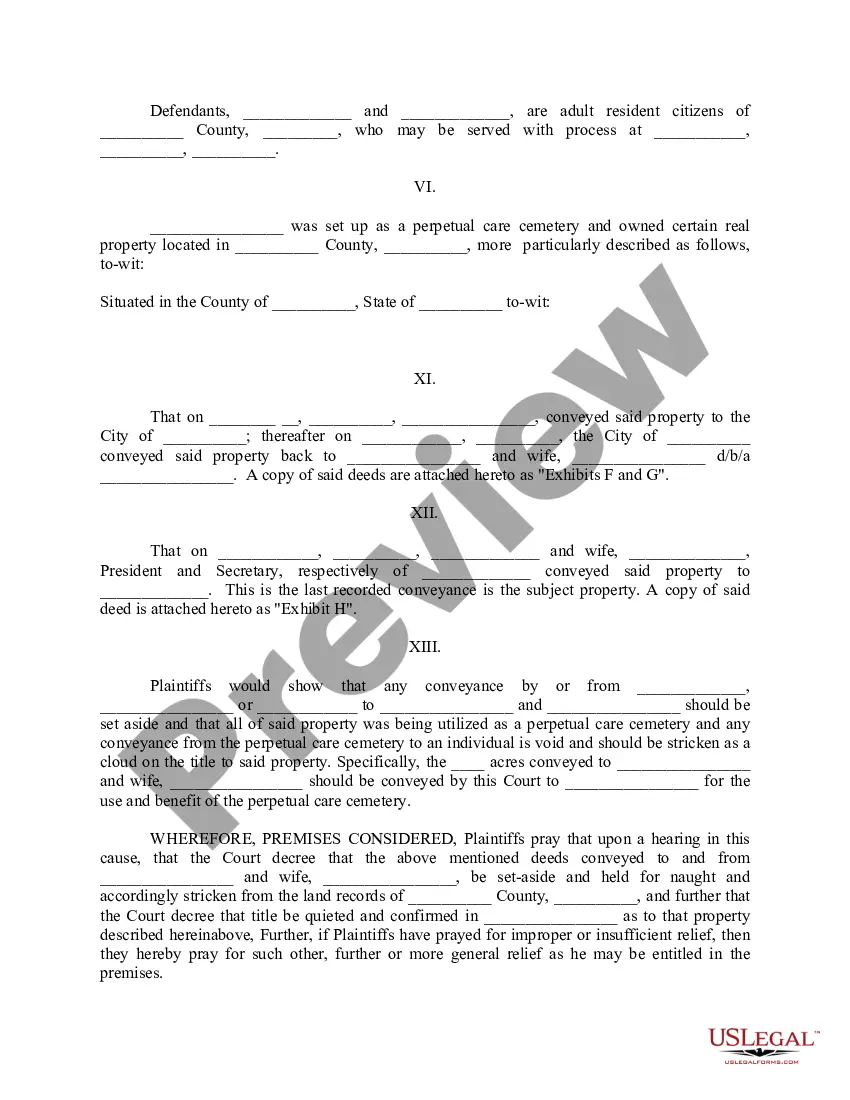

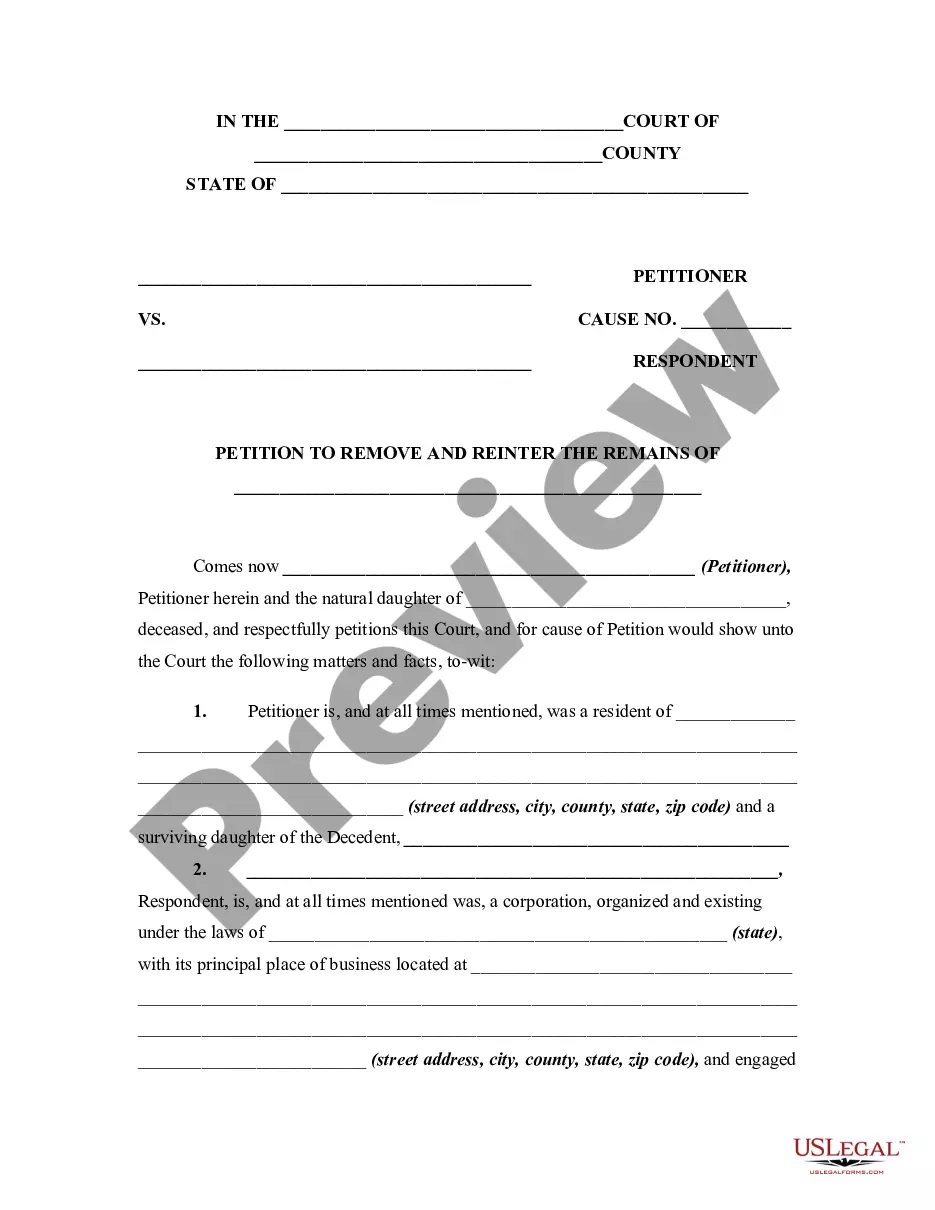
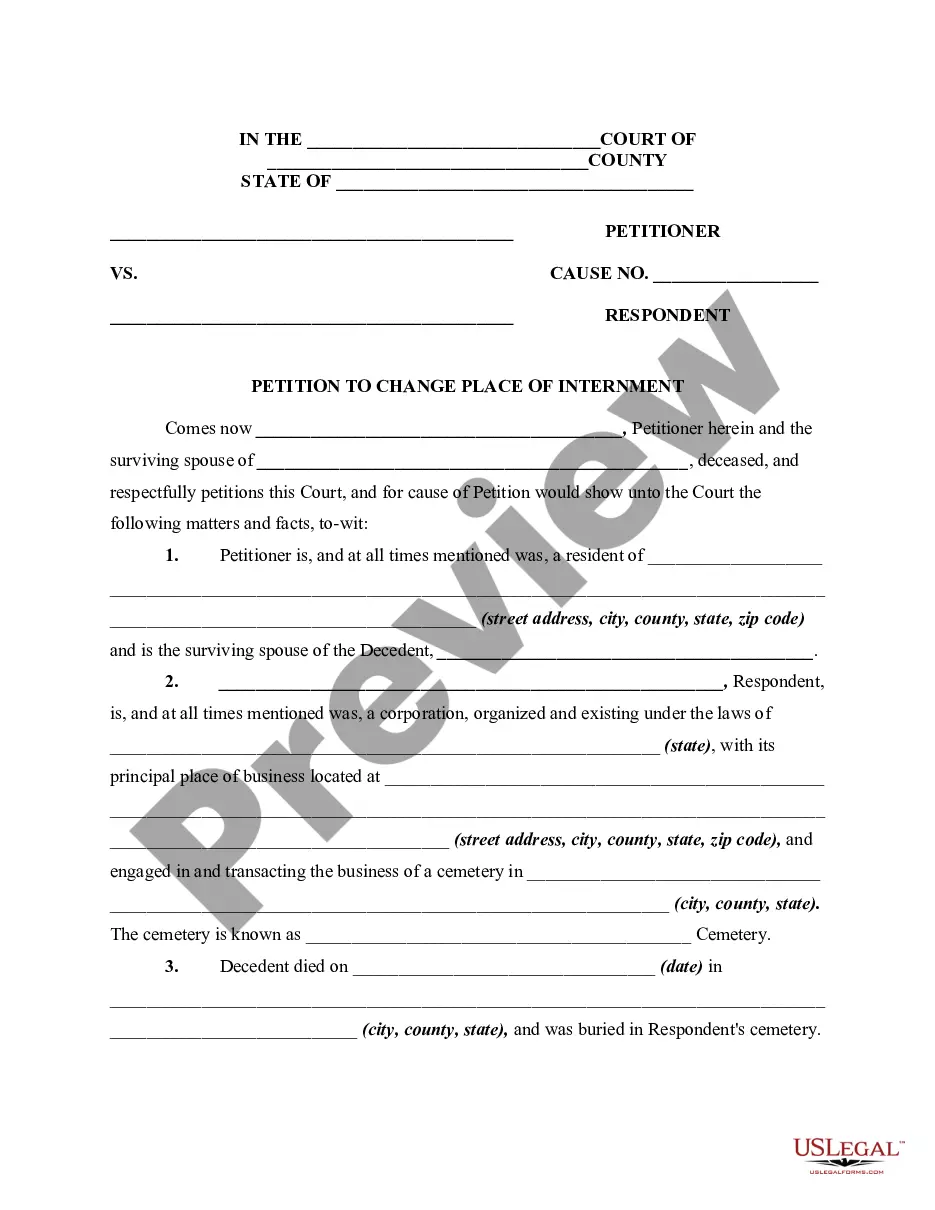
Get your form ready online
Our built-in tools help you complete, sign, share, and store your documents in one place.
Make edits, fill in missing information, and update formatting in US Legal Forms—just like you would in MS Word.
Download a copy, print it, send it by email, or mail it via USPS—whatever works best for your next step.
Sign and collect signatures with our SignNow integration. Send to multiple recipients, set reminders, and more. Go Premium to unlock E-Sign.
If this form requires notarization, complete it online through a secure video call—no need to meet a notary in person or wait for an appointment.
We protect your documents and personal data by following strict security and privacy standards.

Make edits, fill in missing information, and update formatting in US Legal Forms—just like you would in MS Word.

Download a copy, print it, send it by email, or mail it via USPS—whatever works best for your next step.

Sign and collect signatures with our SignNow integration. Send to multiple recipients, set reminders, and more. Go Premium to unlock E-Sign.

If this form requires notarization, complete it online through a secure video call—no need to meet a notary in person or wait for an appointment.

We protect your documents and personal data by following strict security and privacy standards.
Looking for another form?



Form popularity
FAQ
No. Cemetery property is owned by the cemetery corporation. The real property is not sold. The lot “owner” receives three privileges: the right of burial, the right to memorialize and the right to vote at lot owner meetings.
This is one of the first questions people ask when buying a burial plot, and the answer is no. In the U.S., a purchased cemetery plot belongs to you forever. In some instances, however, if a cemetery is considered “abandoned,” the state can reclaim the land and discontinue interments.
Most cemeteries create at least three basic records: a chronological record of burials, a ledger that shows the identity and date of the plots, and a deed to the lot. Funeral homes may have helpful documents.
How to Transfer Ownership of a Burial Plot Step 1 – Get the Deed From the Cemetery. Step 2 – Review the State and Local Laws. Step 3 – Prove You Are the Current Owner. Step 4 – Fill Out the Cemetery Plot Deed Transfer Form. Step 5 – Complete the Transfer and Get the New Deed.
How to Transfer Ownership of a Burial Plot Step 1 – Get the Deed From the Cemetery. Step 2 – Review the State and Local Laws. Step 3 – Prove You Are the Current Owner. Step 4 – Fill Out the Cemetery Plot Deed Transfer Form. Step 5 – Complete the Transfer and Get the New Deed.
Cemetery relocations require notification of and the solicitation of input from the next of kin, families and stakeholders.
Cemetery Relocation | Burial Relocations | Archaeology Digs | Chicora Foundation.
Moving a grave requires an exhumation license, state permits, and other paperwork that could become costly. Proper authorities, under the direction of an environmental health officer, have to oversee the process of having the body exhumed, and you have to have a funeral director present.