Attorney Client Privilege Former Employees In Philadelphia
Description

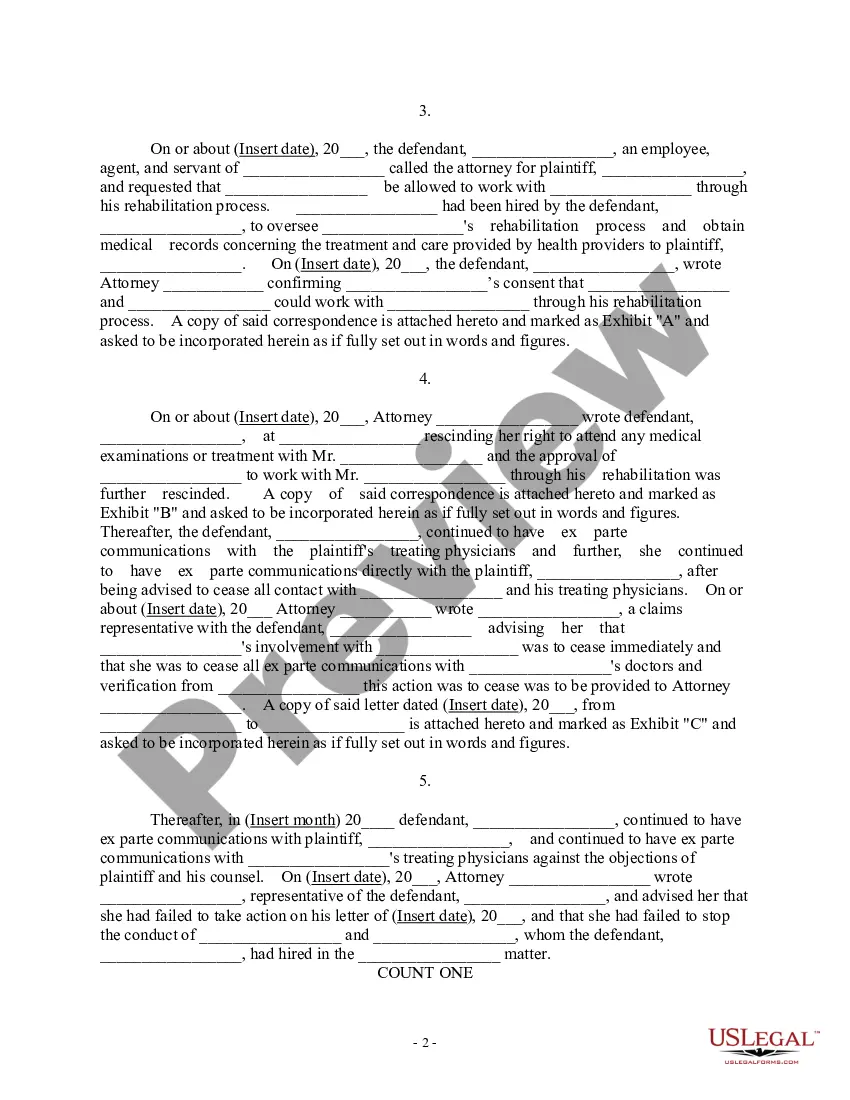
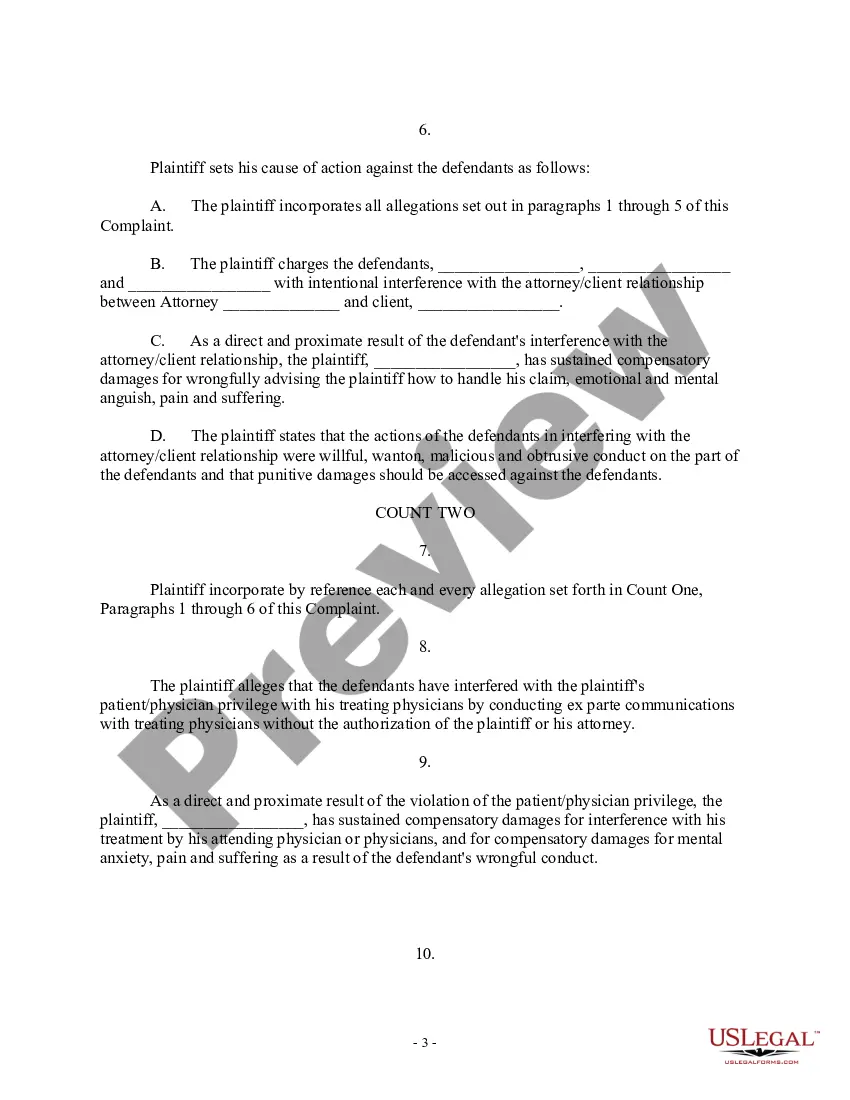
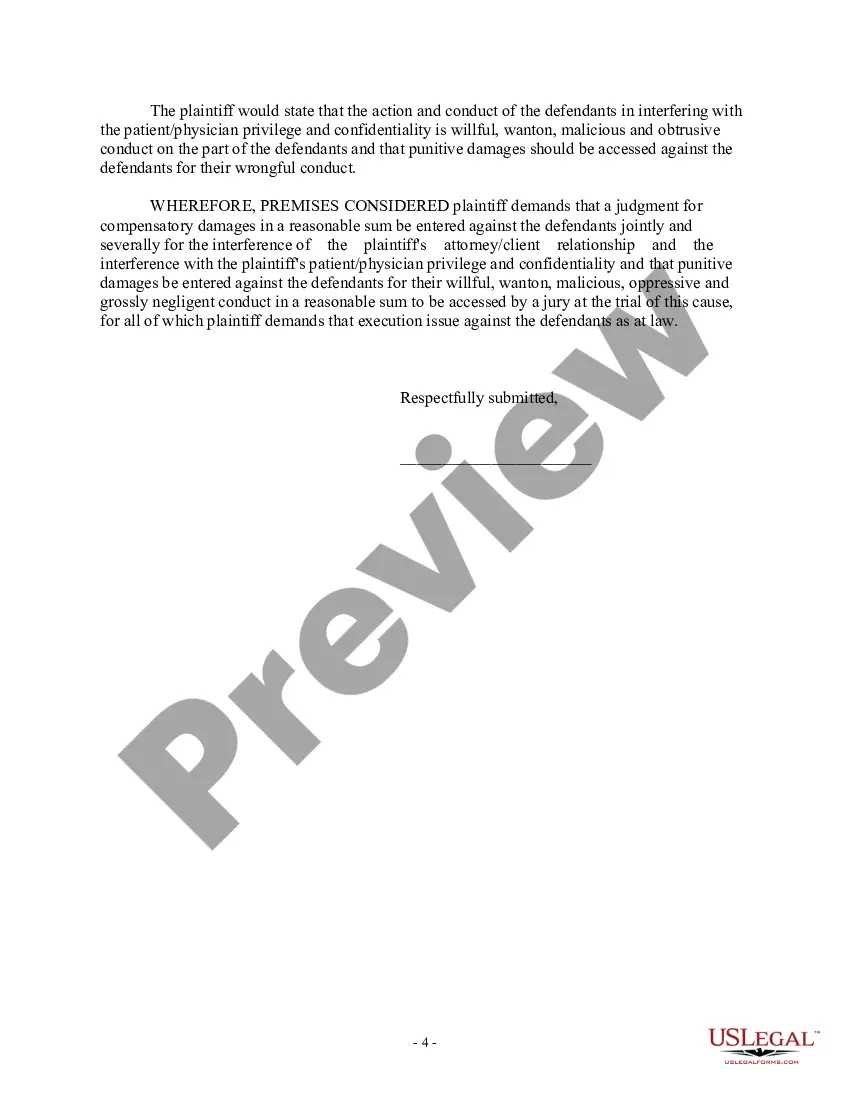




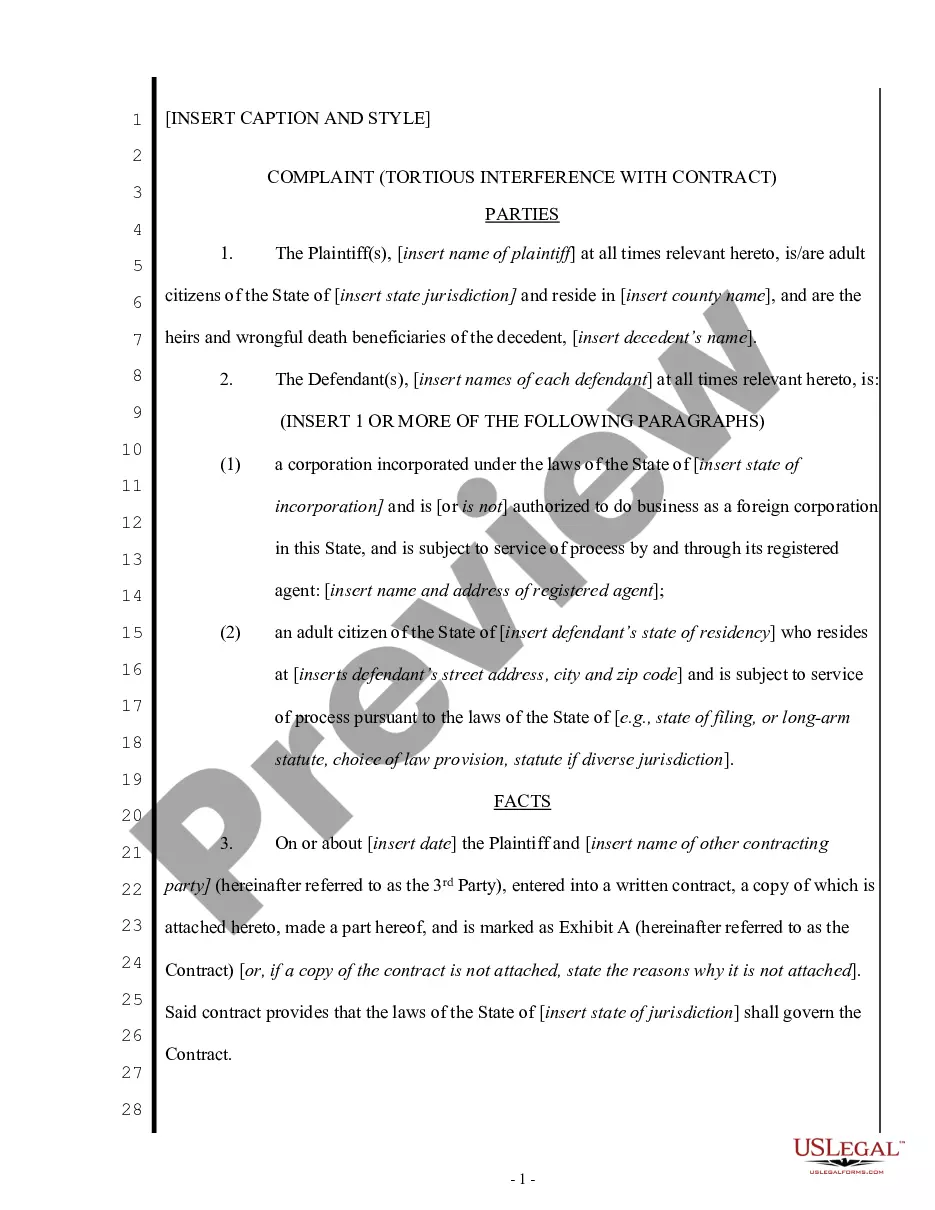
Get your form ready online
Our built-in tools help you complete, sign, share, and store your documents in one place.
Make edits, fill in missing information, and update formatting in US Legal Forms—just like you would in MS Word.
Download a copy, print it, send it by email, or mail it via USPS—whatever works best for your next step.
Sign and collect signatures with our SignNow integration. Send to multiple recipients, set reminders, and more. Go Premium to unlock E-Sign.
If this form requires notarization, complete it online through a secure video call—no need to meet a notary in person or wait for an appointment.
We protect your documents and personal data by following strict security and privacy standards.

Make edits, fill in missing information, and update formatting in US Legal Forms—just like you would in MS Word.

Download a copy, print it, send it by email, or mail it via USPS—whatever works best for your next step.

Sign and collect signatures with our SignNow integration. Send to multiple recipients, set reminders, and more. Go Premium to unlock E-Sign.

If this form requires notarization, complete it online through a secure video call—no need to meet a notary in person or wait for an appointment.

We protect your documents and personal data by following strict security and privacy standards.
Looking for another form?









Form popularity
FAQ
Former Employees Can Have Privileged Communications With Their Former Employer's Lawyer, but Cannot Waive Its Privilege.
CRIME/FRAUD EXCEPTION: Pursuant to §90.502(4)(a), there is no attorney-client privilege when the services of the lawyer were sought or obtained to enable or aid anyone to commit or plan to commit what the client knew was a crime or fraud.
Counsel can select anyone who consents to testify on behalf of the corporation. This may be an officer, a director, a managing agent, a former employee, or even a stranger to the corporation hired to serve as a 30(b)(6) witness.
An exception is to further a crime or fraud. Suppose your conversation with an attorney includes a plan to commit a crime or fraud. In that case, the attorney-client privilege doesn't apply. Also, there is imminent death or harm.
Crime or Fraud Exception. If a client seeks advice from an attorney to assist with the furtherance of a crime or fraud or the post-commission concealment of the crime or fraud, then the communication is not privileged.