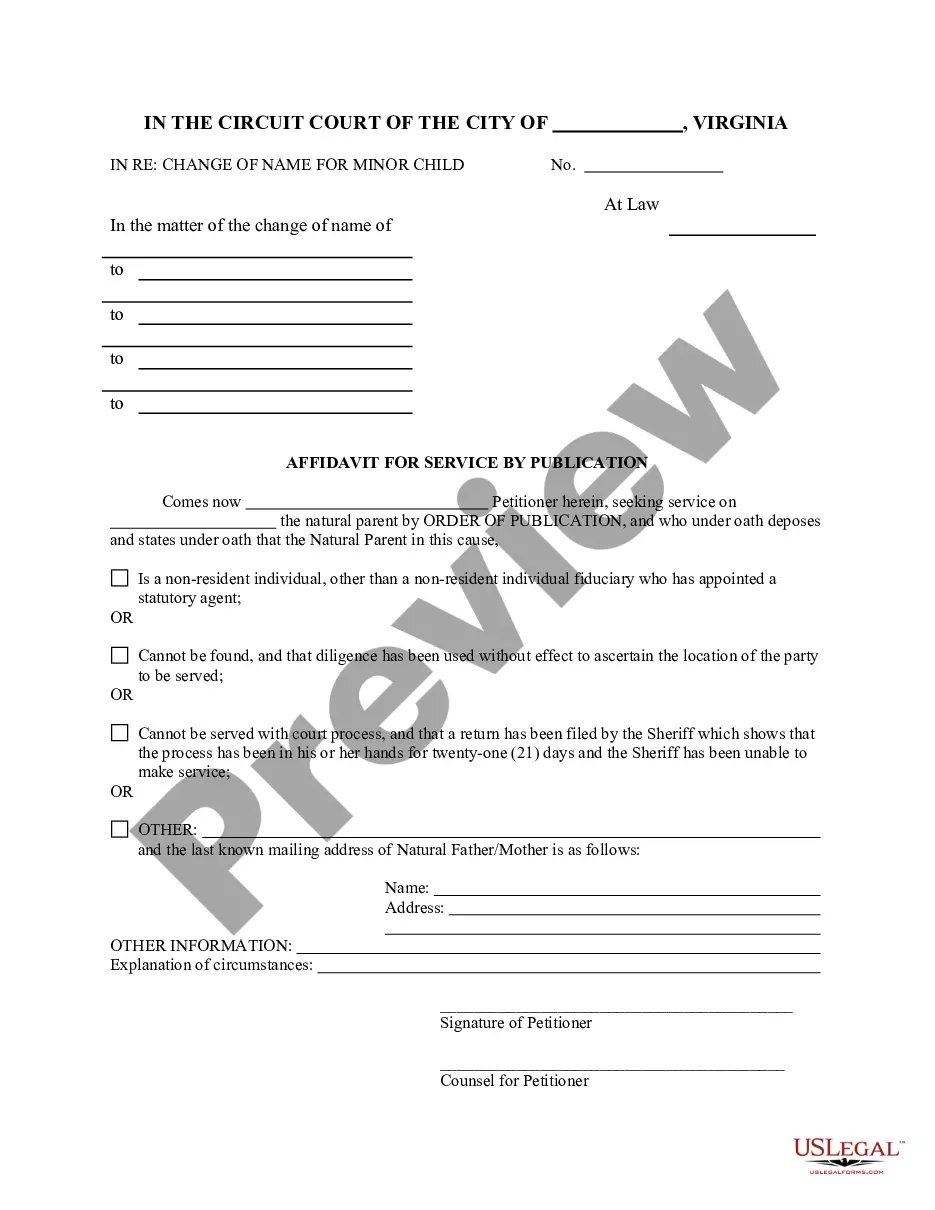
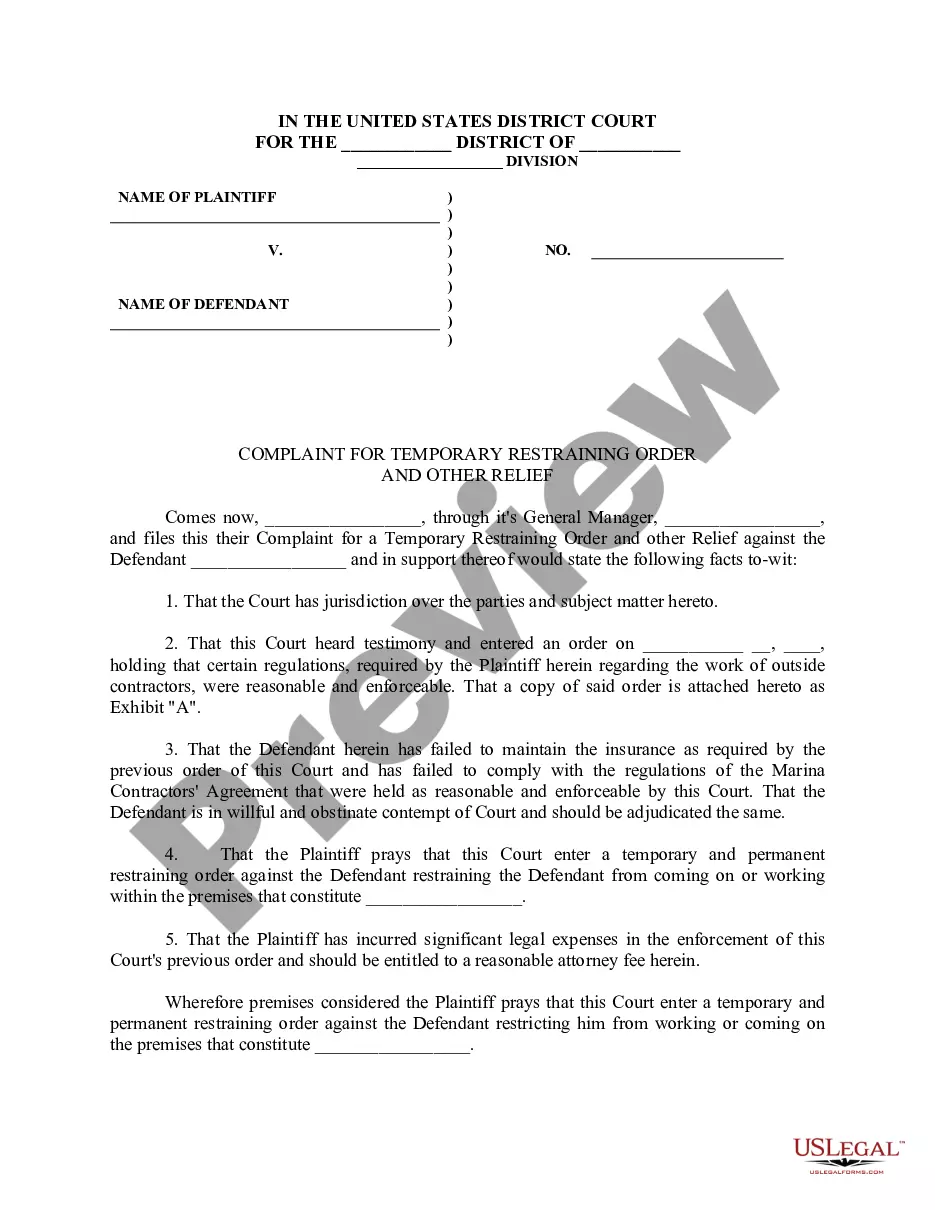
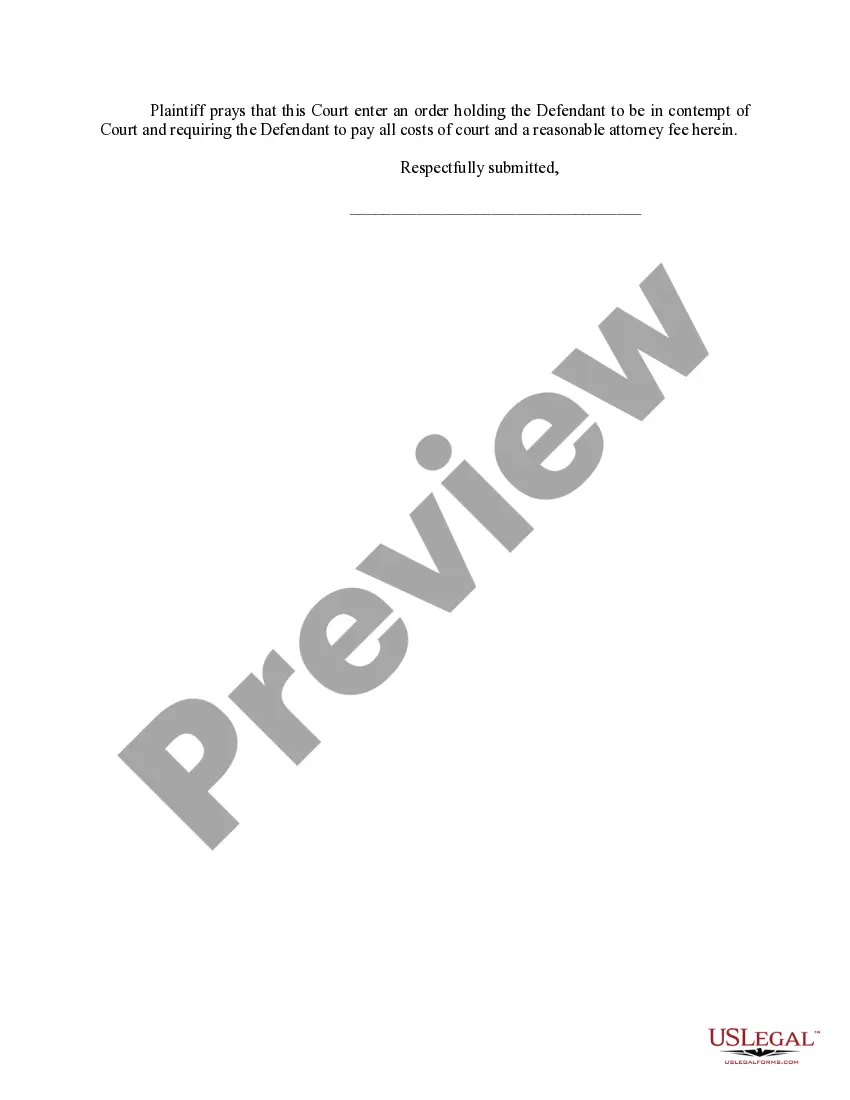
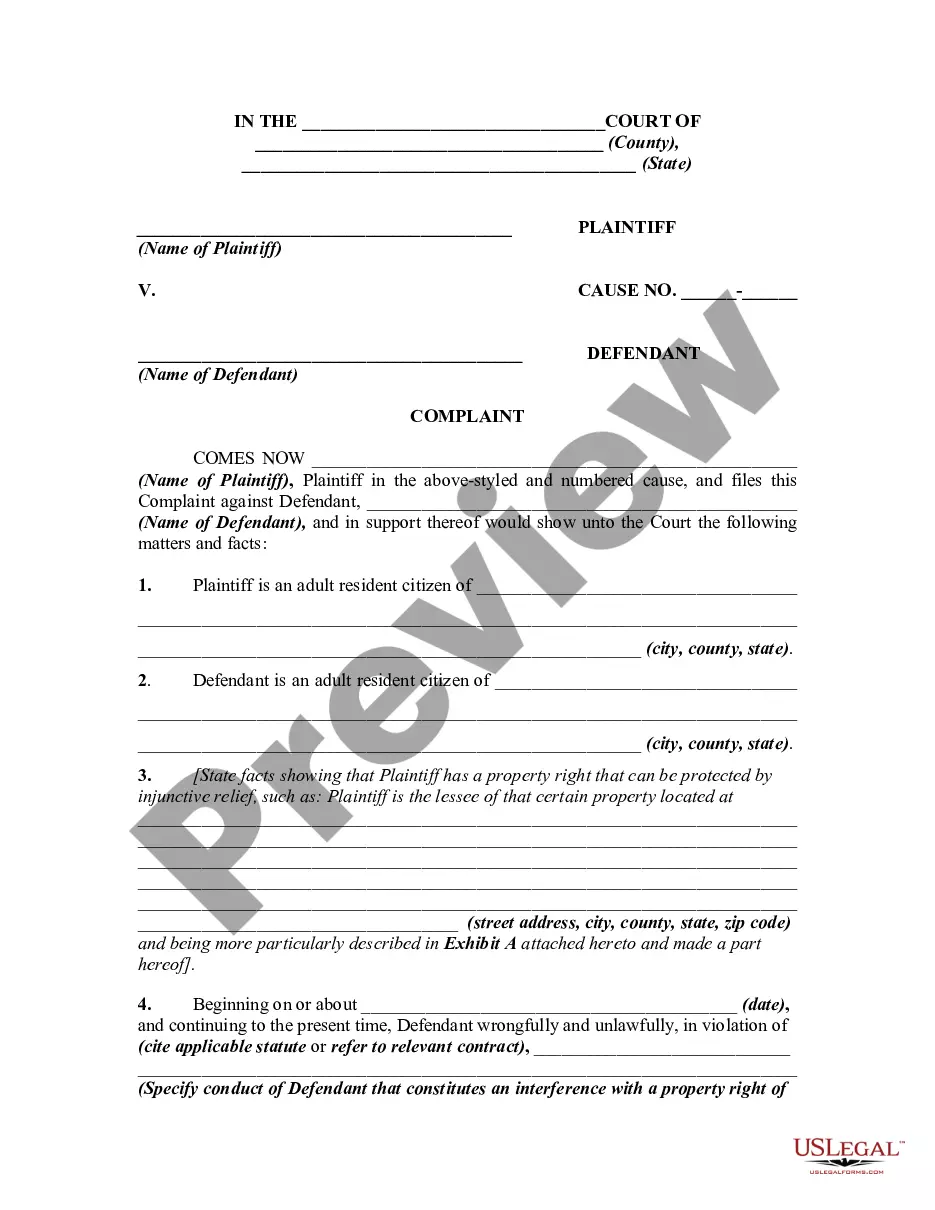
Sample Restraining Order Form With Attorney In Michigan
Description

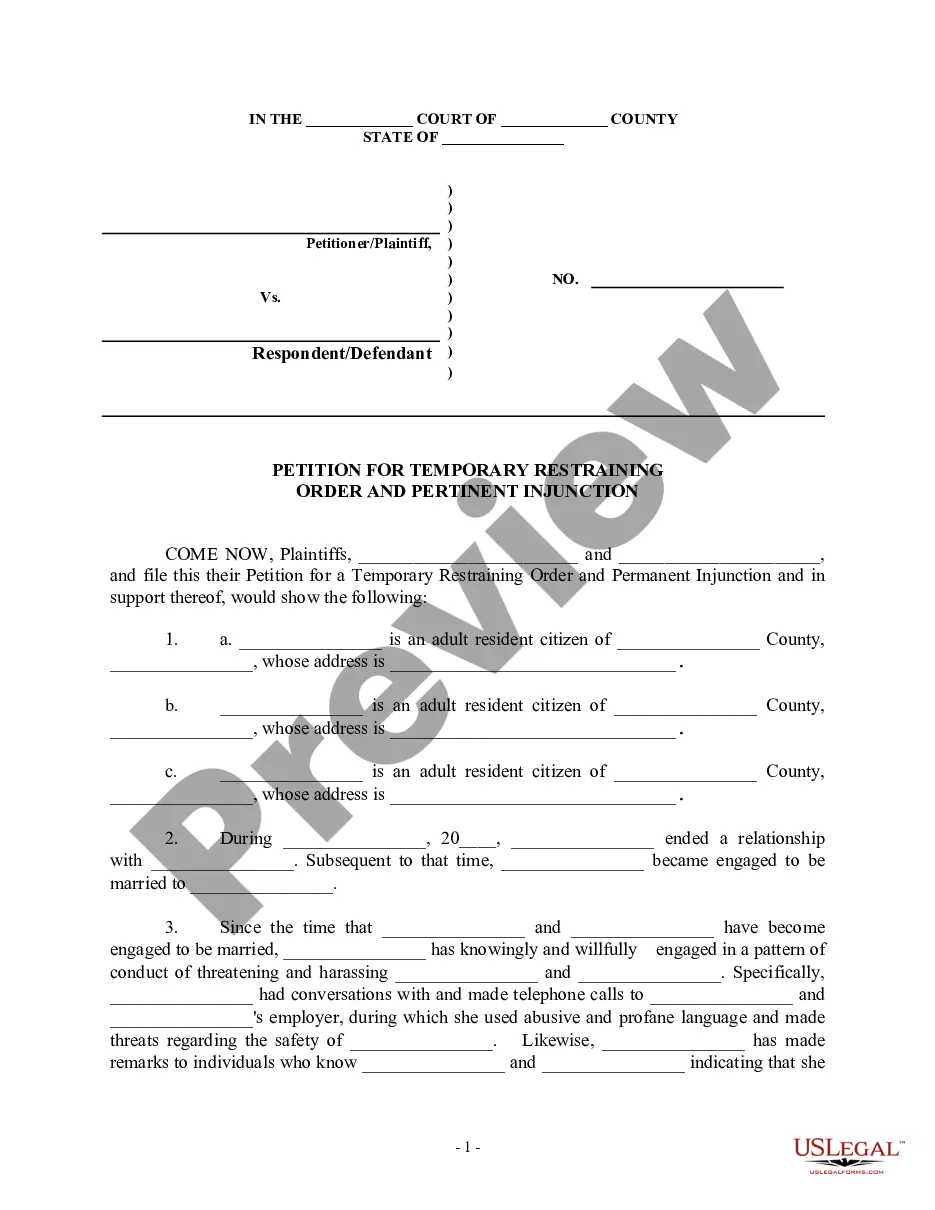

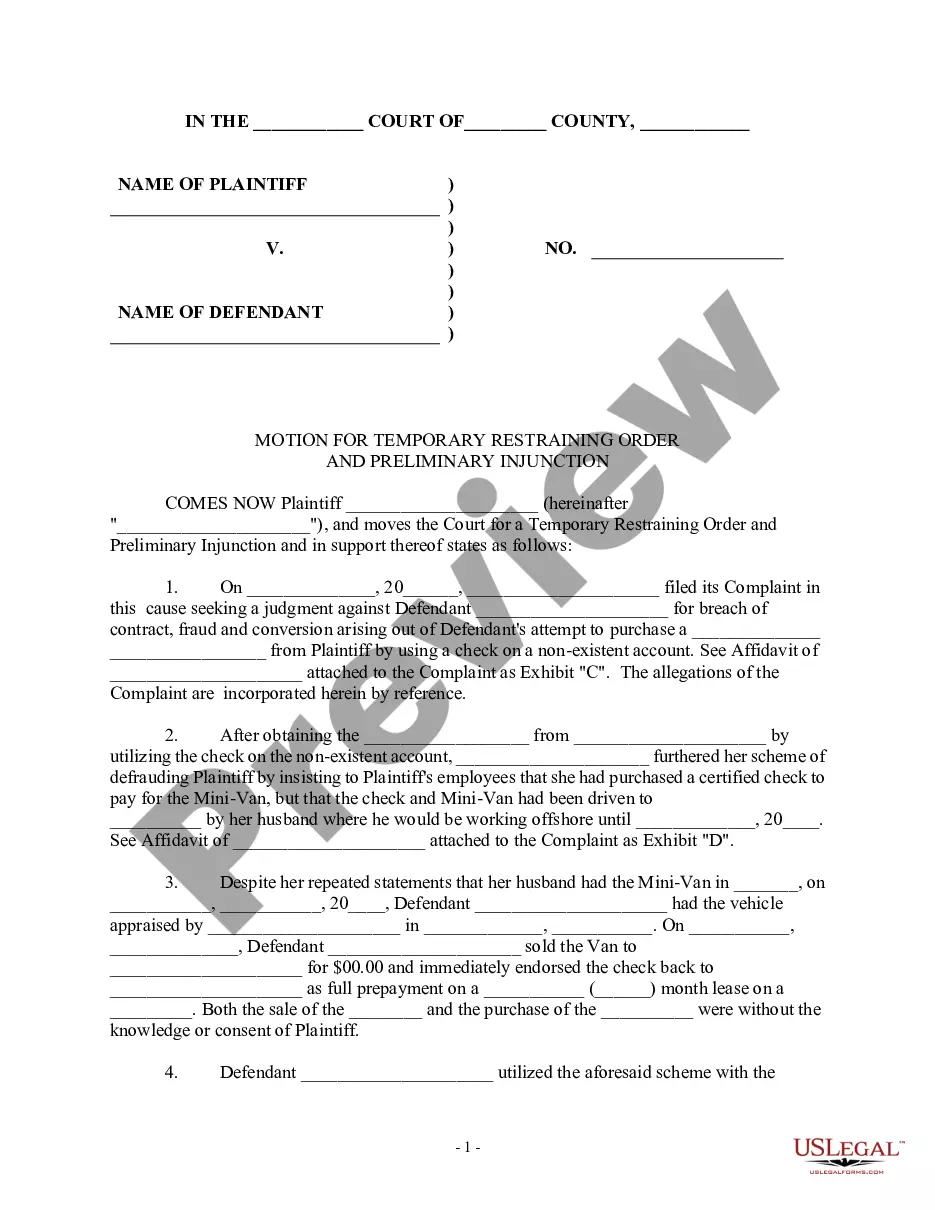
Get your form ready online
Our built-in tools help you complete, sign, share, and store your documents in one place.
Make edits, fill in missing information, and update formatting in US Legal Forms—just like you would in MS Word.
Download a copy, print it, send it by email, or mail it via USPS—whatever works best for your next step.
Sign and collect signatures with our SignNow integration. Send to multiple recipients, set reminders, and more. Go Premium to unlock E-Sign.
If this form requires notarization, complete it online through a secure video call—no need to meet a notary in person or wait for an appointment.
We protect your documents and personal data by following strict security and privacy standards.

Make edits, fill in missing information, and update formatting in US Legal Forms—just like you would in MS Word.

Download a copy, print it, send it by email, or mail it via USPS—whatever works best for your next step.

Sign and collect signatures with our SignNow integration. Send to multiple recipients, set reminders, and more. Go Premium to unlock E-Sign.

If this form requires notarization, complete it online through a secure video call—no need to meet a notary in person or wait for an appointment.

We protect your documents and personal data by following strict security and privacy standards.
Looking for another form?








Form popularity
FAQ
You can get a PPO to protect you from someone age 10 or older who is threatening, hurting, stalking, or harassing you. However, parents can't get a PPO to protect them from their child under 18, and children under 18 can't get a PPO to protect them from a parent.
A judge can issue you an ex parte domestic relationship PPO without a full court hearing and without the abuser present. An ex parte domestic relationship PPO is valid for at least 182 days, approximately six months.
To get a domestic relationship PPO, you must show the judge that the abuser is likely to assault, threaten, harass, or stalk you. You must also show that you and the abuser have a domestic relationship. You have a domestic relationship with the abuser if they are: Your current or ex-spouse.
A restraining order (including a personal protection order) is a civil action between citizens. A "no-contact" bond condition can be imposed on a defendant during a pending criminal prosecution. It means that a defendant can not personally, or have a third-party contact, call, write, etc.
A domestic relationship PPO can prohibit the abuser from: Entering your home or another place. Assaulting, attacking, beating, molesting, or wounding you or another person. Threatening to or physically injure you or another person.
A restraining order is more about stopping specific actions. You should ask for a PPO if you believe someone might harm you. Domestic violence has become more dangerous in Michigan. With more severe cases, it's important to know how a PPO can protect you from harm.