Types Of Lying And Deception In Phoenix
Description

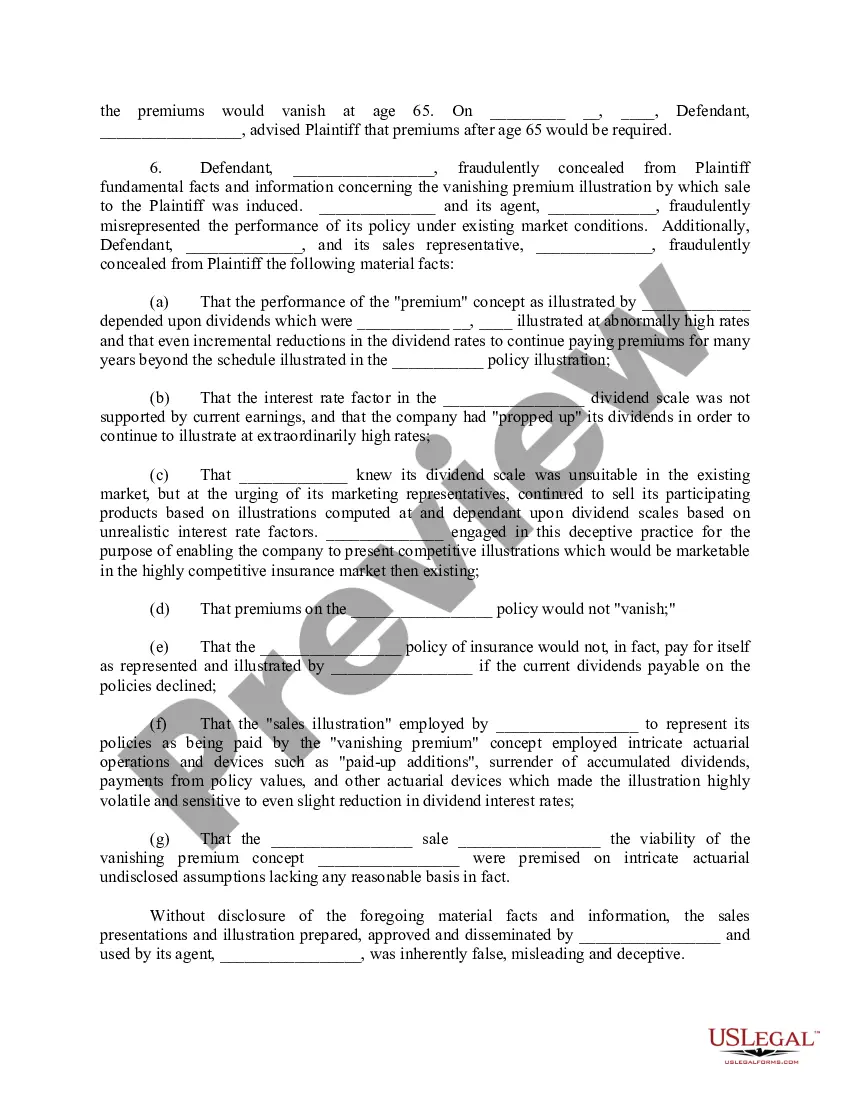
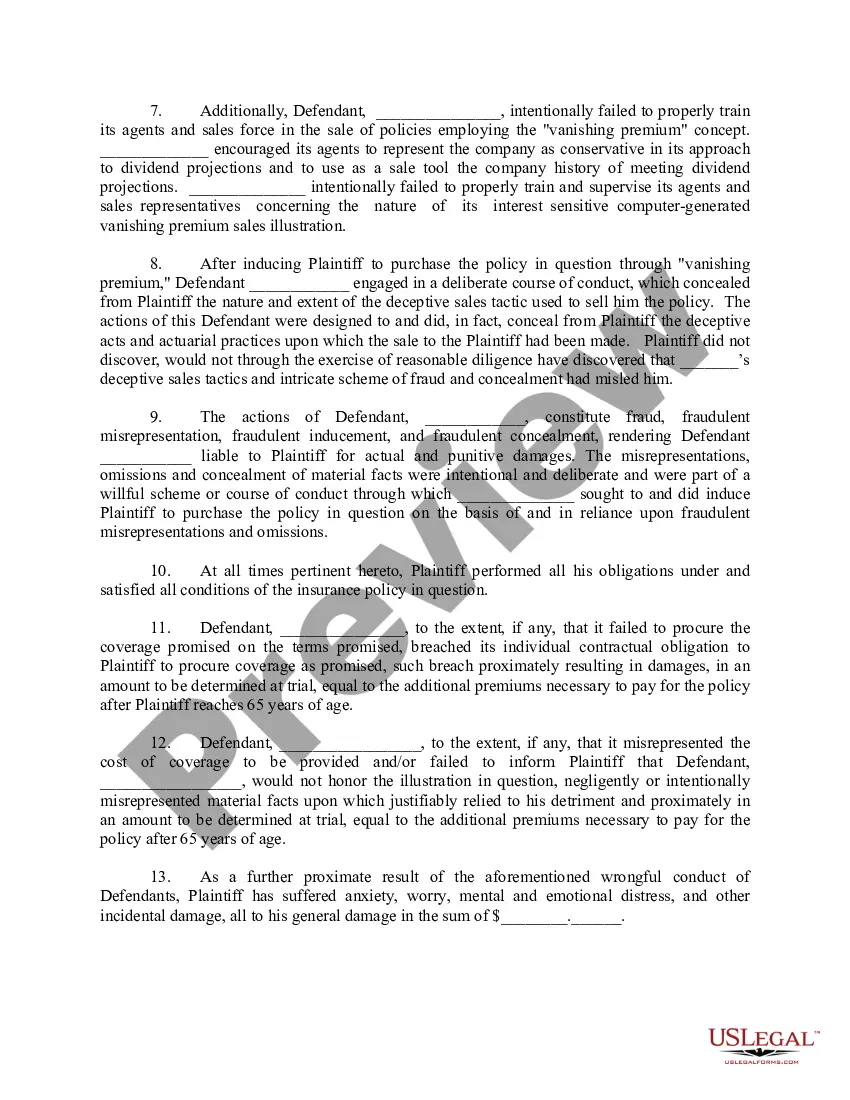
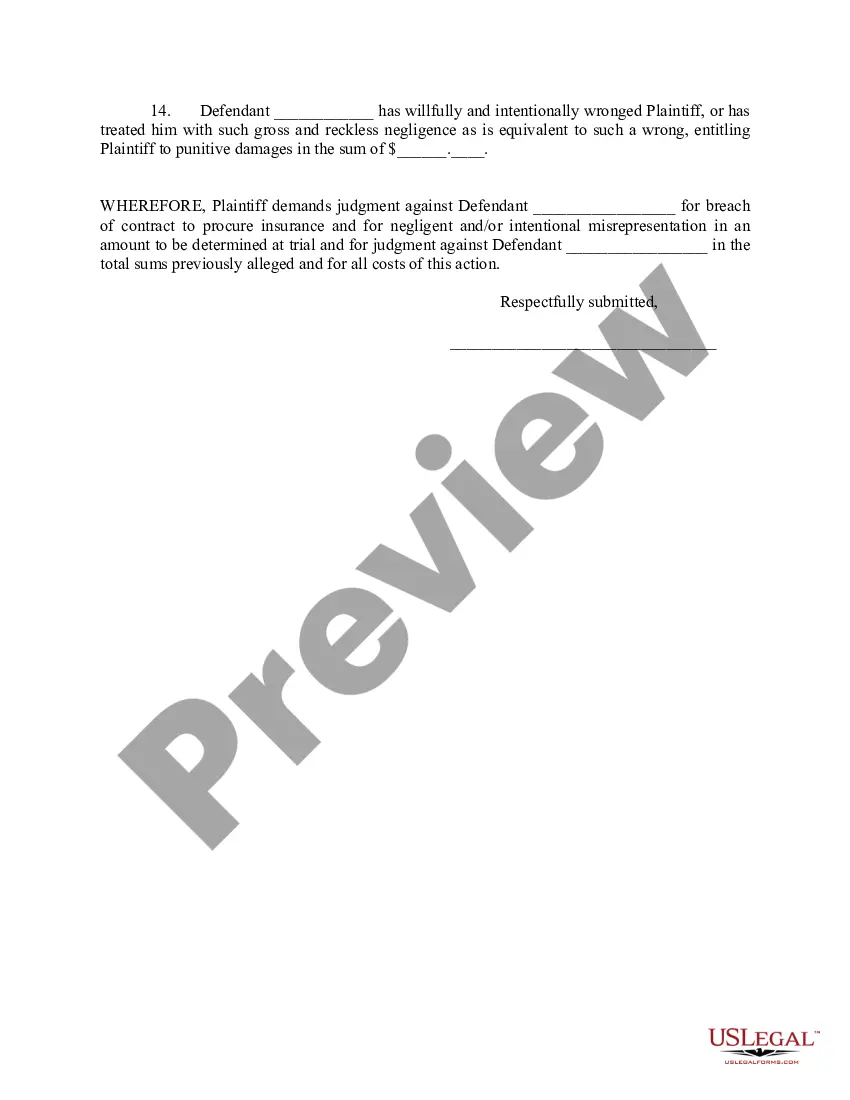



Get your form ready online
Our built-in tools help you complete, sign, share, and store your documents in one place.
Make edits, fill in missing information, and update formatting in US Legal Forms—just like you would in MS Word.
Download a copy, print it, send it by email, or mail it via USPS—whatever works best for your next step.
Sign and collect signatures with our SignNow integration. Send to multiple recipients, set reminders, and more. Go Premium to unlock E-Sign.
If this form requires notarization, complete it online through a secure video call—no need to meet a notary in person or wait for an appointment.
We protect your documents and personal data by following strict security and privacy standards.

Make edits, fill in missing information, and update formatting in US Legal Forms—just like you would in MS Word.

Download a copy, print it, send it by email, or mail it via USPS—whatever works best for your next step.

Sign and collect signatures with our SignNow integration. Send to multiple recipients, set reminders, and more. Go Premium to unlock E-Sign.

If this form requires notarization, complete it online through a secure video call—no need to meet a notary in person or wait for an appointment.

We protect your documents and personal data by following strict security and privacy standards.
Looking for another form?








Form popularity
FAQ
The legal term for an untrue statement is a misrepresentation. There are three types of misrepresentations – innocent, negligent and fraudulent. The most serious type of misrepresentation is a fraudulent misrepresentation. A fraudulent misrepresentation involves a deliberate lie.
In most discussions about verbal deception there are two basic categories of lying that are taken into consideration, the first being lying by omission (or leaving stuff out) and the second being lying by commission (or making stuff up).
Fraud is a specific type of lie with serious legal implications. It involves a false representation of a material fact, made knowingly or recklessly, with the intent that others rely on it and subsequently cause harm or loss.
There's three types of lying normal prolific. And pathological normal line was defined as tellingMoreThere's three types of lying normal prolific. And pathological normal line was defined as telling one to two little lies a day one big lie a week prolific. Lying was telling six little lies.
Example: When asked by your significant other how your day was at work, you say, “Great! I was promoted,” when in reality you were laid off that day.
Watch for inappropriate, unusual, or uncommon behavior. Also watch for common liars' mistakes like mismatching words and body language. They might say “no” while nodding “yes.” They could exhibit strange emotions (laughing when the subject is serious, for example).
Fabrication is typically the most difficult type of lie for an individual to tell; the dishonest person needs to make up their “facts” as they are telling them, which of course makes it harder to remember later.
Filing a Will or Probate Case The Probate Filing Counter is located at 201 W. Jefferson in Phoenix, or at our Southeast location, 222 E. Javelina in Mesa, or at our Northwest Regional Court Center location at 14264 W.
Common bases for suing a company include breach of contract, negligence, product liability, employment discrimination, and fraud. Be sure to have all relevant documents and evidence to support your claim. Jurisdiction and Venue: Ensure that you file your lawsuit in the correct jurisdiction and venue.
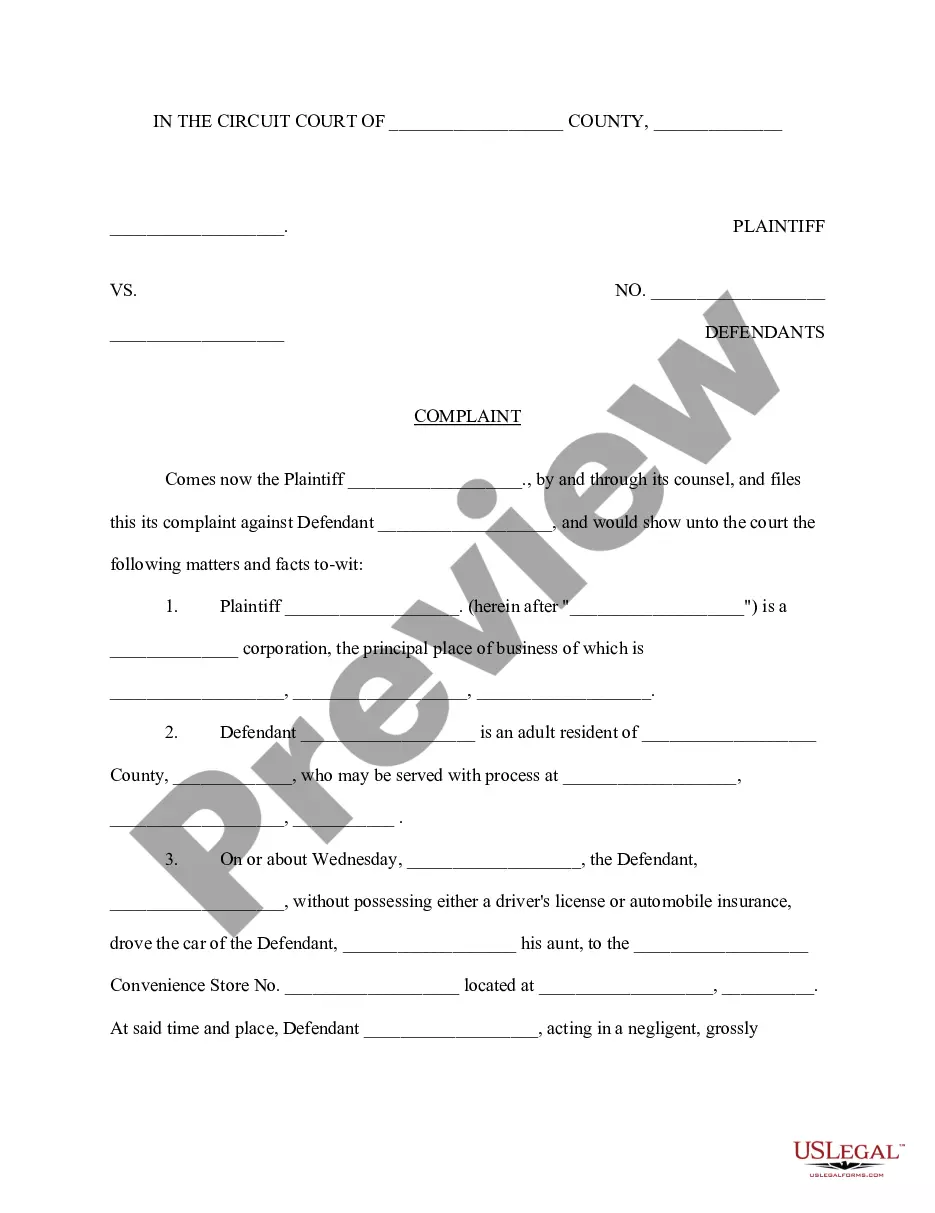
The plaintiff files a document (complaint) with the clerk of the court stating the reasons why the plaintiff is suing the defendant, and what action the plaintiff wants the court to take. A copy of the complaint and a summons are delivered to (served on) the defendant.