Deceptive Trade For Mack In Nassau
Description

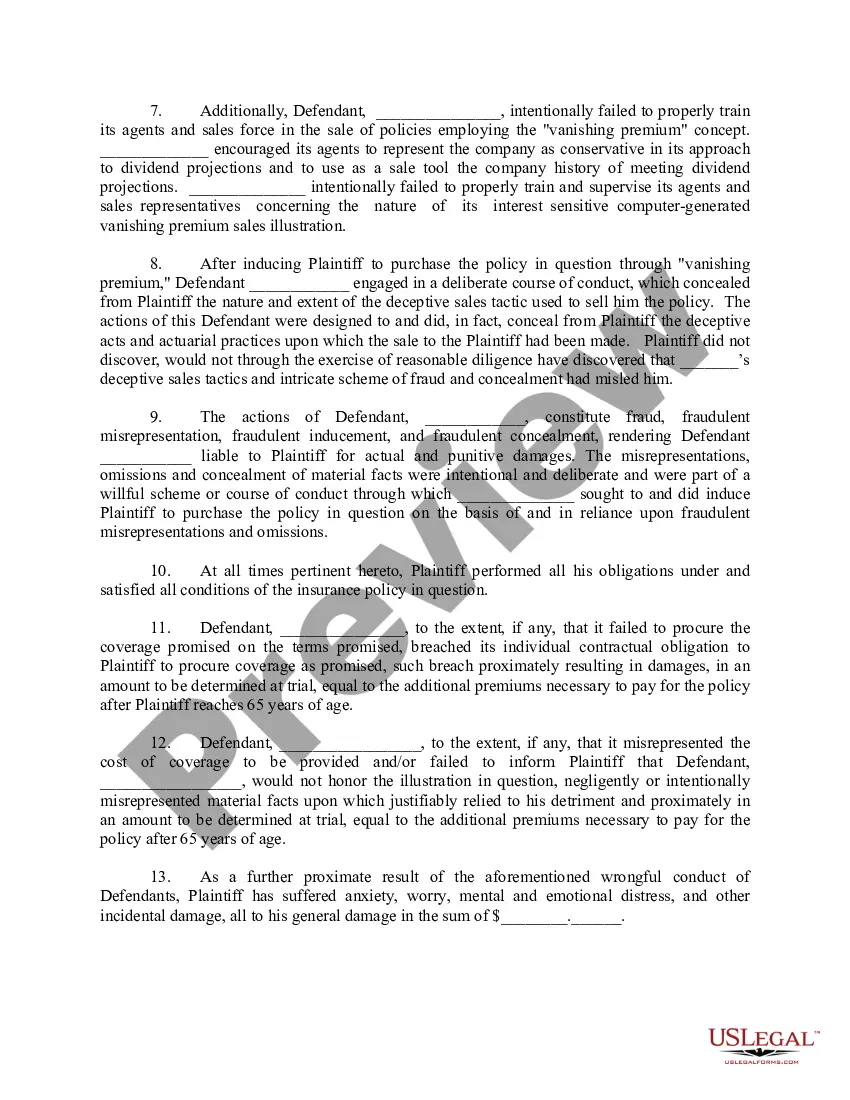
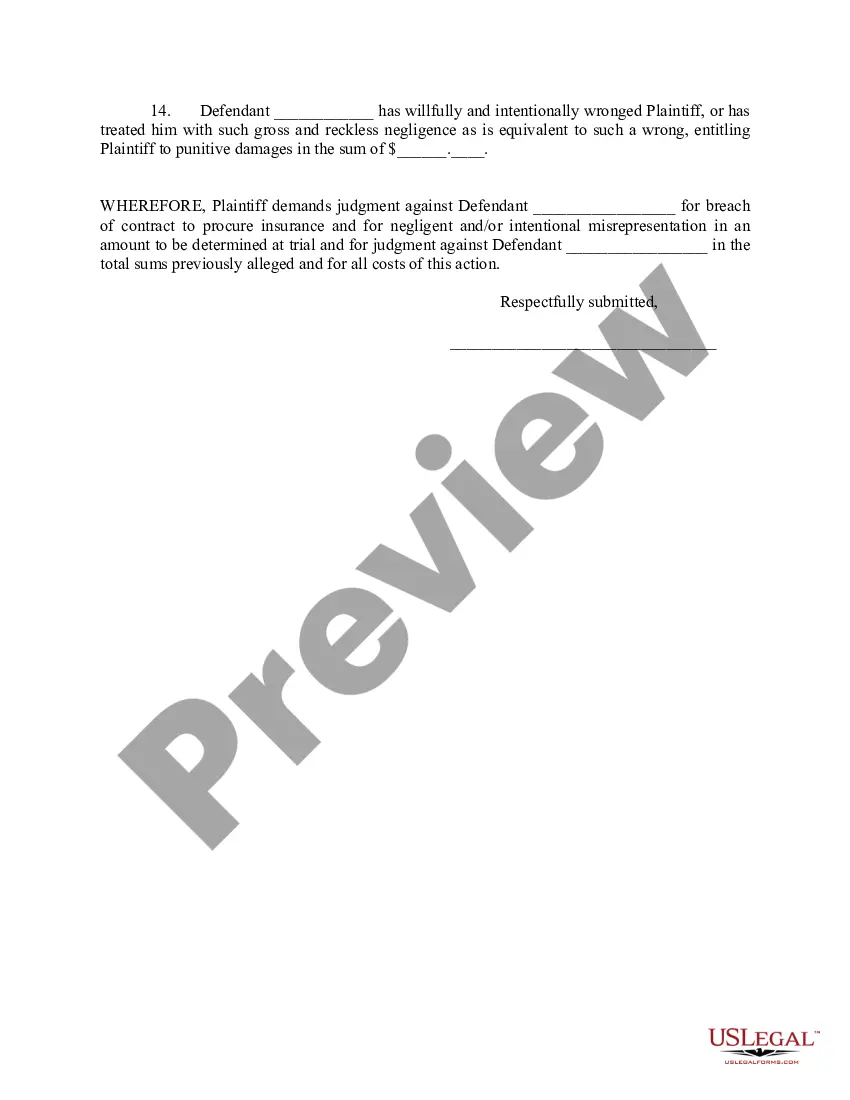

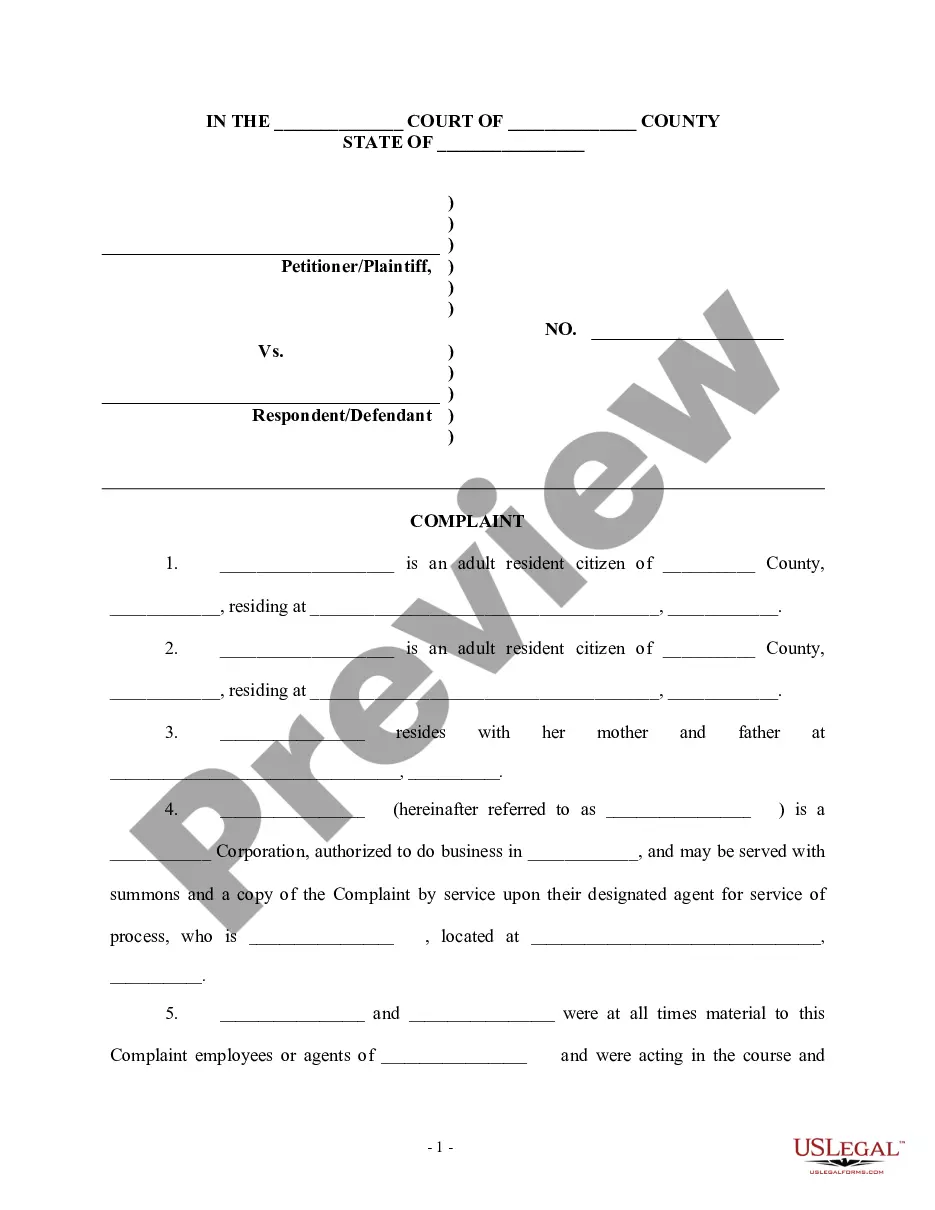
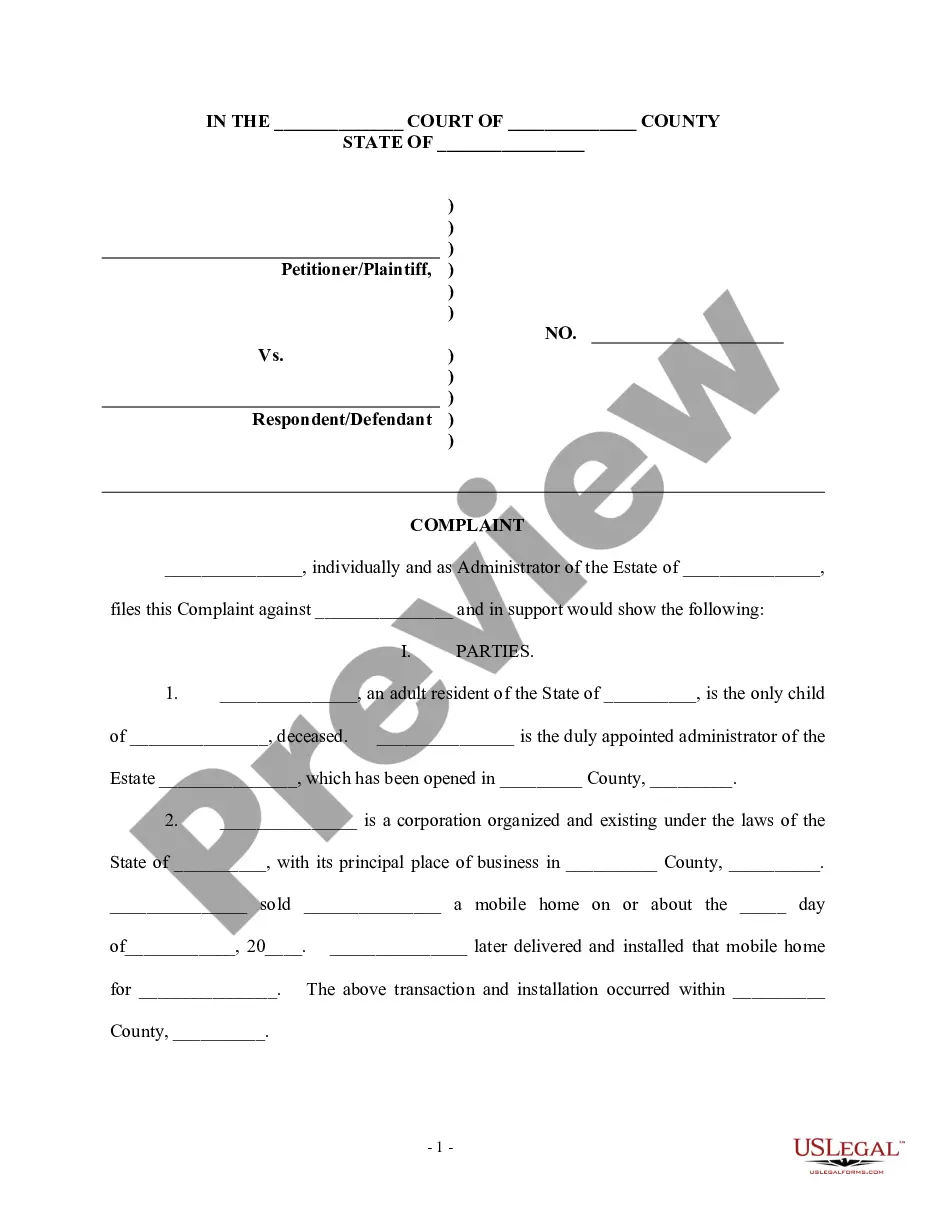
Get your form ready online
Our built-in tools help you complete, sign, share, and store your documents in one place.
Make edits, fill in missing information, and update formatting in US Legal Forms—just like you would in MS Word.
Download a copy, print it, send it by email, or mail it via USPS—whatever works best for your next step.
Sign and collect signatures with our SignNow integration. Send to multiple recipients, set reminders, and more. Go Premium to unlock E-Sign.
If this form requires notarization, complete it online through a secure video call—no need to meet a notary in person or wait for an appointment.
We protect your documents and personal data by following strict security and privacy standards.

Make edits, fill in missing information, and update formatting in US Legal Forms—just like you would in MS Word.

Download a copy, print it, send it by email, or mail it via USPS—whatever works best for your next step.

Sign and collect signatures with our SignNow integration. Send to multiple recipients, set reminders, and more. Go Premium to unlock E-Sign.

If this form requires notarization, complete it online through a secure video call—no need to meet a notary in person or wait for an appointment.

We protect your documents and personal data by following strict security and privacy standards.
Looking for another form?








Form popularity
FAQ
New York General Business Law § 349 (“Section 349”) is a law that protects consumers from deceptive acts and practices. This law gives both the Attorney General and consumers the right to take legal actions against businesses who commit unlawful acts.
When you are ready to file a DTPA lawsuit in Texas, you can't go straight to the courthouse to file your claim. The Deceptive Trade Practices Act requires that you give written notice of your problem to the business at least 60 days before you can file the suit in court.
The primary tool the Office of the Attorney General uses to protect Texas consumers is the Deceptive Trade Practices Act (DTPA). This law lists many practices that are false, deceptive, or misleading. When you fall victim to illegal practices covered by the DTPA, you may have the right to sue for damages under the act.
Deceptive acts and practices unlawful. (a) Deceptive acts or practices in the conduct of any business, trade or commerce or in the furnishing of any service in this state are hereby declared unlawful.
General Business Law § 349 New York's consumer protection statute, General Business Law Section 349, makes it unlawful to engage in deceptive acts or practices in the conduct of any business, trade, or commerce or in the furnishing of any service in the state.
For claims under Section 349, the statute of limitations is three years from the day that the alleged unlawful action occurred.
The essence of an unfair competition claim under New York law is that the defendant misappropriated the fruit of plaintiff's labors and expenditures by obtaining access to plaintiff's business idea either through fraud or deception, or an abuse of a fiduciary or confidential relationship.
File a complaint with government or consumer programs File a complaint with your local consumer protection office. Notify the Better Business Bureau (BBB) in your area about your problem. Report scams and suspicious communications to the Federal Trade Commission.
Yes. If you prefer, you can file a report anonymously. How much information you give is up to you, but filling in your contact information can help if the FTC needs more information from you. We will not automatically share your information with the company, but there are times when we may share it.
If you have been targeted by an illegal business practice or scam, report it at Reportfraud.ftc.