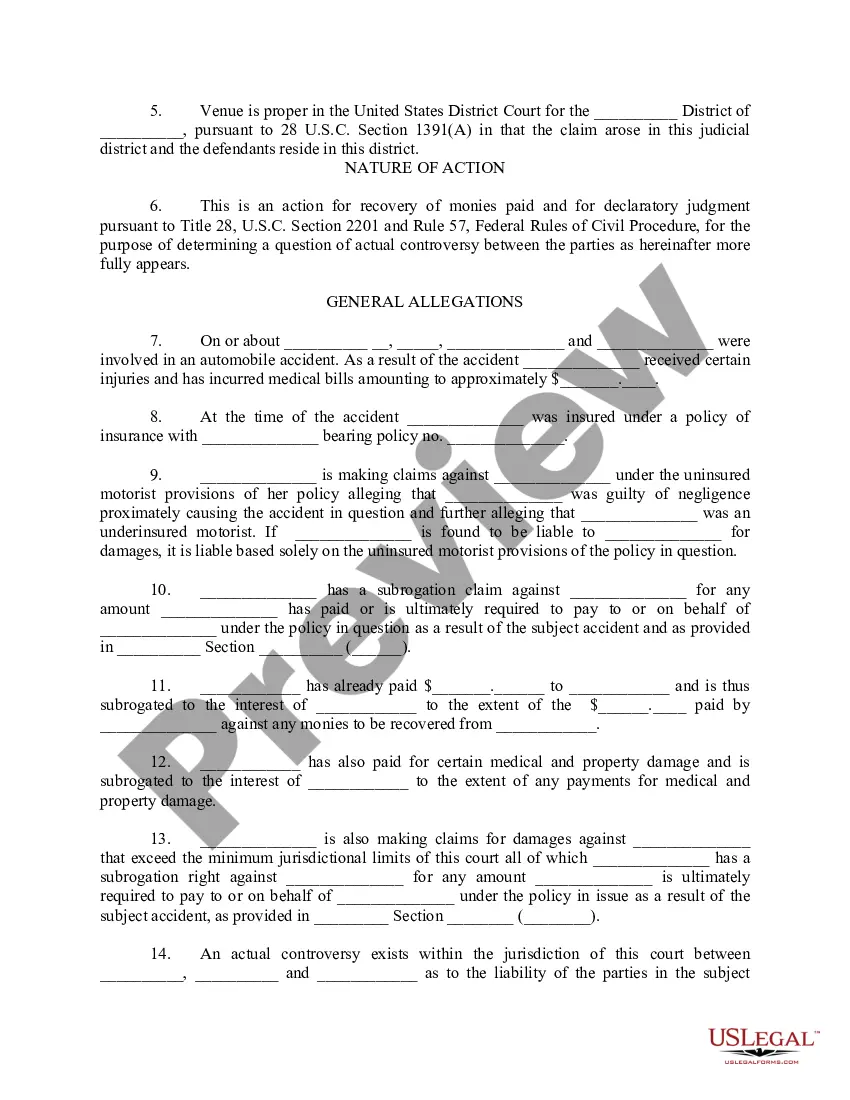
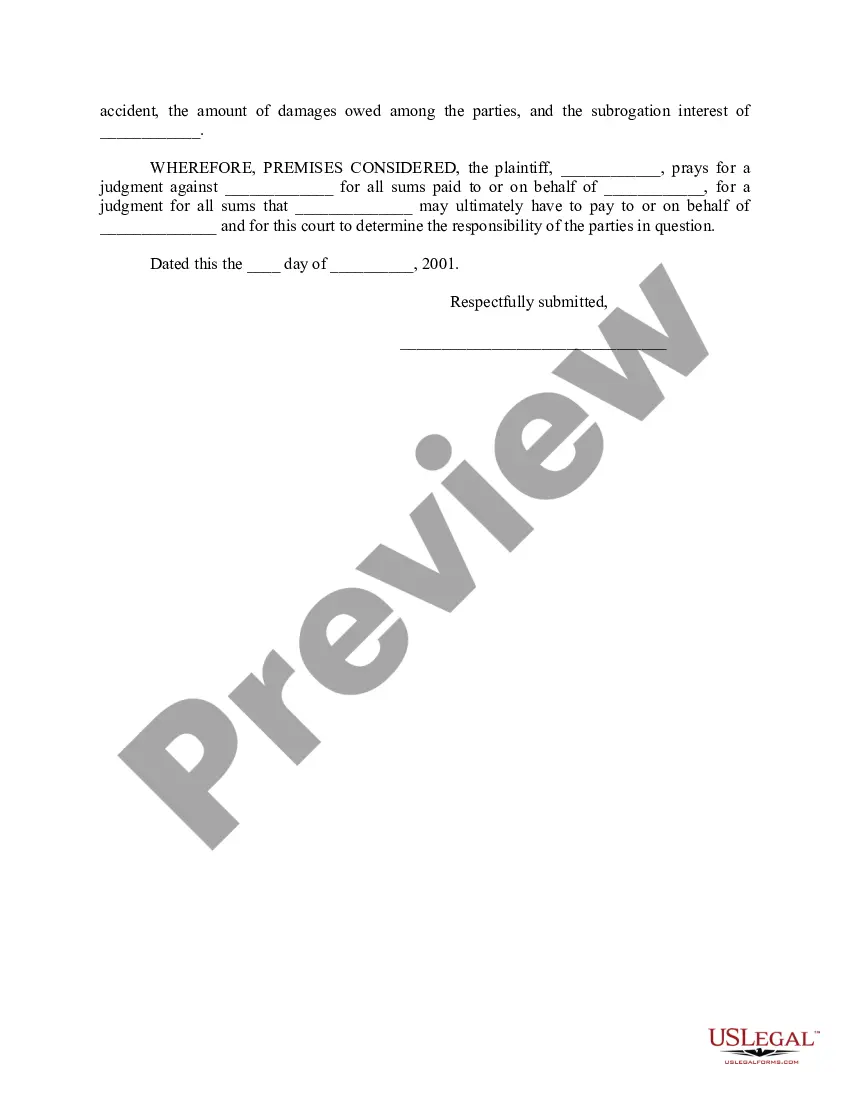
Declaratory Judgment Act With Writing In Queens
Description





Get your form ready online
Our built-in tools help you complete, sign, share, and store your documents in one place.
Make edits, fill in missing information, and update formatting in US Legal Forms—just like you would in MS Word.
Download a copy, print it, send it by email, or mail it via USPS—whatever works best for your next step.
Sign and collect signatures with our SignNow integration. Send to multiple recipients, set reminders, and more. Go Premium to unlock E-Sign.
If this form requires notarization, complete it online through a secure video call—no need to meet a notary in person or wait for an appointment.
We protect your documents and personal data by following strict security and privacy standards.

Make edits, fill in missing information, and update formatting in US Legal Forms—just like you would in MS Word.

Download a copy, print it, send it by email, or mail it via USPS—whatever works best for your next step.

Sign and collect signatures with our SignNow integration. Send to multiple recipients, set reminders, and more. Go Premium to unlock E-Sign.

If this form requires notarization, complete it online through a secure video call—no need to meet a notary in person or wait for an appointment.

We protect your documents and personal data by following strict security and privacy standards.
Looking for another form?









Form popularity
FAQ
A declaratory judgment is typically requested when a party is threatened with a lawsuit but the lawsuit has not yet been filed; or when a party or parties believe that their rights under law and/or contract might conflict; or as part of a counterclaim to prevent further lawsuits from the same plaintiff (for example, ...
To establish federal jurisdiction in a declaratory judgment action, two conditions must be satisfied. First, is the constitutional inquiry - the case must be a 'case or controversy' pursuant to Article III of the US Constitution. Second is the prudential inquiry – declaratory relief must be appropriate.
A declaratory judgment is typically requested when a party is threatened with a lawsuit but the lawsuit has not yet been filed; or when a party or parties believe that their rights under law and/or contract might conflict; or as part of a counterclaim to prevent further lawsuits from the same plaintiff (for example, ...
This is a court-issued judgment that has the court clarify and affirm any rights, obligations and responsibilities of one or more parties involved in insurance litigation or other civil disputes.
For an actual controversy to be found, the plaintiff cannot be merely seeking advice from the court, but instead must show that the controversy between parties is substantial, immediate, and real and that the parties have adverse legal interests.
Declaratory judgment. The supreme court may render a declaratory judgment having the effect of a final judgment as to the rights and other legal relations of the parties to a justiciable controversy whether or not further relief is or could be claimed.
As per CPLR 3212(b), a motion for summary judgment must be supported by an affidavit. This affidavit should be from someone with knowledge of the facts, recite all material facts, and demonstrate the absence of a defense or the lack of merit in a cause of action or defense.
An example of a declaratory judgment in an insurance situation may occur when a policyholder and an insurer disagree about whether a particular claim is covered under the insurance policy. For instance, suppose a homeowner files a claim with their insurance company for damages to their home caused by a storm.
