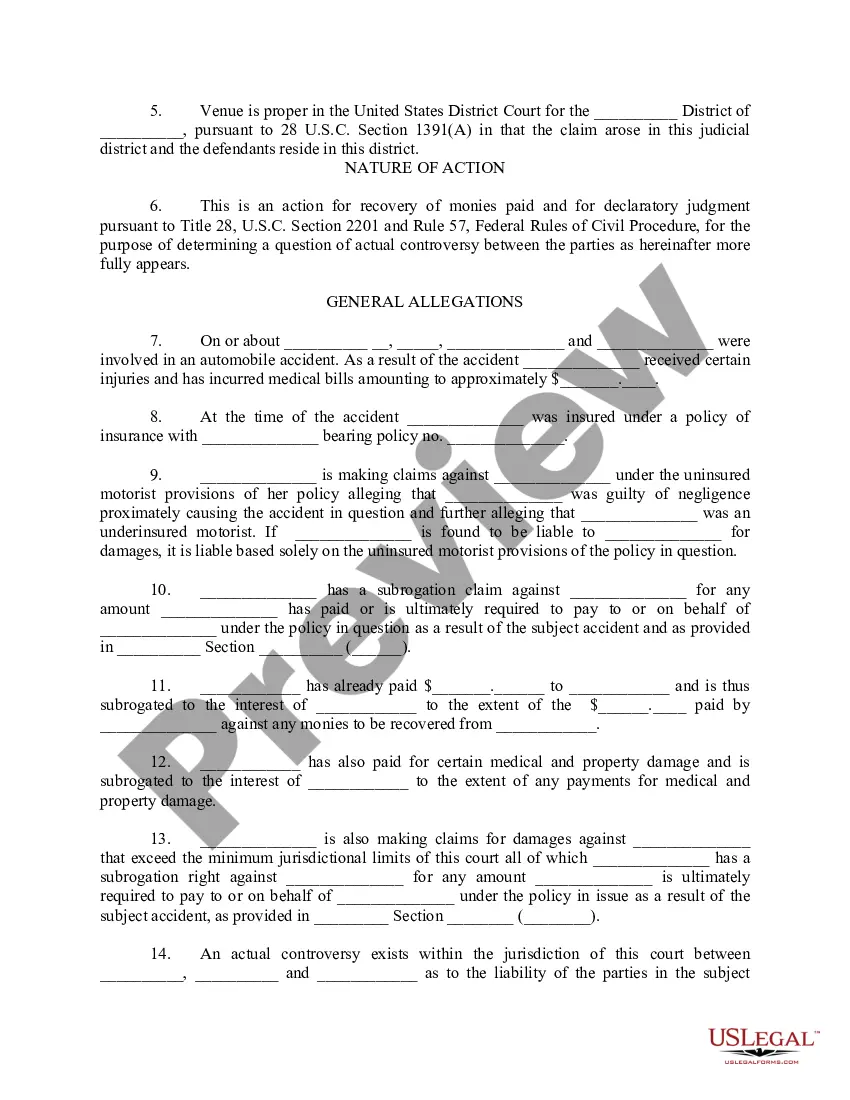
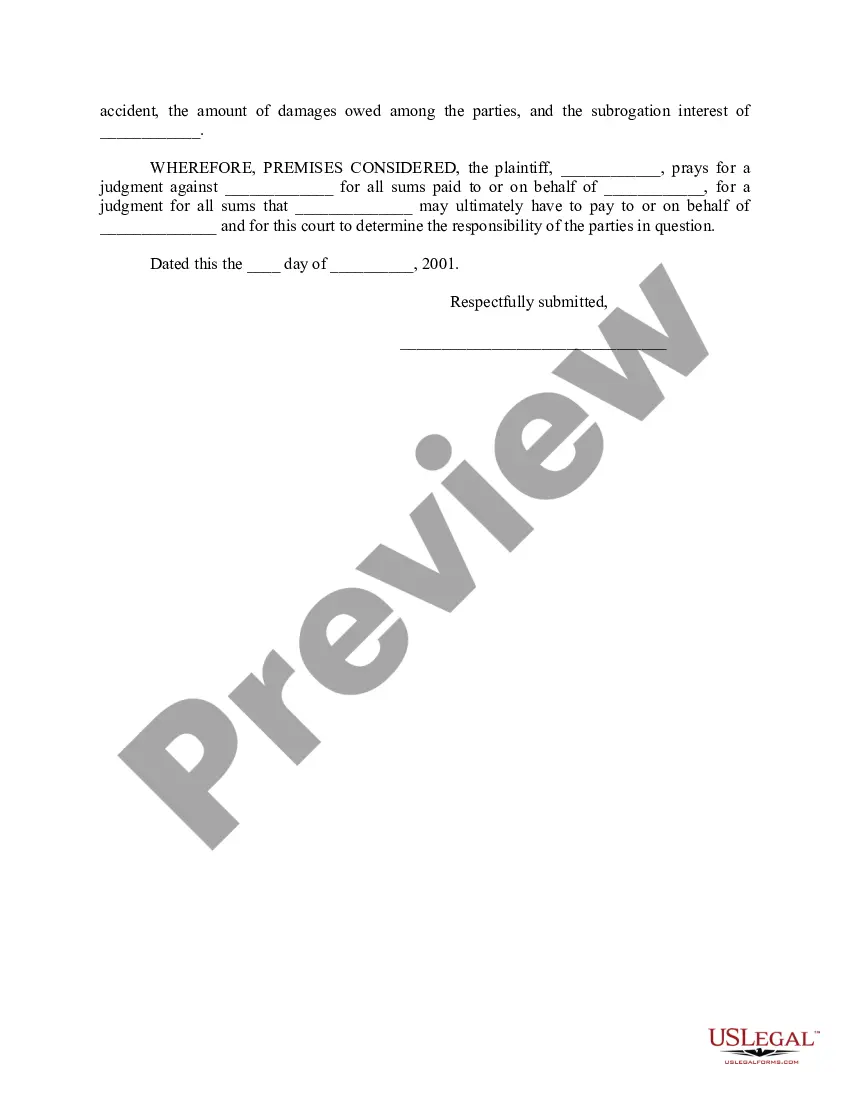
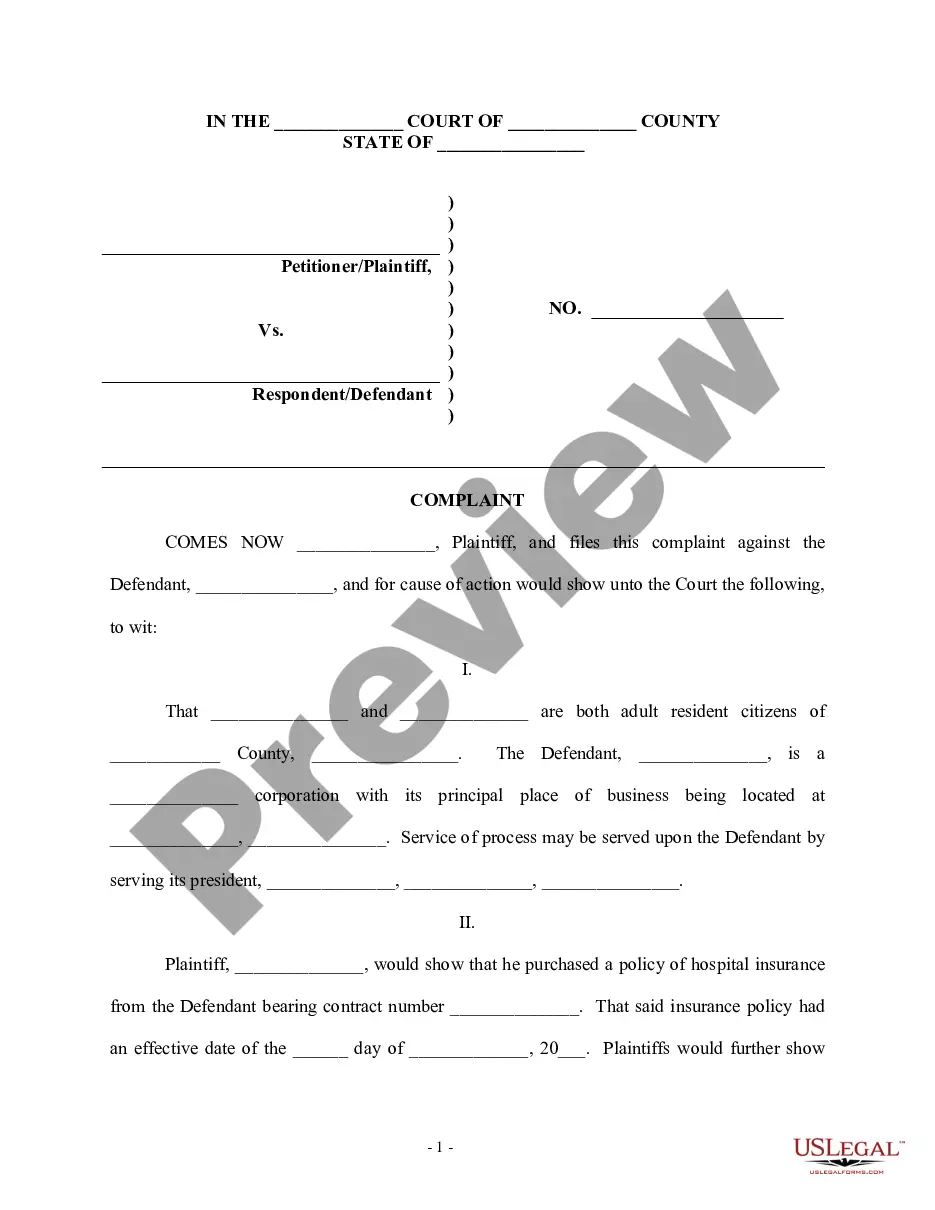
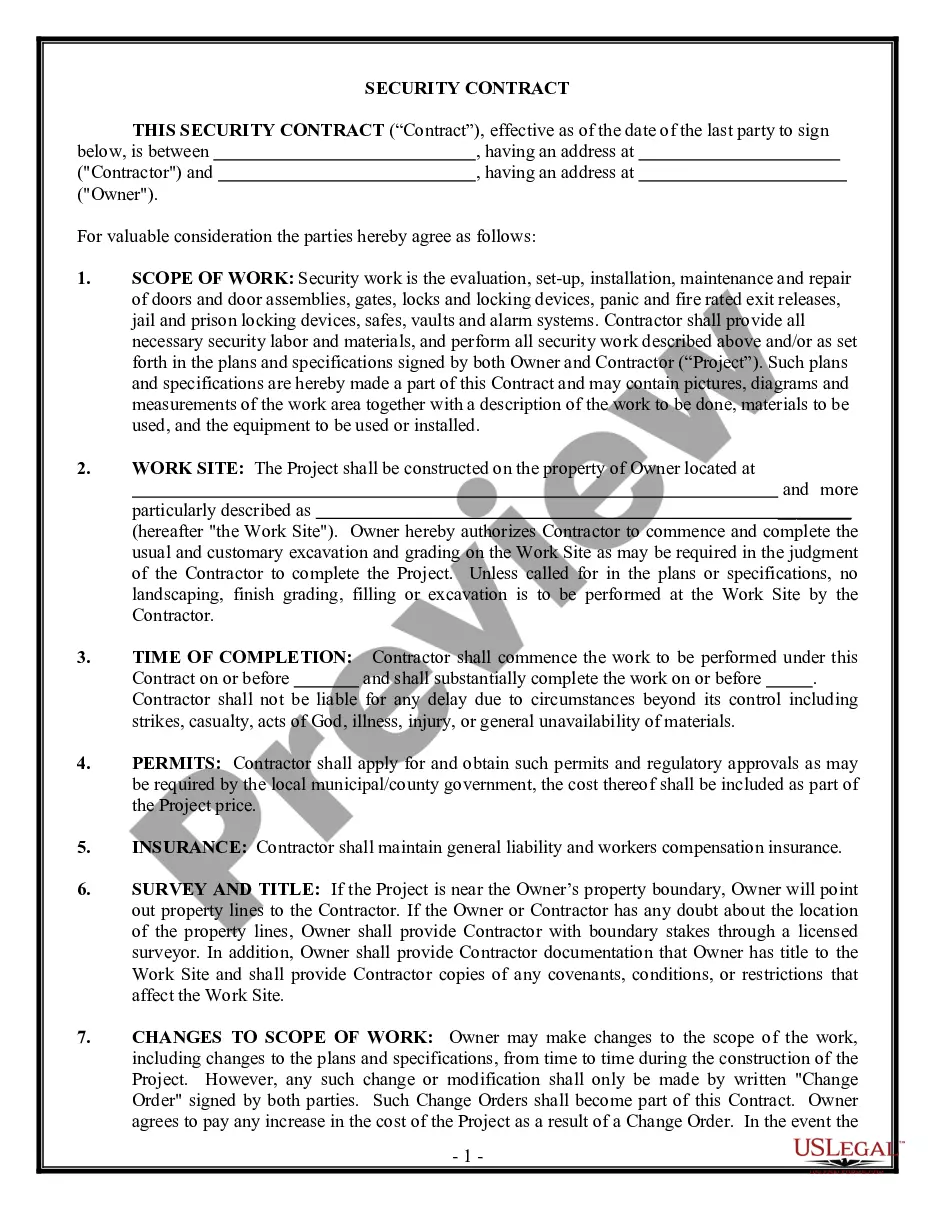
Declaratory Judgment Form Texas Withholding In Collin
Description




Get your form ready online
Our built-in tools help you complete, sign, share, and store your documents in one place.
Make edits, fill in missing information, and update formatting in US Legal Forms—just like you would in MS Word.
Download a copy, print it, send it by email, or mail it via USPS—whatever works best for your next step.
Sign and collect signatures with our SignNow integration. Send to multiple recipients, set reminders, and more. Go Premium to unlock E-Sign.
If this form requires notarization, complete it online through a secure video call—no need to meet a notary in person or wait for an appointment.
We protect your documents and personal data by following strict security and privacy standards.

Make edits, fill in missing information, and update formatting in US Legal Forms—just like you would in MS Word.

Download a copy, print it, send it by email, or mail it via USPS—whatever works best for your next step.

Sign and collect signatures with our SignNow integration. Send to multiple recipients, set reminders, and more. Go Premium to unlock E-Sign.

If this form requires notarization, complete it online through a secure video call—no need to meet a notary in person or wait for an appointment.

We protect your documents and personal data by following strict security and privacy standards.
Looking for another form?









Form popularity
FAQ
Abstract of Judgment: If the defendant owns real property (land), you can get an abstract of judgment from the court that issued the judgment and file it with the county clerk in the county or counties where the defendant owns the property.
A contempt motion is a motion filed in family court when the other parent doesn't obey a court order. The court order is most often based upon the agreement of the parties but sometimes is based upon solely a prior order entered by the judge.
Motions for Contempt: Filed when a spouse fails to comply with court orders regarding financial obligations like child support or alimony. Contempt motions can result in legal penalties for the non-compliant party, such as fines or even jail time, and are used in cases of severe non-compliance.
(b) The punishment for contempt of a court other than a justice court or municipal court is a fine of not more than $500 or confinement in the county jail for not more than six months, or both such a fine and confinement in jail.
File a Motion for Contempt. This motion notifies the court of the other party's failure to comply with the court order and seeks enforcement.
Small Claims The claim can be for no more than $20,000, excluding statutory interest and court costs but including attorney fees, if any.
Eviction cases must be filed in the in the justice court in the precinct and county where the property is located. If you file the case in any other precinct, the court must dismiss your case, and you do not get a refund of the filing fees. The court may be able to help you determine the proper precinct to file in.
A declaratory judgment is a ruling of the court to clarify something (usually a contract provision) that is in dispute. A summary judgment is a ruling that a case or portion of a case must be dismissed because there are no triable issues of material fact in dispute.
The declaratory judgment is generally considered a statutory remedy and not an equitable remedy in the United States, and is thus not subject to equitable requirements, though there are analogies that can be found in the remedies granted by courts of equity.
A declaratory judgment is a binding judgment from a court defining the legal relationship between parties and their rights in a matter before the court. When there is uncertainty as to the legal obligations or rights between two parties, a declaratory judgment offers an immediate means to resolve this uncertainty.
