Sell Of Partnership In Illinois
Description

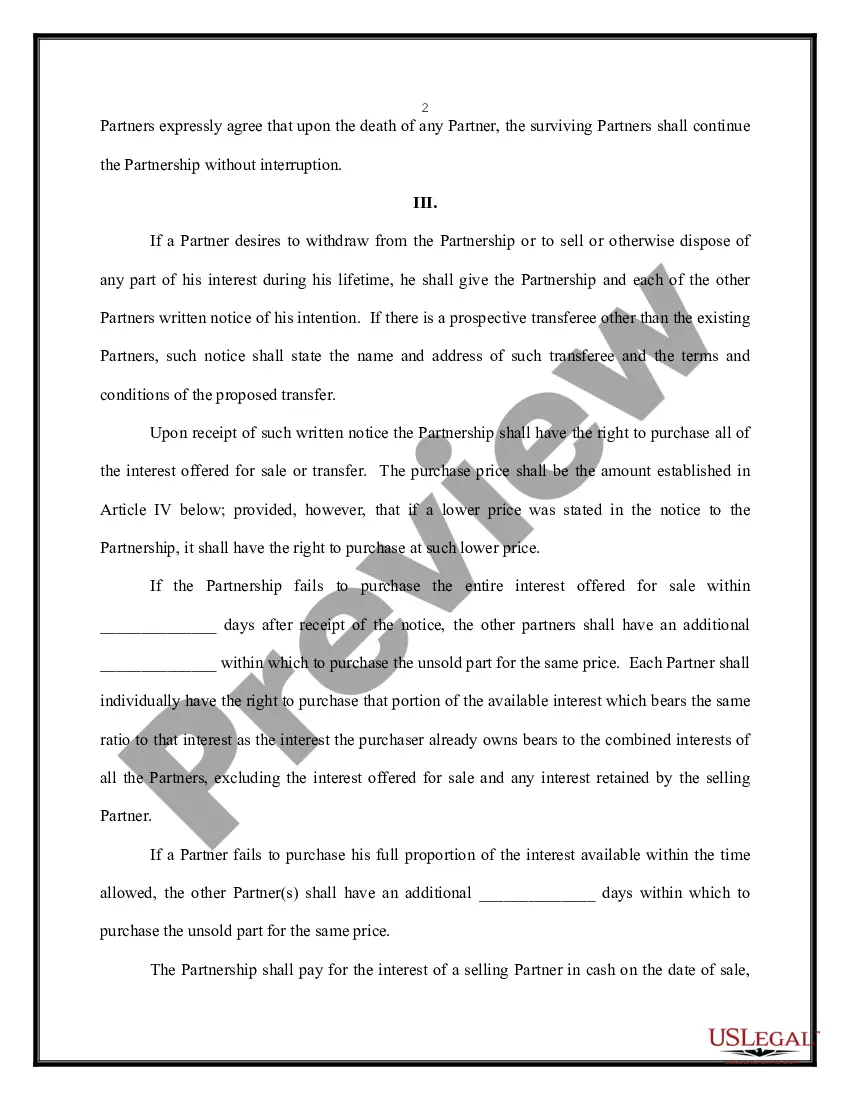
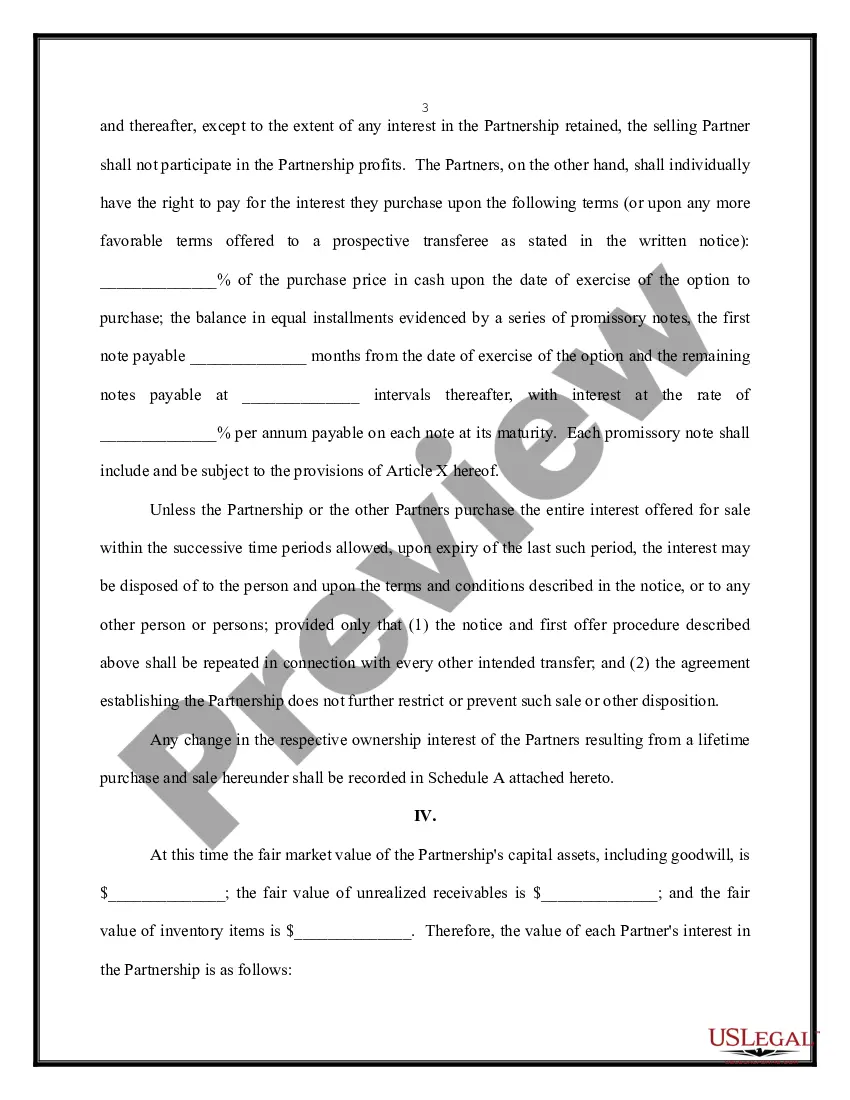
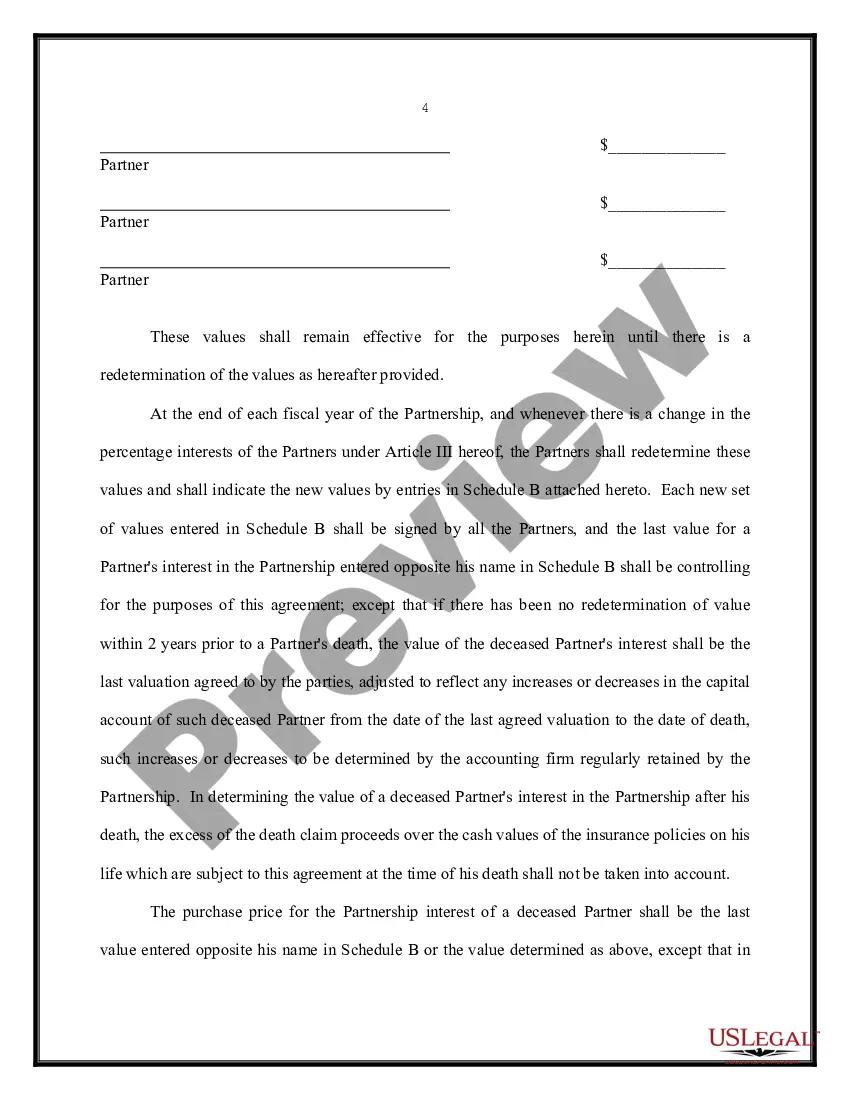
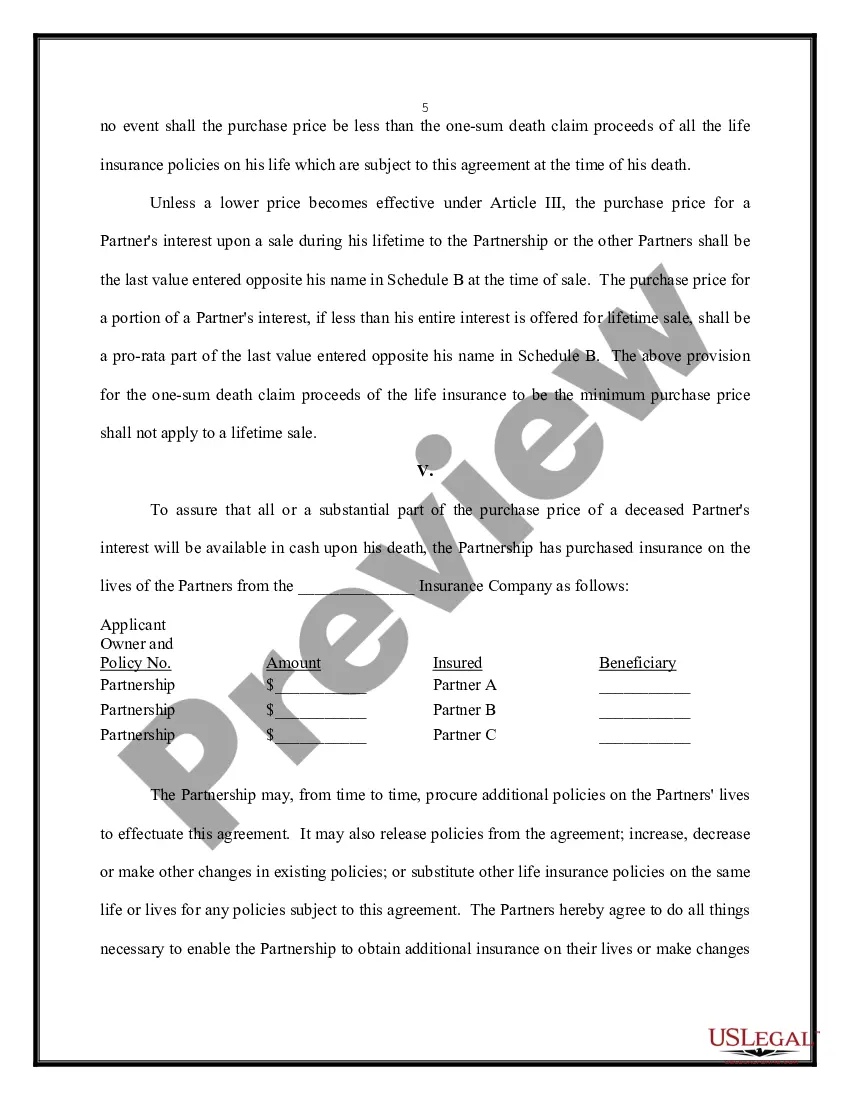


Get your form ready online
Our built-in tools help you complete, sign, share, and store your documents in one place.
Make edits, fill in missing information, and update formatting in US Legal Forms—just like you would in MS Word.
Download a copy, print it, send it by email, or mail it via USPS—whatever works best for your next step.
Sign and collect signatures with our SignNow integration. Send to multiple recipients, set reminders, and more. Go Premium to unlock E-Sign.
If this form requires notarization, complete it online through a secure video call—no need to meet a notary in person or wait for an appointment.
We protect your documents and personal data by following strict security and privacy standards.

Make edits, fill in missing information, and update formatting in US Legal Forms—just like you would in MS Word.

Download a copy, print it, send it by email, or mail it via USPS—whatever works best for your next step.

Sign and collect signatures with our SignNow integration. Send to multiple recipients, set reminders, and more. Go Premium to unlock E-Sign.

If this form requires notarization, complete it online through a secure video call—no need to meet a notary in person or wait for an appointment.

We protect your documents and personal data by following strict security and privacy standards.
Looking for another form?
Form popularity
FAQ
If a partner's departure triggers an end to the partnership, the partners will need to follow a dissolution procedure. In this case, the partnership will settle its debts and distribute any remaining assets to the partners—including the withdrawing partner—ing to their capital accounts.
This means the ownership interest a partner has in a partnership is treated as a separate asset that can be purchased and sold.
The seller in situation one will calculate their gain as if they had sold the underlying assets of the partnership. Unlike the sale of stock for a C-corporation or S-corporation, some of the gain in the sale of partnership units may be recharacterized to ordinary income instead of being all capital gain.
From the seller's perspective, the partnership recognizes gain or loss on the sale of assets, which flows through to the partners on their K-1s. The character of the gain or loss depends on the assets sold and can be a combination of ordinary gain/loss and capital gain/loss.
You have several options when looking to change ownership of your partnership, such as adding or removing members or tweaking each owner's stake in the company. However, if all of the business's core partners change, you'll need to officially dissolve the company.
The seller in situation one will calculate their gain as if they had sold the underlying assets of the partnership. Unlike the sale of stock for a C-corporation or S-corporation, some of the gain in the sale of partnership units may be recharacterized to ordinary income instead of being all capital gain.
As far as the state of Illinois is concerned, there is a process for officially dissolving your business. You will need to file a document called Articles of Dissolution with the Secretary of State. If you fail to notify the state and simply stop renewing your registration, Illinois will dissolve the business for you.
If there isn't such a clause, then all partners, unanimously, at the same time, must agree to dissolve the partnership. Dissolution by notice – If the partnership is a partnership “at will”, any partner can dissolve the partnership “by notice”. However, it takes very little for a partnership not to be “at will”.
5 steps to dissolve a partnership Review your partnership agreement. Prepare and approach your partner to discuss the current business situation. Prepare dissolution papers. Close all joint accounts and resolve finances. Communicate the change to clients, customers, and suppliers.
This means the ownership interest a partner has in a partnership is treated as a separate asset that can be purchased and sold.
