Verified Complaint Form For Police In Massachusetts
Description








Get your form ready online
Our built-in tools help you complete, sign, share, and store your documents in one place.
Make edits, fill in missing information, and update formatting in US Legal Forms—just like you would in MS Word.
Download a copy, print it, send it by email, or mail it via USPS—whatever works best for your next step.
Sign and collect signatures with our SignNow integration. Send to multiple recipients, set reminders, and more. Go Premium to unlock E-Sign.
If this form requires notarization, complete it online through a secure video call—no need to meet a notary in person or wait for an appointment.
We protect your documents and personal data by following strict security and privacy standards.

Make edits, fill in missing information, and update formatting in US Legal Forms—just like you would in MS Word.

Download a copy, print it, send it by email, or mail it via USPS—whatever works best for your next step.

Sign and collect signatures with our SignNow integration. Send to multiple recipients, set reminders, and more. Go Premium to unlock E-Sign.

If this form requires notarization, complete it online through a secure video call—no need to meet a notary in person or wait for an appointment.

We protect your documents and personal data by following strict security and privacy standards.
Looking for another form?

Form popularity
FAQ
If you have a complaint of police brutality or the abuse of your rights by the police or other public officials, contact the nearest office of the Federal Bureau of Investigation (FBI), listed in the front of your telephone directory under police, or write to the Department of Justice at the address above.
The most common complaint against police officers typically involves excessive use of force. This can occur during arrests, traffic stops, or even routine questioning.
A. Readily-accessible complaint forms will likely be available at the oversight agency, local police station, or online. The complaint process usually begins with the complainant submitting a complaint form or making a verbal complaint against an officer.
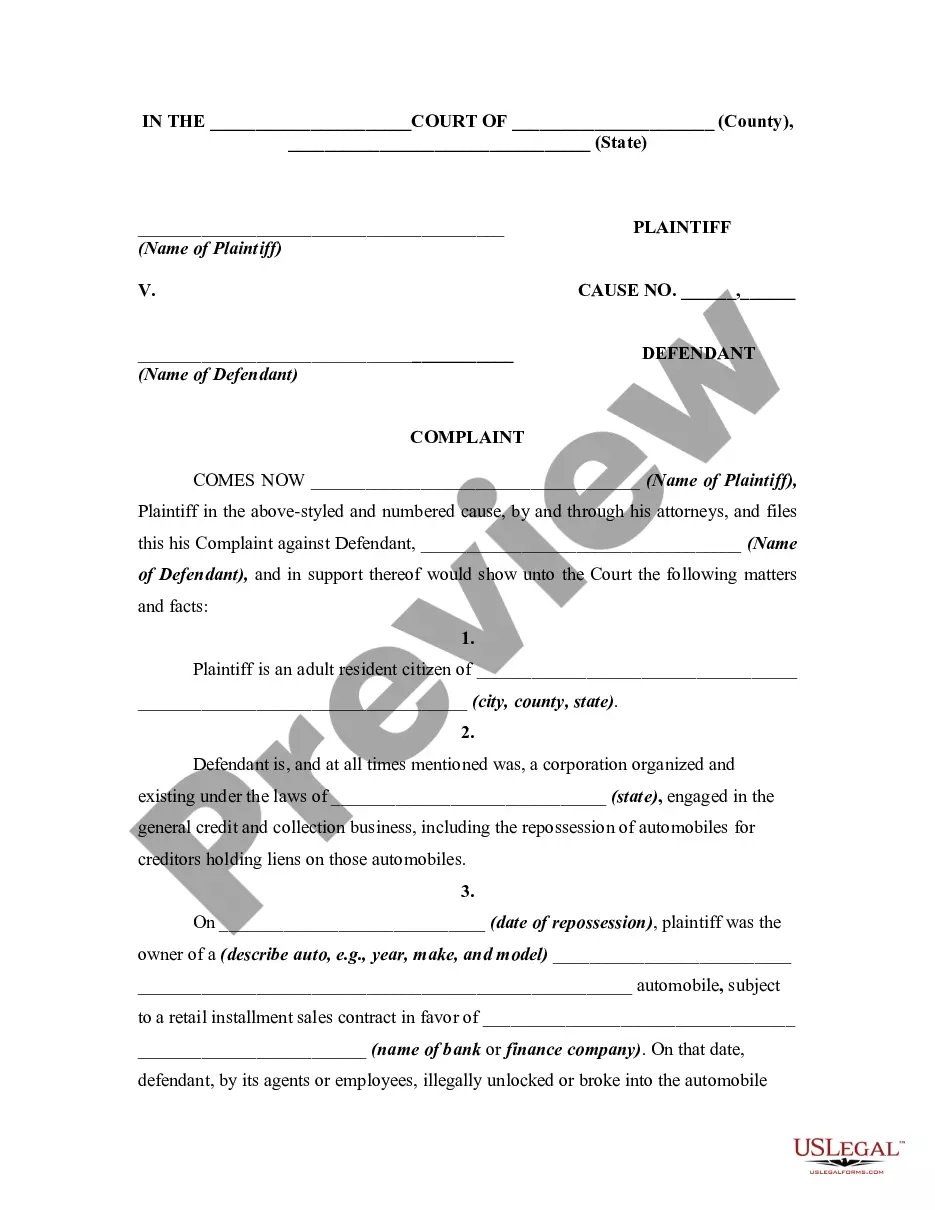
A complaint where the plaintiff (or, in limited cases, the plaintiff's counsel) swears to the allegations, demonstrating to a court that the plaintiff has investigated the charges against the defendant and found them to be of substance.
State agencies & filing complaints The Massachusetts Peace Officer Standards and Training (POST) Commission works to improve policing and the public's trust in law enforcement. They certify and train all peace officers in the state. They also handle disciplining officers for misconduct.
Contact Phone. Call Public Response Reports at (508) 988-7003. Online. Email Public Response Reports at publicresponsereports@pol.state.ma. Fax. (508) 820-2149.
Contact Phone. Call Public Response Reports at (508) 988-7003. Online. Email Public Response Reports at publicresponsereports@pol.state.ma. Fax. (508) 820-2149.
The most common complaint against police officers typically involves excessive use of force. This can occur during arrests, traffic stops, or even routine questioning.
The most common type of police corruption is the acceptance of bribes from those who deal in the vices of gambling, prostitution, illegal drinking, and the illegal use of drugs.
Use of force complaints against the police only accounts for about a third of misconduct cases. Out of the rest, the most common offense is substance abuse. Perjury accounts for just over ten percent of police misconduct cases, as does theft.
