Complaint Waived File Format In New York
Description

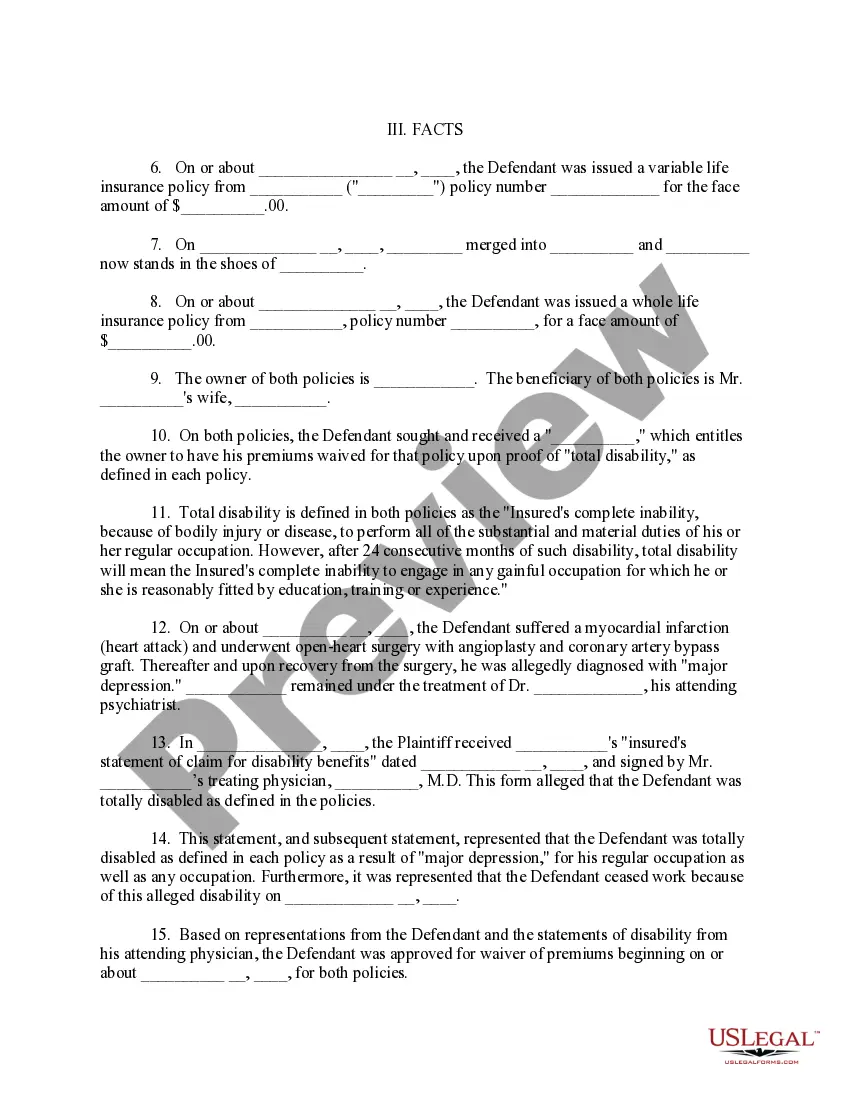
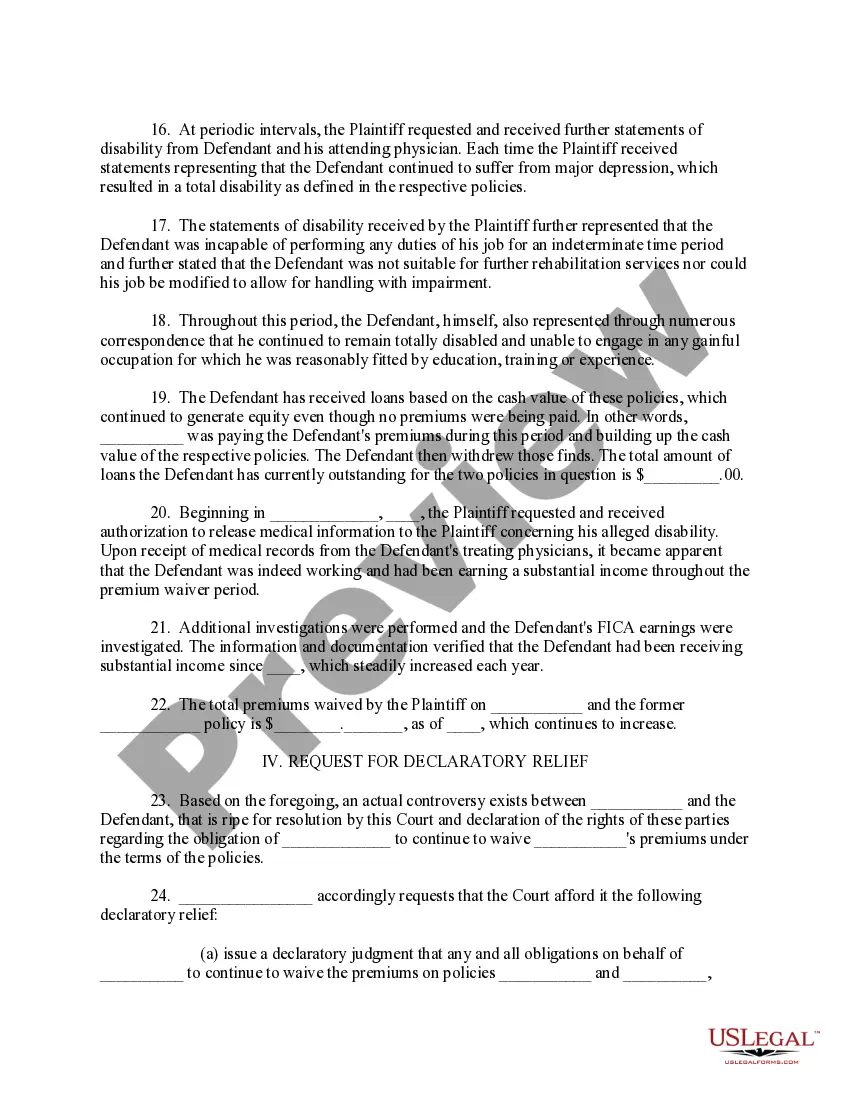
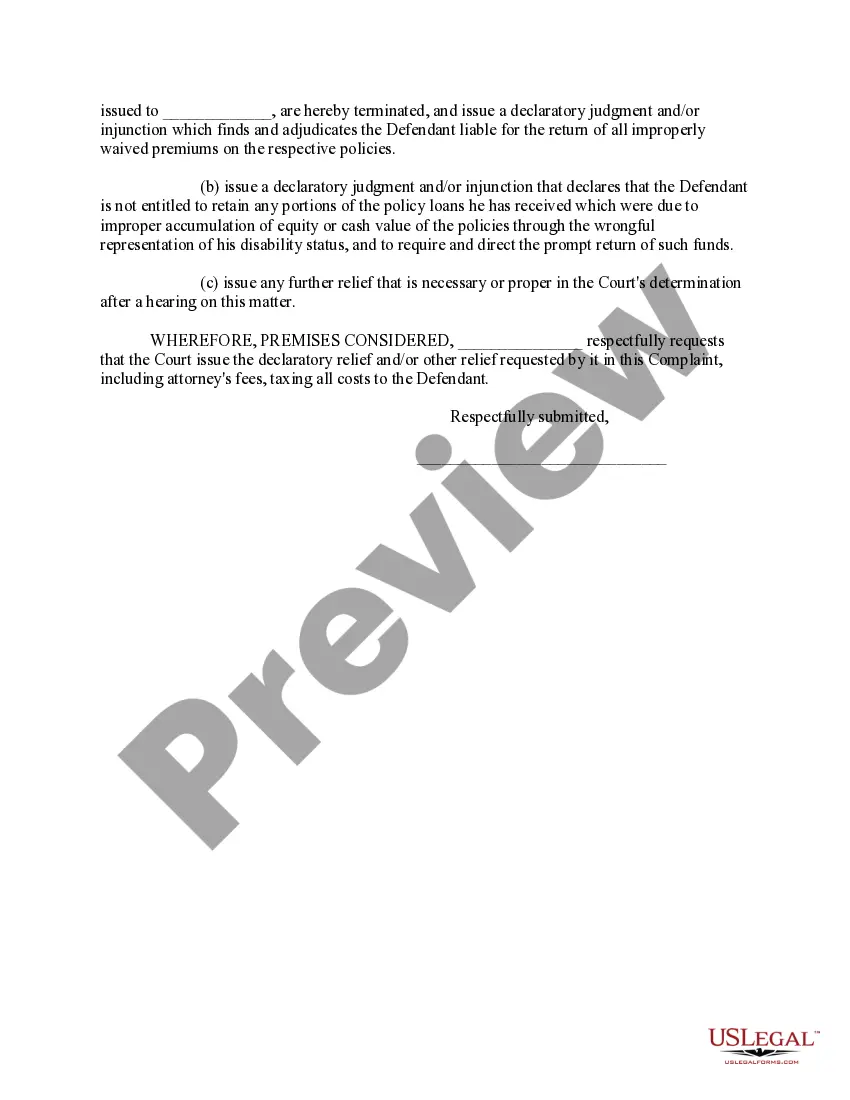



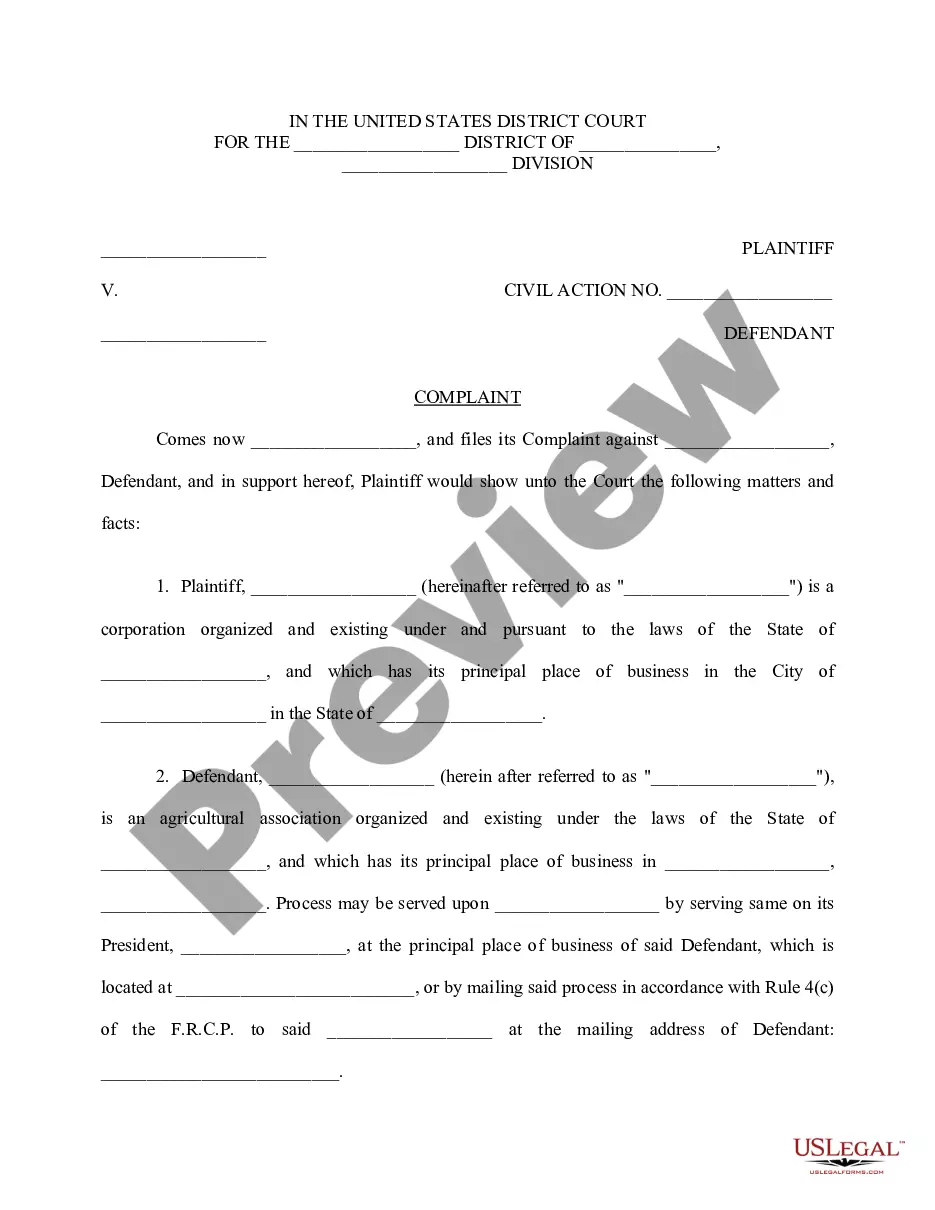
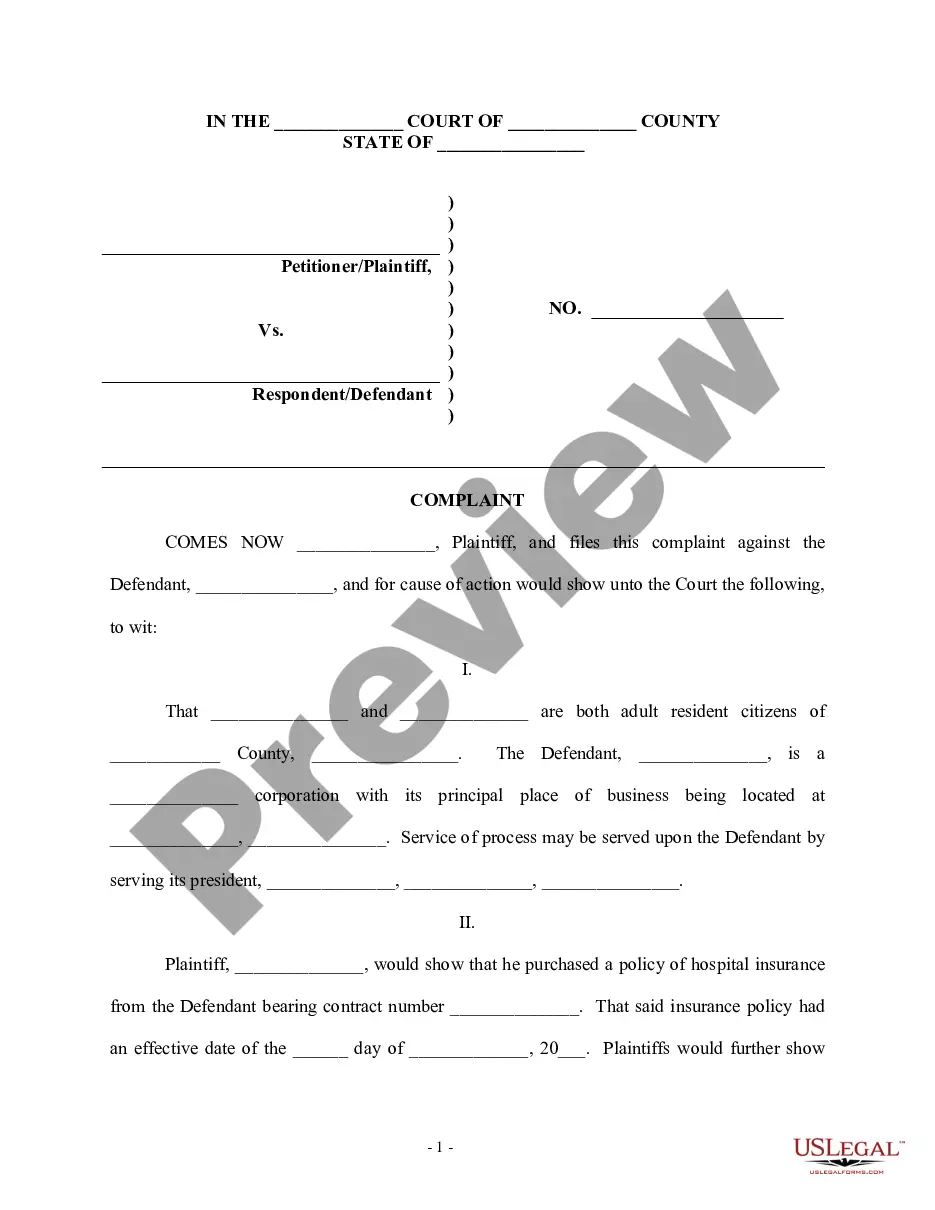
Get your form ready online
Our built-in tools help you complete, sign, share, and store your documents in one place.
Make edits, fill in missing information, and update formatting in US Legal Forms—just like you would in MS Word.
Download a copy, print it, send it by email, or mail it via USPS—whatever works best for your next step.
Sign and collect signatures with our SignNow integration. Send to multiple recipients, set reminders, and more. Go Premium to unlock E-Sign.
If this form requires notarization, complete it online through a secure video call—no need to meet a notary in person or wait for an appointment.
We protect your documents and personal data by following strict security and privacy standards.

Make edits, fill in missing information, and update formatting in US Legal Forms—just like you would in MS Word.

Download a copy, print it, send it by email, or mail it via USPS—whatever works best for your next step.

Sign and collect signatures with our SignNow integration. Send to multiple recipients, set reminders, and more. Go Premium to unlock E-Sign.

If this form requires notarization, complete it online through a secure video call—no need to meet a notary in person or wait for an appointment.

We protect your documents and personal data by following strict security and privacy standards.
Looking for another form?
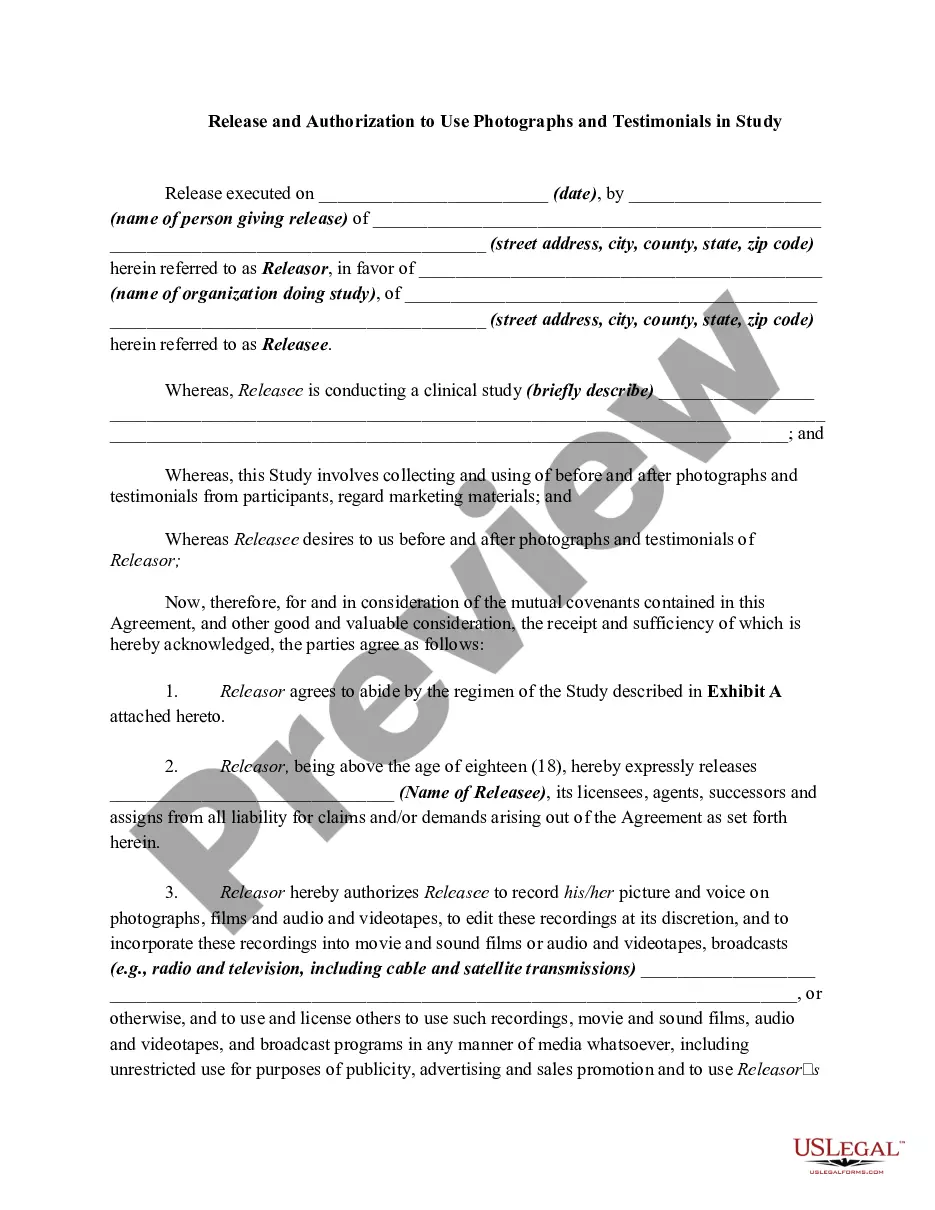

Form popularity
FAQ
If you waive service, then you must, within the time specified on the waiver form, serve an answer or a motion under Rule 12 on the plaintiff and file a copy with the court. By signing and returning the waiver form, you are allowed more time to respond than if a summons had been served.
Unless a rule or statute specifically states otherwise, a pleading need not be verified or accompanied by an affidavit.
A caption identifying the plaintiff and defendant, and the court in which the complaint is being filed. A brief description of the parties (e.g., their name and address). Allegations demonstrating that the court has subject matter jurisdiction, personal jurisdiction, and venue to adjudicate the claims in the complaint.
Verification. (a) Generally. A verification is a statement under oath that the pleading is true to the knowledge of the deponent, except as to matters alleged on information and belief, and that as to those matters he believes it to be true.
Verification of complaints is largely optional under the CPLR. There are some statutes, however, that require a verified complaint in certain circumstances. See New York Statute Search; see also Overview – Initiating a Special Proceeding.
Your answer should include the court name, case name, case number, and your affirmative defenses. Print three copies of your answer. File one with the clerk's office and mail (or “serve”) one to the plaintiff or plaintiff's attorney.
A complaint is considered verified if, in the complaint, the plaintiff swears under penalty of perjury that everything is true and correct. Sometimes the verification will be separate from the complaint; other times it will be included at the end of the Complaint itself.
The complaint should conclude with a paragraph in which the plaintiff sets forth all the relief against the defendant that he or she is seeking from the court. In certain circumstances, the complaint must be verified, which means signed in a certain format under oath, before a notary. CPLR 3020.
An effective complaints process should: Have a named point of contact. Use simple language that is easy to follow. Be accessible. Be as straightforward as possible. Be clear about what will happen at each stage and how long each stage should take.