Release of Liability Form for Horse Boarding
About this form
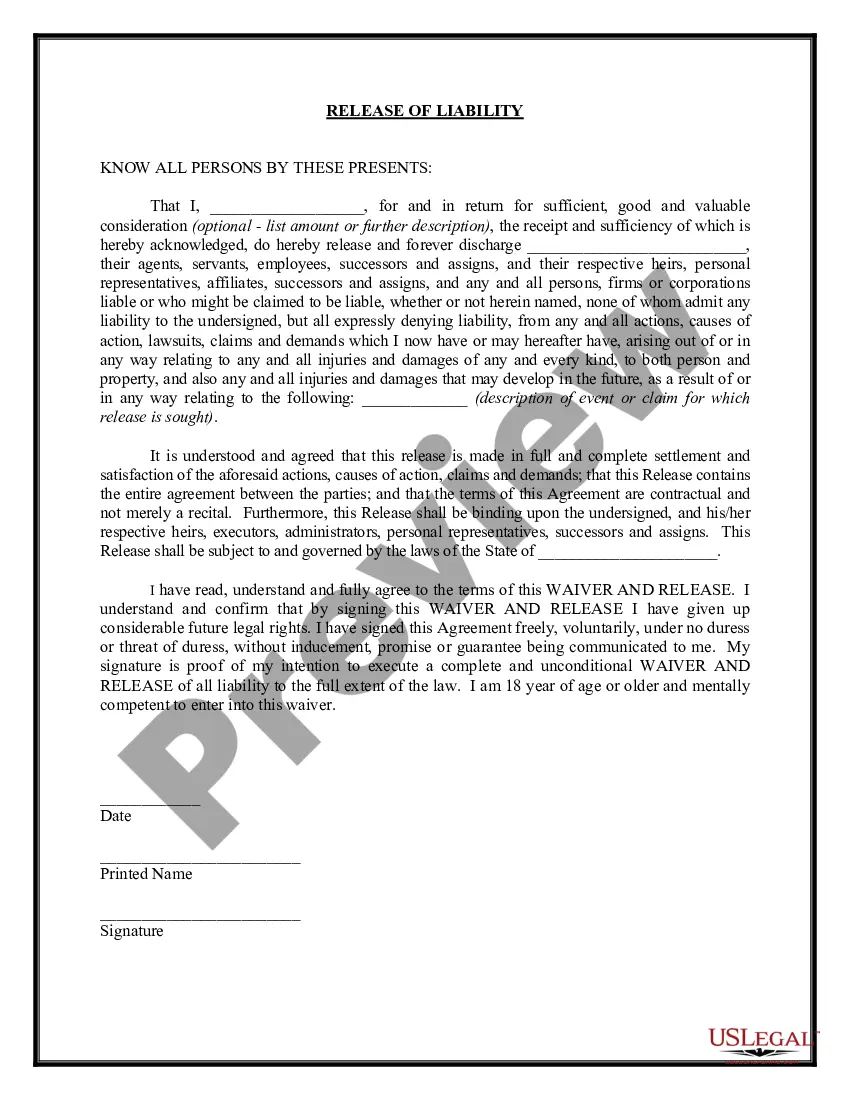
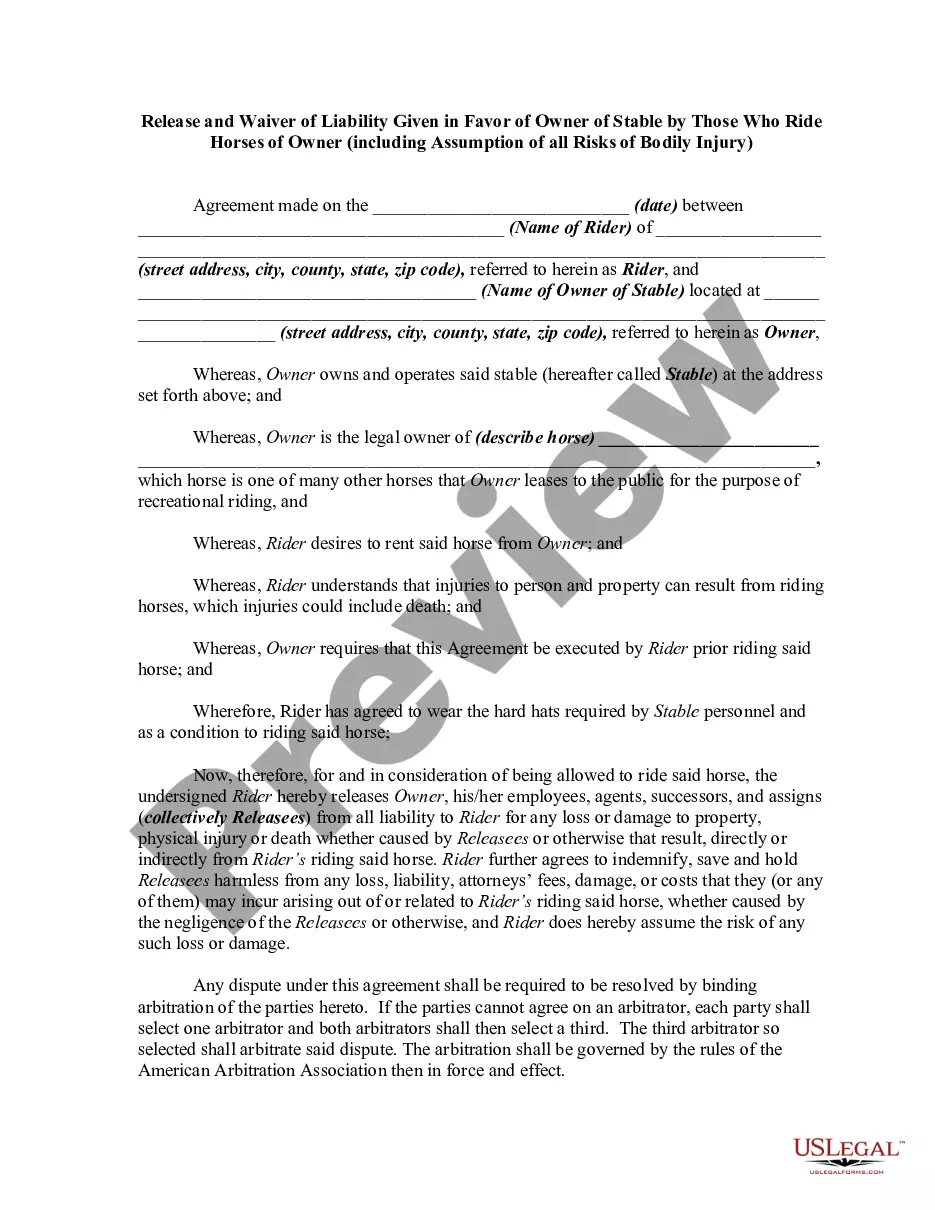
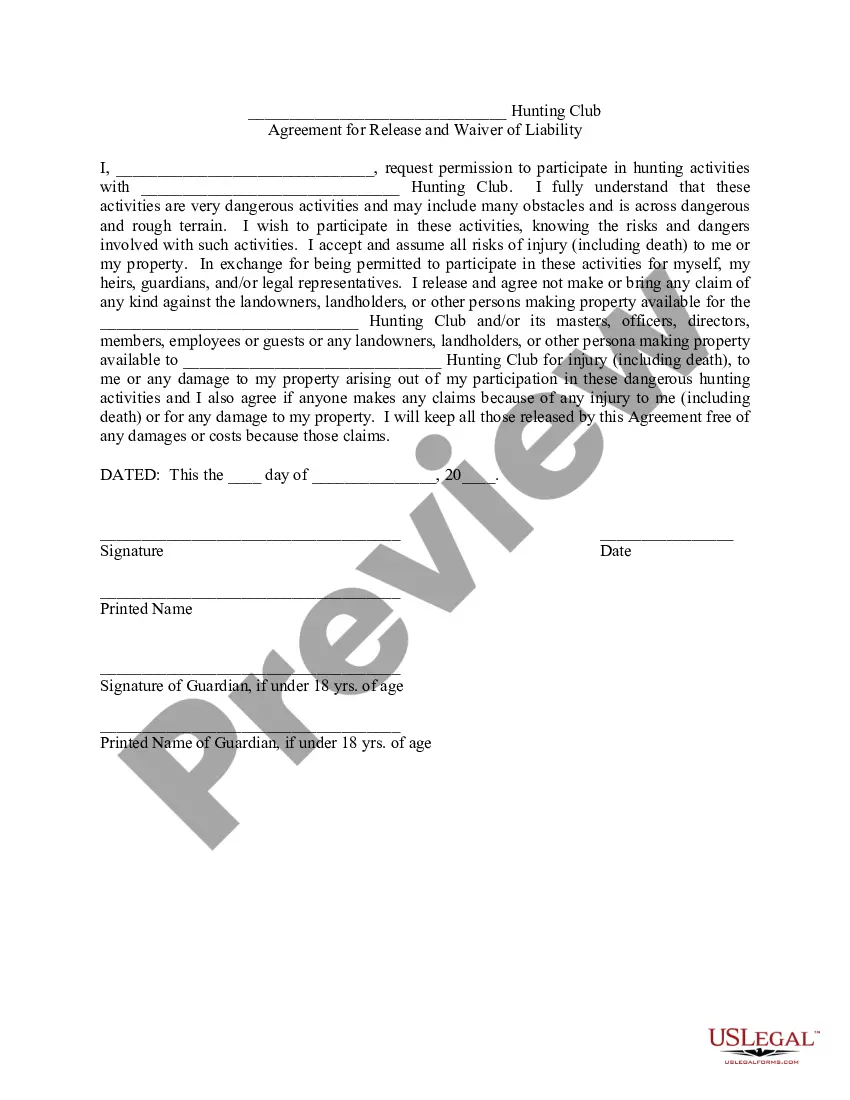
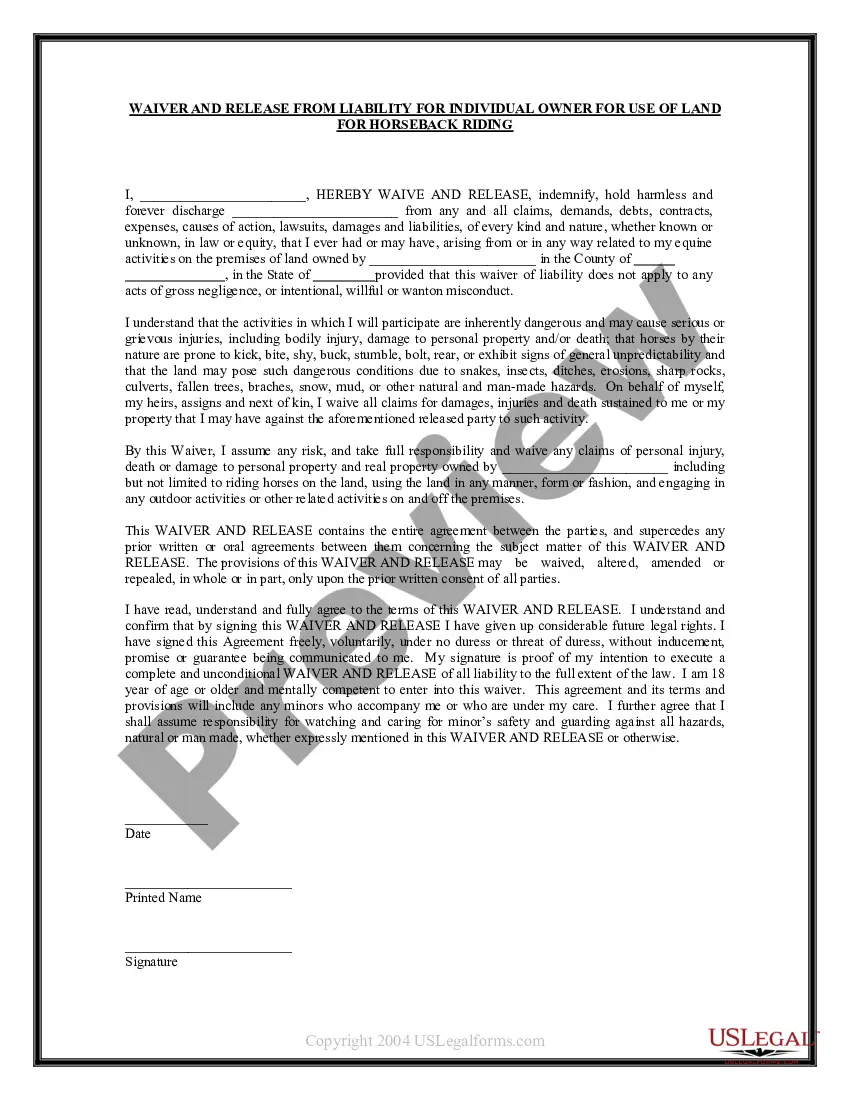
The Release of Liability Form for Horse Boarding is a legal document that protects horse boarding facilities from liability by allowing individuals (releasors) to waive their right to sue for damages or injuries related to their involvement with the facility. This form is essential for establishing a clear understanding between horse boarders and facility operators, ensuring that all risks are acknowledged and accepted by the releasor, thus differentiating it from general release forms that may not specifically address the equestrian context.
Key components of this form
- Identification of the releasor and releasee, ensuring clarity on who is involved.
- Language acknowledging the receipt of good and valuable consideration.
- A detailed description of the event or claim from which liability is being released.
- A clause stating that the release is binding on the releasor and their heirs.
- Confirmation that the releasor is of legal age and mentally competent to sign the release.
When to use this document
This form should be used whenever an individual is boarding a horse at a facility and wants to acknowledge the inherent risks involved in horse activities. This includes situations where injuries may occur due to horse behavior, equipment failure, or facility conditions. It ensures that the facility is not held liable for accidents or injuries that could occur during the boarding period.
Who needs this form
- Horse boarders who are renting space for their horses.
- Horse boarding facility owners or operators looking to minimize legal risks.
- Individuals participating in horse-related activities at a facility.
How to complete this form
- Identify and fill in the names of the releasor and releasee at the beginning of the form.
- Specify the event or activity for which the liability release is applicable.
- Include any consideration amounts or details, if applicable.
- Review the terms of the release for understanding and agreement.
- Sign and date the form, ensuring you are of legal age and mentally competent.
Does this form need to be notarized?
This form does not typically require notarization unless specified by local law. However, it is recommended to review local statutes to ensure it meets all legal requirements in your state.
Get your form ready online
Our built-in tools help you complete, sign, share, and store your documents in one place.
Make edits, fill in missing information, and update formatting in US Legal Forms—just like you would in MS Word.
Download a copy, print it, send it by email, or mail it via USPS—whatever works best for your next step.
Sign and collect signatures with our SignNow integration. Send to multiple recipients, set reminders, and more. Go Premium to unlock E-Sign.
If this form requires notarization, complete it online through a secure video call—no need to meet a notary in person or wait for an appointment.
We protect your documents and personal data by following strict security and privacy standards.

Make edits, fill in missing information, and update formatting in US Legal Forms—just like you would in MS Word.

Download a copy, print it, send it by email, or mail it via USPS—whatever works best for your next step.

Sign and collect signatures with our SignNow integration. Send to multiple recipients, set reminders, and more. Go Premium to unlock E-Sign.

If this form requires notarization, complete it online through a secure video call—no need to meet a notary in person or wait for an appointment.

We protect your documents and personal data by following strict security and privacy standards.
Mistakes to watch out for
- Failing to clearly define the event or activity related to the release.
- Not ensuring that all parties properly fill out the names and signatures.
- Ignoring the requirement for the releasor's legal capacity to sign.
- Not reviewing the waiver terms thoroughly before signing.
Benefits of completing this form online
- Convenient access to legal forms that can be downloaded and completed from anywhere.
- Editable templates that allow for customization based on individual circumstances.
- Reliable and professionally drafted forms that meet legal standards.
Looking for another form?
Form popularity
FAQ
AS an instructor, you obviously need insurance cover to protect you in the course of your commercial activities. Anyone involved in business-related equestrian activities should have public liability insurance.
Equine/Stable Liability will be required; Care, Custody, Control to provide coverage for the non-owned boarded horses; General Liability and Property insurance.
A liability waiver, or release of liability, is a legal document that a company or organization has you sign in order to protect them from being sued in the event that you are injured.
The cost of boarding averages $400 to $500 per month but can go as high as $1,200 to $2,500 in metropolitan areas. Services such as mucking out stalls, feeding and turning out your horse to pasture may not be included in the price. For those lucky enough to own sufficient land, there are still costs to consider.
Scope out legalities. Consider zoning, business permits and your state's lien laws. Evaluate your facilities. Investigate the cost of liability insurance. Research your market. Crunch the numbers. Draw up a legal boarding contract.
200bStart the letter off with a clear explanation regarding your request. For instance, explain that you're requesting certain fees or charges to be waived or to be released from a previous engagement. Communicate any supporting or relative dates, names of parties, monetary figures, or venues as facts.
Horse Insurance Cost In general, you can expect to pay roughly $150-200 per year for $5,000 worth of major medical coverage expenses. Surgical coverage rates vary widely. Mortality premiums are based on the age, use, and value of your horse.
On top of the Full Mortality (life insurance) on your horse, you should consider Major Medical Insurance (health insurance). Upwards of 90% of the claims we see in our office are Major Medical claims, and not mortality claims. Horses tend to get sick or hut more than they die.
Get help. Writing a waiver should not be complicated. Use the correct structure. Proper formatting. Include a subject line. Include a caution! Talk about the activity risks. Do not forget an assumption of risk. Hold harmless.