File Notice Lis Pendens Foreclosed In Salt Lake
Description
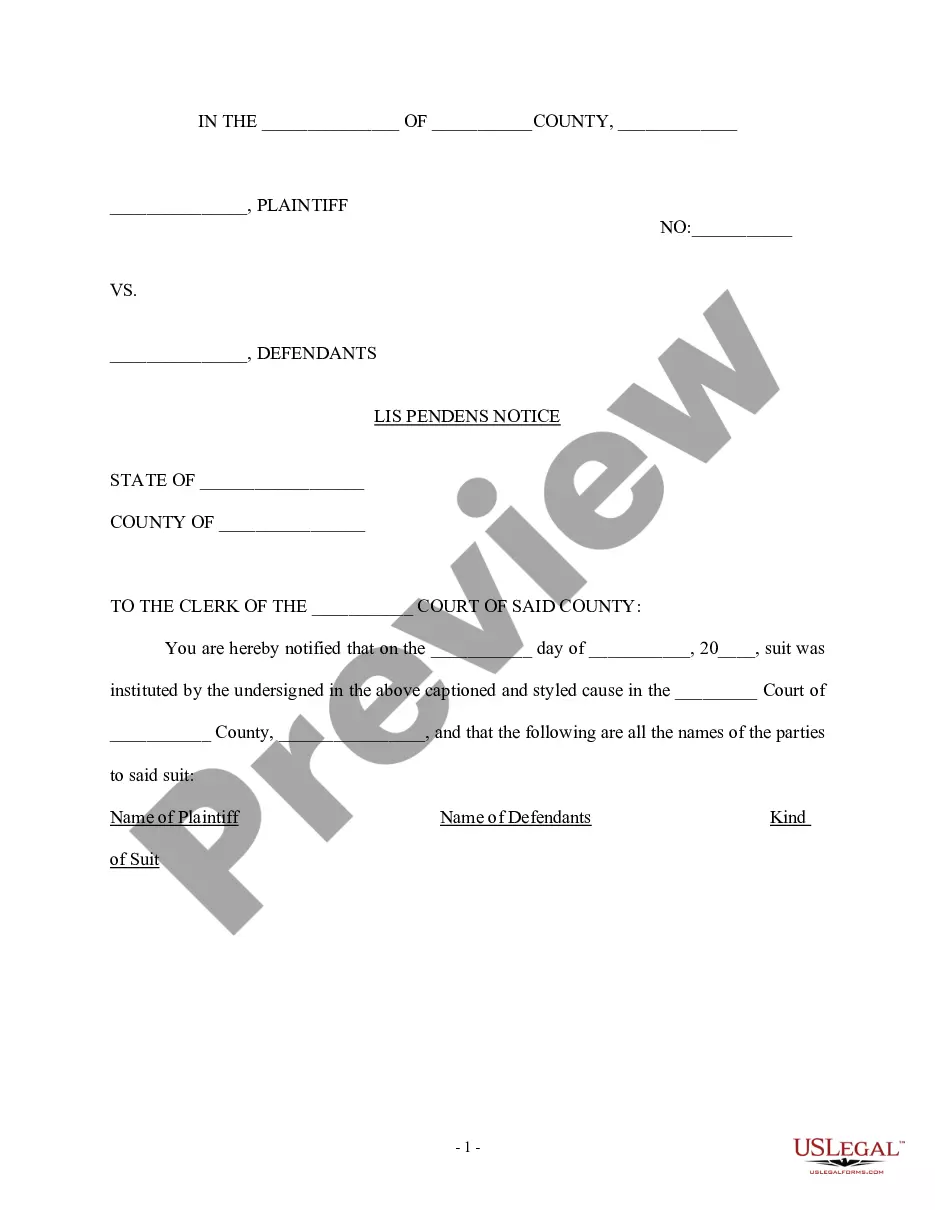

Get your form ready online
Our built-in tools help you complete, sign, share, and store your documents in one place.
Make edits, fill in missing information, and update formatting in US Legal Forms—just like you would in MS Word.
Download a copy, print it, send it by email, or mail it via USPS—whatever works best for your next step.
Sign and collect signatures with our SignNow integration. Send to multiple recipients, set reminders, and more. Go Premium to unlock E-Sign.
If this form requires notarization, complete it online through a secure video call—no need to meet a notary in person or wait for an appointment.
We protect your documents and personal data by following strict security and privacy standards.

Make edits, fill in missing information, and update formatting in US Legal Forms—just like you would in MS Word.

Download a copy, print it, send it by email, or mail it via USPS—whatever works best for your next step.

Sign and collect signatures with our SignNow integration. Send to multiple recipients, set reminders, and more. Go Premium to unlock E-Sign.

If this form requires notarization, complete it online through a secure video call—no need to meet a notary in person or wait for an appointment.

We protect your documents and personal data by following strict security and privacy standards.
Looking for another form?



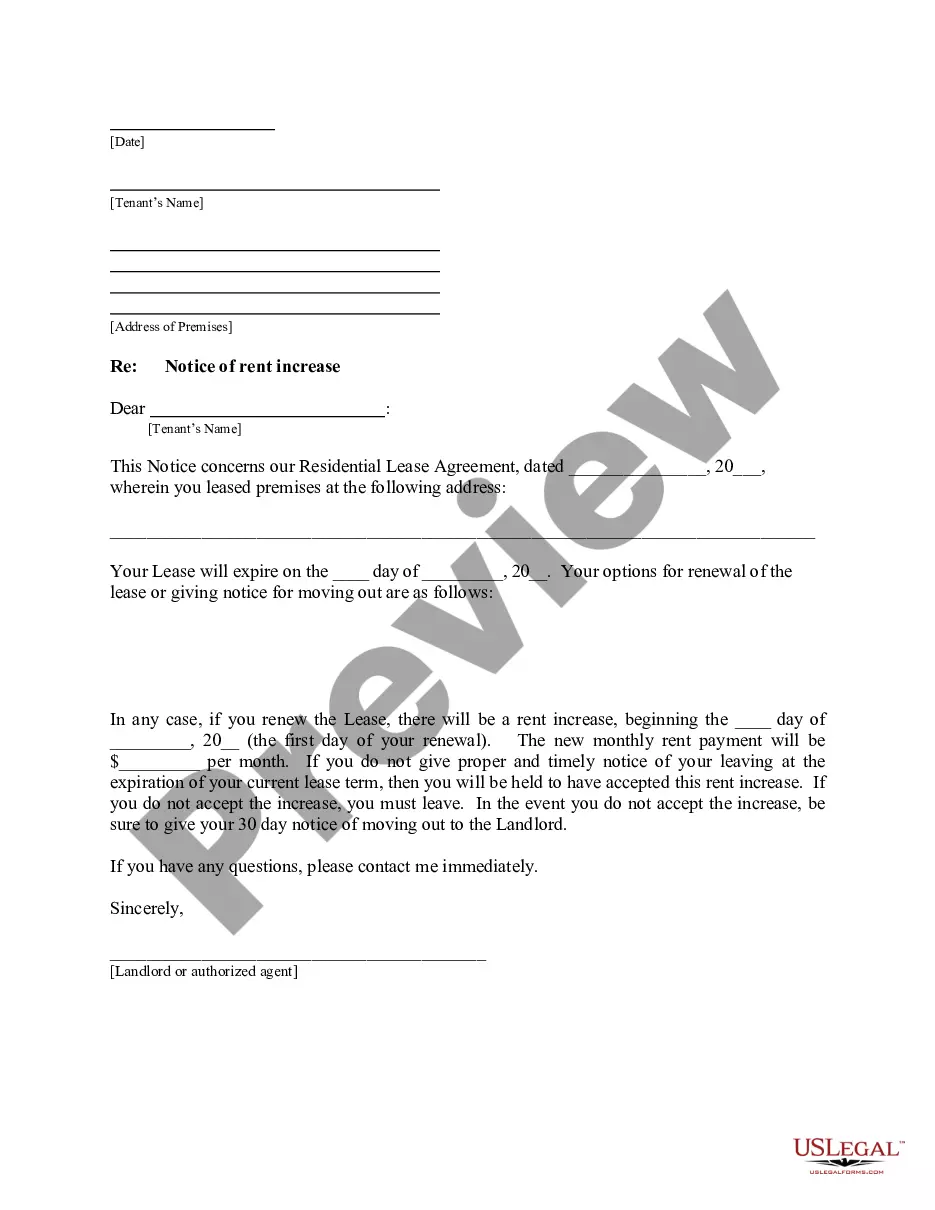



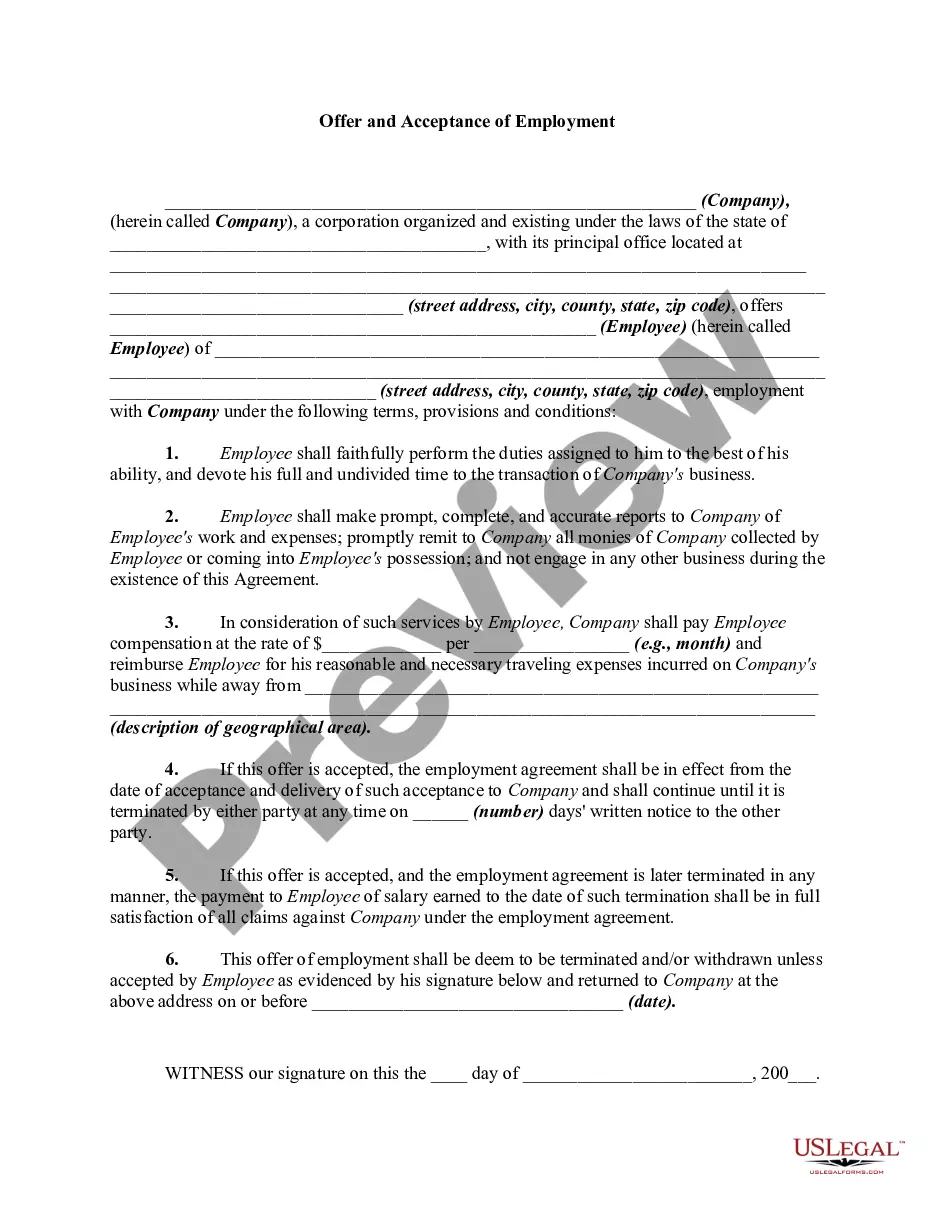

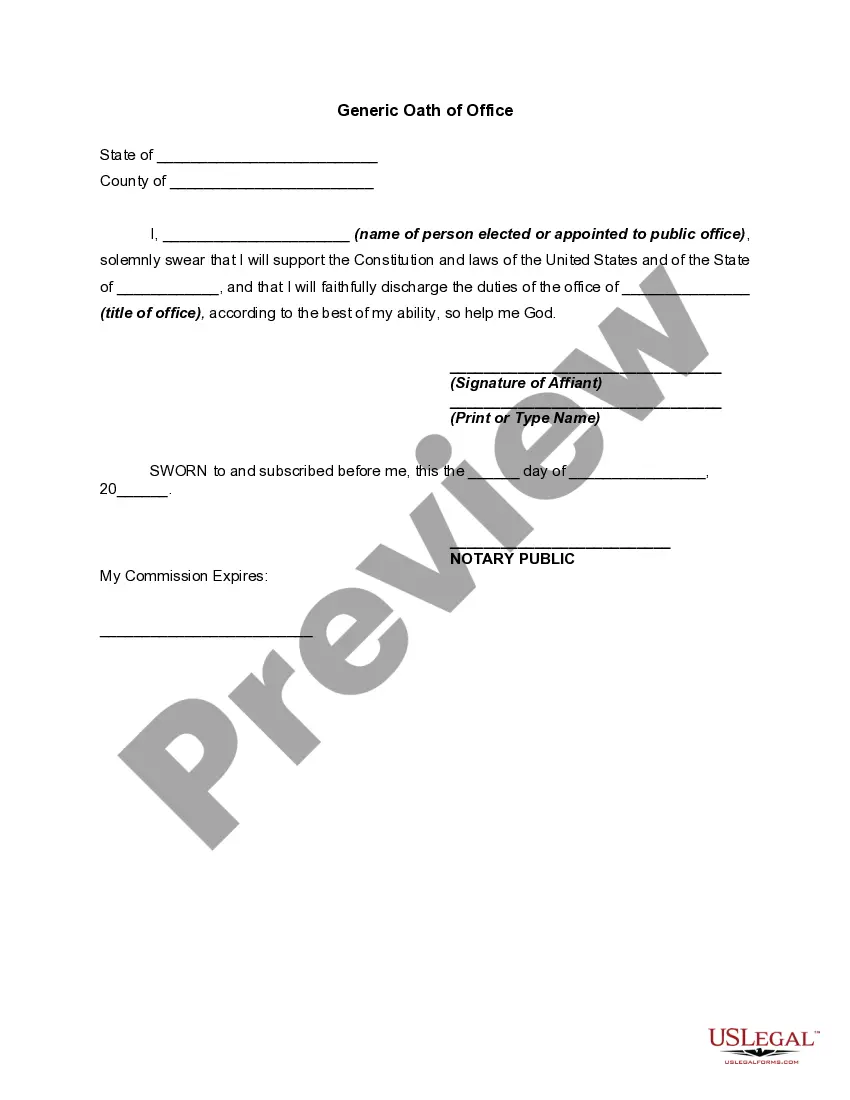
Form popularity
FAQ
If you default on your mortgage payments in Utah, the lender may foreclose using a judicial or nonjudicial method.
File a request with the court to remove the lis pendens. Provide the legal reasons the lis pendens is improper, offering proof, for example, that the lis pendens affects real estate that is not connected to the litigation. If the lawsuit is frivolous and merely intended to harass the property owner, offer proof.
Other than resolution of the pending lawsuit, the only way to remove a lis pendens is by expungement, which requires a court order from a circuit judge. If you refuse service or the action is otherwise delayed, the lis pendens remains intact, making it difficult to sell or otherwise transfer a property.
A non judicial foreclosure in Utah can be completed in about 4 months if it is not contested by the borrower. The time frame for a judicial foreclosure depends on the court's schedule and the rulings of the court.
Initial, a claim must be documented that will decide the privilege to possess as well as have land. Second, one of the gatherings to the claim (more often than not a gathering's lawyer) will set up a composed lis pendens and document the lis pendens with the court.
However, Texas is one of the unique states that allows for both judicial and non-judicial foreclosure processes, so judicial foreclosure isn't off the table. Judicial foreclosure is required for home equity loans, reverse mortgages, property owner's associations, and property tax situations.
Most foreclosures in Utah are done without a court case. They follow a process known as "nonjudicial foreclosure." This is also sometimes called a "trustee sale." The steps in a nonjudicial foreclosure are below. If a homeowner fails to make their monthly payment on time, their mortgage becomes delinquent.
59-2-1357. Redemption at foreclosure sale. Any person interested in any real estate sold at foreclosure sale under any decree has the same right to redeem the real estate from the sale, within the same time and upon the same terms as if the sale had been made upon execution.

