State Bar Association Directory Without Attorney In Miami-Dade
Description
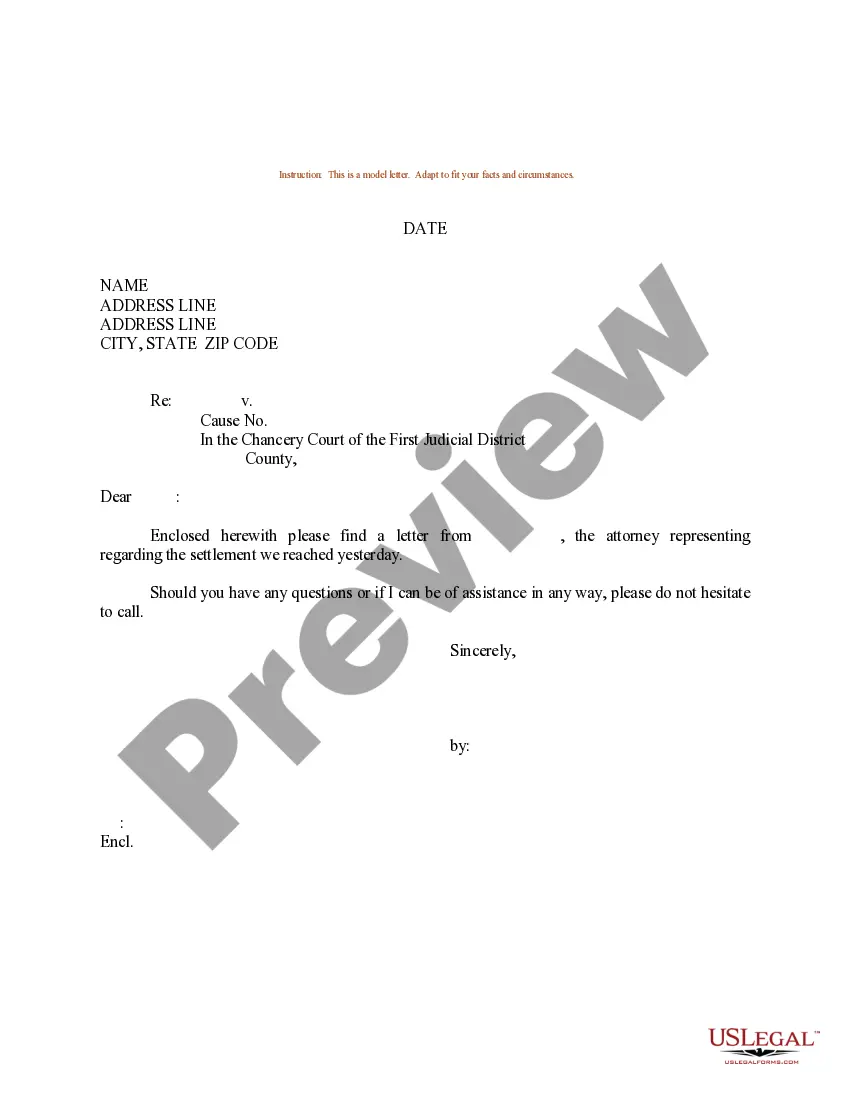
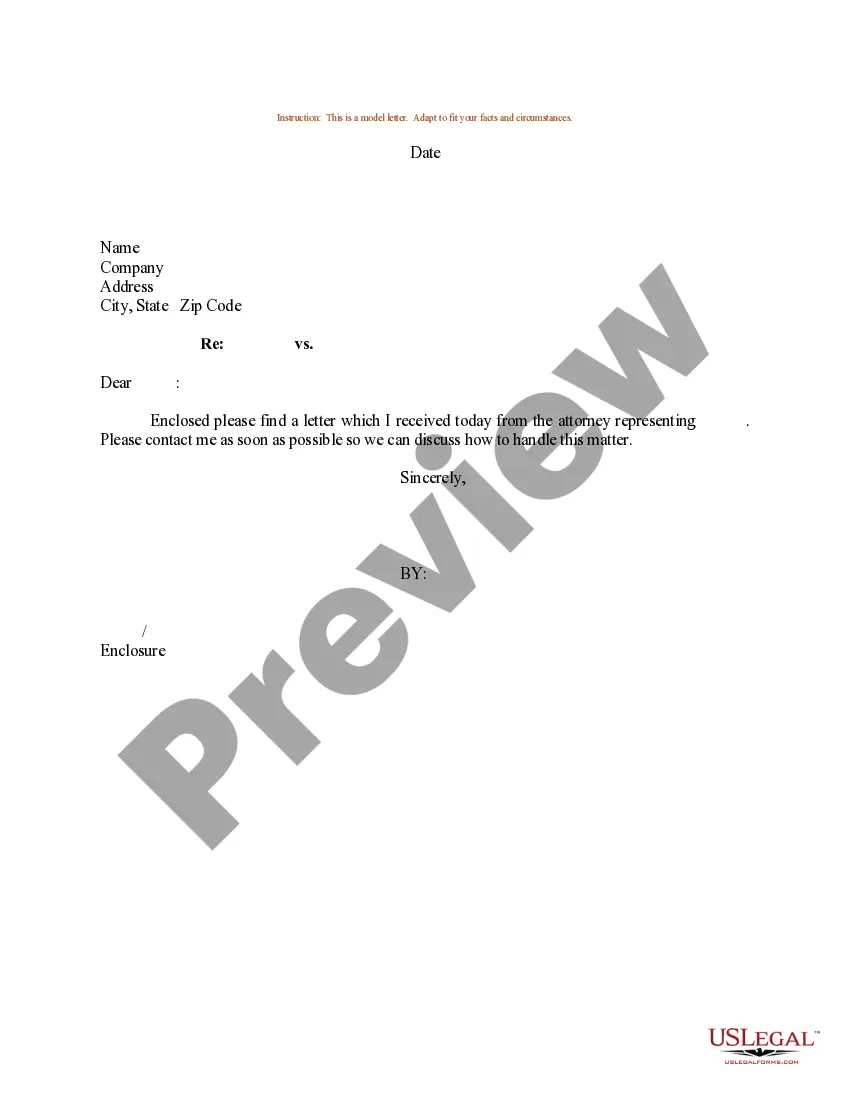
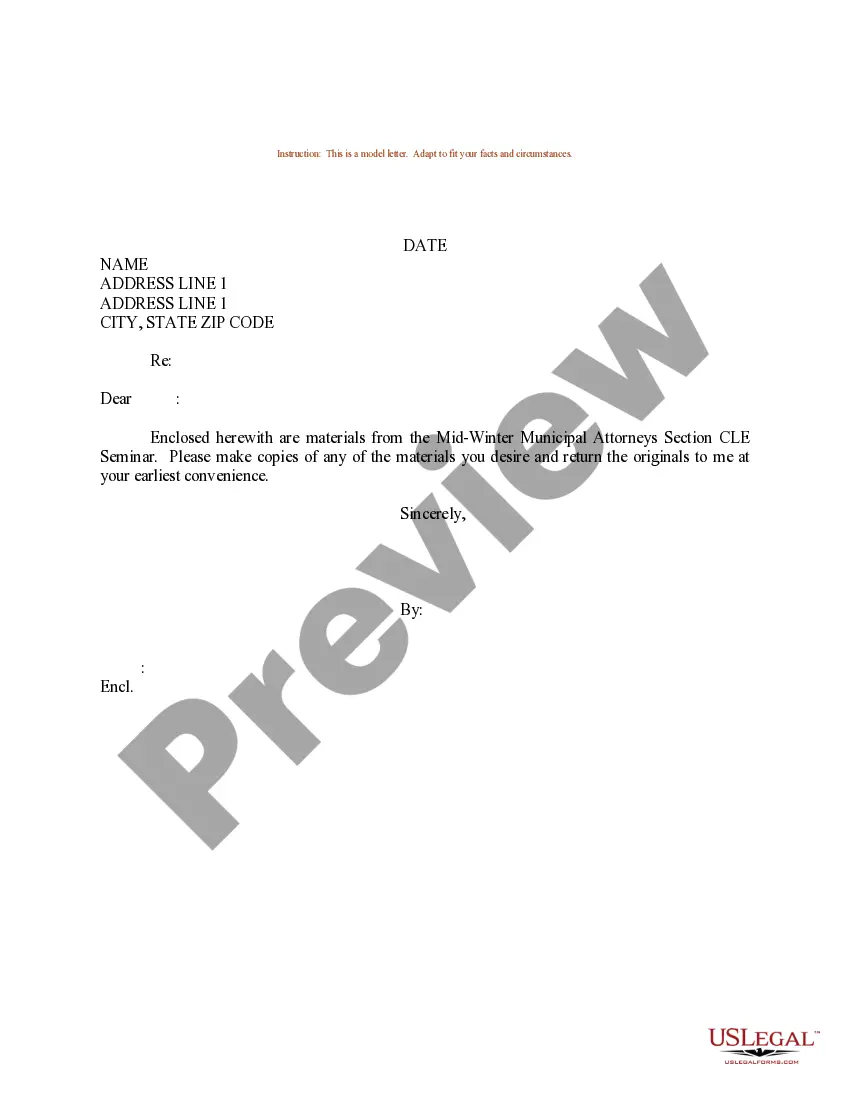
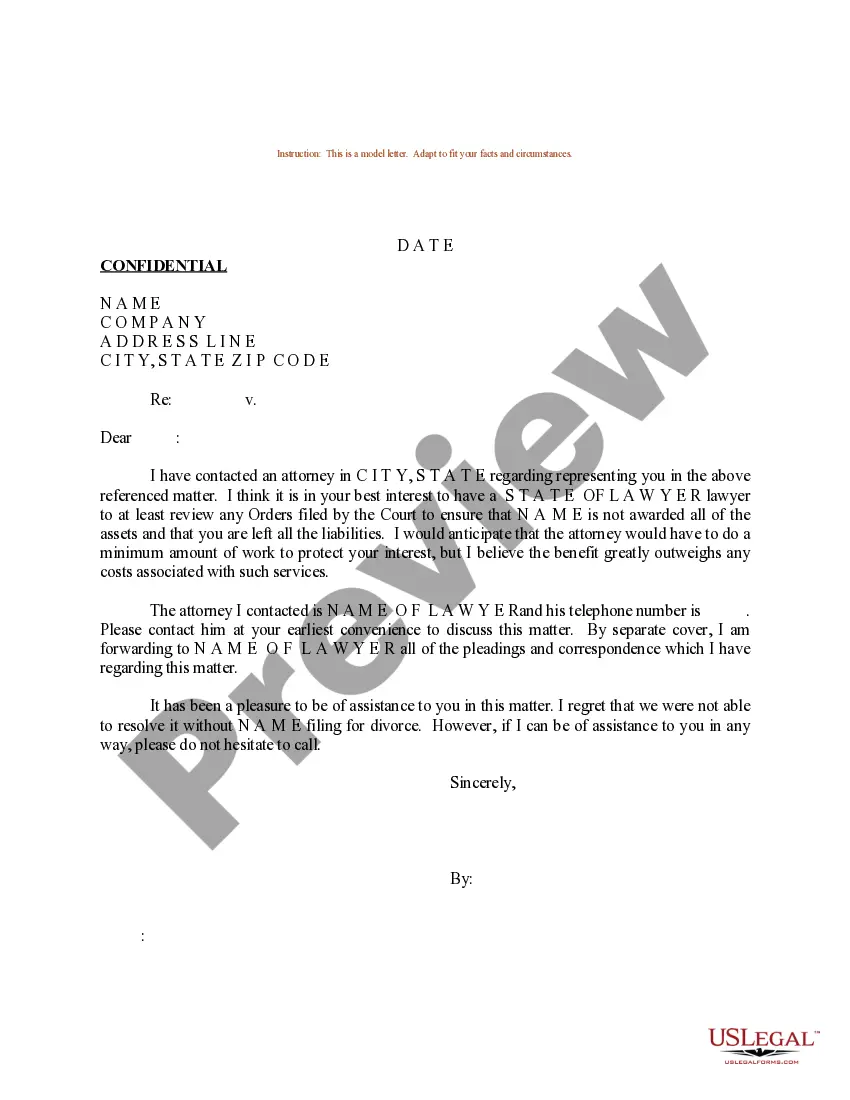
Get your form ready online
Our built-in tools help you complete, sign, share, and store your documents in one place.
Make edits, fill in missing information, and update formatting in US Legal Forms—just like you would in MS Word.
Download a copy, print it, send it by email, or mail it via USPS—whatever works best for your next step.
Sign and collect signatures with our SignNow integration. Send to multiple recipients, set reminders, and more. Go Premium to unlock E-Sign.
If this form requires notarization, complete it online through a secure video call—no need to meet a notary in person or wait for an appointment.
We protect your documents and personal data by following strict security and privacy standards.

Make edits, fill in missing information, and update formatting in US Legal Forms—just like you would in MS Word.

Download a copy, print it, send it by email, or mail it via USPS—whatever works best for your next step.

Sign and collect signatures with our SignNow integration. Send to multiple recipients, set reminders, and more. Go Premium to unlock E-Sign.

If this form requires notarization, complete it online through a secure video call—no need to meet a notary in person or wait for an appointment.

We protect your documents and personal data by following strict security and privacy standards.
Looking for another form?







Form popularity
FAQ
Under the “Reporting Professional Misconduct” rule, Rule 4-8.3, an attorney is obligated to report another attorney's misconduct if the attorney has actual knowledge of a misconduct that raises a substantial question as to the offending attorney's “honesty, trustworthiness, or fitness as a lawyer in other respects.” ...
Attorney and lawyer mean the same thing. Attorney derives from an Old French word for lawyer ("attorn"), while lawyer derives from the Old English word ("lawe"). That we use both today is more a reflection of the complicated history of the English language rather than any kind of legal distinction.
An attorney will better represent most people's legal needs than a lawyer. Attorneys have the full authority to represent you in all court matters.
The ABA uses these terms interchangeably to refer to a person who can practice law. The American Bar Association states on their website that “A lawyer (also called attorney, counsel, or counselor) is a licensed professional who advises and represents others in legal matters.”
What is the difference between a lawyer and an attorney? It is helpful to remember that all attorneys are lawyers, but not all lawyers are attorneys. The major difference is that attorneys can represent clients in court and other legal proceedings, while lawyers cannot.
The primary difference between an attorney and a lawyer is that an attorney is licensed to practice law and represent clients in court, while a lawyer has completed law school but may not be licensed to practice law. All attorneys are lawyers, but not all lawyers are attorneys.
Ing to the ABA, the most common attorney discipline complaints filed with the bar association involve: Neglect. Lack of communication. Misrepresentation or dishonesty. Scope of representation. Fee disputes.
Lawyers who are licensed by the Supreme Court of Florida to practice law in the state must be a member of The Florida Bar.
As an official arm of the Florida Supreme Court, The Florida Bar's Division of Lawyer Regulation protects the public by providing a means to address lawyer misconduct. The division accepts and investigates complaints against lawyers, and prosecutes those who engage in unethical conduct.

