Ceo Appointment Resolution Format In Travis
Description
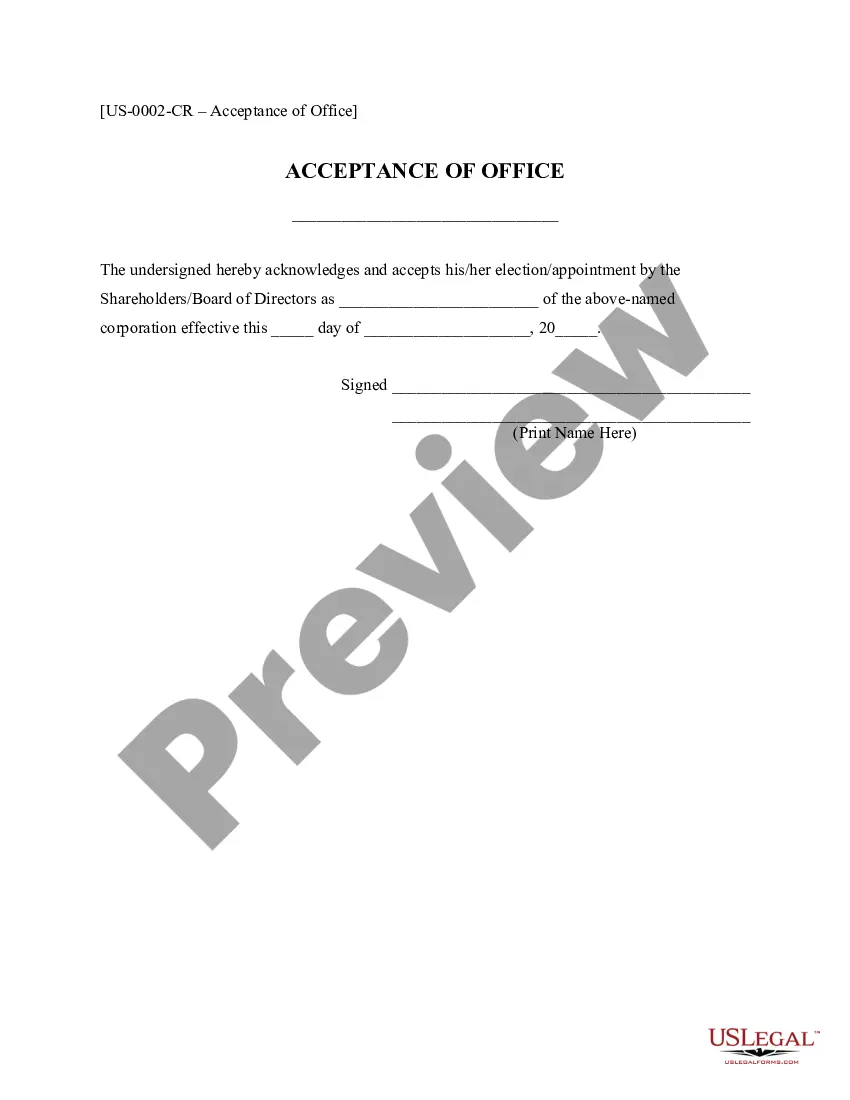

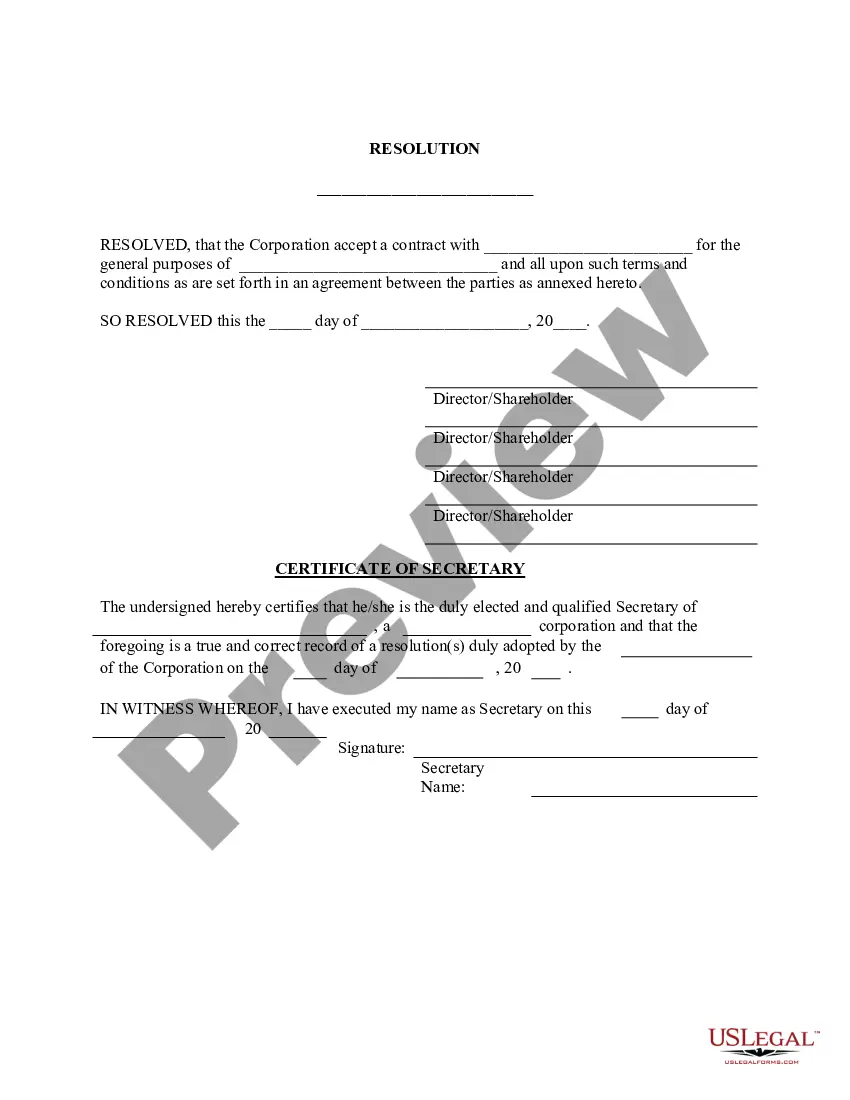
Get your form ready online
Our built-in tools help you complete, sign, share, and store your documents in one place.
Make edits, fill in missing information, and update formatting in US Legal Forms—just like you would in MS Word.
Download a copy, print it, send it by email, or mail it via USPS—whatever works best for your next step.
Sign and collect signatures with our SignNow integration. Send to multiple recipients, set reminders, and more. Go Premium to unlock E-Sign.
If this form requires notarization, complete it online through a secure video call—no need to meet a notary in person or wait for an appointment.
We protect your documents and personal data by following strict security and privacy standards.

Make edits, fill in missing information, and update formatting in US Legal Forms—just like you would in MS Word.

Download a copy, print it, send it by email, or mail it via USPS—whatever works best for your next step.

Sign and collect signatures with our SignNow integration. Send to multiple recipients, set reminders, and more. Go Premium to unlock E-Sign.

If this form requires notarization, complete it online through a secure video call—no need to meet a notary in person or wait for an appointment.

We protect your documents and personal data by following strict security and privacy standards.
Looking for another form?






Form popularity
FAQ
The report typically includes financial highlights, operational updates, and key performance indicators (KPIs), offering a comprehensive view of the company's current status and its trajectory. The CEO report helps the board determine organizational needs and set priorities.
Appointment of an Executive Director Only a person of age twenty-one and above and who has not attained the age of seventy is allowed to be appointed as an executive director under section 196 of the act. However, a person who has attained the age of seventy can still be appointed by passing a special resolution.
Shareholder Approval: Appointment of an independent director in a listed entity requires shareholder approval through a special resolution (SEBI Regulations).
“RESOLVED THAT pursuant to the provisions of Sections 2(18), 203 of the Companies Act, 2013, Mr. ................ be and is hereby appointed as the Chief Executive Officer (CEO) of the company, subject to the approval of the members and any other authorities, as may be necessary.
The company may pass a resolution to appoint a director in an Annual General Meeting (AGM). If the company decides to appoint a director in the middle of the year, it may appoint a director by passing a resolution in an Extraordinary General Meeting (EGM).
Appointment of an Executive Director Only a person of age twenty-one and above and who has not attained the age of seventy is allowed to be appointed as an executive director under section 196 of the act. However, a person who has attained the age of seventy can still be appointed by passing a special resolution.
A Directors' Resolution to Appoint Director(s) and/or Acknowledge Resignation of Director(s) is a resolution passed by the directors of a company to appoint a new director, typically to fill a casual vacancy on the board after a resignation. Once appointed, the board will send a Director's Appointment Letter.
File e-Form MGT-14 and DIR-12 along with attachments with the Registrar of Companies regarding appointment of director and simultaneously as a Chief Executive Officer (C.E.O.) within thirty (30) days from appointment as Chief Executive Officer (C.E.O.).
Here is an example of a conclusion versus a resolution: Resolution: The team happily celebrated their victory after a challenging face-off with their rival. Here, the resolution marks the end of a story.
What should corporate resolutions include? Your corporation's name. Date, time and location of meeting. Statement of unanimous approval of resolution. Confirmation that the resolution was adopted at a regularly called meeting. Resolution. Statement authorizing officers to carry out the resolution.

