Illinois Collection Letter by Contractor
Overview of this form
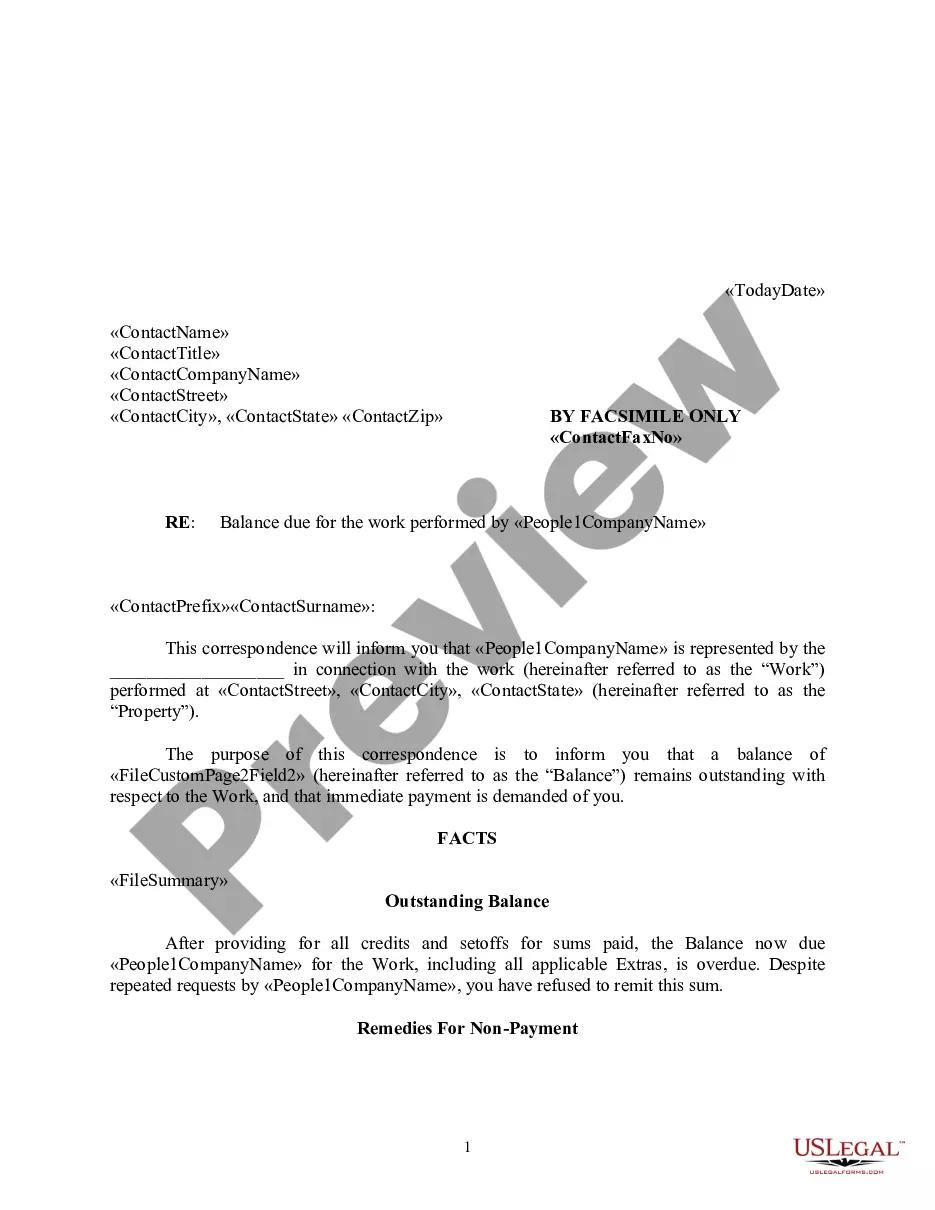
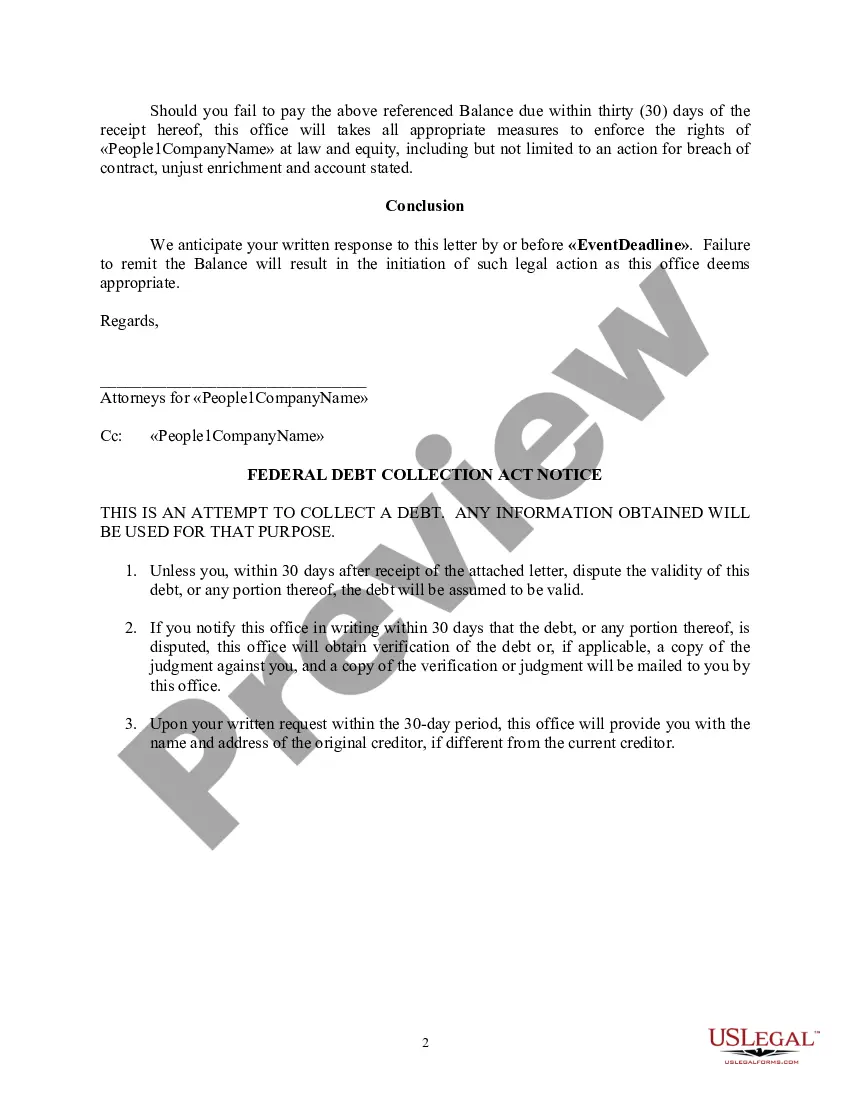
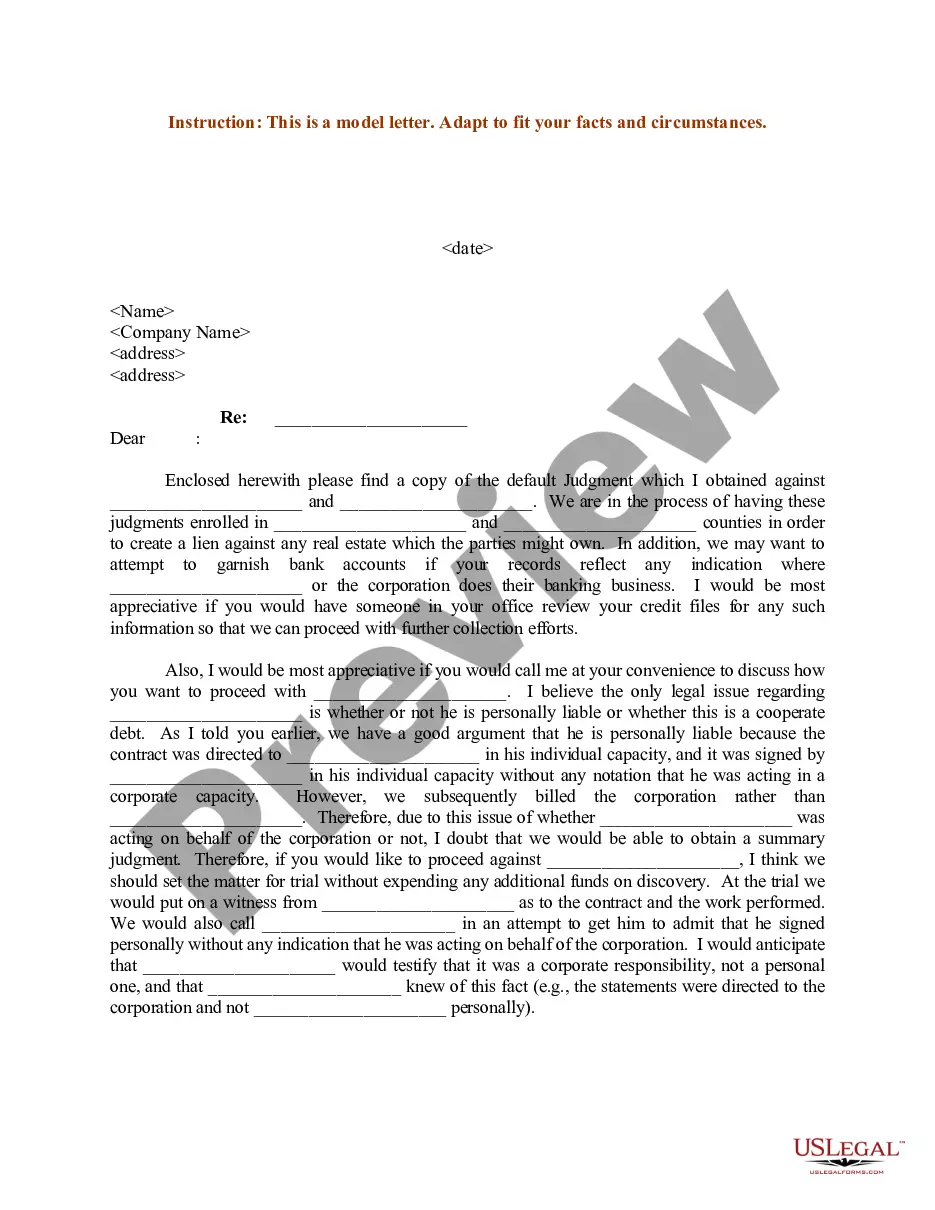
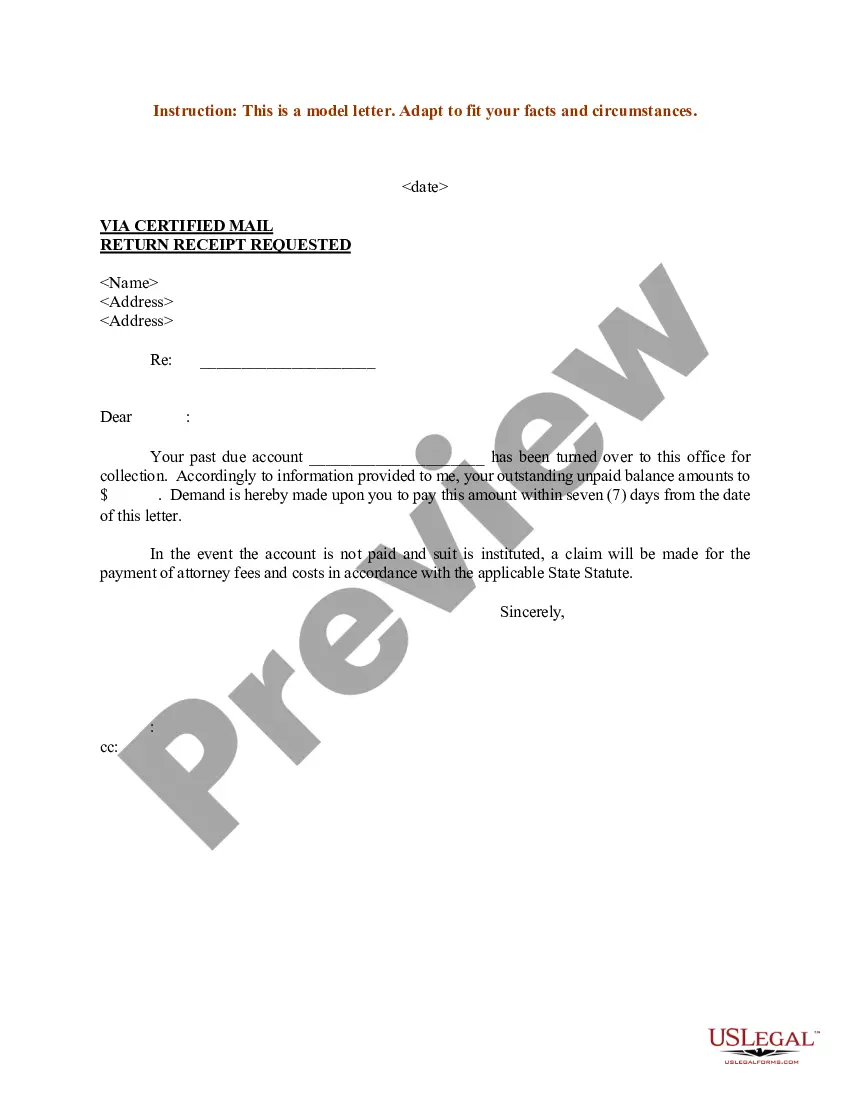
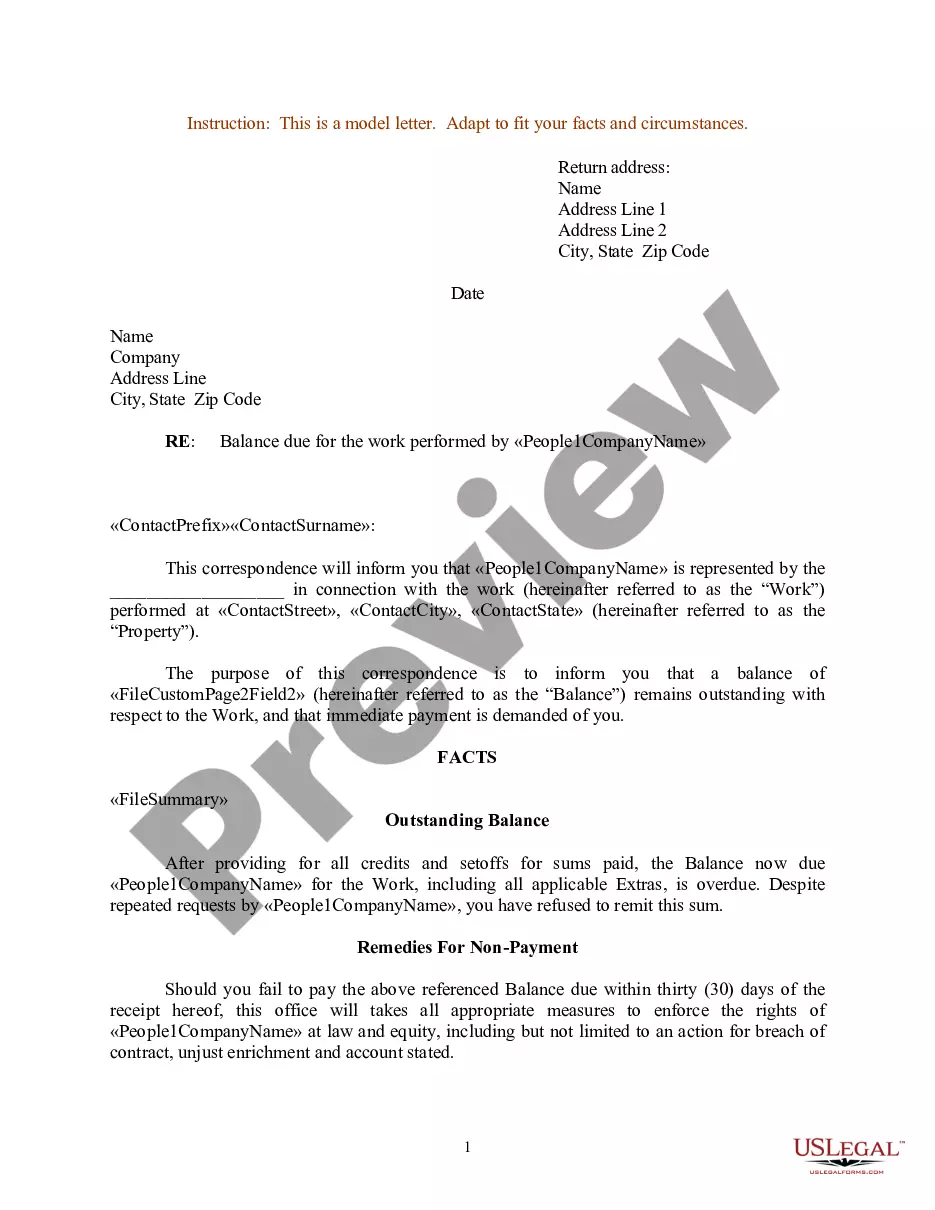
The Collection Letter by Contractor is a legal document used by contractors to formally request payment from debtors for services rendered. This letter serves as a notification that the account is past due and outlines potential consequences if payment is not received. Unlike general collection letters, this form is specifically tailored for contractors and is designed to convey the urgency of payment while detailing the outstanding balance and possible legal actions.
Key components of this form
- Date of the letter
- Contractor's contact information
- Debtor's details
- Outstanding balance amount
- Deadline for payment
- Consequences of non-payment
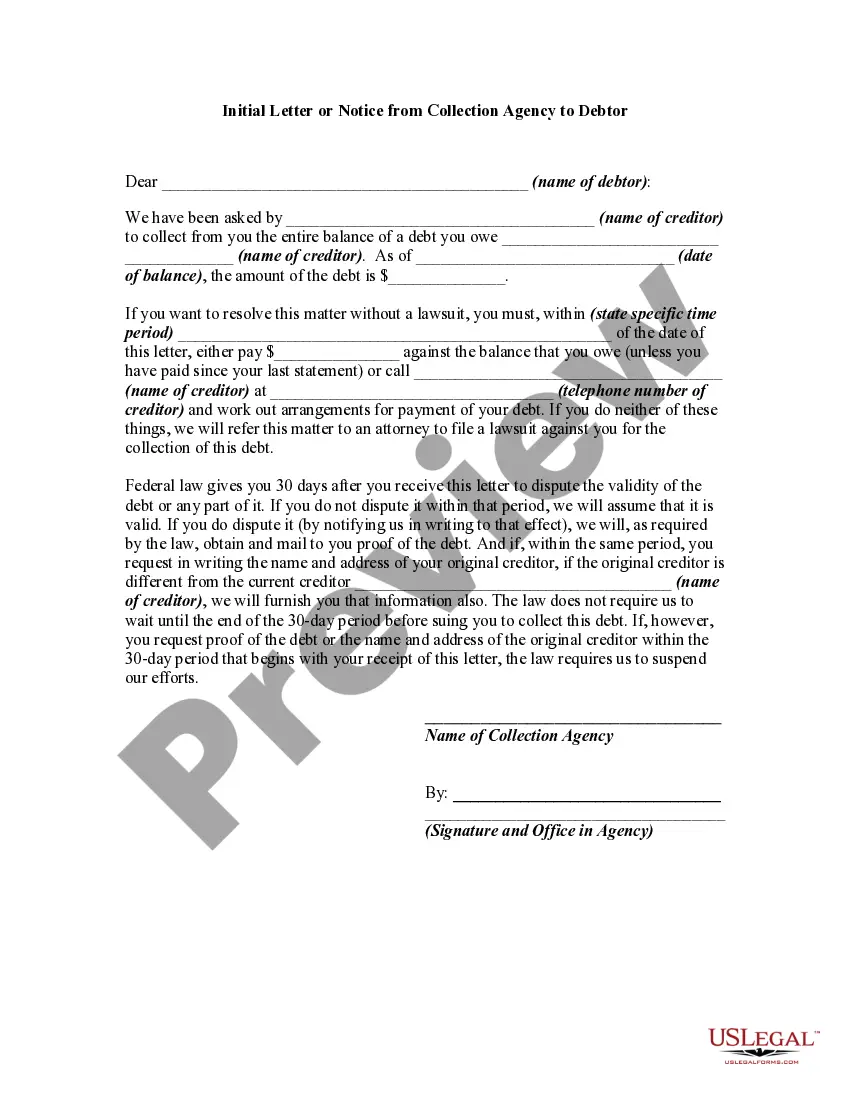
- Legal notifications regarding debt collection
When this form is needed
This form should be used when a contractor has provided services to a client and has not received payment by the due date. It is appropriate for use when previous reminders have failed, and formal action is needed to encourage payment. The Collection Letter can initiate discussions about outstanding balances and the potential legal steps that may follow if payment is not made.
Who this form is for
- Contractors seeking payment for completed work
- Businesses in the construction or service industry
- Individuals or companies with overdue accounts from clients
- Unpaid parties looking to clarify their rights regarding debts
Completing this form step by step
- Enter the date at the top of the form.
- Fill in your contact information as the contractor.
- Provide the debtor's name and address.
- Clearly state the outstanding balance and any applicable details regarding the work performed.
- Add a deadline by which payment must be made.
- Sign the letter and include your title and company name.
Notarization guidance
This form does not typically require notarization to be legally valid. However, some jurisdictions or document types may still require it. US Legal Forms provides secure online notarization powered by Notarize, available 24/7 for added convenience.
Get your form ready online
Our built-in tools help you complete, sign, share, and store your documents in one place.
Make edits, fill in missing information, and update formatting in US Legal Forms—just like you would in MS Word.
Download a copy, print it, send it by email, or mail it via USPS—whatever works best for your next step.
Sign and collect signatures with our SignNow integration. Send to multiple recipients, set reminders, and more. Go Premium to unlock E-Sign.
If this form requires notarization, complete it online through a secure video call—no need to meet a notary in person or wait for an appointment.
We protect your documents and personal data by following strict security and privacy standards.

Make edits, fill in missing information, and update formatting in US Legal Forms—just like you would in MS Word.

Download a copy, print it, send it by email, or mail it via USPS—whatever works best for your next step.

Sign and collect signatures with our SignNow integration. Send to multiple recipients, set reminders, and more. Go Premium to unlock E-Sign.

If this form requires notarization, complete it online through a secure video call—no need to meet a notary in person or wait for an appointment.

We protect your documents and personal data by following strict security and privacy standards.
Mistakes to watch out for
- Failing to clearly state the outstanding balance
- Not specifying a deadline for payment
- Omitting the consequences of non-payment
- Using unclear language that may confuse the debtor
Benefits of using this form online
- Convenient access to a professionally drafted template
- Editable format allows for personalization
- Quick download ensures timely communication with debtors
- Reliable content drafted by licensed attorneys to ensure legal compliance
Legal use & context
- The form establishes a formal demand for payment.
- Failure to respond can lead to legal actions for breach of contract.
- Offers a clear record of communication regarding the debt.
Key takeaways
- The Collection Letter by Contractor is essential for managing overdue payments.
- It outlines the expectation of payment and potential legal actions.
- Using this form can streamline the debt collection process and protect your rights as a contractor.
Looking for another form?
Form popularity
FAQ
Receiving an Illinois Collection Letter by Contractor from the Illinois Department of Revenue typically indicates that there are outstanding tax obligations related to your business activities. This letter serves as a formal notification, and it may outline the specific amounts due, along with any penalties that have accrued. It's important to address this matter promptly to avoid further complications. Using platforms like US Legal Forms can help you navigate the necessary procedures and documentation required to resolve this issue effectively.
In Illinois, the Statute of Limitations on debt ranges from 5 years to 10 years. Some debt collection agencies buy old debts, out the Statute of Limitation period for pennies on the dollar from the original creditor in order to collect what they can.
Under the Fair Debt collection Practices Act (FDCPA), I have the right to request validation of the debt you say I owe you. I am requesting proof that I am indeed the party you are asking to pay this debt, and there is some contractual obligation that is binding on me to pay this debt.
You'll get notices and possibly calls seeking payment. At some point, usually after 180 days, the creditor such as a credit card company, bank or medical provider gives up on trying to collect. The original creditor may then sell the debt to a collections agency to recoup losses.
The statute of limitations in Illinois is five years for open accounts for debt collections and oral contracts and ten years for written contracts. The good news is that the debts are time-barred and you can't be sued for them.
According to Georg Finder, an independent credit evaluator, a contractor can indeed send your account to a collection firm, even when you have voiced your concerns with his work. However, that doesn't mean you should give in and pay. You can and should defend yourself against bills for shoddy workmanship.
Reference the products or services that were purchased. Make it very clear what you did for your client and how much it costs. Maintain a friendly but firm tone. Remind the payee of their contract or agreement with you. Offer multiple ways the payee can take action. Add a personal touch. Give them a new deadline.
There is no statute of limitations on how long a creditor can attempt to collect an unpaid debt, but there is a deadline for when they can still use litigation to receive a court judgment against the debtor.Creditors can request methods of enforcing the court order, such as wage garnishment.
The amount the debtor owes you. The initial due date of the payment. A new due date for the payment, whether ASAP or longer. Instructions on how to pay the debt.
Here's some basic information you should write down anytime you speak with a debt collector: date and time of the phone call, the name of the collector you spoke to, name and address of collection agency, the amount you allegedly owe, the name of the original creditor, and everything discussed in the phone call.