Executor Executors Will For All
Description
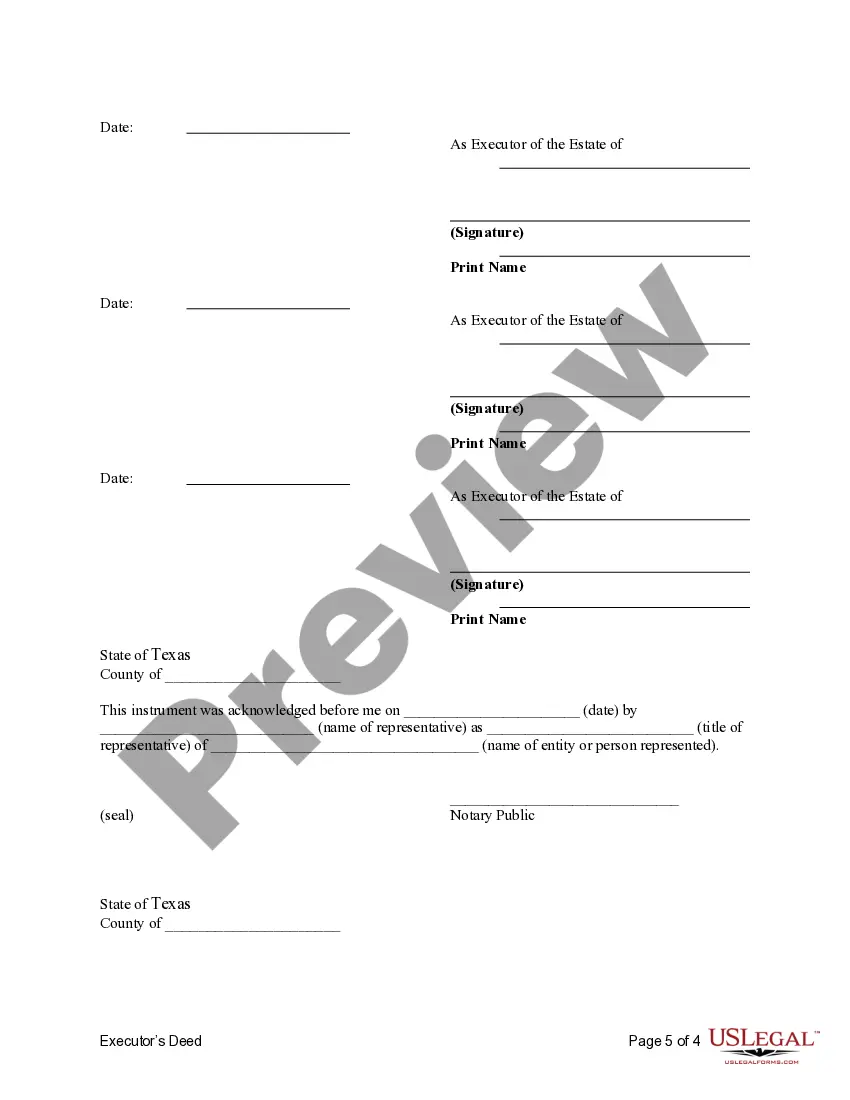
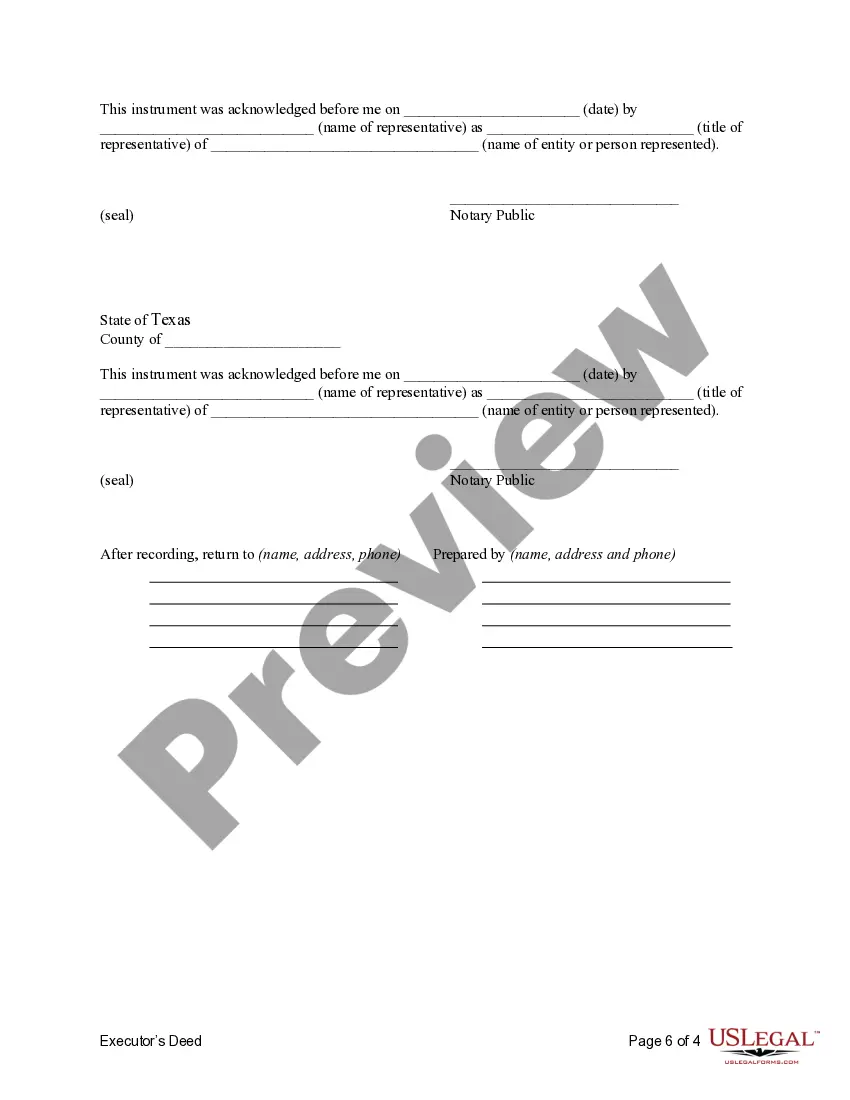

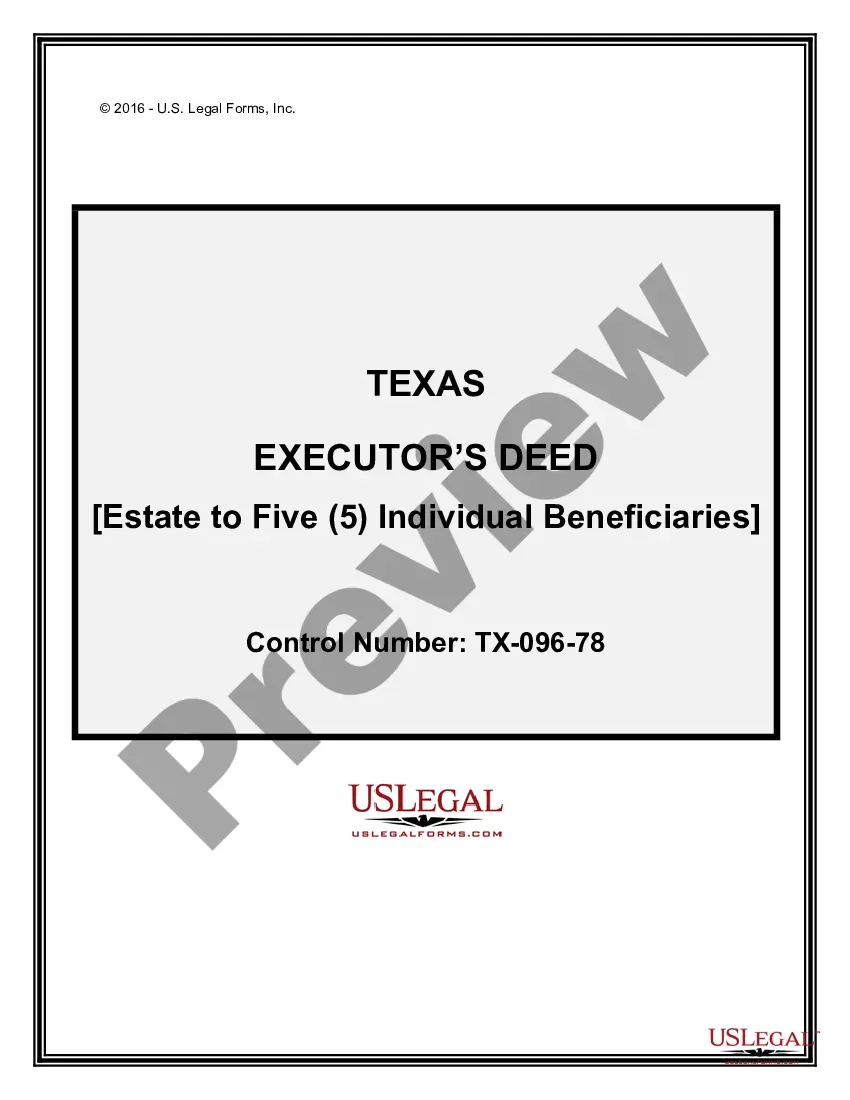
Get your form ready online
Our built-in tools help you complete, sign, share, and store your documents in one place.
Make edits, fill in missing information, and update formatting in US Legal Forms—just like you would in MS Word.
Download a copy, print it, send it by email, or mail it via USPS—whatever works best for your next step.
Sign and collect signatures with our SignNow integration. Send to multiple recipients, set reminders, and more. Go Premium to unlock E-Sign.
If this form requires notarization, complete it online through a secure video call—no need to meet a notary in person or wait for an appointment.
We protect your documents and personal data by following strict security and privacy standards.

Make edits, fill in missing information, and update formatting in US Legal Forms—just like you would in MS Word.

Download a copy, print it, send it by email, or mail it via USPS—whatever works best for your next step.

Sign and collect signatures with our SignNow integration. Send to multiple recipients, set reminders, and more. Go Premium to unlock E-Sign.

If this form requires notarization, complete it online through a secure video call—no need to meet a notary in person or wait for an appointment.

We protect your documents and personal data by following strict security and privacy standards.
Looking for another form?
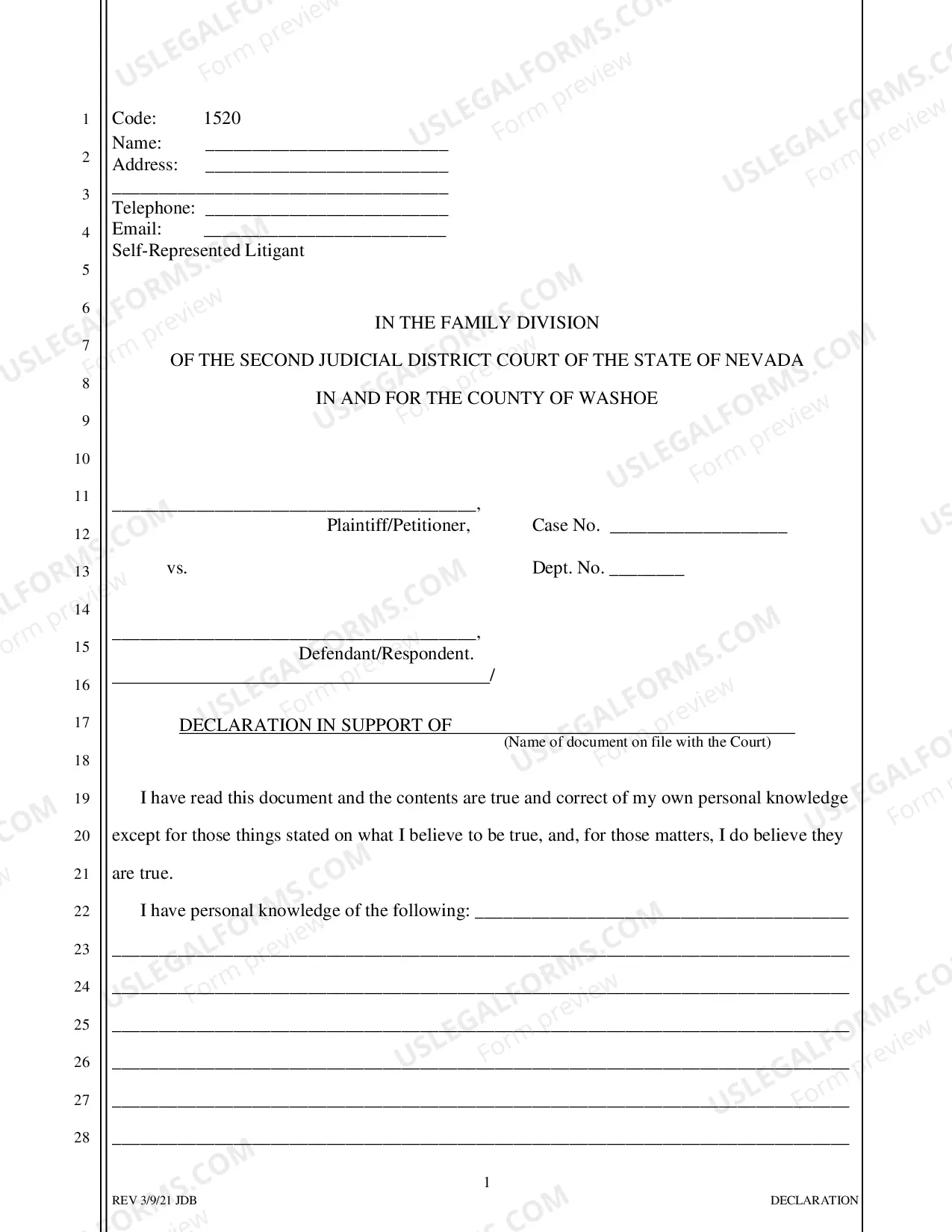




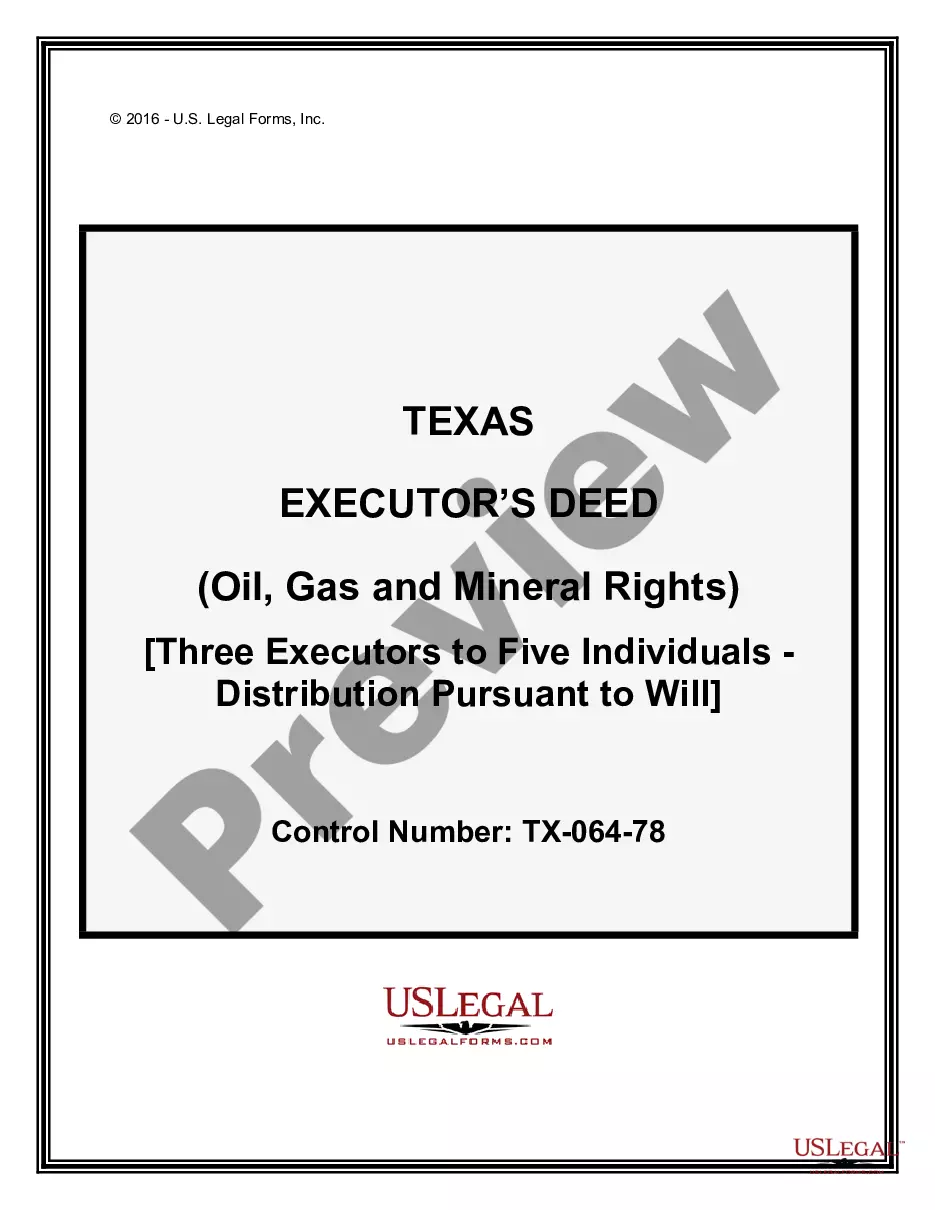
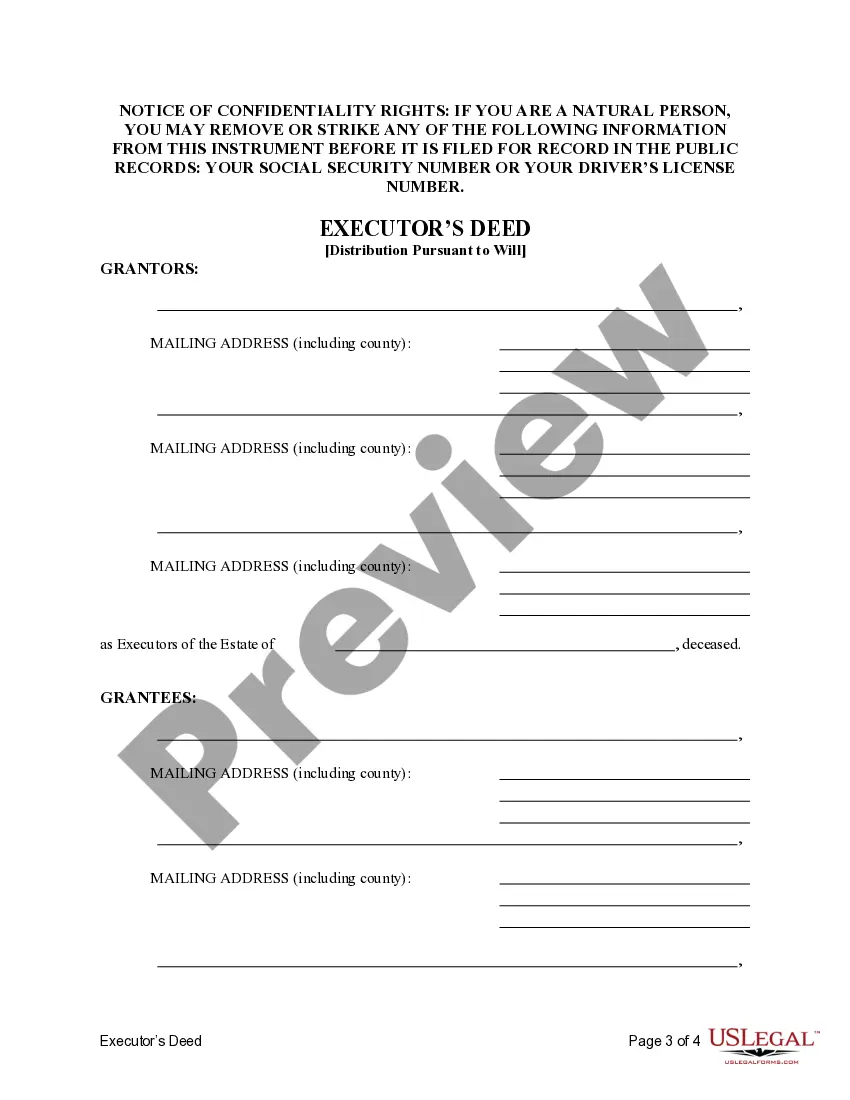
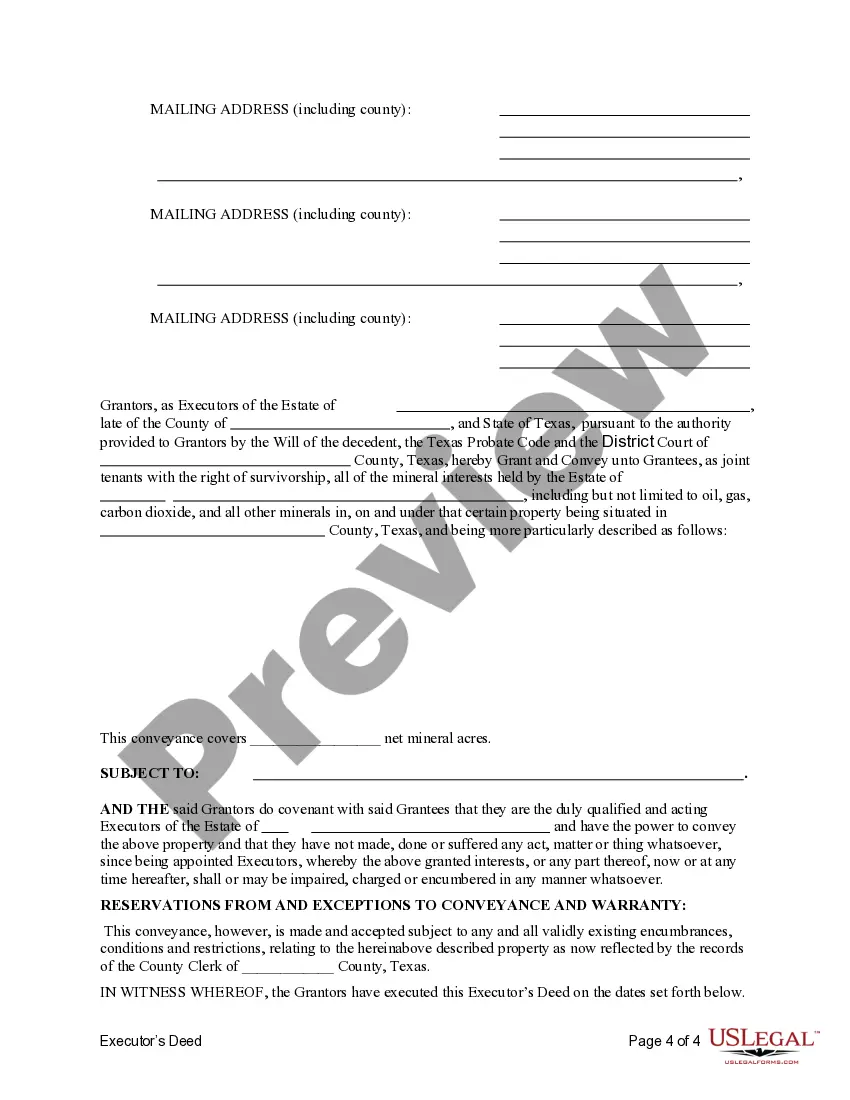
How to fill out Texas Executor's Deed - Three Executors To Five Beneficiaries Pursuant To Terms Of Will?
- If you've previously used US Legal Forms, log in to your account and select the form you need from the library. Ensure that your subscription is up to date; if not, renew according to your payment plan.
- For first-time users, start by viewing the form description and Preview mode. Confirm that the document suits your requirements and complies with your local jurisdiction.
- If necessary, use the Search feature to find an alternative template that better fits your needs. Once you locate the correct form, proceed to the next step.
- To acquire the document, click the Buy Now button and choose your preferred subscription plan. Registration for an account is required to access the resources.
- Complete the purchase by providing your credit card information or using your PayPal account. This ensures secure transaction processing.
- Finally, download your form to your device. You can access it anytime later in the My Forms section of your profile.
With US Legal Forms, you gain access to a robust collection of legal templates, expert assistance, and a commitment to making legal processes simpler and more efficient.
Start leveraging the benefits today by exploring our extensive library and take the first step towards hassle-free legal documentation!
Form popularity
FAQ
While an executor holds significant authority over the estate, they do not possess unlimited power. Executors must follow the guidelines set forth in the will and comply with state laws. Their role involves making decisions that align with the wishes of the deceased, keeping beneficiaries informed, and maintaining accurate records. For anyone navigating these responsibilities, US Legal Forms offers resources to simplify the process and provide clarity.
An executor of a will cannot simply take everything for themselves. The executor has a fiduciary duty to act in the best interest of the estate and its beneficiaries. Their responsibility includes managing assets, paying debts, and distributing property according to the will. Therefore, the executor must operate transparently and follow the instructions laid out in the will to ensure fairness for all involved.
The first step as an executor involves locating the will and ensuring its validity. After that, you need to notify beneficiaries and begin the probate process, which can help clarify the next steps. Gathering important documents, such as the deceased's financial record, will provide clarity for the tasks ahead. Resources like uslegalforms can guide you through these initial steps effectively.
As an executor, avoid making decisions without consulting the will or beneficiaries. Do not mismanage estate funds or act in ways that appear self-serving. It’s also crucial to avoid procrastination, as delays can create problems for everyone involved. Always keep transparent communication with beneficiaries and adhere to the responsibilities outlined in the will to maintain trust.
Executors can make several common mistakes, often stemming from misunderstanding their role. Failing to follow the terms of the will or not communicating properly with beneficiaries can create conflict. Additionally, mismanaging estate assets or neglecting tax obligations can lead to issues. It’s wise for executors to familiarize themselves with the process or seek guidance from resources like uslegalforms.
Yes, you can appoint multiple executors for your will, and this can provide benefits. Having co-executors can share the workload and bring different strengths to the table. However, it’s important to ensure they can work together harmoniously, as disagreements can complicate the process. Using uslegalforms can help you draft a clear will that outlines the roles and responsibilities of each executor.
Choosing the right executor for your will is crucial. The ideal executor is someone trustworthy, organized, and willing to take on the responsibility. This person should have a good understanding of your wishes and be capable of managing financial matters. Consider family members or close friends, but ensure they can handle the duties involved with an executor's role.
The first task of an executor is to locate and review the deceased’s will. Once you have the will, you should file it with the probate court to begin the estate administration process. This step is critical, as it sets the legal foundation for how the estate will be settled. Understanding duties through tools like USLegalForms can facilitate this journey for executor executors will for all.
To file for executor of an estate, you begin by applying to the probate court in your state. You will need to present the will and any necessary documents that prove your relationship to the deceased. The court will review your application and, if approved, appoint you as the executor. Using resources from USLegalForms can simplify this process, guiding you through each step of executor executors will for all.
Choosing the right executor for your will is crucial. This person should be responsible, trustworthy, and organized. Often, individuals choose a family member or close friend who understands their wishes. Ultimately, the best executor is someone who can effectively manage the responsibilities associated with the executor executors will for all.