Texas Execution
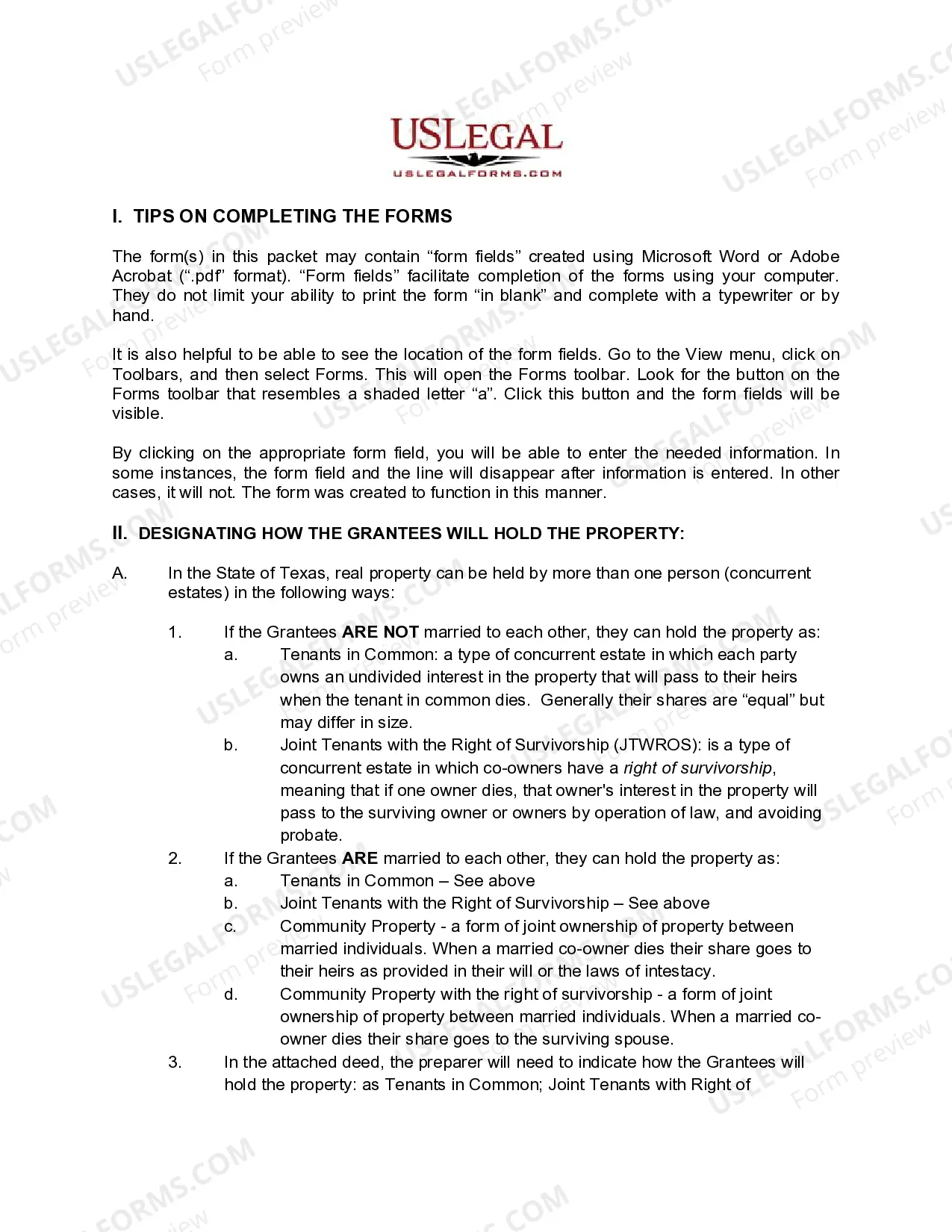
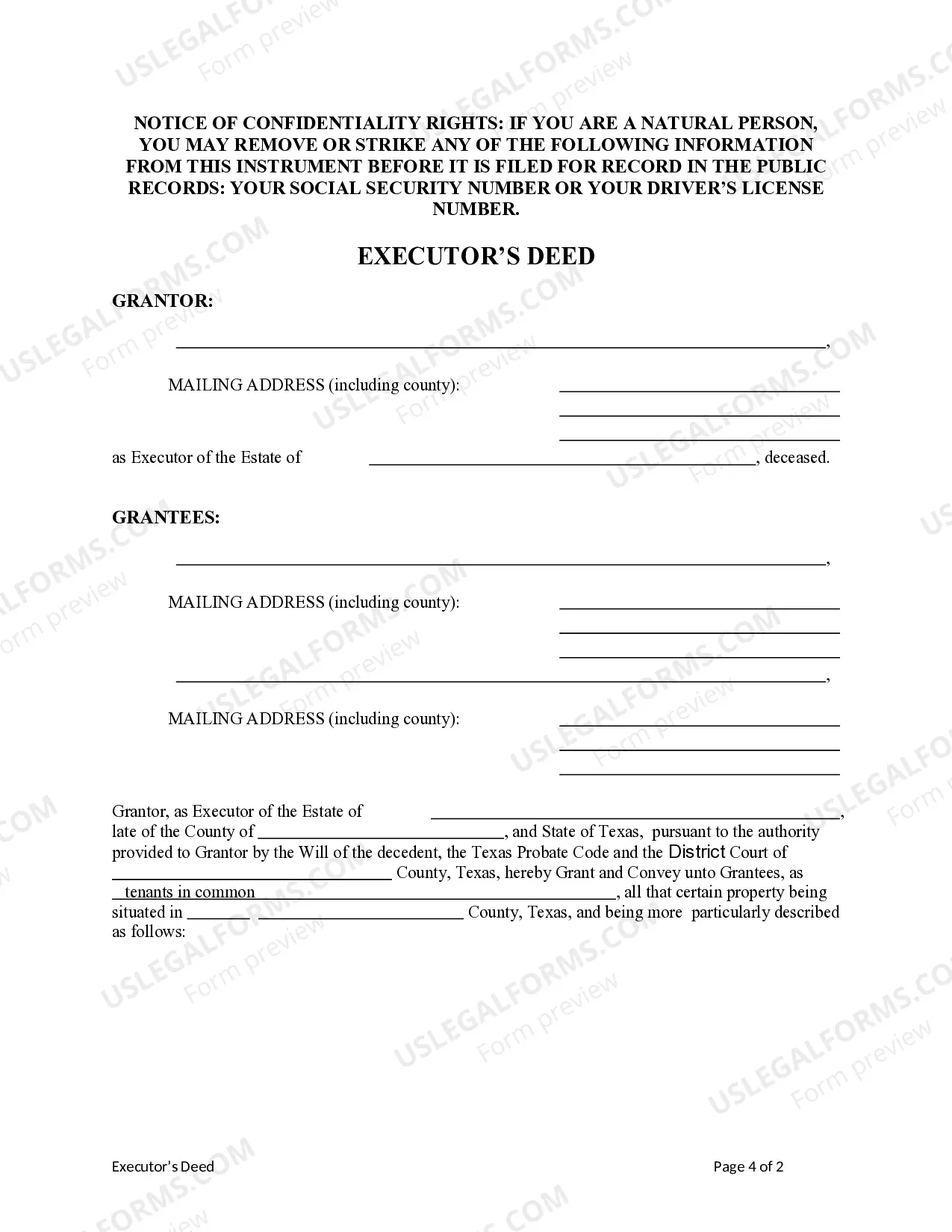
Description
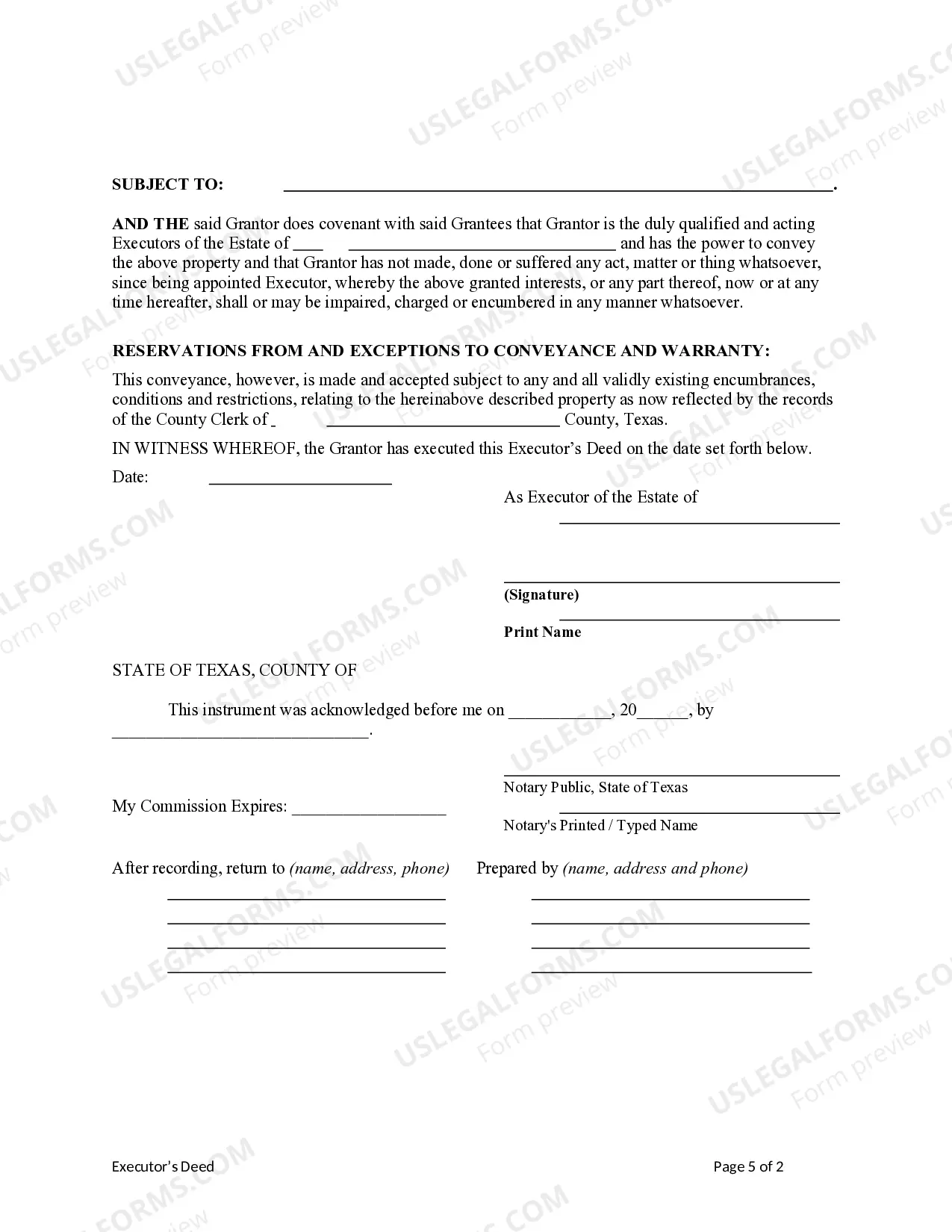


Get your form ready online
Our built-in tools help you complete, sign, share, and store your documents in one place.
Make edits, fill in missing information, and update formatting in US Legal Forms—just like you would in MS Word.
Download a copy, print it, send it by email, or mail it via USPS—whatever works best for your next step.
Sign and collect signatures with our SignNow integration. Send to multiple recipients, set reminders, and more. Go Premium to unlock E-Sign.
If this form requires notarization, complete it online through a secure video call—no need to meet a notary in person or wait for an appointment.
We protect your documents and personal data by following strict security and privacy standards.

Make edits, fill in missing information, and update formatting in US Legal Forms—just like you would in MS Word.

Download a copy, print it, send it by email, or mail it via USPS—whatever works best for your next step.

Sign and collect signatures with our SignNow integration. Send to multiple recipients, set reminders, and more. Go Premium to unlock E-Sign.

If this form requires notarization, complete it online through a secure video call—no need to meet a notary in person or wait for an appointment.

We protect your documents and personal data by following strict security and privacy standards.
Looking for another form?





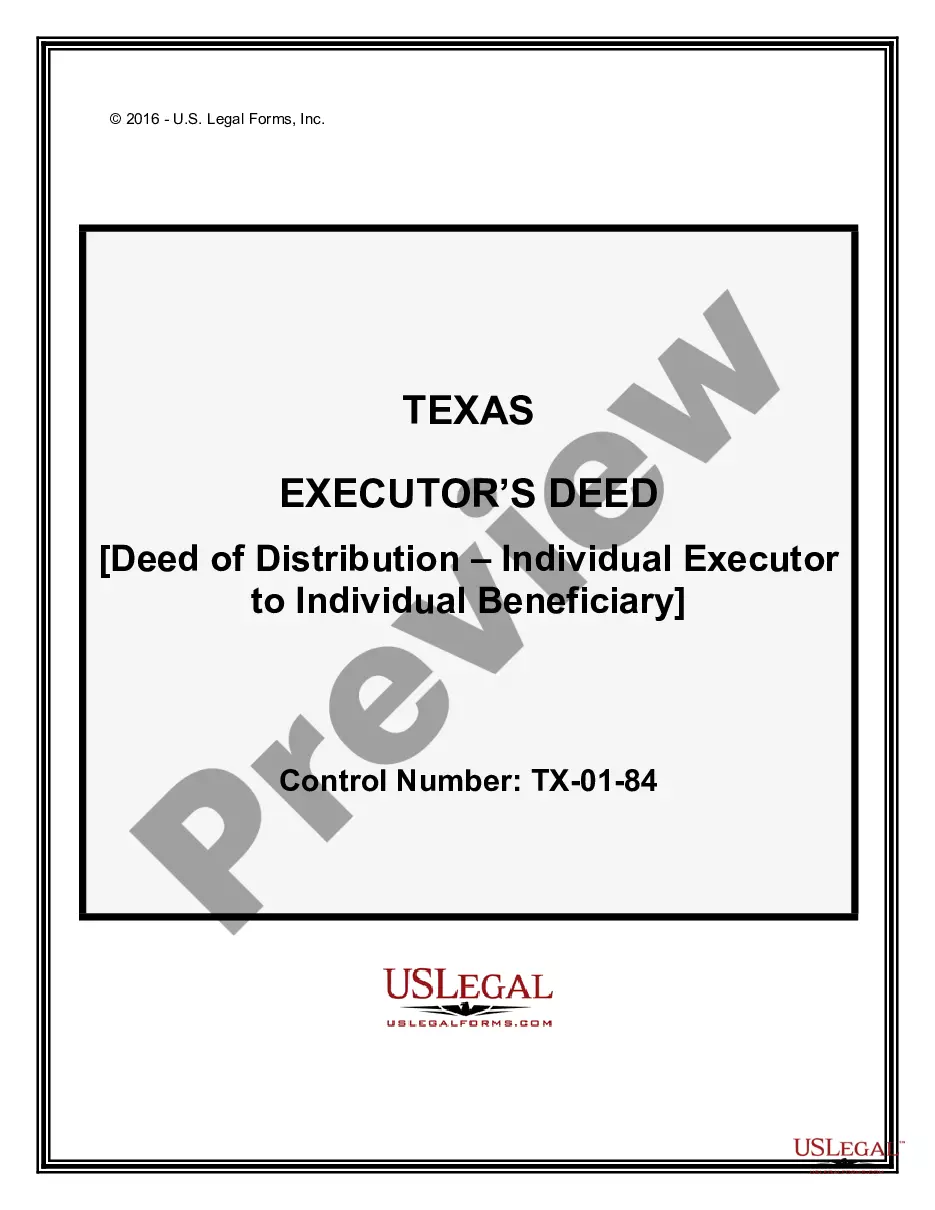
How to fill out Texas Executor's Deed - Estate To Two Beneficiaries?
- If you're an existing user, log in to your account to access your forms. Ensure your subscription is active; otherwise, renew based on your payment plan.
- For new users, start by browsing the preview mode to assess form descriptions. Confirm you’ve selected the correct template that aligns with your legal needs.
- Search for additional templates if necessary. If you notice any discrepancies, utilize the search tab to locate the proper form.
- Once you’ve made your selection, click the Buy Now button to choose a suitable subscription plan as you'll need to register for account access.
- Complete your transaction by entering your payment details or using your PayPal account to ensure seamless access.
- Download the form directly onto your device for completion. You can also revisit it anytime in the My Forms section of your account.
US Legal Forms stands out with its robust collection, offering more forms than competitors, accommodating diverse legal needs efficiently. Additionally, users can consult premium experts for assistance, guaranteeing accuracy and legal soundness.
Now that you're equipped with this guide, accessing Texas execution forms is easier than ever. Begin your process today and take advantage of US Legal Forms to streamline your legal documentation.
Form popularity
FAQ
Eligibility for the death penalty in Texas requires the conviction of a capital offense, where the individual committed a heinous crime involving extreme violence or the murder of a law enforcement officer. Additionally, aggravating factors, such as previous violent offenses, can increase a person's risk of a Texas execution. Factors like mental competency and the defendant’s intent during the crime also play a significant role. For help comprehending these criteria, USLegalForms provides helpful resources and guidance.
In Texas, you typically need to file a writ of execution within 30 days after the judgment is issued. This time frame is critical for those involved in legal proceedings linked to the Texas execution process. Missing this deadline can result in losing the opportunity to pursue further legal action. For assistance with filing and understanding your rights, consider using a platform like USLegalForms.
In Texas, the death penalty applies to specific crimes, most notably capital murder. A person may face a Texas execution if they intentionally kill someone while committing another felony, like robbery or sexual assault. Additionally, repeat offenders with prior convictions for violent crimes may also be eligible for this severe punishment. Understanding these qualifications is crucial, especially when navigating the legal landscape in Texas.
Texas primarily uses lethal injection as its method of execution. This approach involves administering a series of drugs intended to induce unconsciousness, paralysis, and cardiac arrest. It's designed to be swift and humane, adhering to legal standards. For those seeking detailed information on the Texas execution process, resources like USLegalForms can provide solutions.
To impose the death penalty in Texas, specific legal criteria must be met. Typically, a person must have committed a capital crime, such as murder, under certain aggravating circumstances. Additionally, the prosecution must prove that the individual poses a continuing threat to society. This legal framework aims to ensure that only those exceptionally culpable face the possibility of Texas execution.
The duration of the execution process in Texas can vary significantly. From the time of sentencing to execution, it may take years, often due to appeals and legal reviews. Some cases can linger for over a decade, as legal representatives seek to explore every avenue for their clients. While this lengthy timeline can be frustrating, it reflects the seriousness of capital punishment in Texas.
In general, the execution process is a methodical procedure that follows extensive legal requirements. After a conviction and sentencing, numerous appeals may occur before an execution date is set. The process culminates when the individual is brought to the execution chamber, where the method of execution is performed according to state guidelines. This structured approach seeks to uphold the legal standards surrounding the Texas execution.
The execution process in Texas involves several steps, beginning with a thorough legal review. Once all appeals are exhausted, the court schedules a date for execution. On the designated day, the individual is taken to the execution chamber for the final moments, followed by the administration of lethal injection. This structured process ensures compliance with Texas law and facilitates clear protocol for all parties involved.
The financial costs associated with the death penalty in Texas are significant. It often exceeds millions of dollars due to lengthy legal processes, prolonged incarceration, and extensive trials. Many people find that the expense of Texas execution far outweighs the costs of alternative sentencing. Understanding these financial implications is crucial for those looking into the state's legal system.
Texas removed the last meal option for condemned inmates in 2011 due to a growing sentiment that the tradition might be misinterpreted as indulgence. This change was part of broader reforms regarding Texas execution practices. The focus now lies on ensuring that the process is viewed as fair and just for all involved.