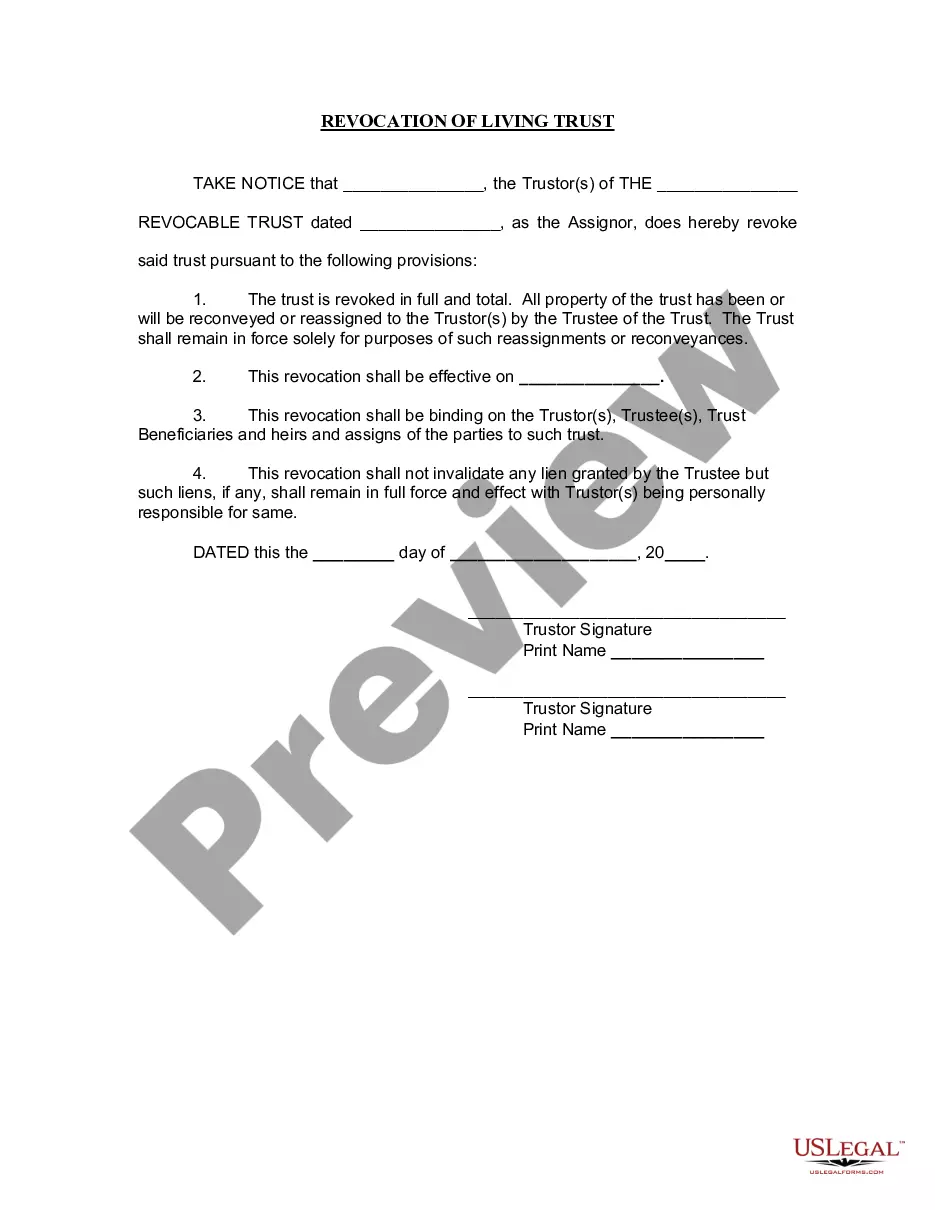
Revocation Living Trust Form With Respect To
Description

Get your form ready online
Our built-in tools help you complete, sign, share, and store your documents in one place.
Make edits, fill in missing information, and update formatting in US Legal Forms—just like you would in MS Word.
Download a copy, print it, send it by email, or mail it via USPS—whatever works best for your next step.
Sign and collect signatures with our SignNow integration. Send to multiple recipients, set reminders, and more. Go Premium to unlock E-Sign.
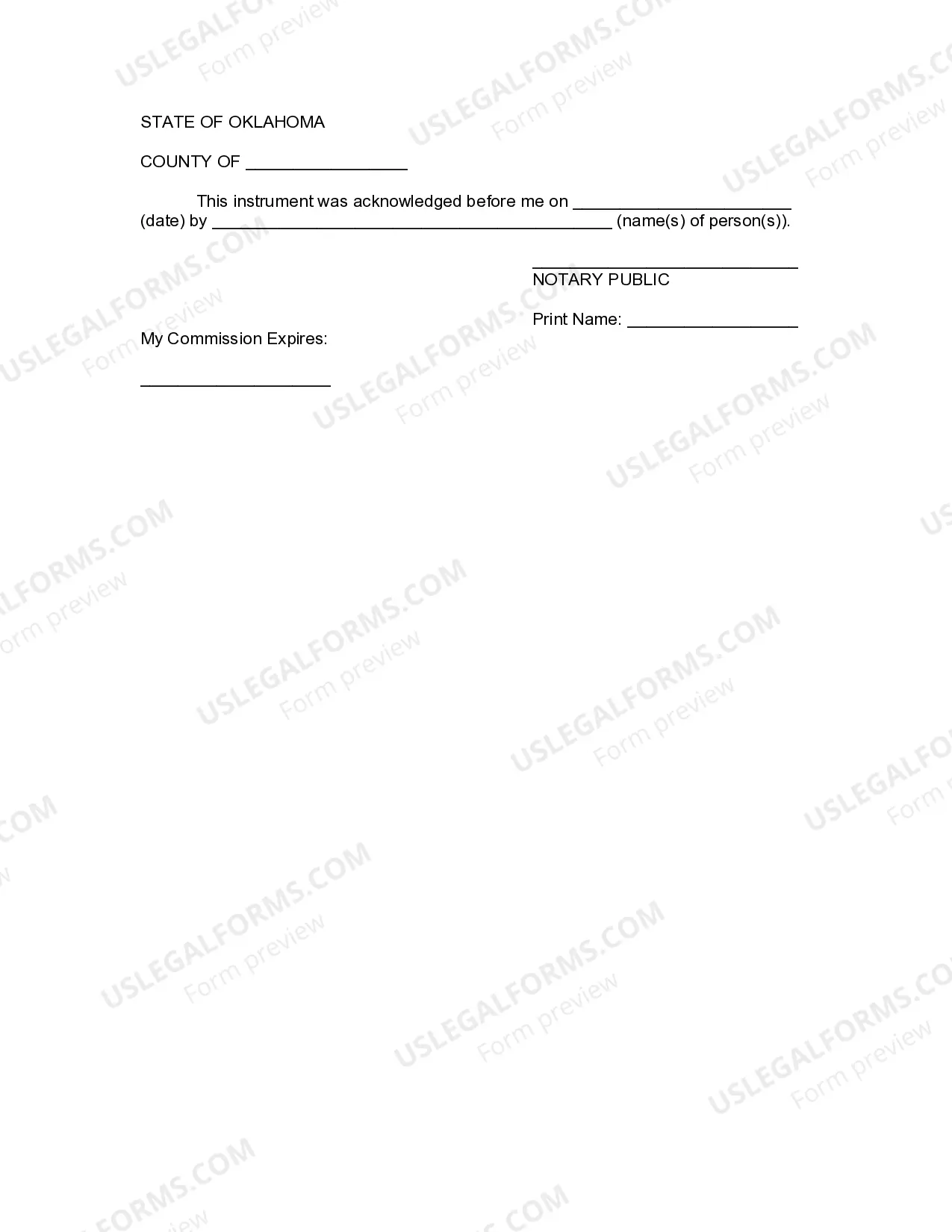
If this form requires notarization, complete it online through a secure video call—no need to meet a notary in person or wait for an appointment.
We protect your documents and personal data by following strict security and privacy standards.

Make edits, fill in missing information, and update formatting in US Legal Forms—just like you would in MS Word.

Download a copy, print it, send it by email, or mail it via USPS—whatever works best for your next step.

Sign and collect signatures with our SignNow integration. Send to multiple recipients, set reminders, and more. Go Premium to unlock E-Sign.

If this form requires notarization, complete it online through a secure video call—no need to meet a notary in person or wait for an appointment.

We protect your documents and personal data by following strict security and privacy standards.
Looking for another form?








How to fill out Oklahoma Revocation Of Living Trust?
- Log into your account on US Legal Forms. If you're a new user, you’ll need to create an account to get started.
- Review the Preview mode and form description to confirm that the revocation living trust form meets your local jurisdiction requirements.
- If necessary, use the Search feature to locate a different template that fits your criteria.
- Select the Buy Now option and choose the subscription plan that works best for you, all while ensuring your payment information is up to date.
- Complete your purchase using your preferred payment method, such as a credit card or PayPal.
- Once your payment is confirmed, download the completed form and save it on your device for future reference.
By following these steps, you can quickly and easily access the revocation living trust form tailored to your specific requirements. The process not only saves time but also ensures that your documents are legally sound.
Take control of your legal needs today. Visit US Legal Forms to get started!
Form popularity
FAQ
The revocation of trust means that the trust is officially canceled, and the assets are returned to the grantor. This action can be initiated using a revocation living trust form with respect to your estate planning goals. It provides a straightforward way to manage changes in your financial situation or testamentary wishes.
The revocation clause in a trust serves to nullify the trust agreement, allowing the grantor to reclaim control over the assets. In your revocation living trust form with respect to the trust's terms, this clause clearly indicates your intention to dissolve the trust. It is essential to draft this clause carefully to avoid any ambiguity in the future.
A revocation clause typically states that a trust is terminated or canceled, effectively redirecting the assets back to the grantor. For instance, you might include a sentence in your revocation living trust form with respect to your specific assets, such as, 'This trust is revoked in its entirety as of date.' This ensures all parties are clear about the status of the trust and any future distributions.
Yes, you can amend a revocable trust without an attorney by using a revocation living trust form with respect to your amendments. Many people choose to do this on their own, as it often involves simple modifications like changing a beneficiary or updating assets. However, for complex changes, consulting a legal professional could provide added reassurance. Services like USLegalForms can help you create the necessary documents to make these amendments smoothly.
A trust can be terminated in several ways, including satisfying the conditions set in the trust itself, the death of the trustor if it is a revocable trust, or by the court. Specifically, a revocation living trust form with respect to termination may outline desired conditions for terminating a trust. Understanding these options allows you to plan effectively. Using resources like USLegalForms can guide you through these processes efficiently.
To revoke a revocable living trust, you need to complete a revocation living trust form with respect to the particular trust you want to end. This form should detail your intent to revoke the trust and may include signing it in front of witnesses or a notary, depending on your state’s laws. After completing this step, you should inform any relevant parties, like the trustee or beneficiaries, for clarity. Utilizing a platform like USLegalForms can simplify this process dramatically.
Revoking a revocable trust is typically straightforward. You can easily do this by filling out a revocation living trust form with respect to your specific needs. Many people complete the process themselves, but using an online service can ensure that you meet all legal requirements. This approach often saves you time and effort.
To revoke a revocable living trust, you generally need to create a written revocation document that clearly states your intention to dissolve the trust. It's essential to follow specific legal requirements to ensure the document is valid. You may also need to notify your trustee and any beneficiaries. Using a revocation living trust form with respect to the dissolution helps simplify this process, and resources available on platforms like USLegalForms can guide you through it.
A trust revocation declaration is a formal document that indicates your intent to revoke a previously established trust. For example, you might state, 'I, Your Name, hereby revoke the Name of Trust created on Date.' This declaration needs to be signed and dated to be effective. Utilizing a structured revocation living trust form with respect to declarations helps ensure that your intention is clear and legally recognized.
A trust can become null and void if it lacks essential legal elements, such as a clear purpose, proper execution, or if the trust's creator is not legally competent at the time of its creation. Additionally, if the trust terms violate laws or public policies, it may also be considered invalid. To avoid such issues, using a revocation living trust form with respect to your trust's qualifications can be crucial. Consulting with a legal expert is advisable for complex situations.