Release-it
Description
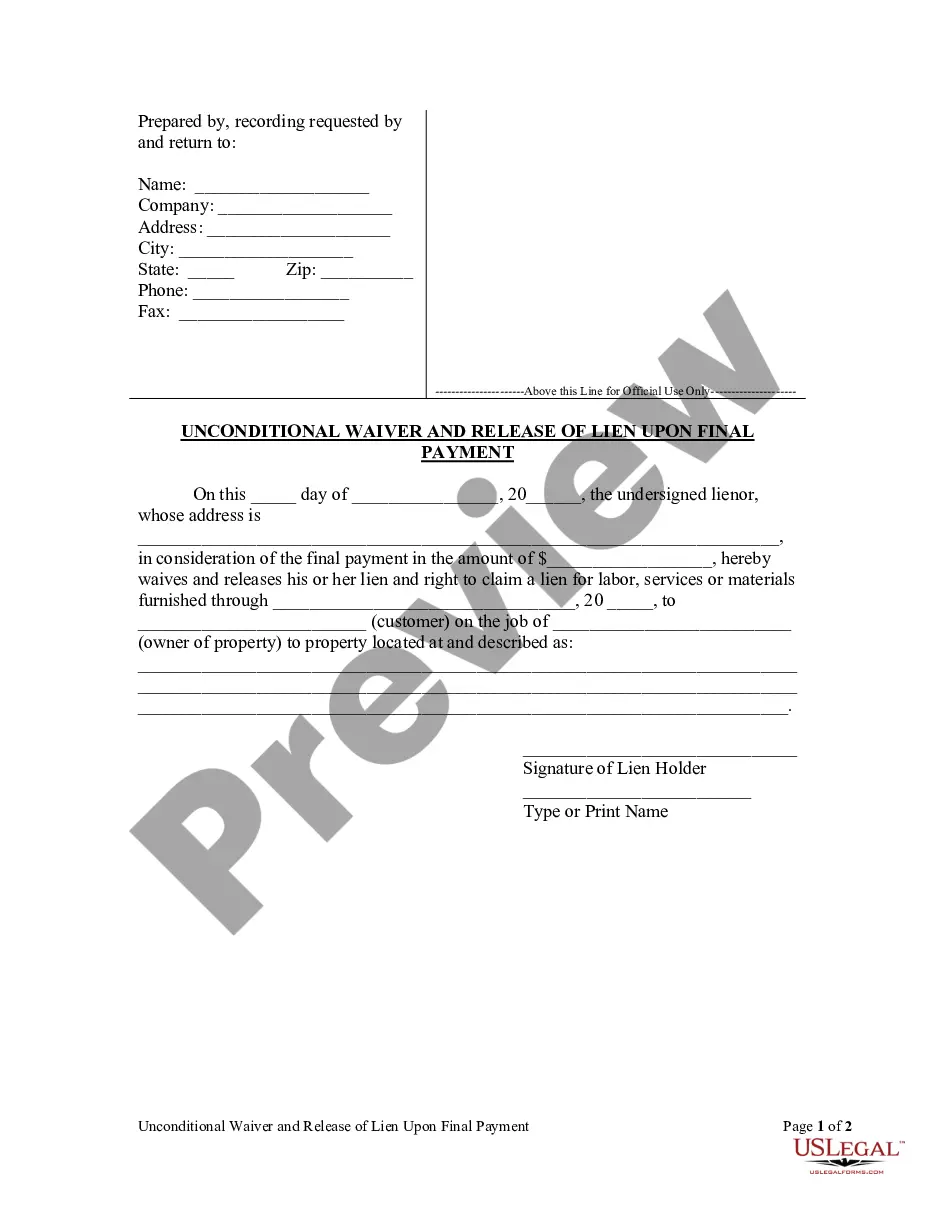
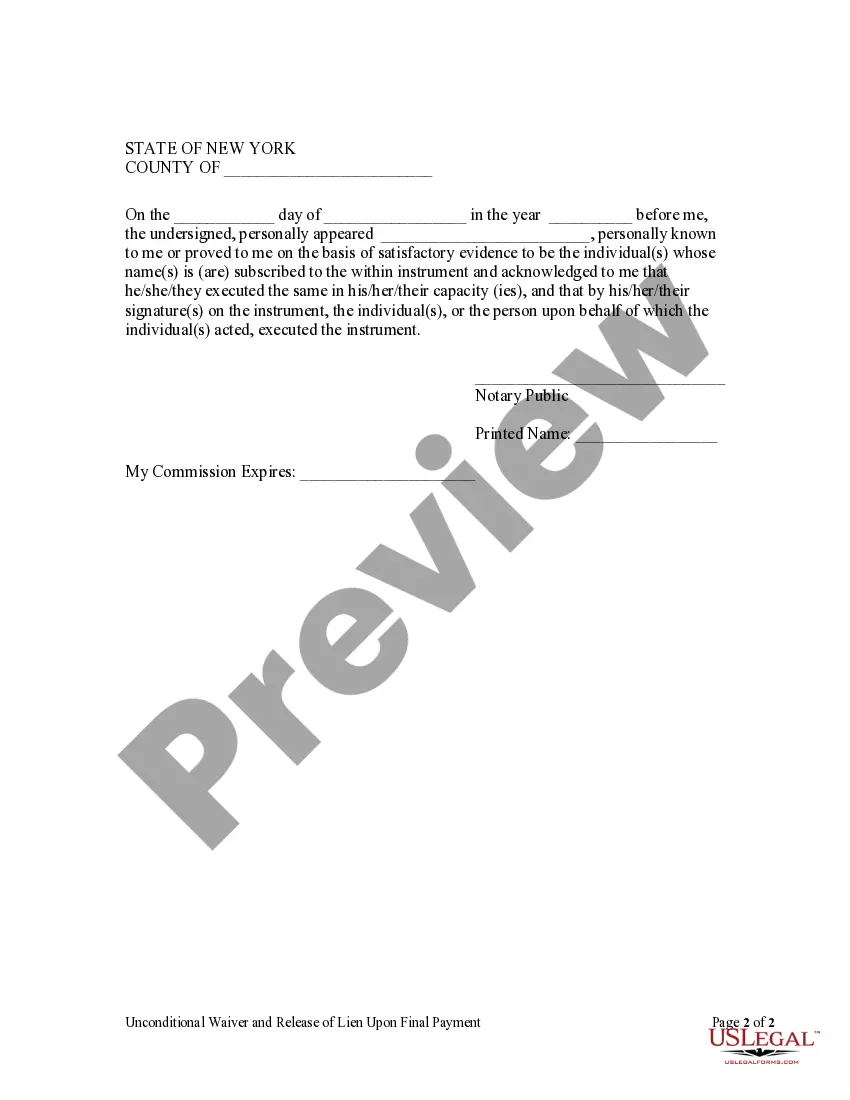
Get your form ready online
Our built-in tools help you complete, sign, share, and store your documents in one place.
Make edits, fill in missing information, and update formatting in US Legal Forms—just like you would in MS Word.
Download a copy, print it, send it by email, or mail it via USPS—whatever works best for your next step.
Sign and collect signatures with our SignNow integration. Send to multiple recipients, set reminders, and more. Go Premium to unlock E-Sign.
If this form requires notarization, complete it online through a secure video call—no need to meet a notary in person or wait for an appointment.
We protect your documents and personal data by following strict security and privacy standards.

Make edits, fill in missing information, and update formatting in US Legal Forms—just like you would in MS Word.

Download a copy, print it, send it by email, or mail it via USPS—whatever works best for your next step.

Sign and collect signatures with our SignNow integration. Send to multiple recipients, set reminders, and more. Go Premium to unlock E-Sign.

If this form requires notarization, complete it online through a secure video call—no need to meet a notary in person or wait for an appointment.

We protect your documents and personal data by following strict security and privacy standards.
Looking for another form?
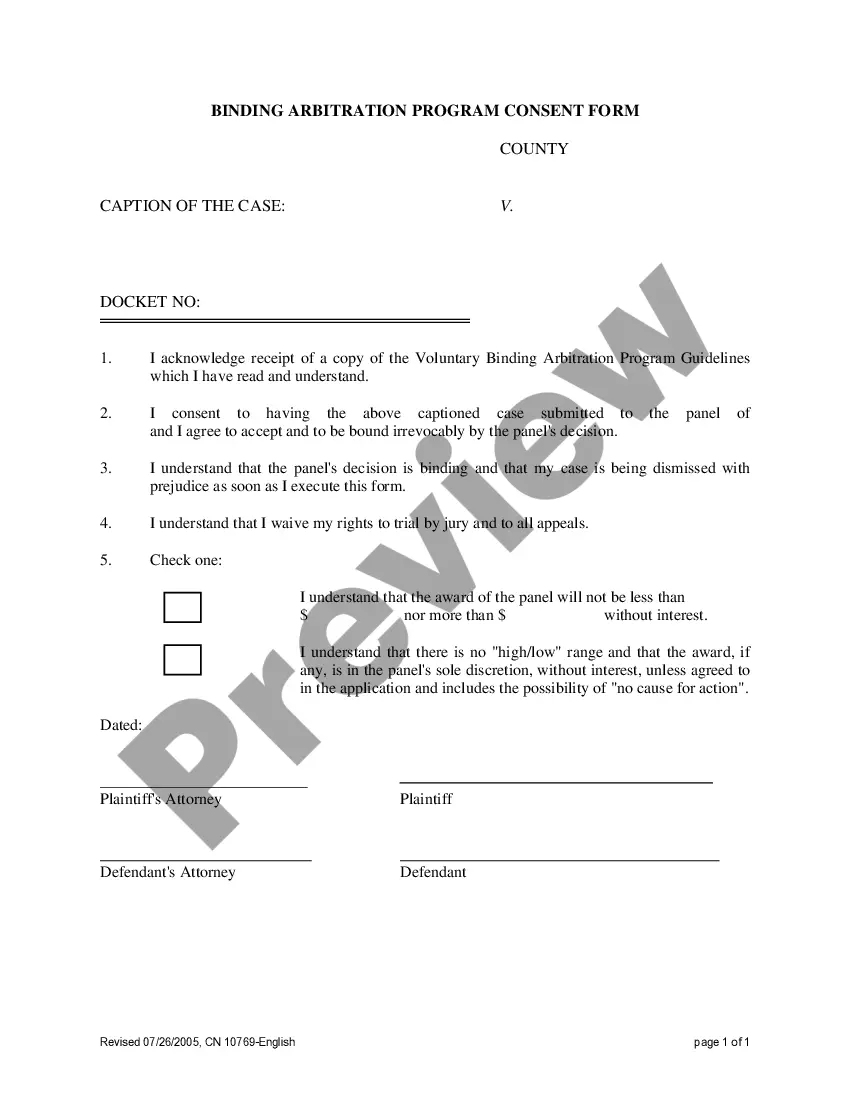
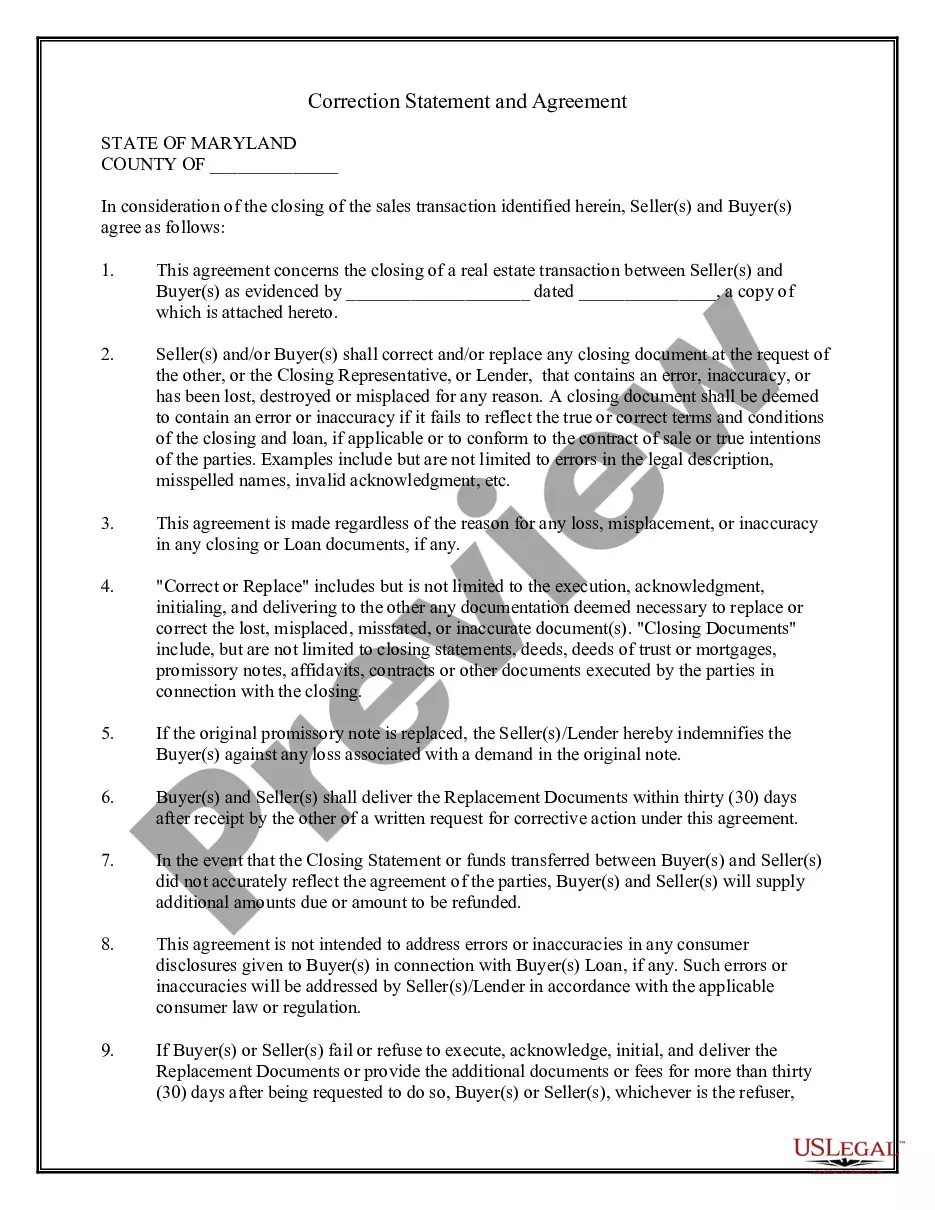

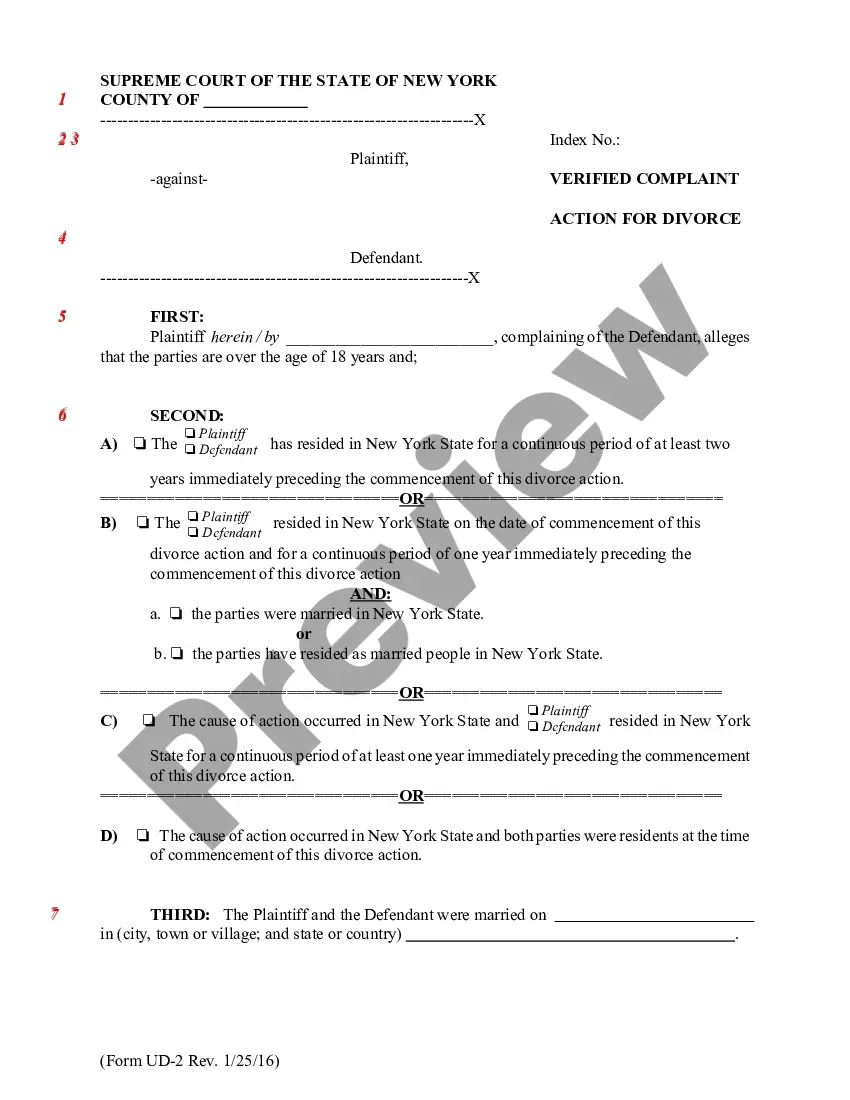

How to fill out New York Unconditional Waiver And Release Of Lien Upon Final Payment?
- If you are a returning user, log into your account and ensure your subscription is active to download the necessary form template directly to your device.
- For first-time users, start by browsing the extensive online library and verifying the form's description and preview mode to ensure it meets your local jurisdiction requirements.
- If needed, refine your search using the Search tab for alternative templates until you find one that aligns perfectly with your needs.
- Proceed by clicking on the Buy Now button, selecting your preferred subscription plan, and completing the registration to access the library.
- Finalize your purchase by entering your payment information, using either a credit card or your PayPal account for a seamless transaction.
- Once your payment is confirmed, download your form, and save it on your device. You can always revisit the document later in the My Forms section of your profile.
By following these straightforward steps, you can release-it easily and efficiently, ensuring you have the right legal documents tailored to your specific needs.
Start using US Legal Forms today and empower yourself with the best legal documentation service available!
Form popularity
FAQ
To create a Git release, you first need to commit your changes and push them to your repository. Next, navigate to the release section of your repository, where you can tag the current version. By using Release-it, the process becomes more efficient, as it automates tagging, creating release notes, and managing versioning, leaving you with more time to focus on your project.
A release package is a bundled collection of project files and updates that provide users with the latest version of a software application. This package typically includes compiled code, libraries, and any dependencies necessary for the application to function. By using Release-it, you can easily build and distribute these packages, simplifying the release process.
Creating a release document involves compiling essential information about your project. Begin by outlining the features, bug fixes, and improvements included in the release. Then, format this into a clear, concise document, and save it in a location easily accessible for your team. Utilizing Release-it can help format and generate release notes automatically, ensuring consistency and professionalism.
To create a package repository, you first need to select a platform that supports package management. Start by setting up your repository in a service like GitHub or Bitbucket. After this, add your package files and organize them according to the package structure. Use Release-it to automate versioning and create releases, which streamlines the deployment process.
In the context of software development, a release refers to a specific version of the software that is made available to users. This can include new features, improvements, or bug fixes. By utilizing Release-it, you can streamline the release process, ensuring that users receive consistent updates that enhance their experience with your software.
Semantic release npm is the npm implementation of semantic release, designed to automatically manage the versioning and publishing of npm packages. It ensures that your package versions reflect the changes made in the codebase, reducing confusion among users. This automation saves developers time and minimizes the risk of human error during the release process with Release-it.
Semantic versioner for npm follows the principles of semantic versioning, which assigns version numbers based on the nature of changes in software. This involves using a three-part versioning format: Major, Minor, and Patch. With Release-it, you can efficiently utilize semantic versioning to automate the process of versioning your npm packages.
Release notes are documentation that accompanies a software release, summarizing the changes, features, and fixes introduced in that version. They provide valuable insights to users about what to expect with each update. By generating release notes automatically through Release-it, you can save time and ensure clear communication about the improvements made in your software.
Release Please is a tool that simplifies the process of creating and managing releases, mainly for GitHub projects. In contrast, semantic release automates versioning and publishing directly based on your commit messages. While both tools aim to streamline the release process, semantic release offers a more automated approach for determining version numbers and generating release notes using Release-it.
While semantic release focuses on automating the versioning and release process, Commitizen is a tool designed to help developers write standardized commit messages. Commitizen encourages consistency in commit messages, which can enhance the effectiveness of semantic release. By using both tools together, you can ensure a smooth release process with Release-it.