Trust Account With Fnb
Description
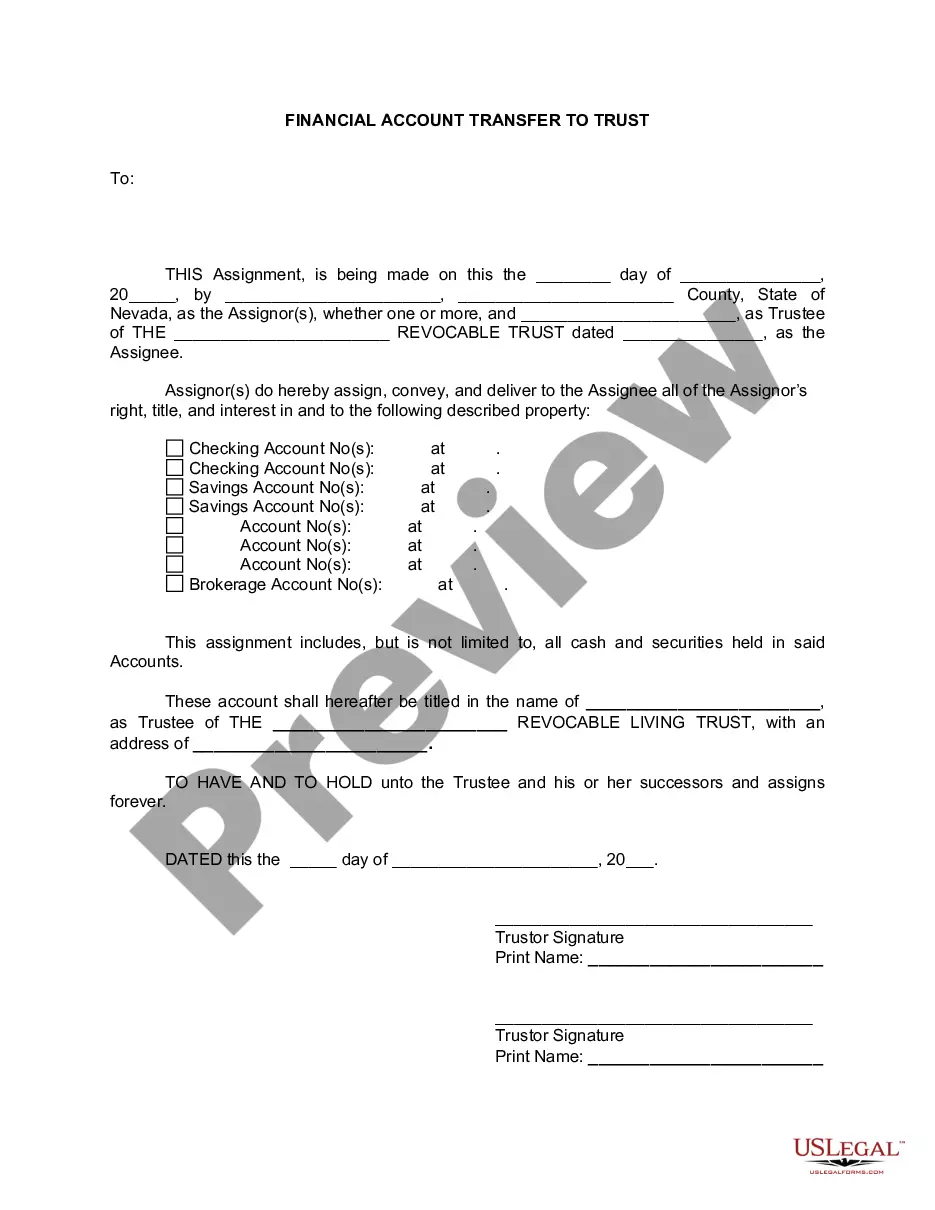


Get your form ready online
Our built-in tools help you complete, sign, share, and store your documents in one place.
Make edits, fill in missing information, and update formatting in US Legal Forms—just like you would in MS Word.
Download a copy, print it, send it by email, or mail it via USPS—whatever works best for your next step.
Sign and collect signatures with our SignNow integration. Send to multiple recipients, set reminders, and more. Go Premium to unlock E-Sign.
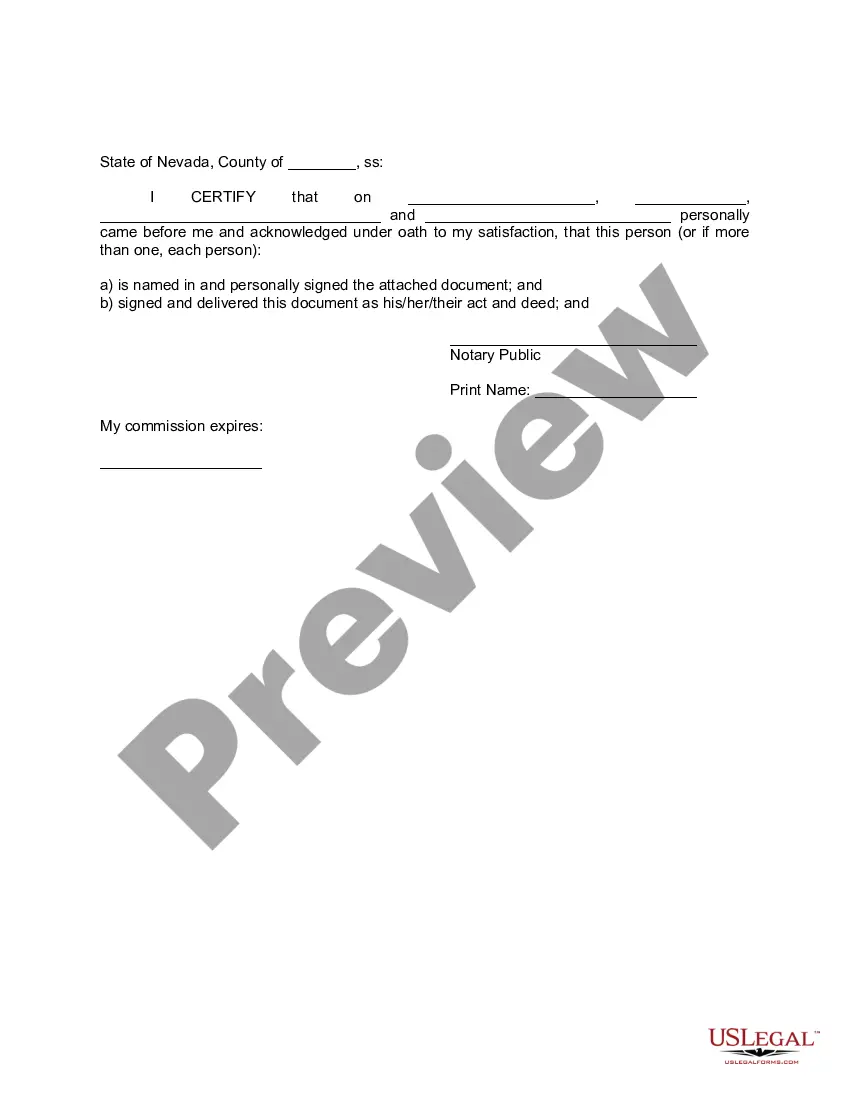
If this form requires notarization, complete it online through a secure video call—no need to meet a notary in person or wait for an appointment.
We protect your documents and personal data by following strict security and privacy standards.

Make edits, fill in missing information, and update formatting in US Legal Forms—just like you would in MS Word.

Download a copy, print it, send it by email, or mail it via USPS—whatever works best for your next step.

Sign and collect signatures with our SignNow integration. Send to multiple recipients, set reminders, and more. Go Premium to unlock E-Sign.

If this form requires notarization, complete it online through a secure video call—no need to meet a notary in person or wait for an appointment.

We protect your documents and personal data by following strict security and privacy standards.
Looking for another form?








How to fill out Nevada Financial Account Transfer To Living Trust?
- Log in to your US Legal Forms account if you're a returning user, and ensure that your subscription is active. If it's expired, you will need to renew it to access the forms.
- For first-time users, begin by exploring the preview mode to carefully review the trust account form description. Make sure it meets your jurisdiction's requirements.
- If the form does not suit your needs, utilize the Search tab to find another template that better aligns with your requirements.
- Once you've found the appropriate document, click the Buy Now button and select a subscription plan that fits your needs. You will need to create an account if you haven't already.
- Enter your payment information, either through credit card or PayPal, to complete your purchase.
- After payment, download the form to your device and remember to access the document anytime from the My Forms section of your account.
In conclusion, using US Legal Forms not only simplifies the process of obtaining legal documents like a trust account form but also empowers you with a vast library of options and expert assistance. Enjoy the confidence of using robust and compliant legal forms tailored to your needs.
Don't wait—start your journey with US Legal Forms today to secure your financial future!
Form popularity
FAQ
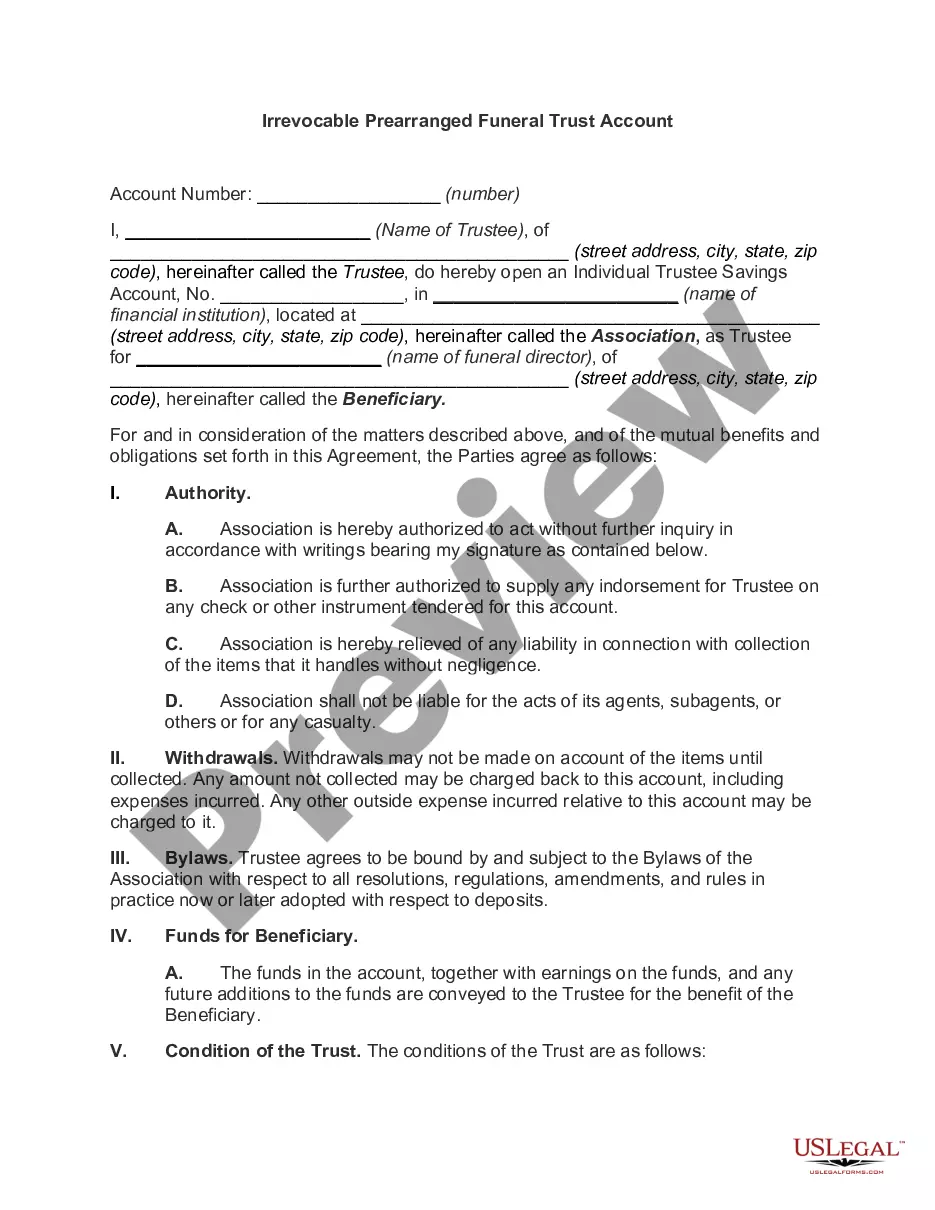
A purpose trust with FNB is designed to achieve specific objectives beyond the traditional beneficiary framework. This type of trust can support charitable initiatives, preserve family legacies, or fund educational endeavors. By using a purpose trust, individuals can align their assets with specific goals, ensuring that their intentions are fulfilled long after they are gone. This structured approach adds significant value to your trust account with FNB.
The best type of bank account for a trust is generally a trust account with FNB or a similar institution that specializes in trust services. This account provides advantages such as segregated assets and tailored statements. When selecting an account, ensure it offers features that align with your trust's goals and administrative needs. Doing so will facilitate smooth management of the trust fund.
A trust account is a specialized bank account that holds assets in the trust's name for the benefit of designated beneficiaries. Trust accounts with FNB are controlled by a trustee who manages the funds according to the trust's terms. This ensures that the assets are used as specified, ensuring compliance with legal obligations. Understanding how trust accounts work can help you make informed decisions on handling your estate.
The minimum investment for the FNB unit trust typically starts at a low threshold, making it accessible for many investors. Investing in a unit trust with FNB allows you to pool your resources with others, enhancing diversification. This setup can maximize your investment potential, and it's a great option for those looking to grow their trust account with FNB. Always check current guidelines for the most accurate information.
When establishing a trust, consider opening a trust account with FNB. This type of account is specifically designed to manage and protect the assets held within the trust. A FNB trust account offers benefits such as dedicated bookkeeping and clear reporting. It's essential to select an account that supports your trust’s objectives and helps you comply with legal requirements.
In a trust, you might include real estate, bank accounts, and investment assets. Different types of properties and financial instruments can enhance the value of your trust account with FNB. Consider including items that will provide your beneficiaries with financial security and peace of mind.
You should place assets in a trust account that align with your long-term financial goals. This may include savings, property, and investments. Trust accounts with FNB can be tailored to meet your family's needs, optimizing their benefits while ensuring your legacy is preserved.
Certain assets may not be appropriate for a trust, including personal belongings and retirement accounts. When establishing your trust account with FNB, it is wise to keep items that require active management or are not easily transferred outside the trust. Consultation with an advisor can guide you in making the best choices.
One significant mistake parents often make is failing to communicate their intentions clearly. When setting up a trust account with FNB, it is crucial to discuss the trust’s purpose and rules with family members. This will help prevent future misunderstandings and ensure that your wishes are effectively honored.
Filling out a trust fund involves several important steps. First, you need to determine the purpose of the trust and who will benefit from it. Then, collect information about the assets you want to include. Lastly, you can use US Legal Forms to create a trust document that details the terms and conditions for managing your trust account with FNB.