Power Attorney For Bank Account
Description
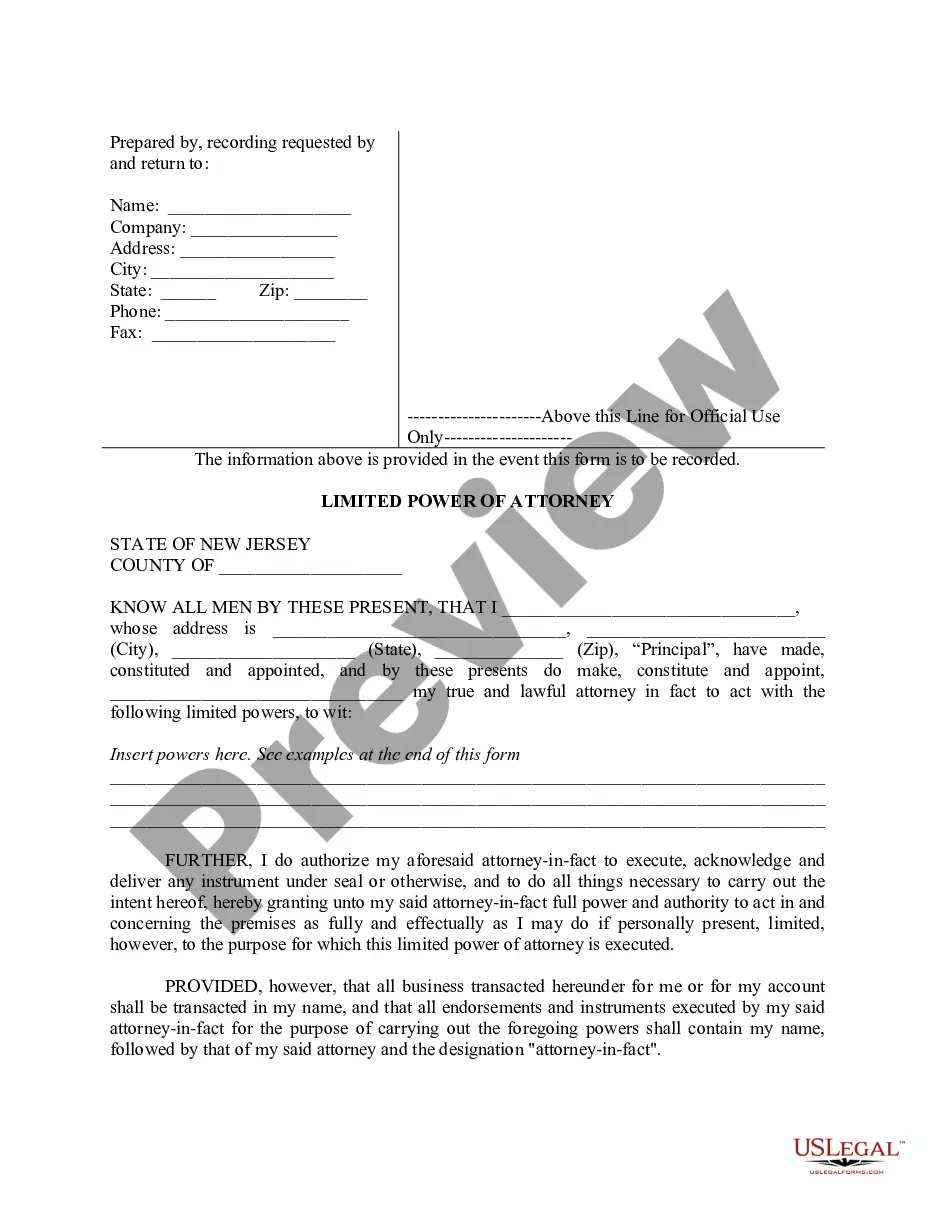
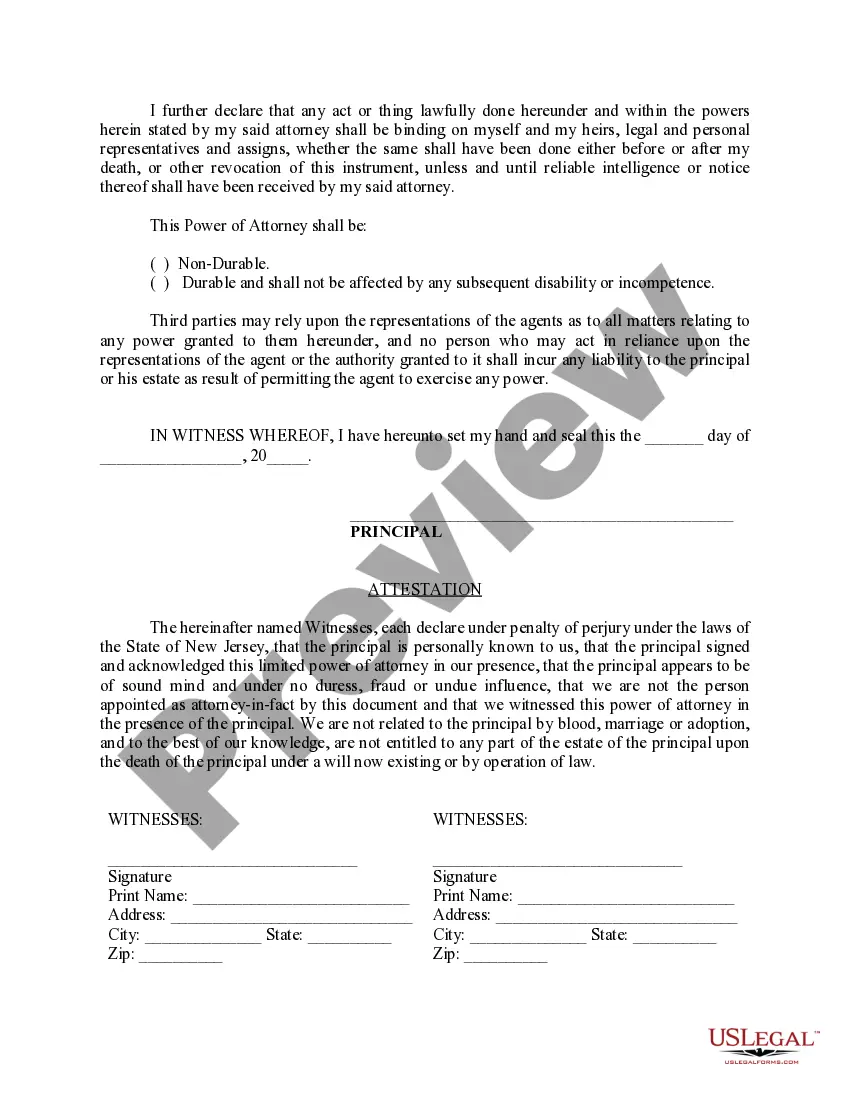
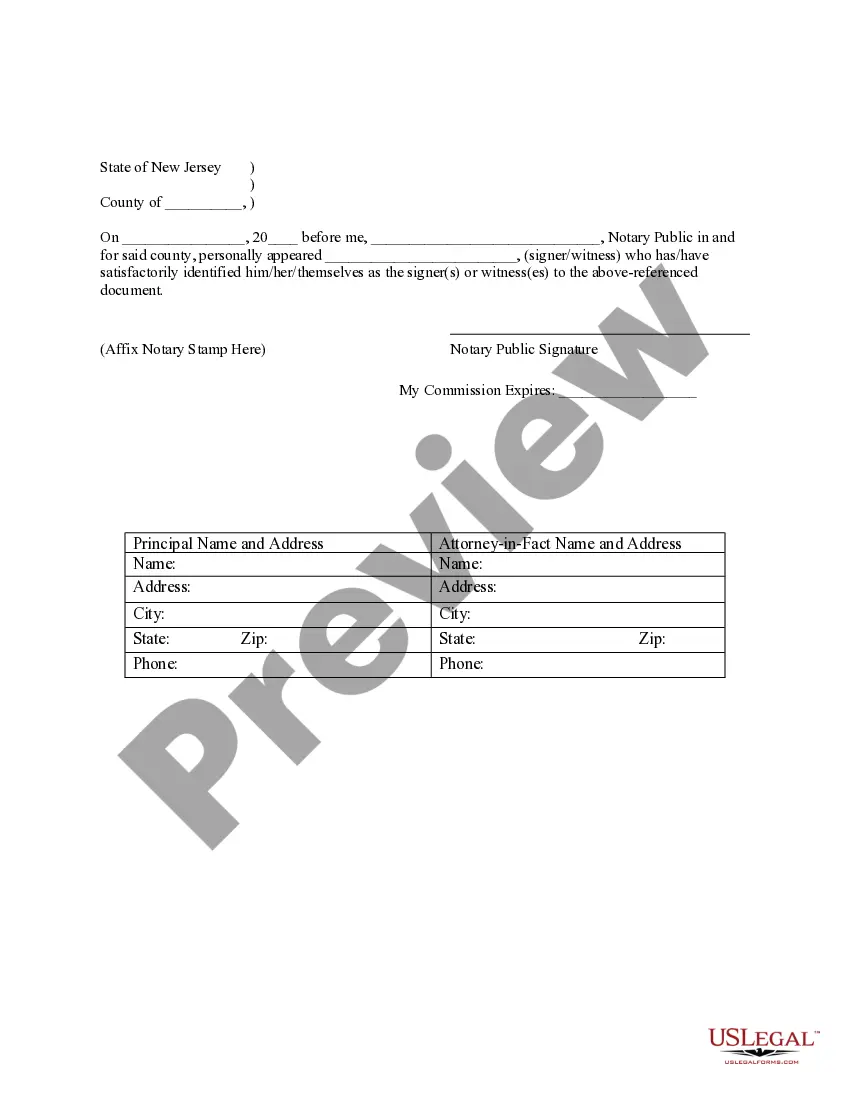
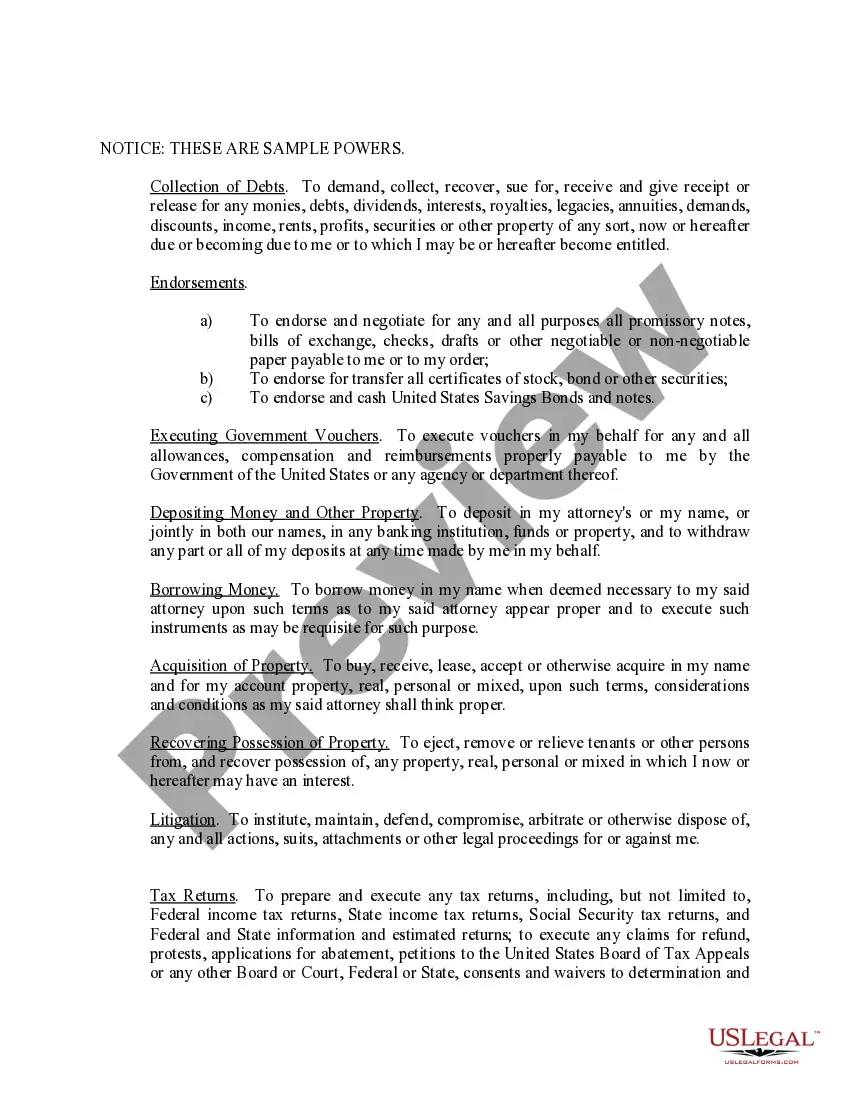
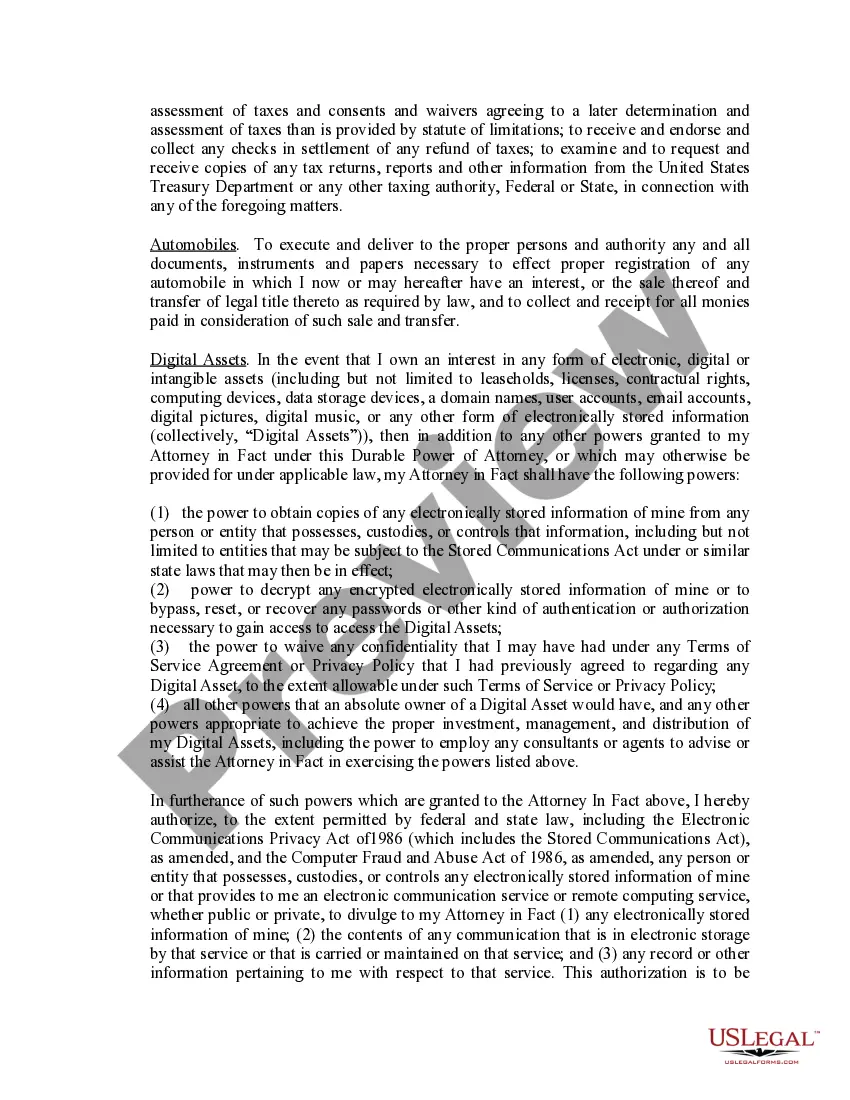
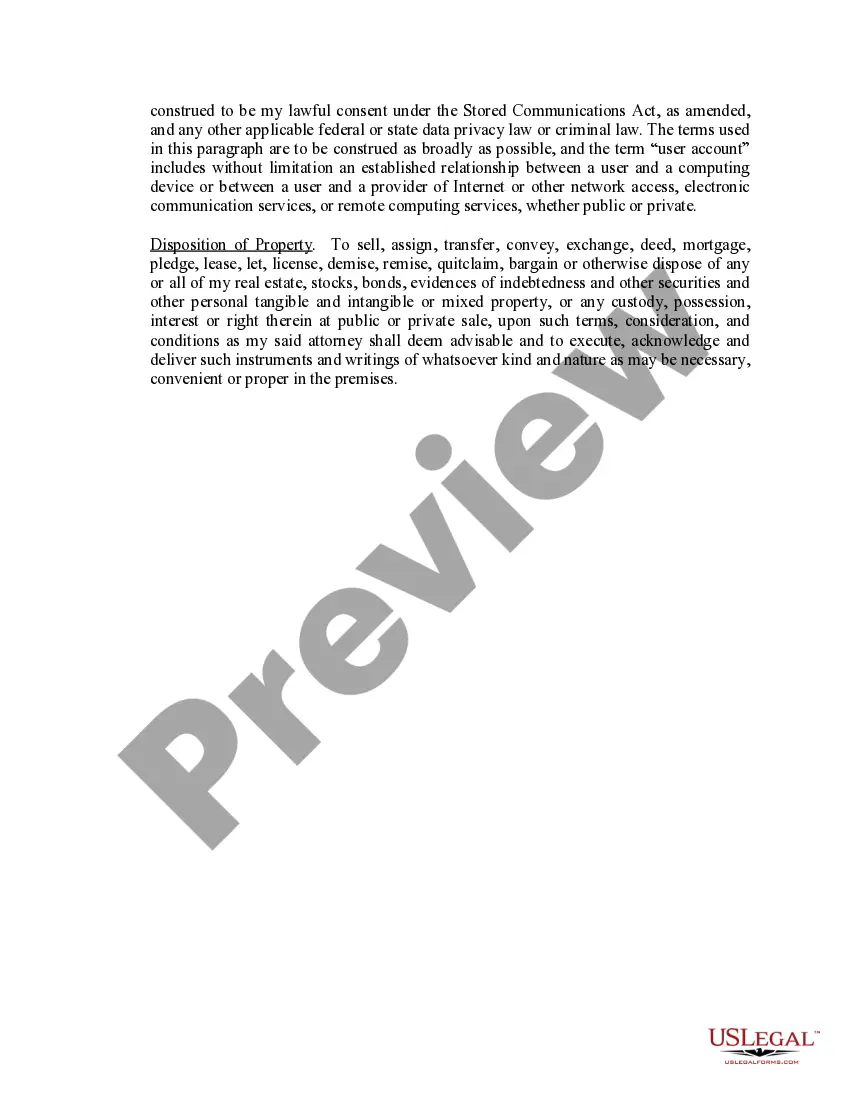
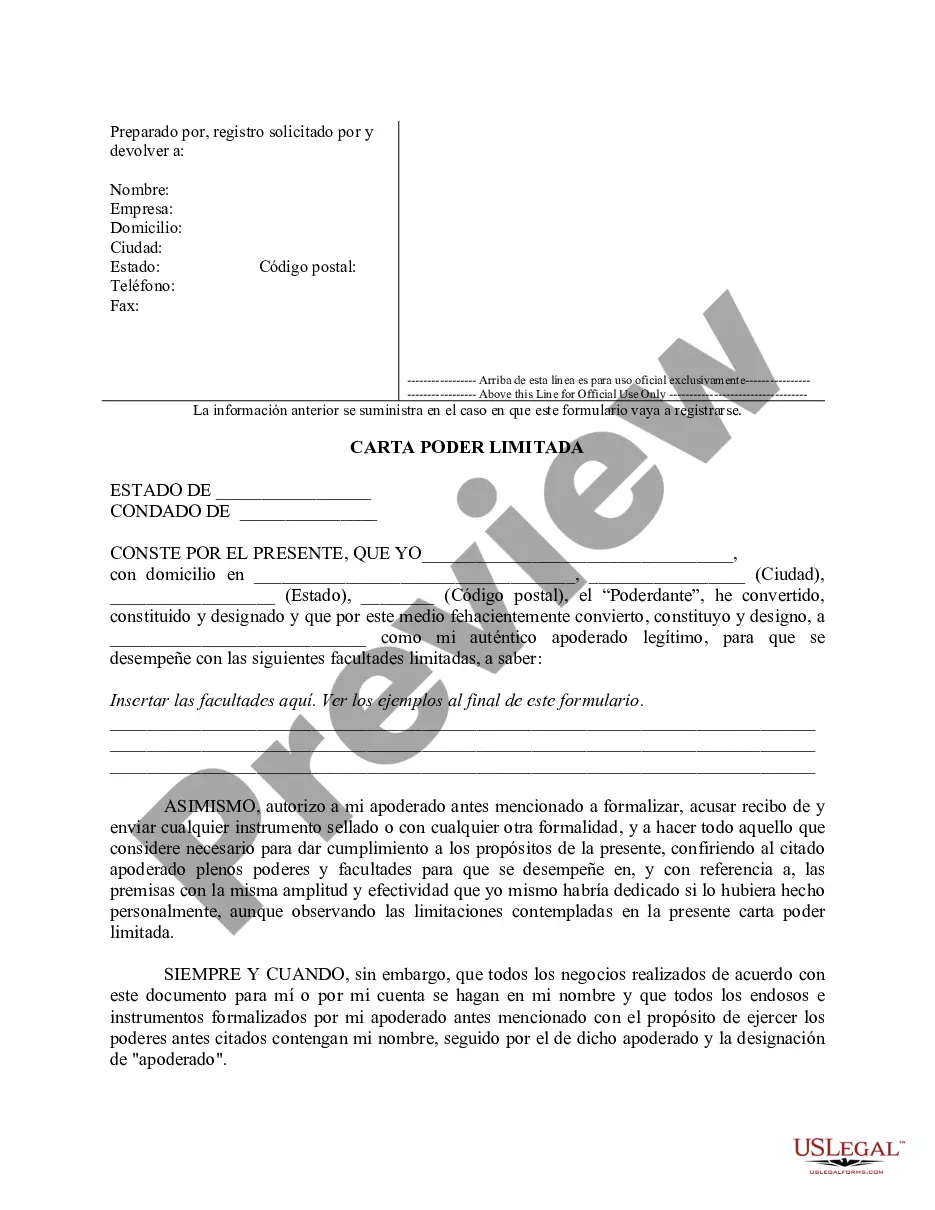
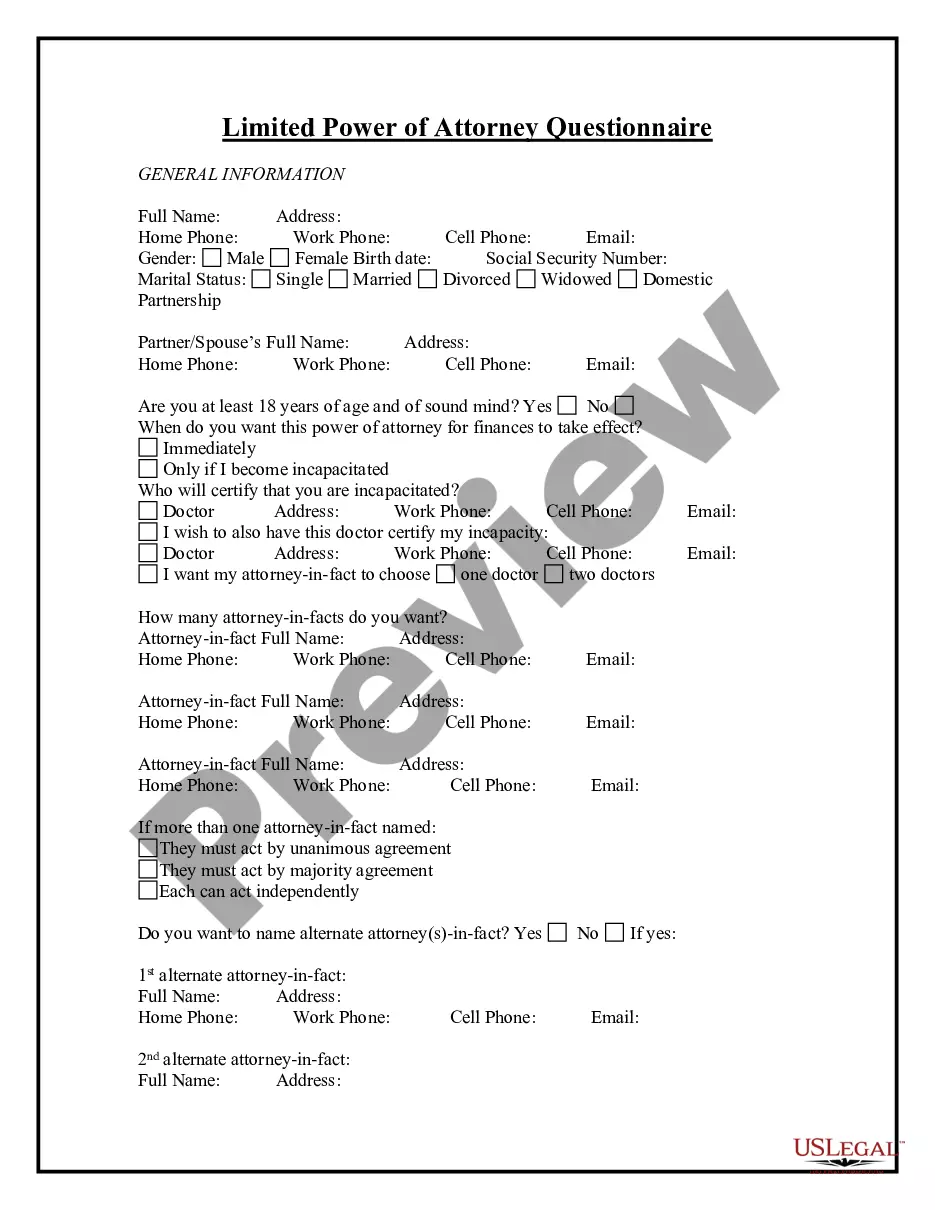
Get your form ready online
Our built-in tools help you complete, sign, share, and store your documents in one place.
Make edits, fill in missing information, and update formatting in US Legal Forms—just like you would in MS Word.
Download a copy, print it, send it by email, or mail it via USPS—whatever works best for your next step.
Sign and collect signatures with our SignNow integration. Send to multiple recipients, set reminders, and more. Go Premium to unlock E-Sign.
If this form requires notarization, complete it online through a secure video call—no need to meet a notary in person or wait for an appointment.
We protect your documents and personal data by following strict security and privacy standards.

Make edits, fill in missing information, and update formatting in US Legal Forms—just like you would in MS Word.

Download a copy, print it, send it by email, or mail it via USPS—whatever works best for your next step.

Sign and collect signatures with our SignNow integration. Send to multiple recipients, set reminders, and more. Go Premium to unlock E-Sign.

If this form requires notarization, complete it online through a secure video call—no need to meet a notary in person or wait for an appointment.

We protect your documents and personal data by following strict security and privacy standards.
Looking for another form?








How to fill out New Jersey Limited Power Of Attorney Where You Specify Powers With Sample Powers Included?
- If you're already a US Legal Forms user, log into your account and ensure your subscription is active. Click the Download button to save the needed form directly to your device.
- For first-time users, begin by browsing the extensive form collection. Check the Preview mode and description to confirm you have selected the suitable power attorney for bank account.
- In case you need to find another form, utilize the Search tab at the top to locate alternatives. Once you find the correct document, proceed to the next step.
- Click on the Buy Now button and choose a subscription plan that best fits your needs. Create your account to gain access to the full library.
- Complete your purchase by entering your credit card information or utilizing your PayPal account for the transaction.
- Finally, download the form to your device. You can access it through the My Forms section whenever you need.
Using US Legal Forms not only provides you access to over 85,000 editable legal forms but also connects you with premium experts for support ensuring your documents are accurate and legally enforceable.
Start your simple and effective journey today with US Legal Forms to manage your banking needs efficiently!
Form popularity
FAQ
To add a power of attorney to your bank account, you typically need to provide the bank with the legal document that grants you that authority. Most banks will require a copy of the power attorney for bank account along with some identification. Consider contacting your bank for specific procedures, as they can vary. Using platforms like USLegalForms can help you create a compliant Power of Attorney document quickly and efficiently.
Having access to your elderly parents' bank account can help you manage their finances effectively. However, it's important to consider their independence and privacy. A power attorney for bank account can give you the necessary authority to handle their financial transactions without being a joint account holder. This approach can ensure that their needs are met while respecting their autonomy.
Yes, you can give someone permission to use your bank account through either an authorized user designation or a power of attorney for bank account. While an authorized user can perform transactions, a power of attorney can manage broader financial responsibilities. Ensure that the permissions you grant are clear and documented to avoid any disputes later on. If you need help setting this up correctly, services like US Legal Forms can provide the necessary templates and guidance.
Yes, you can give your girlfriend access to your bank account, either by making her an authorized user or by granting her a power of attorney for bank account. Each option offers different levels of control, so you should choose the one that aligns with your needs. If you decide on a power of attorney, ensure you document the arrangement clearly, and utilize resources like US Legal Forms to create a comprehensive agreement. Open communication about finances will help maintain your relationship’s trust.
Yes, you can make someone an authorized user on your checking account, which allows them to perform transactions using your account. This option differs from granting a power of attorney for bank account, as it doesn’t provide them with legal authority over your finances. It is essential to communicate clearly about expectations and limits when adding an authorized user. Consider checking with your bank for their specific procedures and requirements.
Yes, you can authorize someone to access your bank account through a power of attorney for bank account. This legal document allows you to grant specific powers to another individual, such as managing your finances, making deposits, or withdrawing funds. By choosing the right person and clearly defining their authority, you ensure your financial interests are protected. If you need assistance, platforms like US Legal Forms can help you draft a suitable document.
To get a power of attorney for a bank account, you need to draft a power of attorney document that clearly outlines the specific powers you wish to give. You can create this document yourself or use a reliable service like US Legal Forms, which offers customizable templates. After drafting the document, ensure you sign it, and depending on your state's laws, you might need a witness or notarization. Finally, provide a copy to your bank to allow the authorized person access to your account.
Choosing between a power of attorney and a joint bank account depends on your specific needs. A power of attorney allows you to designate authority to someone without necessarily sharing account ownership. In contrast, a joint account gives equal access to both parties. Evaluating your situation can help you decide which option provides better control and security over your finances.
Banks may deny a power of attorney if the document lacks proper signatures, is not notarized, or does not comply with their policies. Additionally, if the authority granted is unclear or ambiguous, they may require further clarification. Understanding your bank's requirements can prevent potential rejections and ensure your power attorney for bank account is accepted without issues.
To write a power of attorney letter for a bank, start by clearly stating your name and the agent's name. Include details about the powers you grant, ensuring it covers bank-related transactions. It's essential to have the document notarized and, if necessary, witnessed, depending on your state regulations. Utilizing a platform like USLegalForms can provide you with templates and guidance for creating this important document.