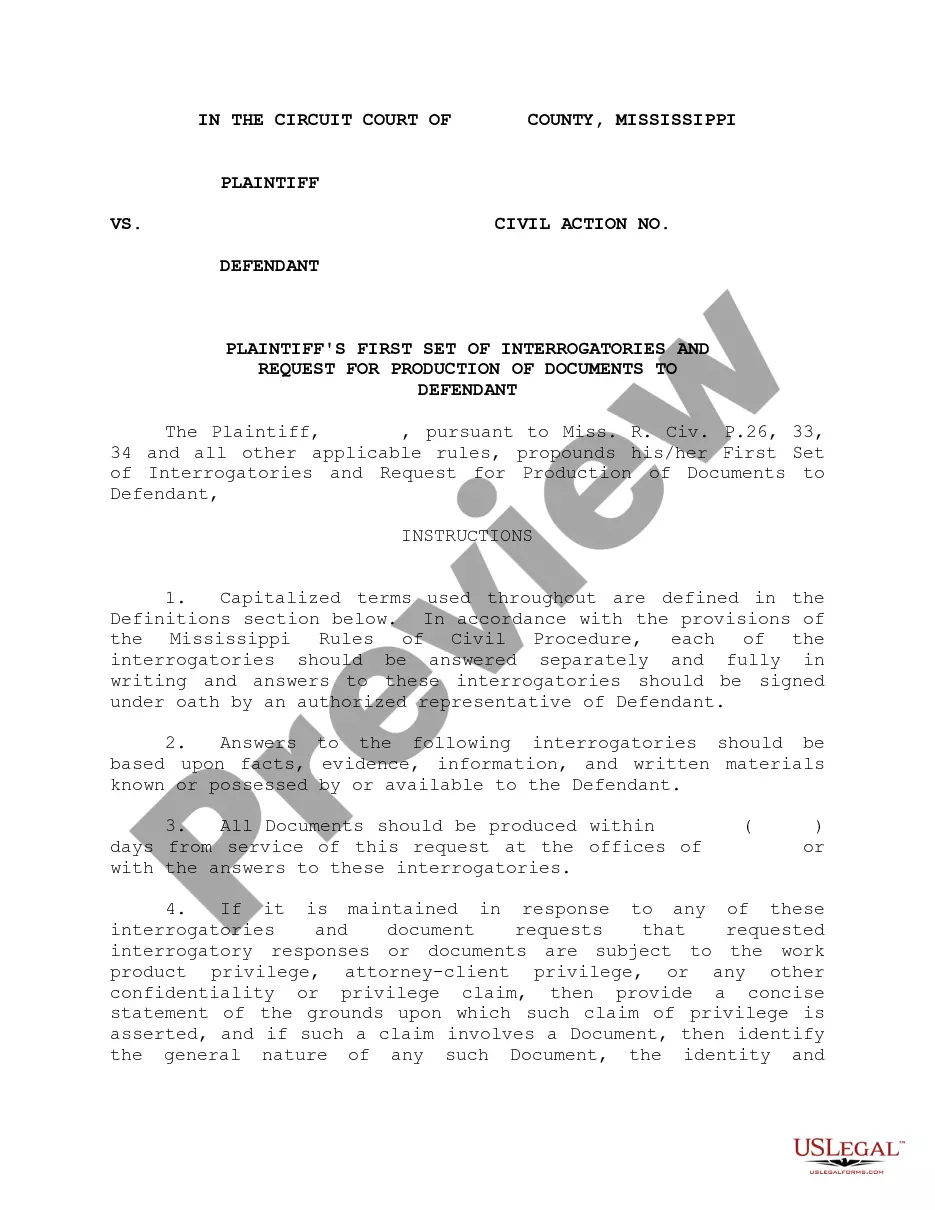
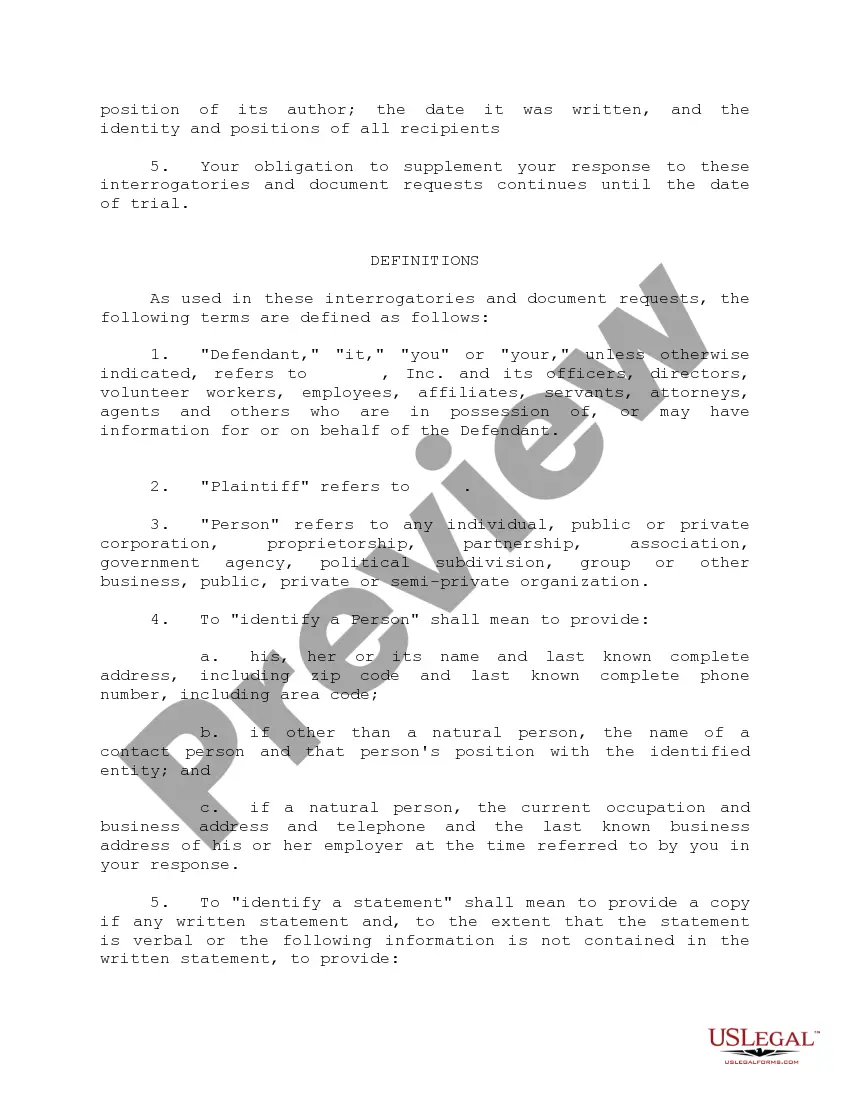
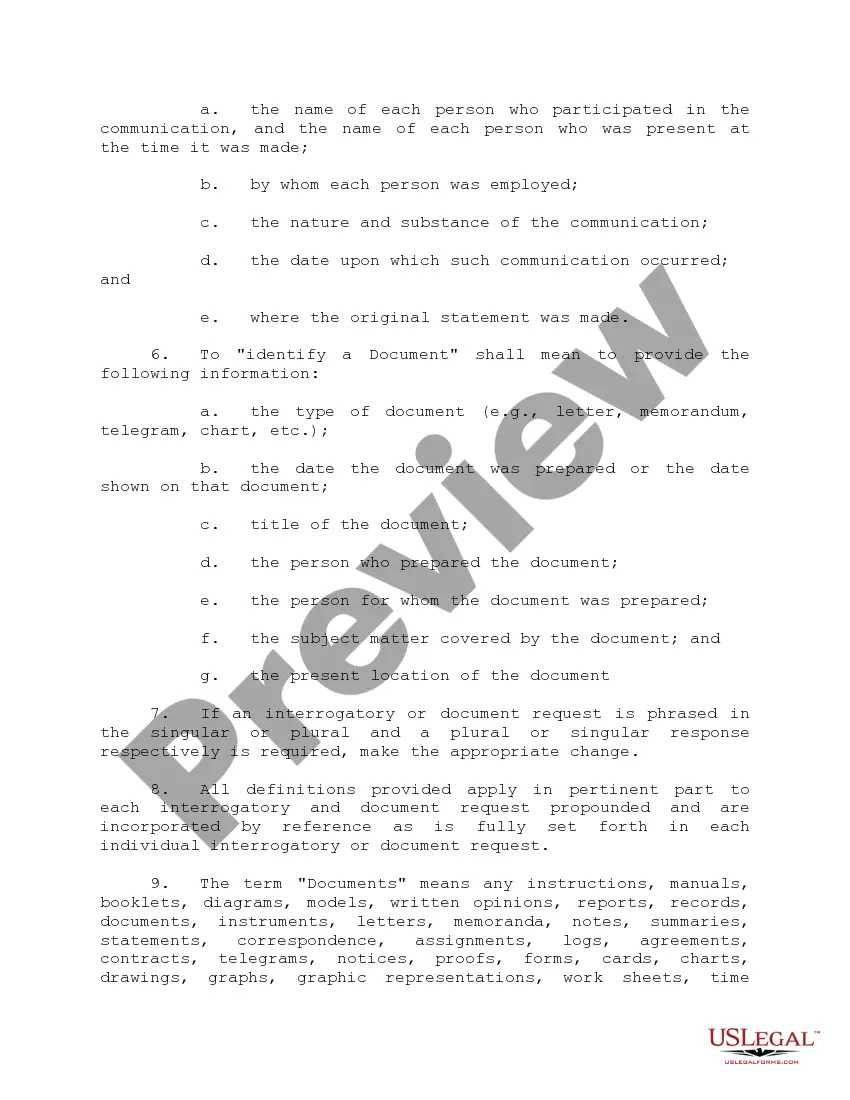
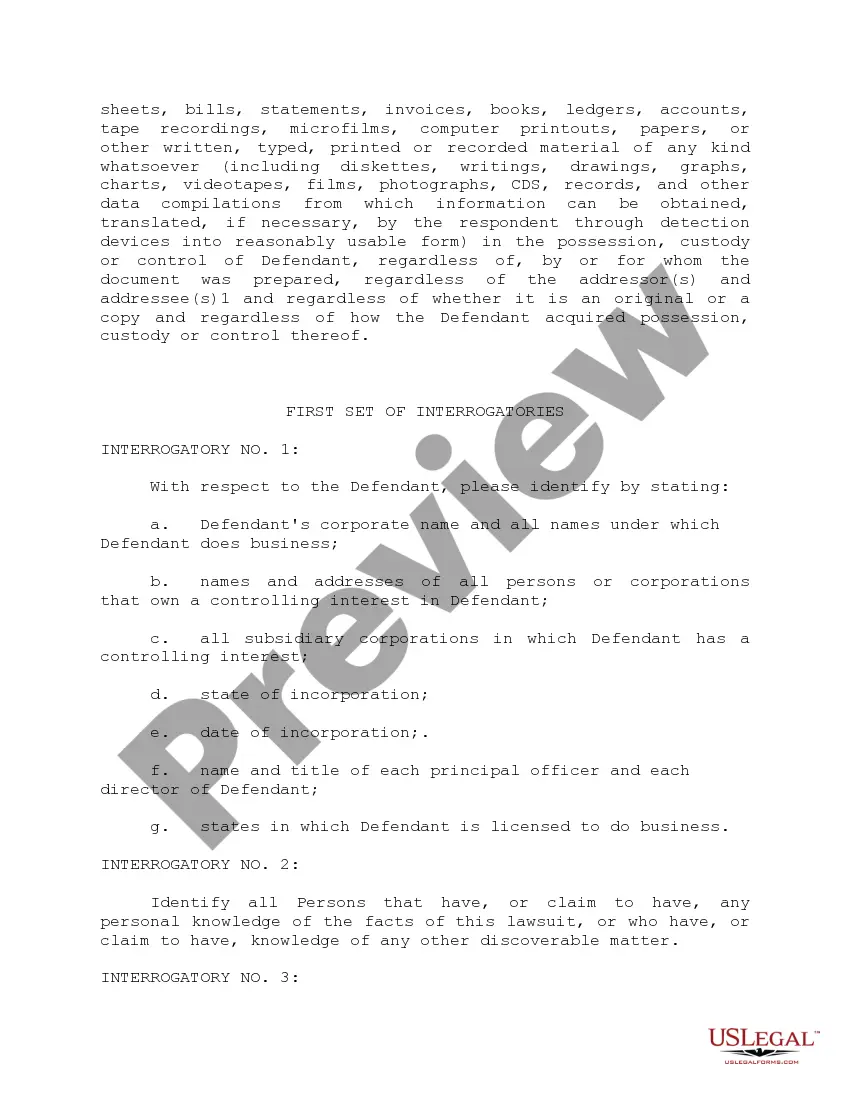
Plaintiff Vs Defendant Format
Description

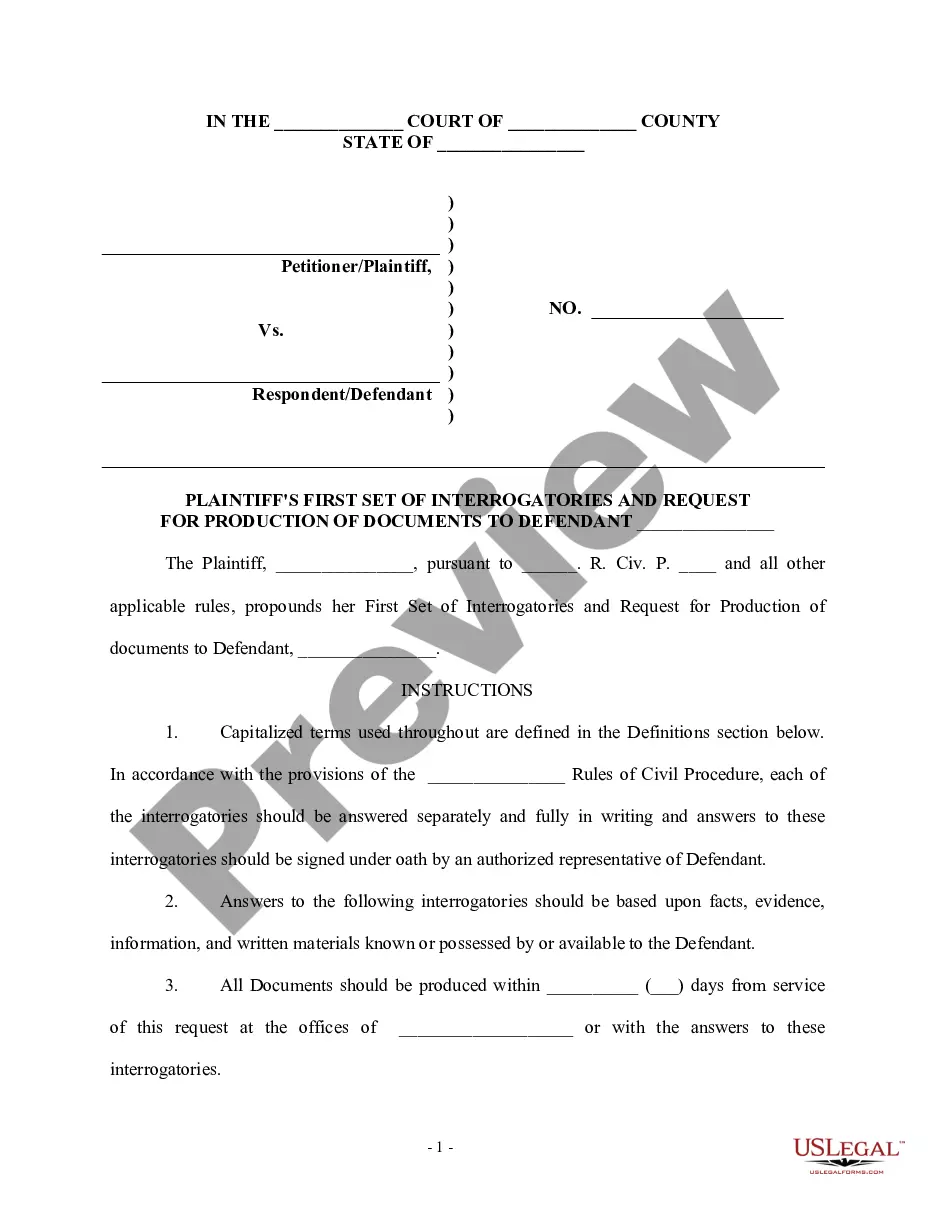
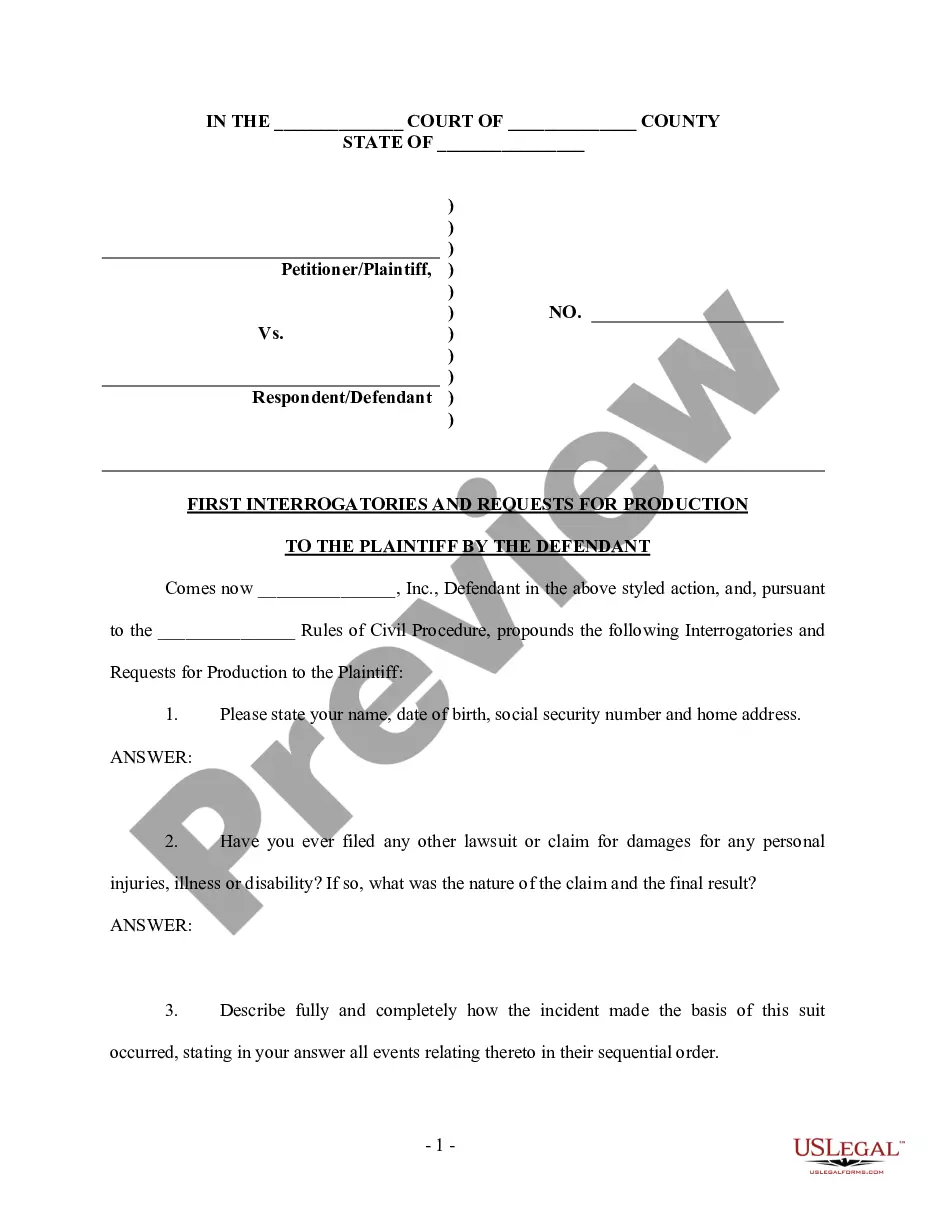
Get your form ready online
Our built-in tools help you complete, sign, share, and store your documents in one place.
Make edits, fill in missing information, and update formatting in US Legal Forms—just like you would in MS Word.
Download a copy, print it, send it by email, or mail it via USPS—whatever works best for your next step.
Sign and collect signatures with our SignNow integration. Send to multiple recipients, set reminders, and more. Go Premium to unlock E-Sign.
If this form requires notarization, complete it online through a secure video call—no need to meet a notary in person or wait for an appointment.
We protect your documents and personal data by following strict security and privacy standards.

Make edits, fill in missing information, and update formatting in US Legal Forms—just like you would in MS Word.

Download a copy, print it, send it by email, or mail it via USPS—whatever works best for your next step.

Sign and collect signatures with our SignNow integration. Send to multiple recipients, set reminders, and more. Go Premium to unlock E-Sign.

If this form requires notarization, complete it online through a secure video call—no need to meet a notary in person or wait for an appointment.

We protect your documents and personal data by following strict security and privacy standards.
Looking for another form?






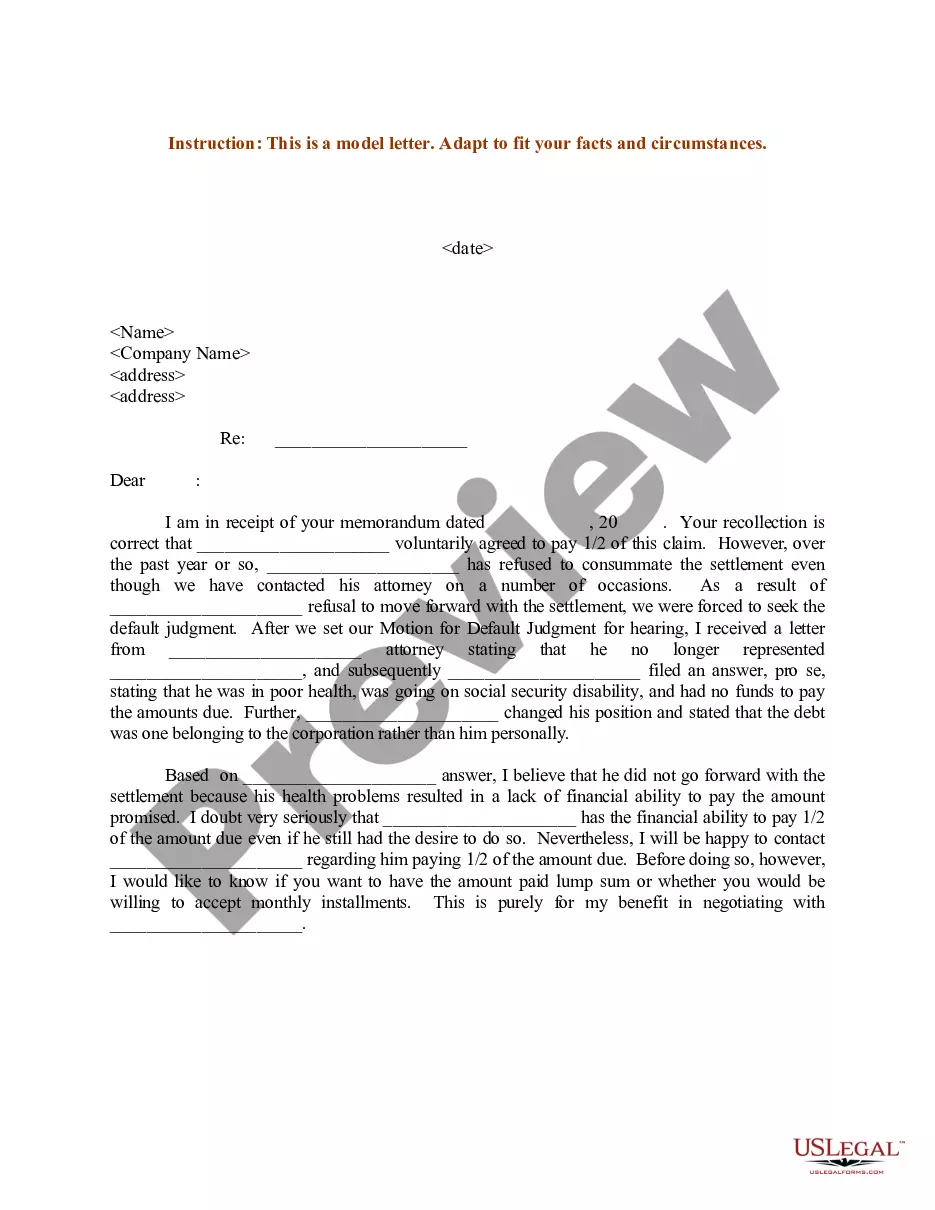

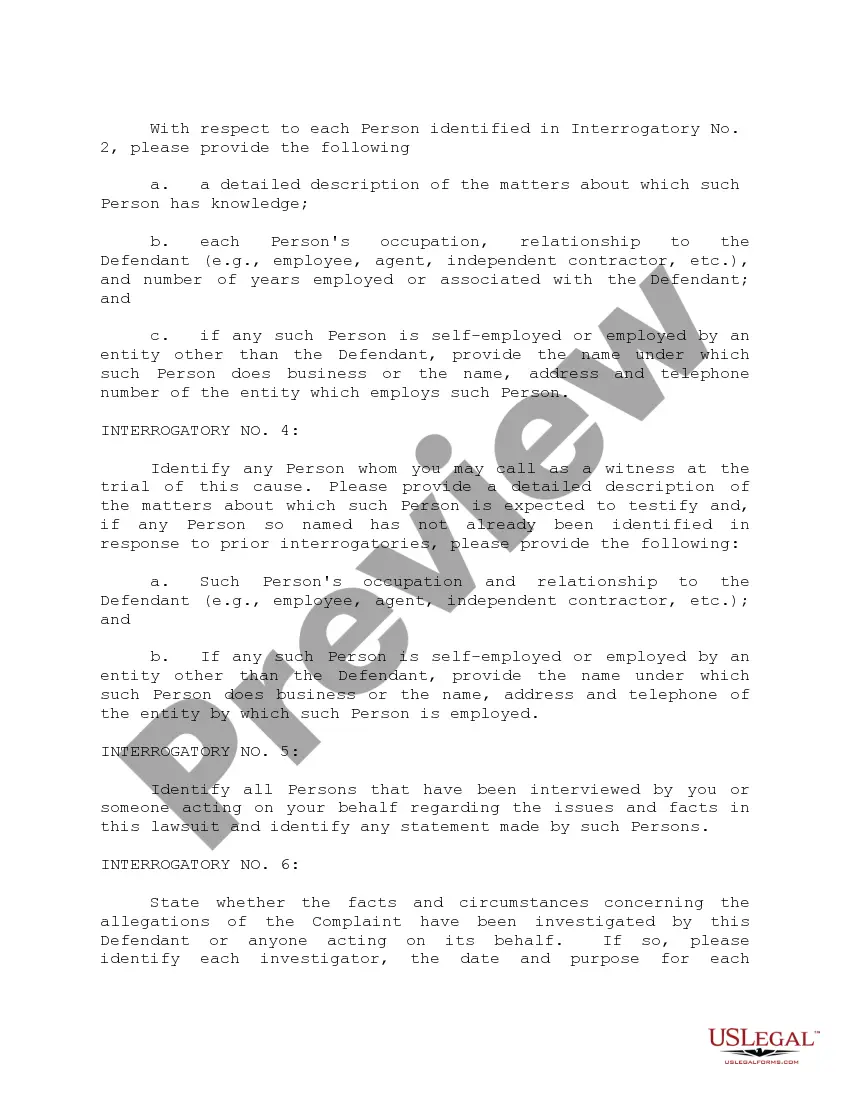
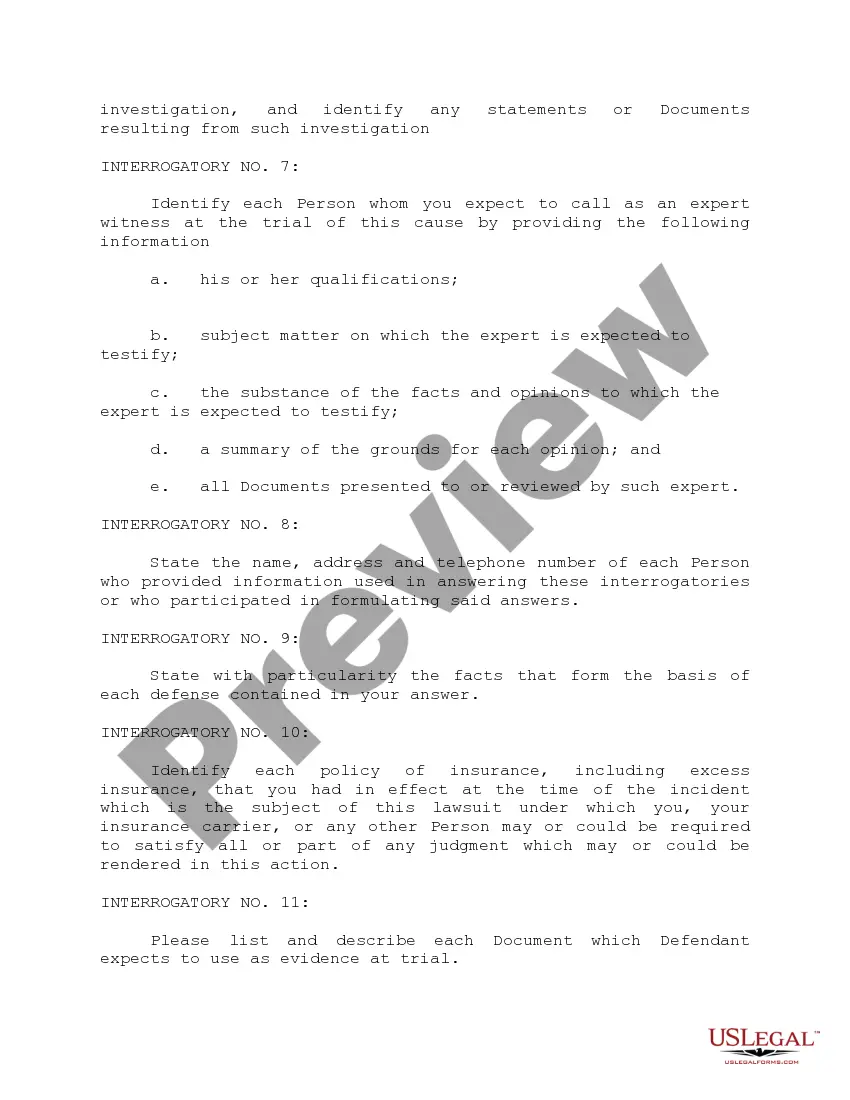
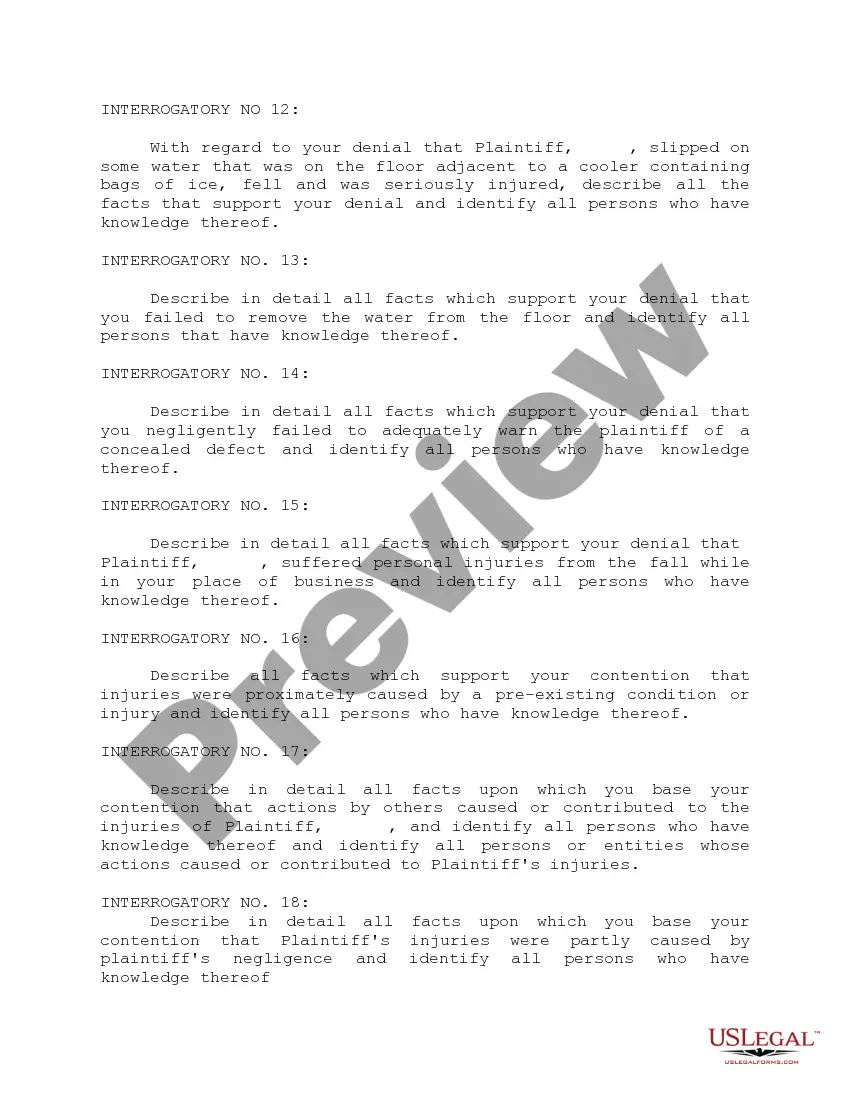
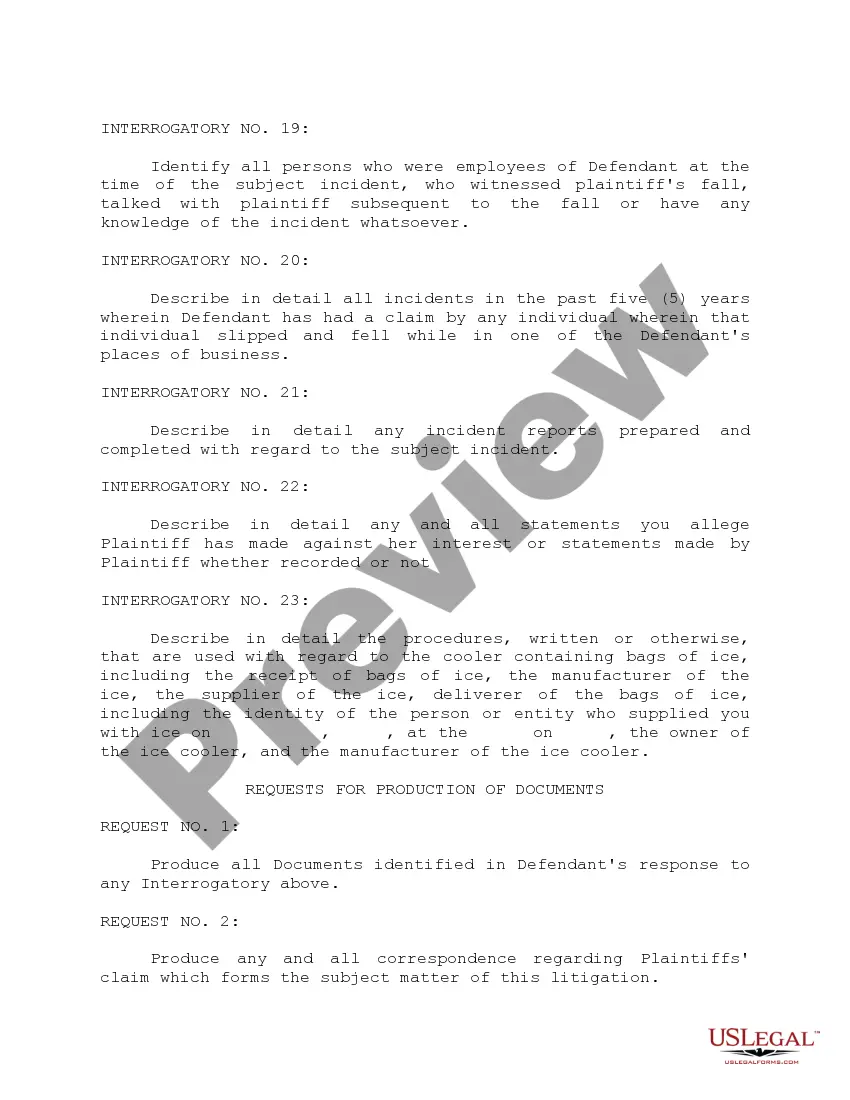
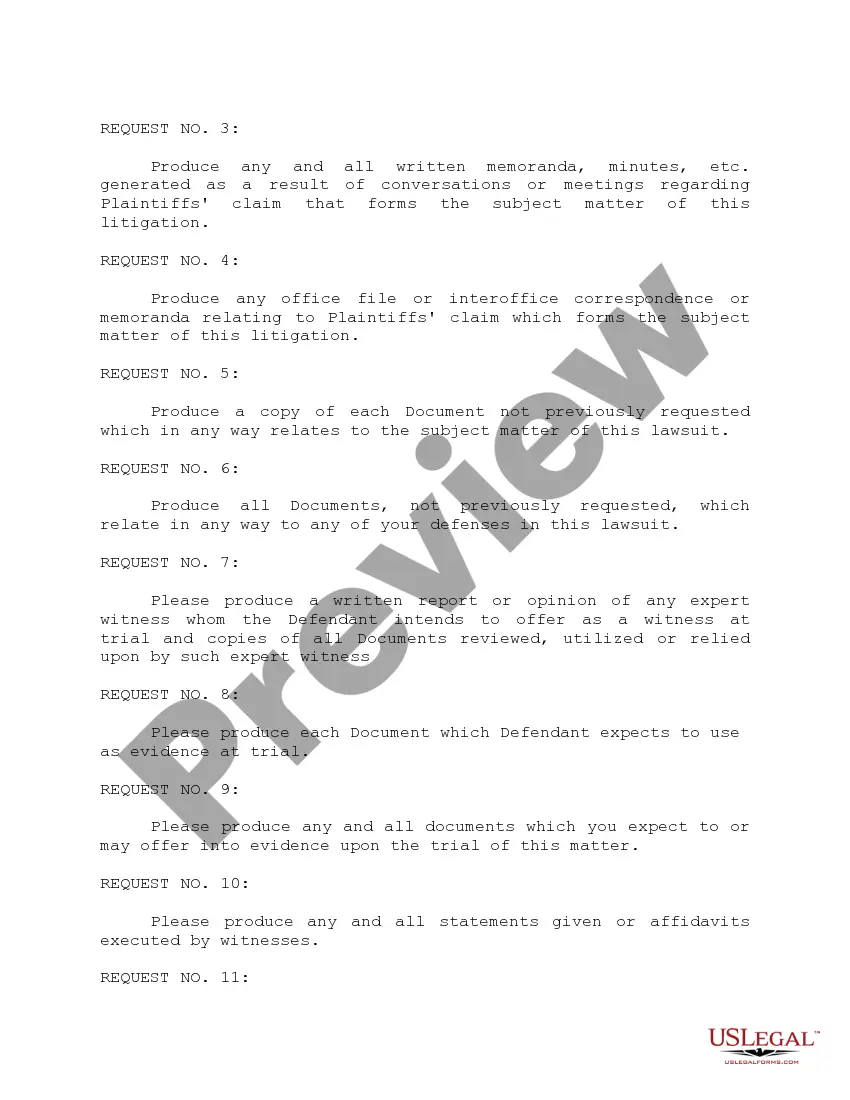
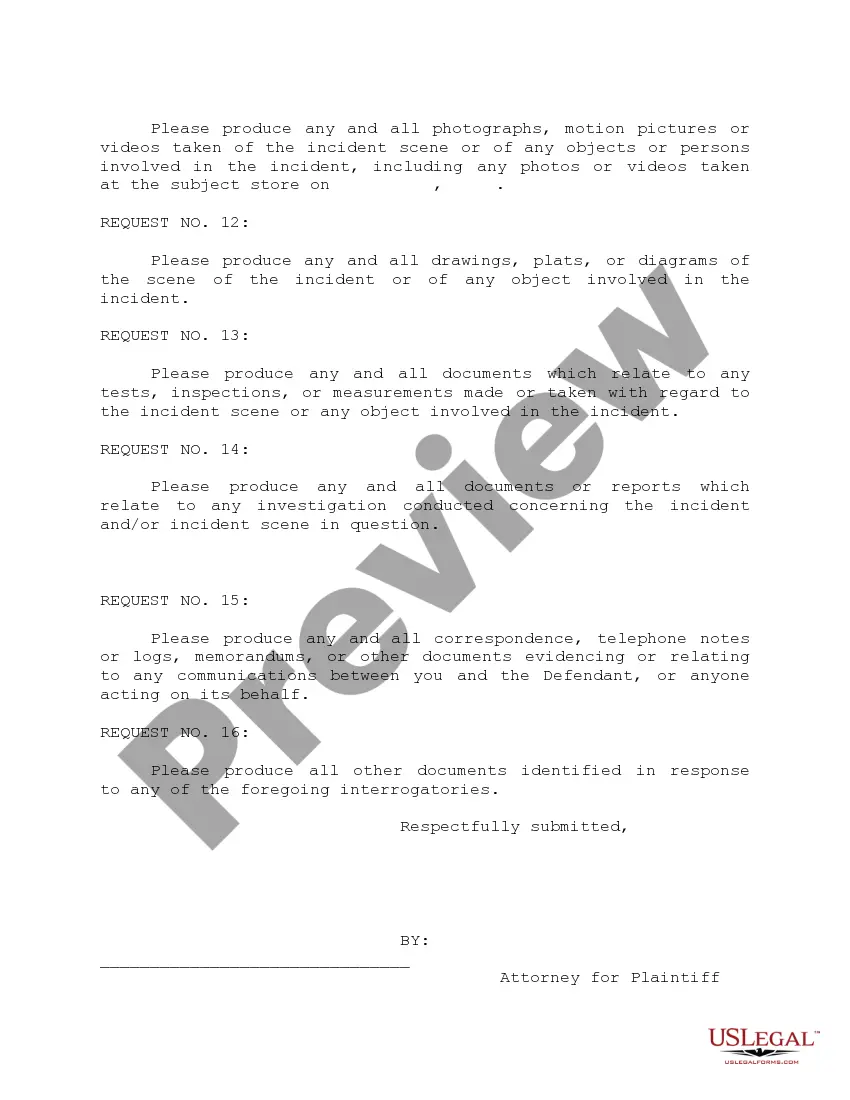
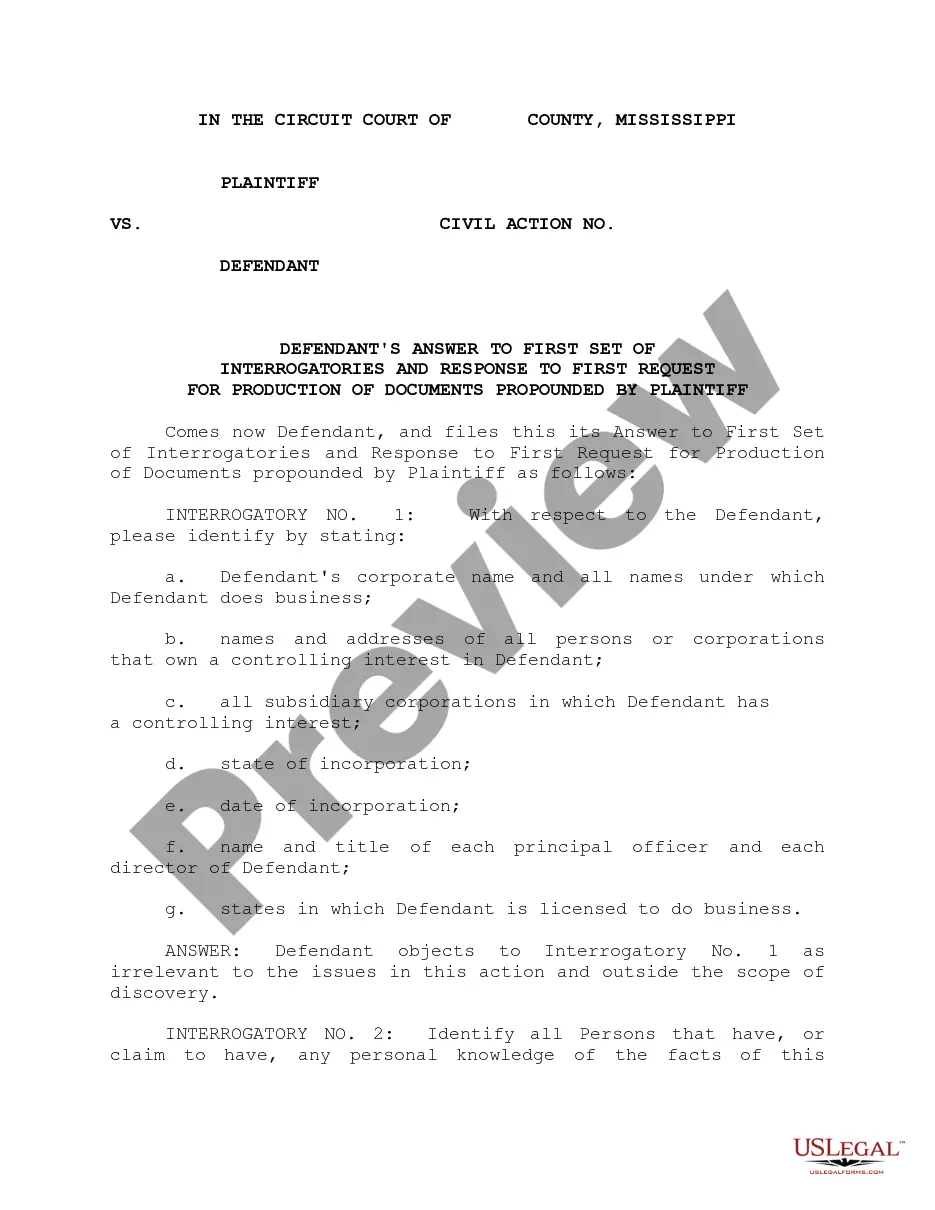
How to fill out Mississippi Plaintiff's First Set Of Interrogatories And Requests For Production Of Documents To Defendant?
Irrespective of whether it is for professional objectives or personal affairs, everyone will encounter legal issues at some juncture in their life.
Completing legal forms requires meticulous focus, beginning with selecting the appropriate template.
After it is saved, you can fill out the form using editing software or print it out and complete it manually. With a vast selection available at US Legal Forms, you won’t have to waste time searching for the right template online. Utilize the library's straightforward navigation to find the suitable form for any situation.
- Identify the template you require by using the search feature or browsing the catalog.
- Review the form's details to confirm it corresponds with your case, state, and county.
- Click on the form's preview to assess it.
- If it is the wrong form, return to the search tool to find the Plaintiff Vs Defendant Format template you require.
- Download the document once it fulfills your requirements.
- If you already possess a US Legal Forms account, simply click Log in to retrieve previously stored documents in My documents.
- If you do not yet have an account, you can acquire the form by clicking Buy now.
- Select the appropriate pricing option.
- Complete the account signup form.
- Choose your payment method: you can use a credit card or PayPal account.
- Select the document format you prefer and download the Plaintiff Vs Defendant Format.
Form popularity
FAQ
In legal proceedings, the plaintiff typically goes first in presenting their case, as they bear the burden of proof. This is a fundamental aspect of the Plaintiff vs Defendant format. The plaintiff makes their arguments and presents evidence, followed by the defendant's response. Understanding this structure can help you navigate court processes more effectively, and US Legal Forms offers resources to assist you in preparing for each stage.
Determining whether you are the plaintiff or defendant hinges on your role in the legal action. In the Plaintiff vs Defendant format, the plaintiff is the party initiating the lawsuit, while the defendant is the party being sued. If you filed the complaint or claim, you are the plaintiff. However, if you are responding to a lawsuit, you are the defendant. If you need more guidance on this process, consider using US Legal Forms for tailored legal documents.
You should capitalize 'Plaintiff' and 'Defendant' when they are used as proper nouns in legal documents, particularly in the Plaintiff vs Defendant format. For instance, when referencing a specific case, writing 'The Plaintiff in this case is John Doe' is appropriate. In contrast, when using the terms generically, such as 'the plaintiff and defendant are both present,' you should not capitalize them. Understanding this distinction helps maintain clarity in legal writings.
When writing about the plaintiff vs defendant, structure your content to highlight the differences between these two roles. Explain the responsibilities and rights of each party clearly, using simple language. This approach will help your audience understand the dynamics at play in legal cases. For additional resources, consider using US Legal Forms to access relevant documents and examples.
To write a plaintiff statement, start by clearly outlining your claims and the facts that support them. Be concise and focus on the events that led to the legal action. Additionally, it's helpful to format your statement in a way that adheres to legal standards, keeping the plaintiff vs defendant format in mind for clarity. The US Legal Forms platform offers templates and guidance to assist you in crafting a strong statement.
You can determine your role by considering who initiated the legal action. If you filed a complaint against someone, you are the plaintiff. Conversely, if someone has filed a case against you, you are the defendant. Knowing your position in the plaintiff vs defendant format is essential for navigating the legal system effectively.
In a legal case, the plaintiff files first. The plaintiff initiates the lawsuit by submitting a complaint to the court. The defendant will then respond to the complaint after being served with the legal documents. Understanding the plaintiff vs defendant format is crucial, as it outlines the roles each party plays in the legal process.
Filing a lawsuit involves several key steps, starting with determining the appropriate court for your case. Next, prepare your complaint, which outlines your claims against the defendant in a clear manner. Using the plaintiff vs defendant format helps to organize your arguments effectively. Finally, file the complaint with the court and serve it to the defendant, ensuring you follow the specific rules of your jurisdiction. US Legal Forms offers resources to guide you through this process.
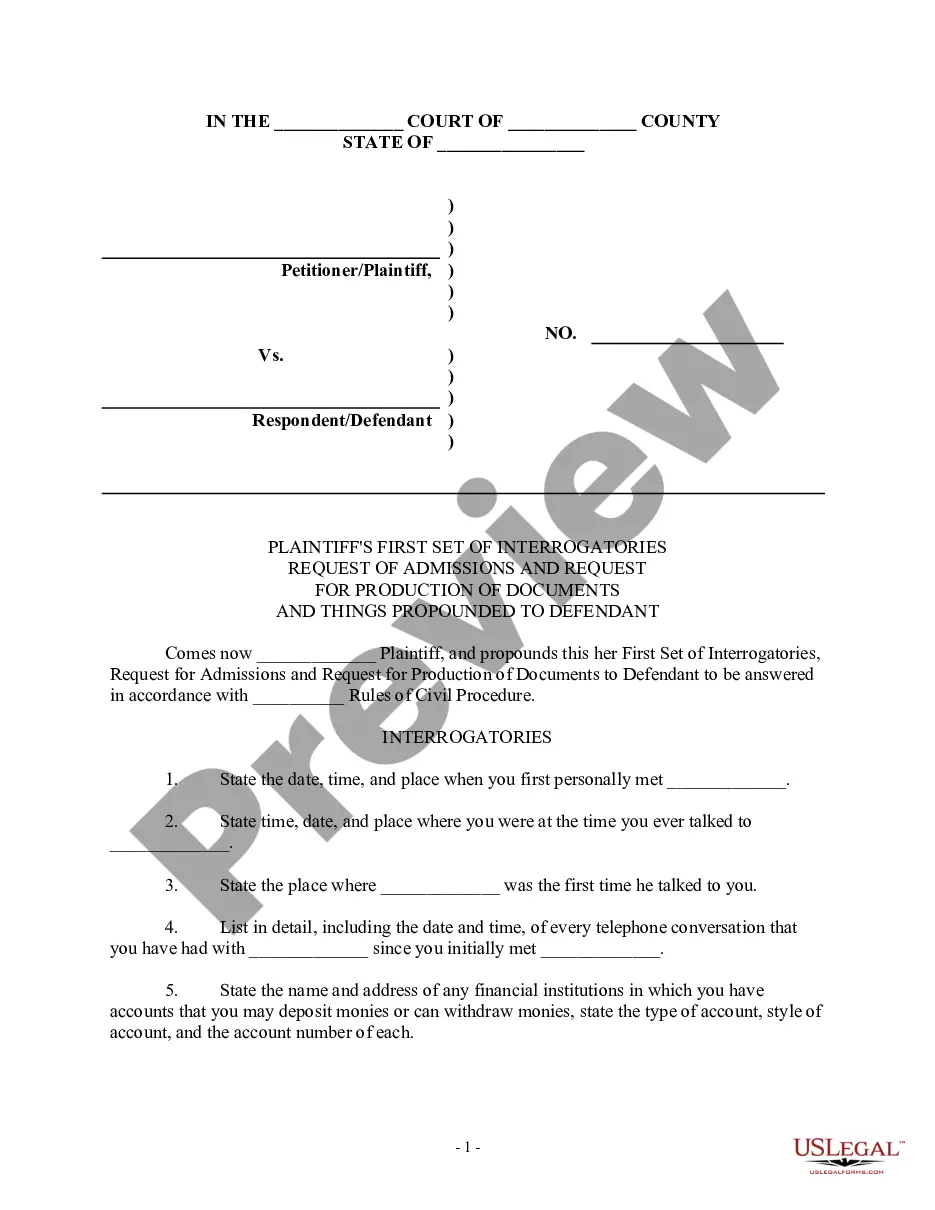
To draft a plaintiff, start by clearly defining the individual or entity that will bring the lawsuit against another party. In the plaintiff vs defendant format, it is crucial to include their full legal name and any relevant details about their case. You can use tools like US Legal Forms to access templates that simplify this process. By following a structured format, you ensure that your plaintiff is properly represented in court.
Remembering the difference between plaintiff and defendant can be simplified with a simple mnemonic. Think of 'plaintiff' as the party that 'pleads' their case, while the 'defendant' is the one who 'defends' against the claims. Using the plaintiff vs defendant format in your notes can also help reinforce this distinction. With uslegalforms, you can find resources that explain these roles clearly, aiding your understanding.