Defendant Vs Plaintiff In Divorce
Description


Get your form ready online
Our built-in tools help you complete, sign, share, and store your documents in one place.
Make edits, fill in missing information, and update formatting in US Legal Forms—just like you would in MS Word.
Download a copy, print it, send it by email, or mail it via USPS—whatever works best for your next step.
Sign and collect signatures with our SignNow integration. Send to multiple recipients, set reminders, and more. Go Premium to unlock E-Sign.
If this form requires notarization, complete it online through a secure video call—no need to meet a notary in person or wait for an appointment.
We protect your documents and personal data by following strict security and privacy standards.

Make edits, fill in missing information, and update formatting in US Legal Forms—just like you would in MS Word.

Download a copy, print it, send it by email, or mail it via USPS—whatever works best for your next step.

Sign and collect signatures with our SignNow integration. Send to multiple recipients, set reminders, and more. Go Premium to unlock E-Sign.

If this form requires notarization, complete it online through a secure video call—no need to meet a notary in person or wait for an appointment.

We protect your documents and personal data by following strict security and privacy standards.
Looking for another form?





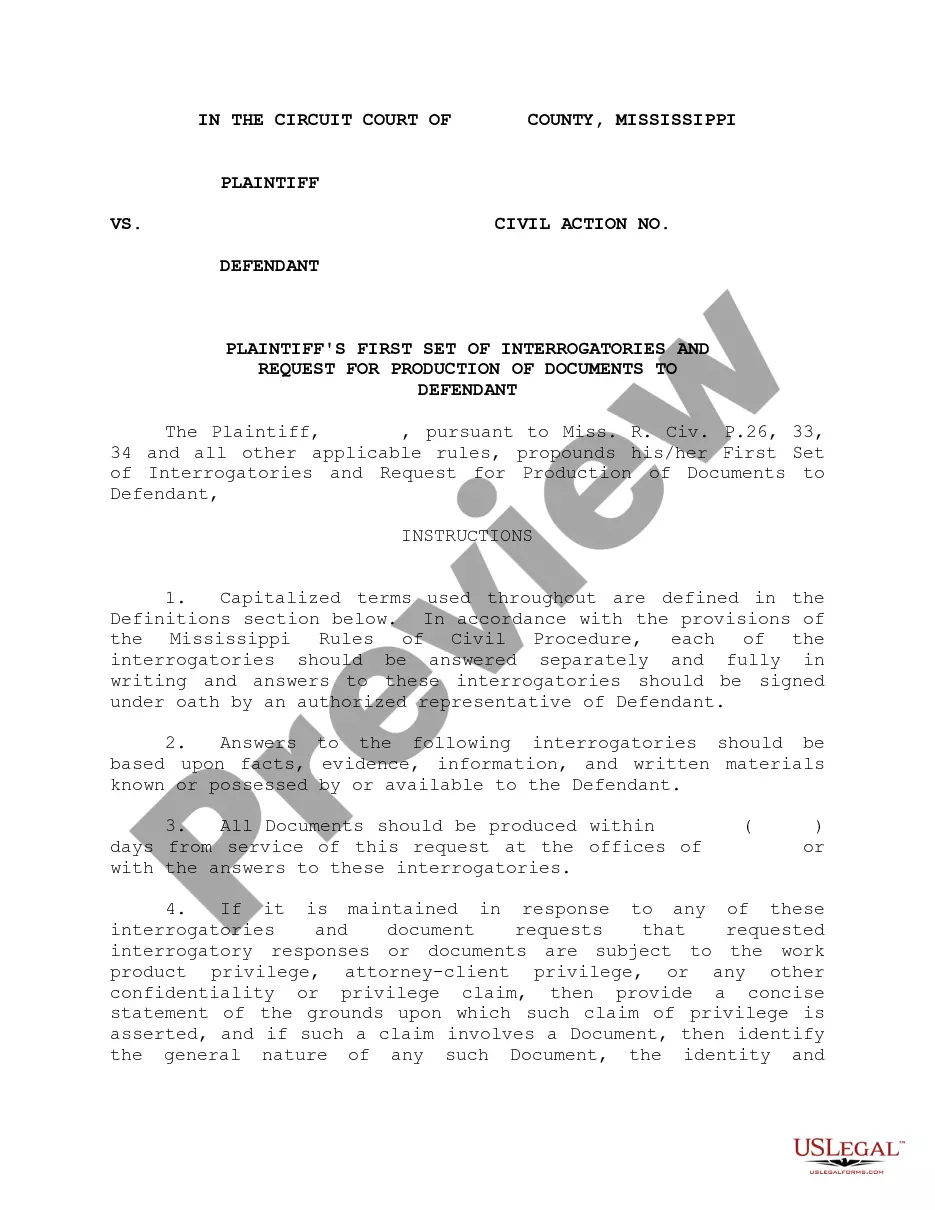
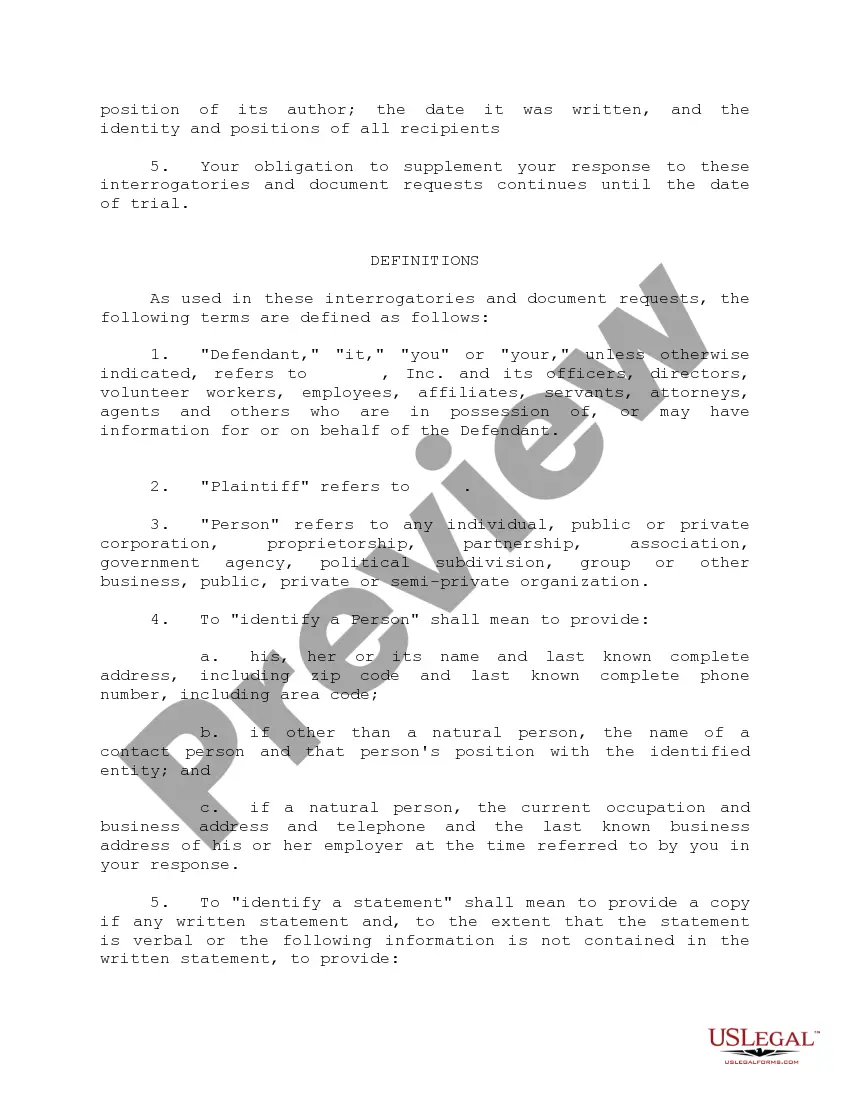
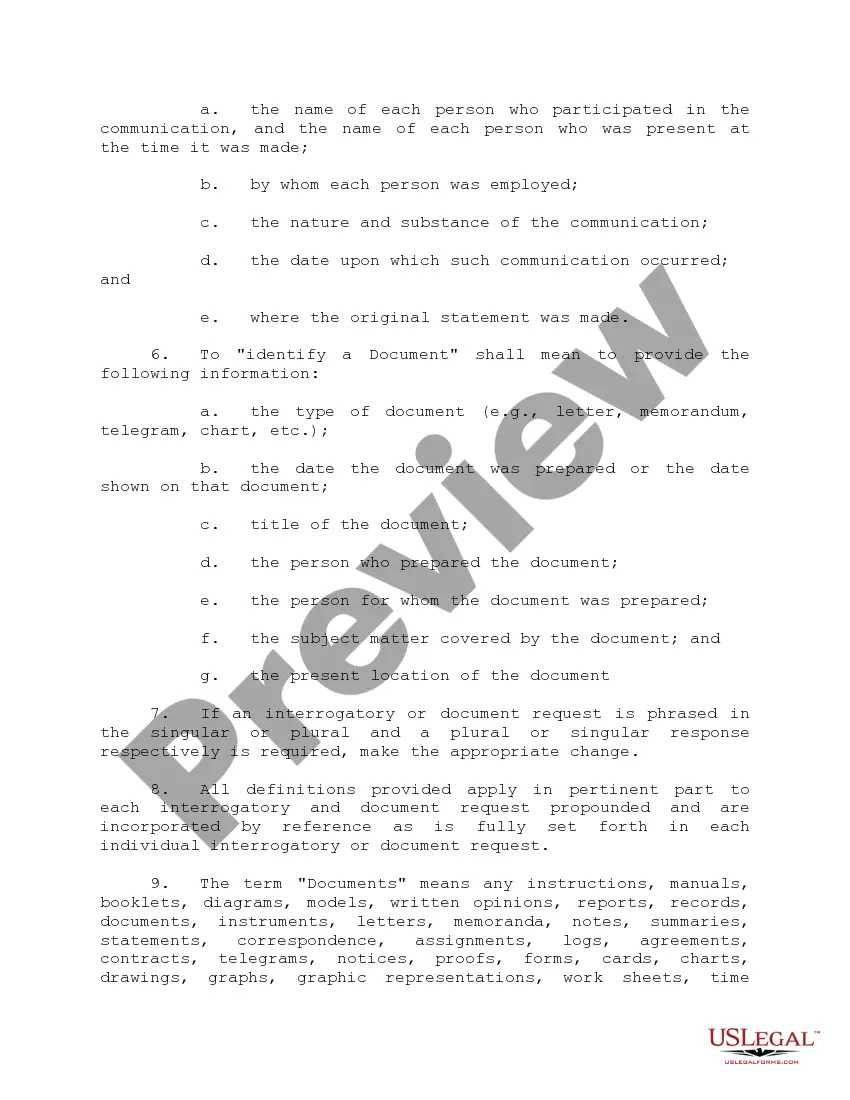
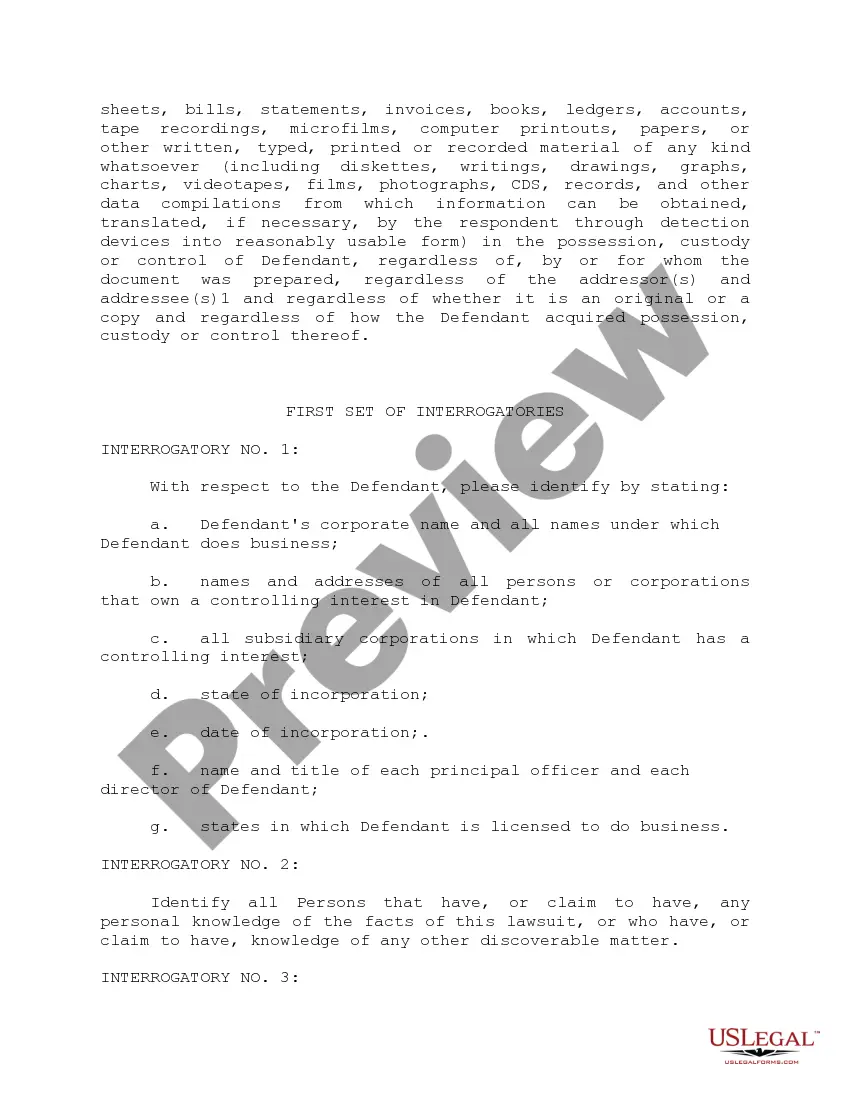
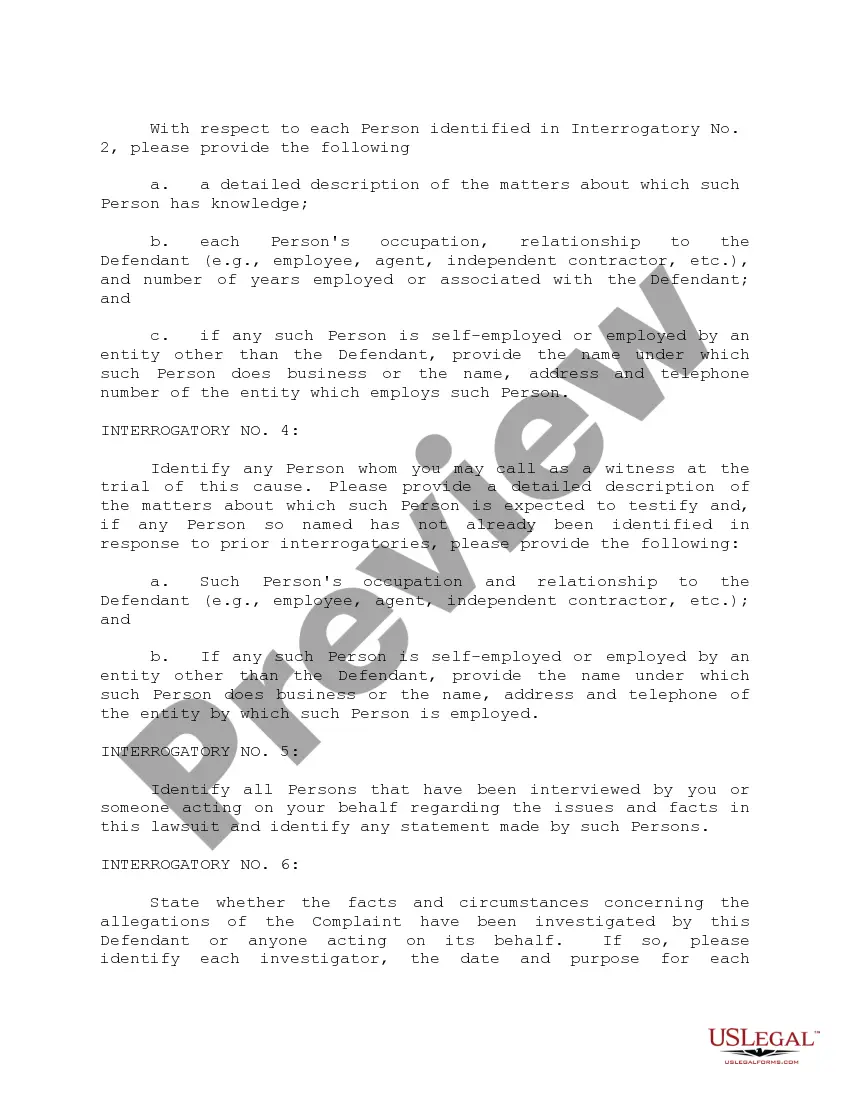
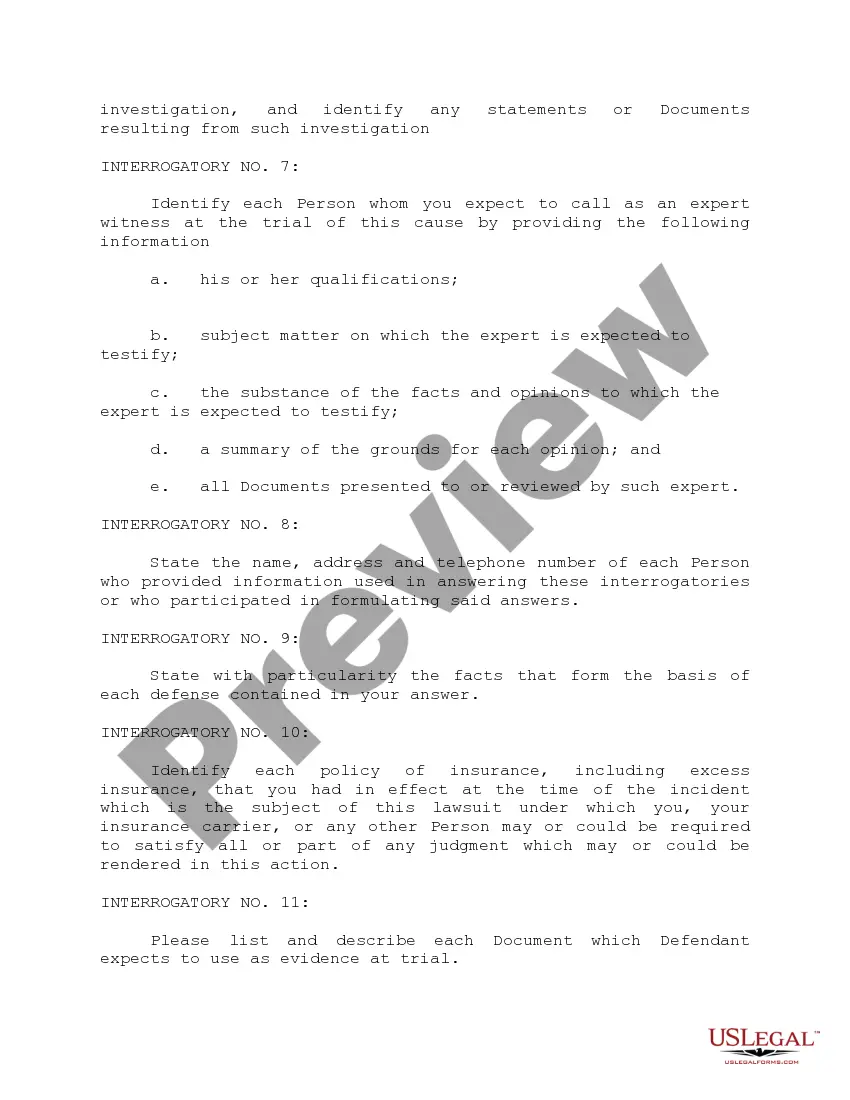
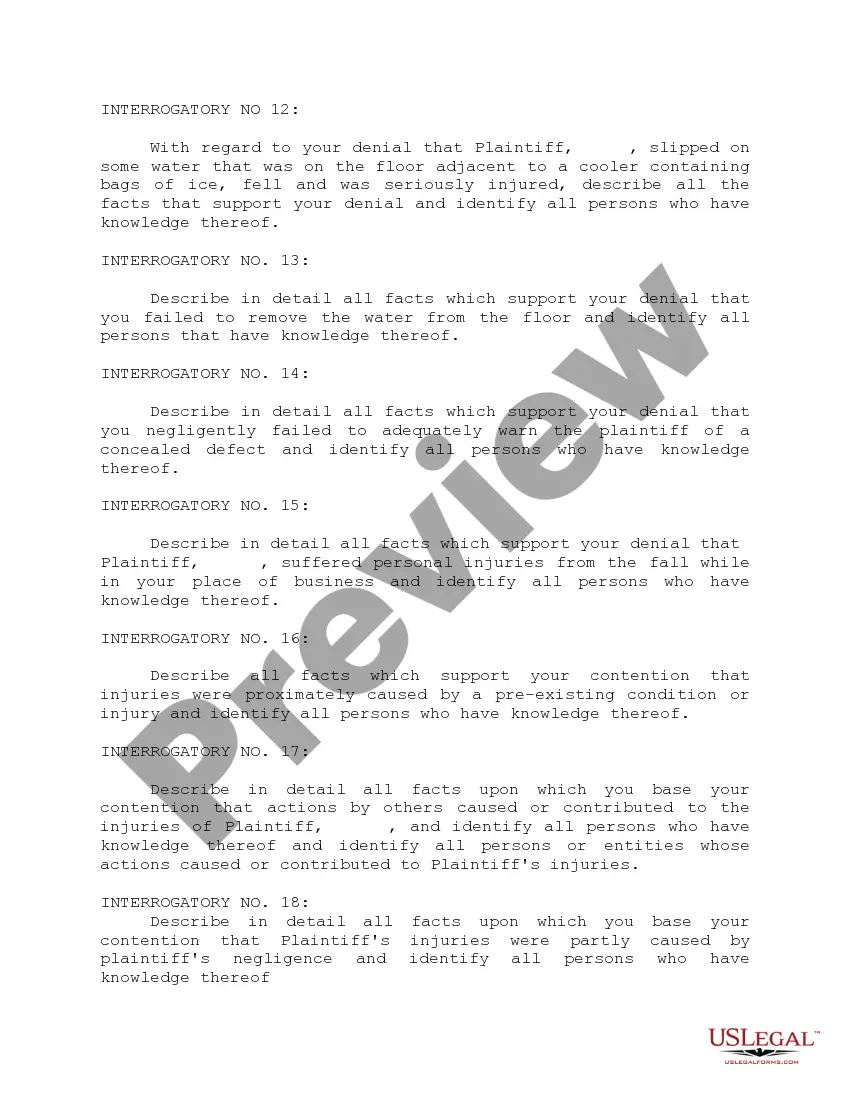
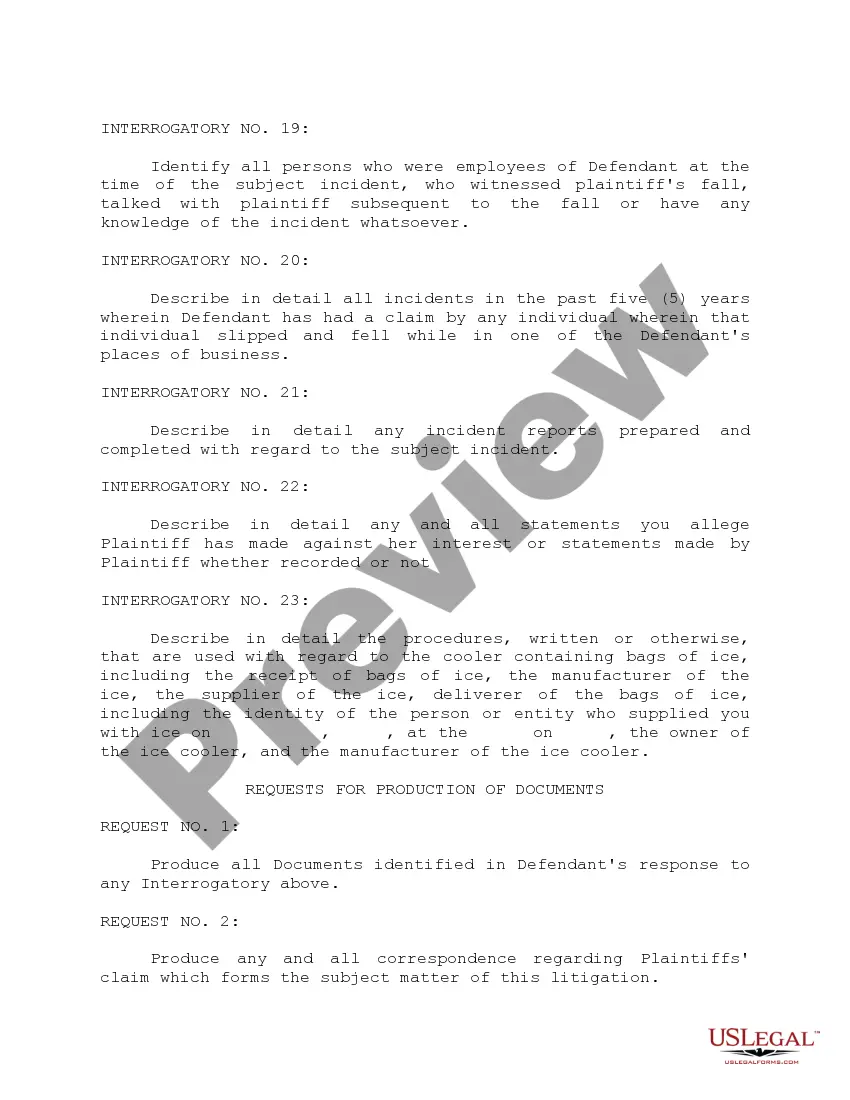
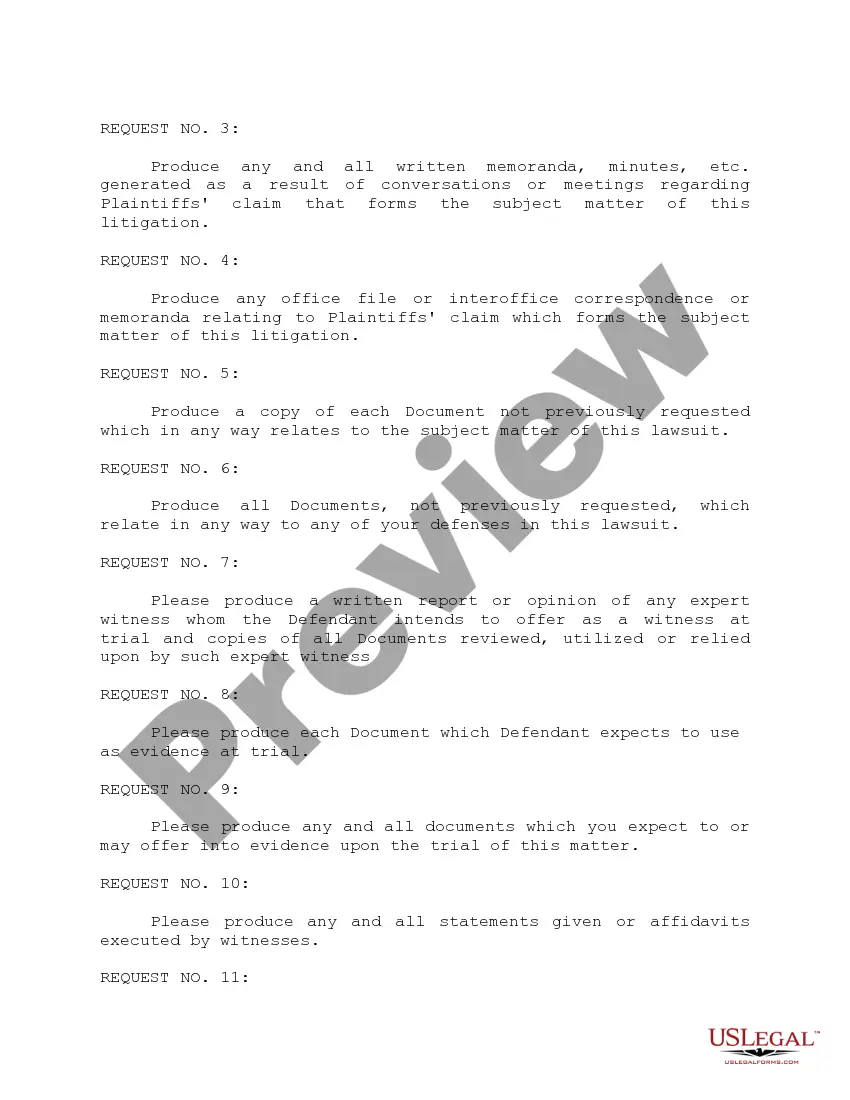
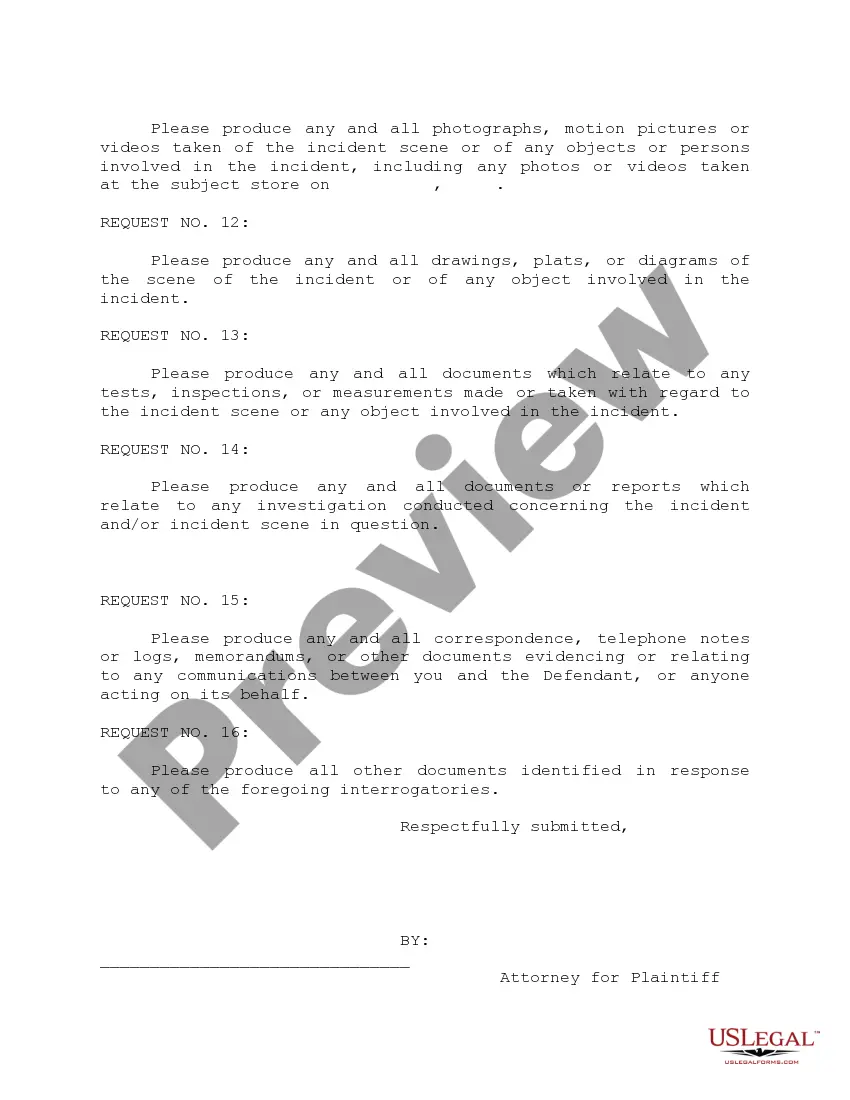
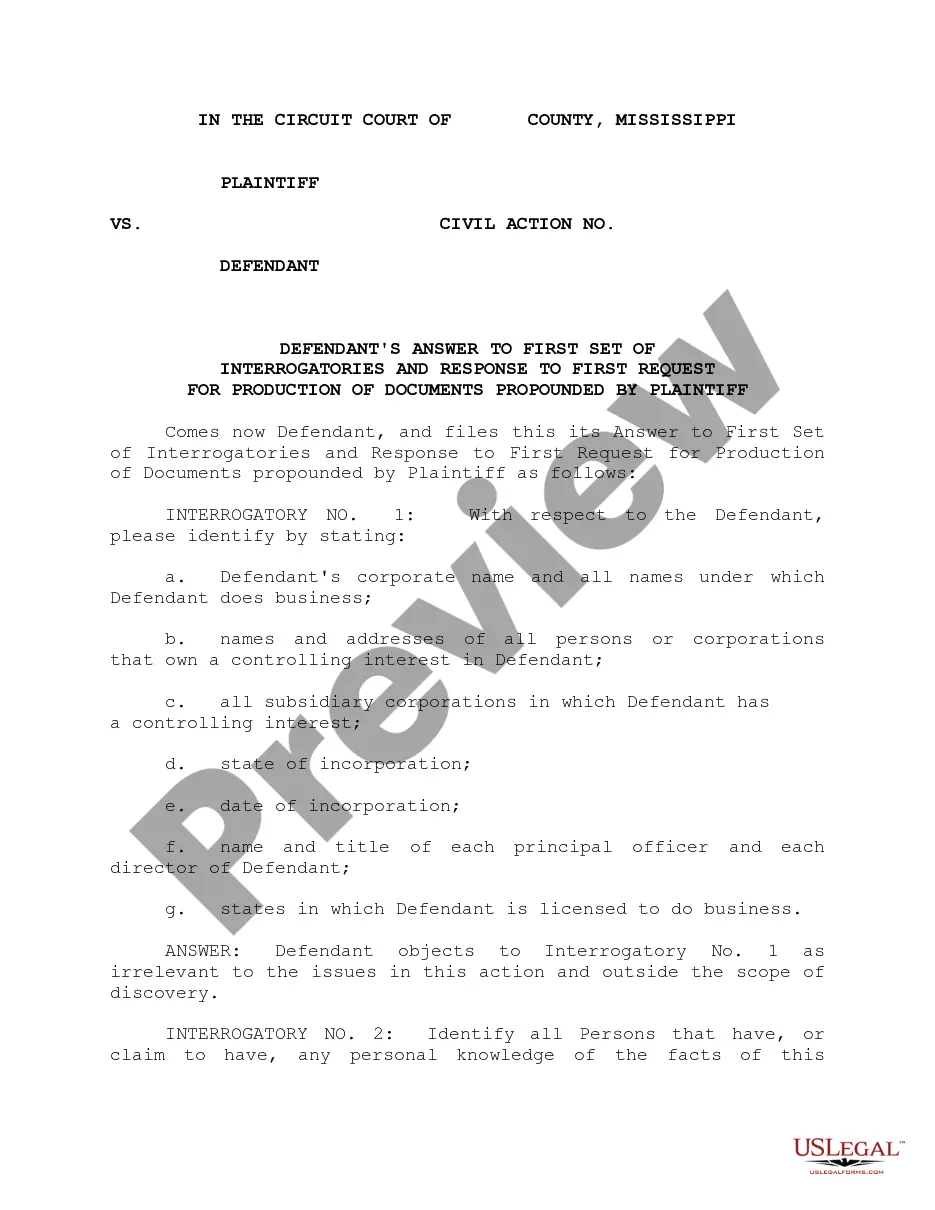
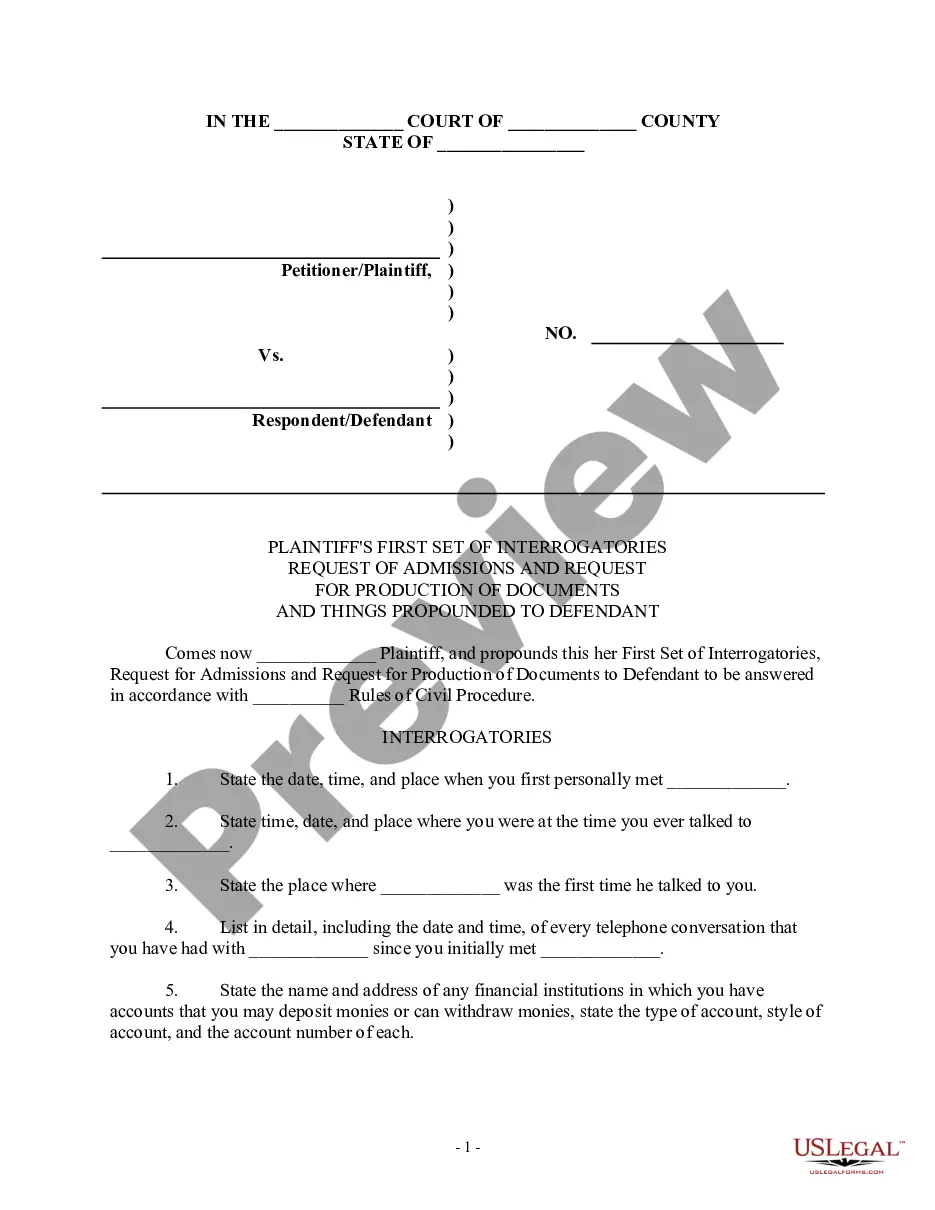
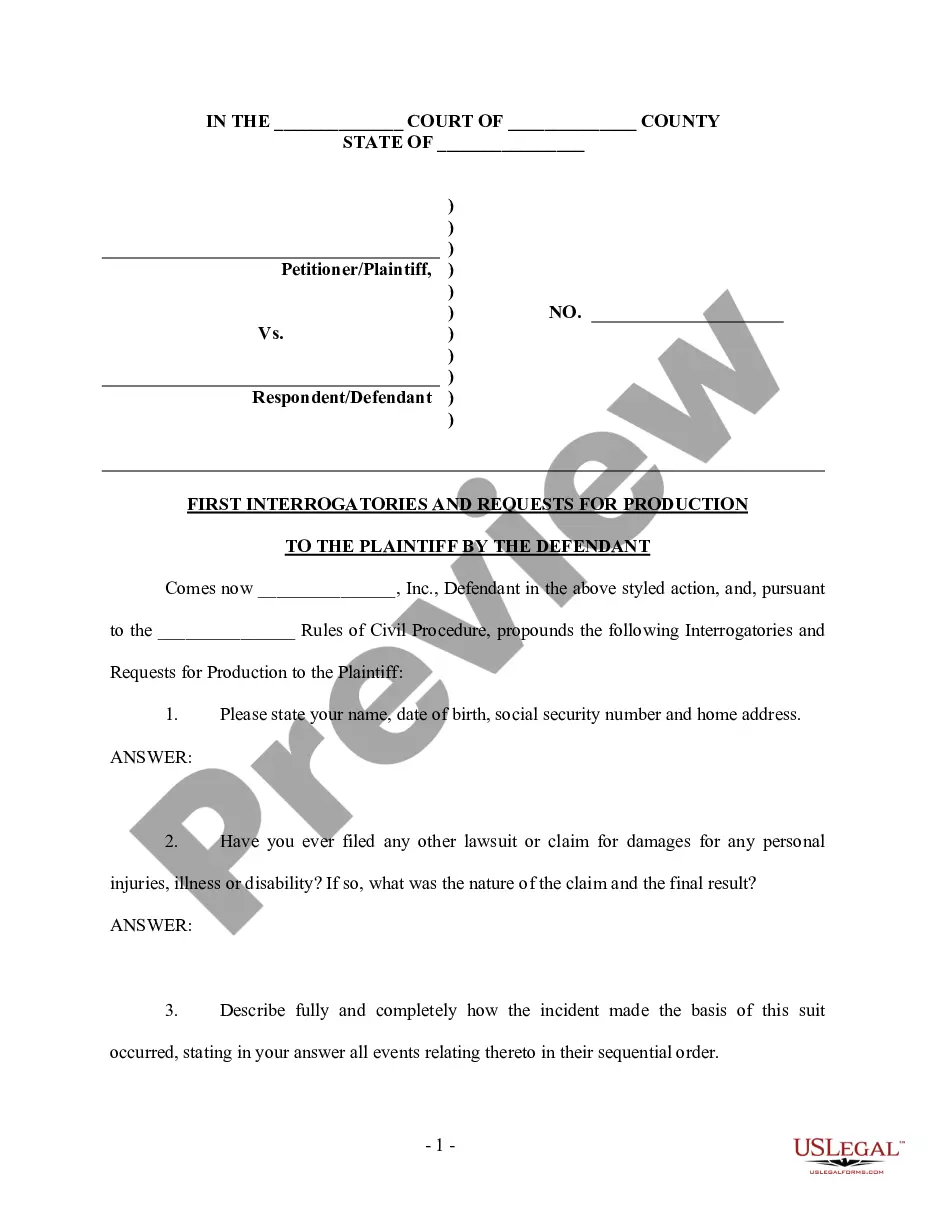
How to fill out Mississippi Plaintiff's First Set Of Interrogatories And Requests For Production Of Documents To Defendant?
Managing legal documents and processes can be a lengthy addition to your day.
Defendant Vs Plaintiff In Divorce and similar forms often require you to search for them and understand how to fill them out accurately.
For that reason, if you are dealing with financial, legal, or personal issues, having an extensive and efficient online repository of forms readily available will significantly help.
US Legal Forms is the premier online source of legal templates, featuring over 85,000 state-specific forms and a range of tools to assist you in completing your documents effortlessly.
Simply Log In to your account, locate Defendant Vs Plaintiff In Divorce, and download it right away from the My documents section. You also have the option to access forms you've downloaded before.
- Browse the collection of pertinent documents accessible with a single click.
- US Legal Forms provides state- and county-specific forms available at any time for download.
- Protect your document management processes with quality support enabling you to prepare any form within minutes without any extra or hidden charges.
Form popularity
FAQ
Yes, the person who files for divorce is indeed the plaintiff. This distinction is an essential part of understanding the legal process. The defendant, on the other hand, is the party responding to the divorce petition. Familiarity with these roles in the defendant vs plaintiff in divorce context can assist individuals in effectively managing their cases.
To determine who filed for divorce, you can refer to the court documents associated with the case. The divorce petition will identify the plaintiff and the defendant. Additionally, legal services, such as those offered by uslegalforms, can help you access the necessary paperwork. This clarity around the defendant vs plaintiff in divorce can simplify your understanding of the situation.
The individual who filed for divorce is the plaintiff. This person submits the divorce papers to the court, starting the legal process. The defendant then receives notice of the filing and has the opportunity to respond. Knowing the distinction in the defendant vs plaintiff in divorce helps clarify roles in the case.
In a divorce case, the person who initiates the legal action is known as the plaintiff. This individual files the divorce petition in court. The other party, referred to as the defendant, responds to the petition. Understanding the roles of defendant vs plaintiff in divorce is crucial for navigating legal proceedings.
Financial losses in divorce can vary widely based on numerous factors, including assets, debts, and the terms of the settlement. Generally, both parties may experience financial strain, but the plaintiff may have an advantage if they carefully structure the divorce terms. Utilizing resources like USLegalForms can help you understand the financial implications and protect your interests in this defendant vs plaintiff in divorce scenario.
The plaintiff initiates the divorce by filing the necessary paperwork with the court. This action formally starts the legal process and outlines the plaintiff's requests. Understanding the roles of plaintiff vs defendant in divorce can help clarify responsibilities and expectations as you navigate through this challenging time.
Choosing between being a plaintiff or defendant in divorce hinges on your individual goals and circumstances. As the plaintiff, you may have the advantage of setting the tone for negotiations, while the defendant can strategically respond to the plaintiff's claims. Evaluating your case's details can help you determine which role serves your interests better.
The distinction between plaintiff and defendant in divorce can impact your experience. As the plaintiff, you can outline your requests first, which may influence the proceedings. On the other hand, being the defendant allows you to respond to claims made against you. Ultimately, the best position depends on your unique situation and the specifics of your case.
Filing for divorce gives you control over the process, allowing you to set the timeline and specify your terms. However, being the plaintiff does not inherently guarantee a favorable outcome. It's essential to consider your circumstances and consult with legal professionals to understand the implications of your position as defendant vs plaintiff in divorce.
When discussing plaintiff vs defendant in divorce, it is important to clarify their distinct roles. The plaintiff initiates the divorce, while the defendant responds to the filing. To write effectively about this topic, focus on the implications of each role in the divorce process. Using platforms like US Legal Forms can help you access the necessary documents and guidance to navigate these distinctions.