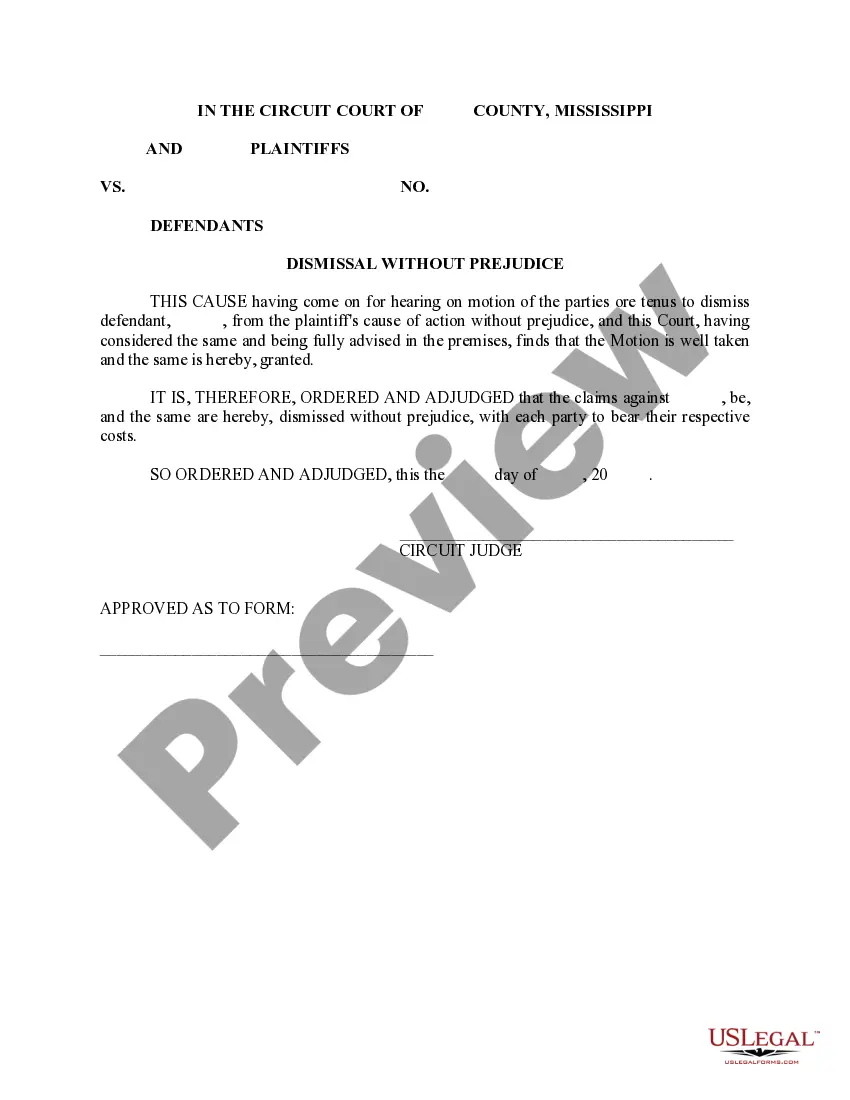
Ms Rule With Domain
Description
Get your form ready online
Our built-in tools help you complete, sign, share, and store your documents in one place.
Make edits, fill in missing information, and update formatting in US Legal Forms—just like you would in MS Word.
Download a copy, print it, send it by email, or mail it via USPS—whatever works best for your next step.
Sign and collect signatures with our SignNow integration. Send to multiple recipients, set reminders, and more. Go Premium to unlock E-Sign.
If this form requires notarization, complete it online through a secure video call—no need to meet a notary in person or wait for an appointment.
We protect your documents and personal data by following strict security and privacy standards.

Make edits, fill in missing information, and update formatting in US Legal Forms—just like you would in MS Word.

Download a copy, print it, send it by email, or mail it via USPS—whatever works best for your next step.

Sign and collect signatures with our SignNow integration. Send to multiple recipients, set reminders, and more. Go Premium to unlock E-Sign.

If this form requires notarization, complete it online through a secure video call—no need to meet a notary in person or wait for an appointment.

We protect your documents and personal data by following strict security and privacy standards.
Looking for another form?


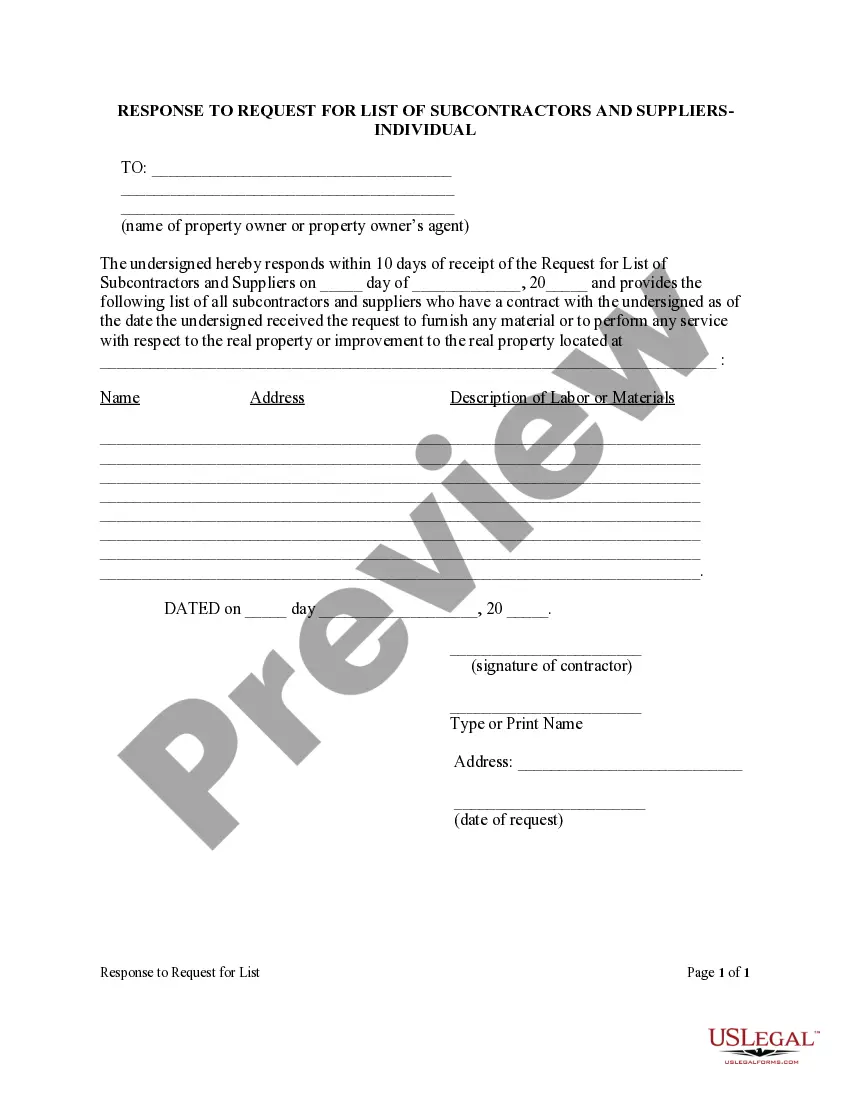







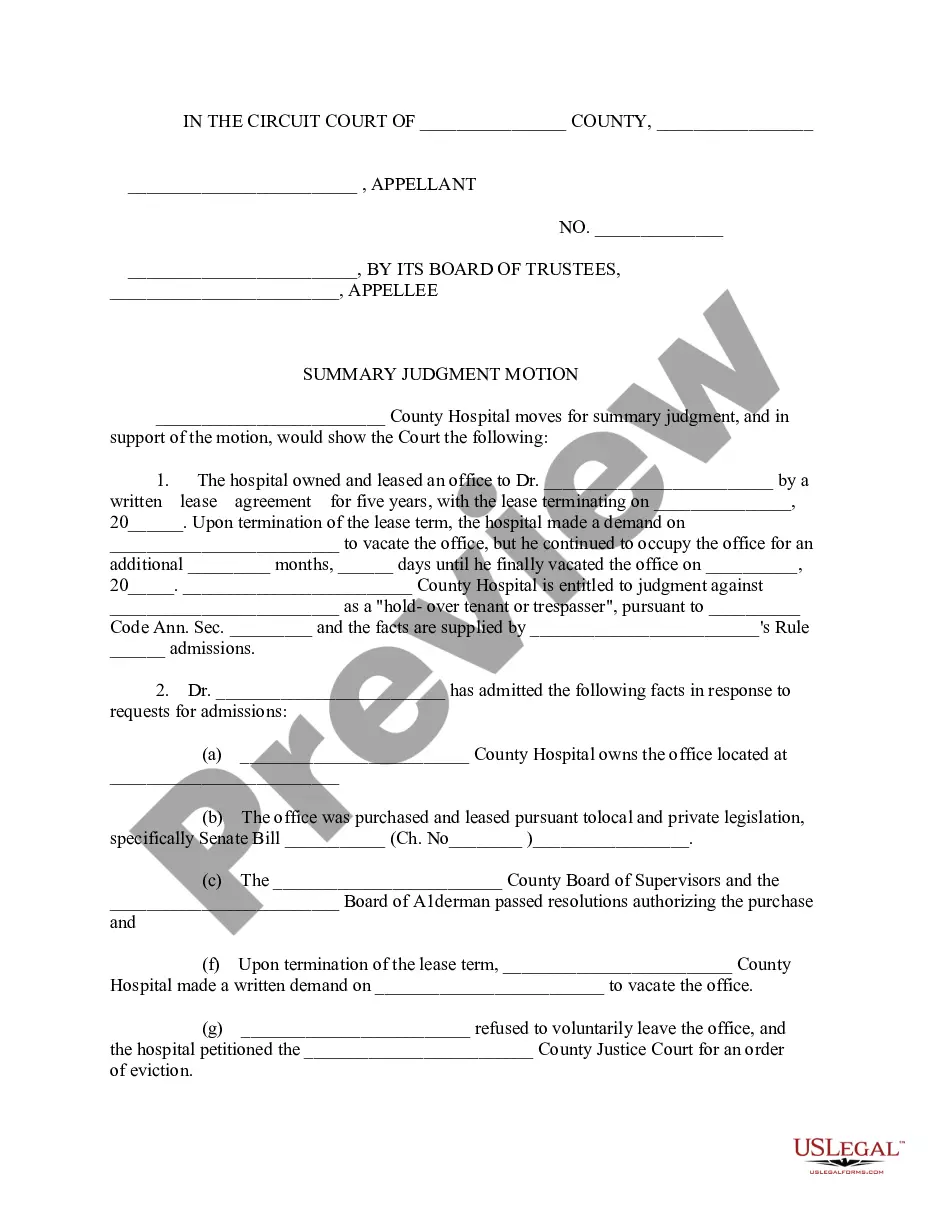
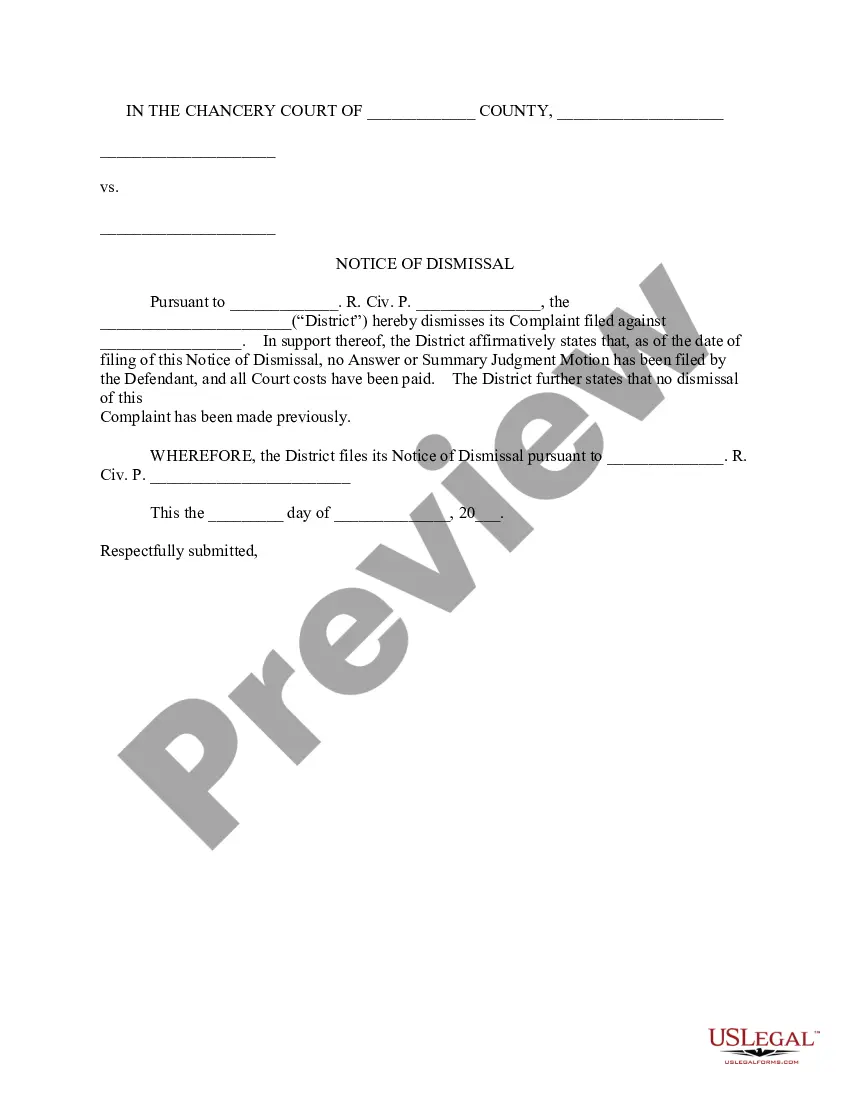
How to fill out Mississippi Notice Of Dismissal - Rule 41 (A)?
Regardless of whether for professional purposes or personal matters, everyone must handle legal issues at certain moments in their life.
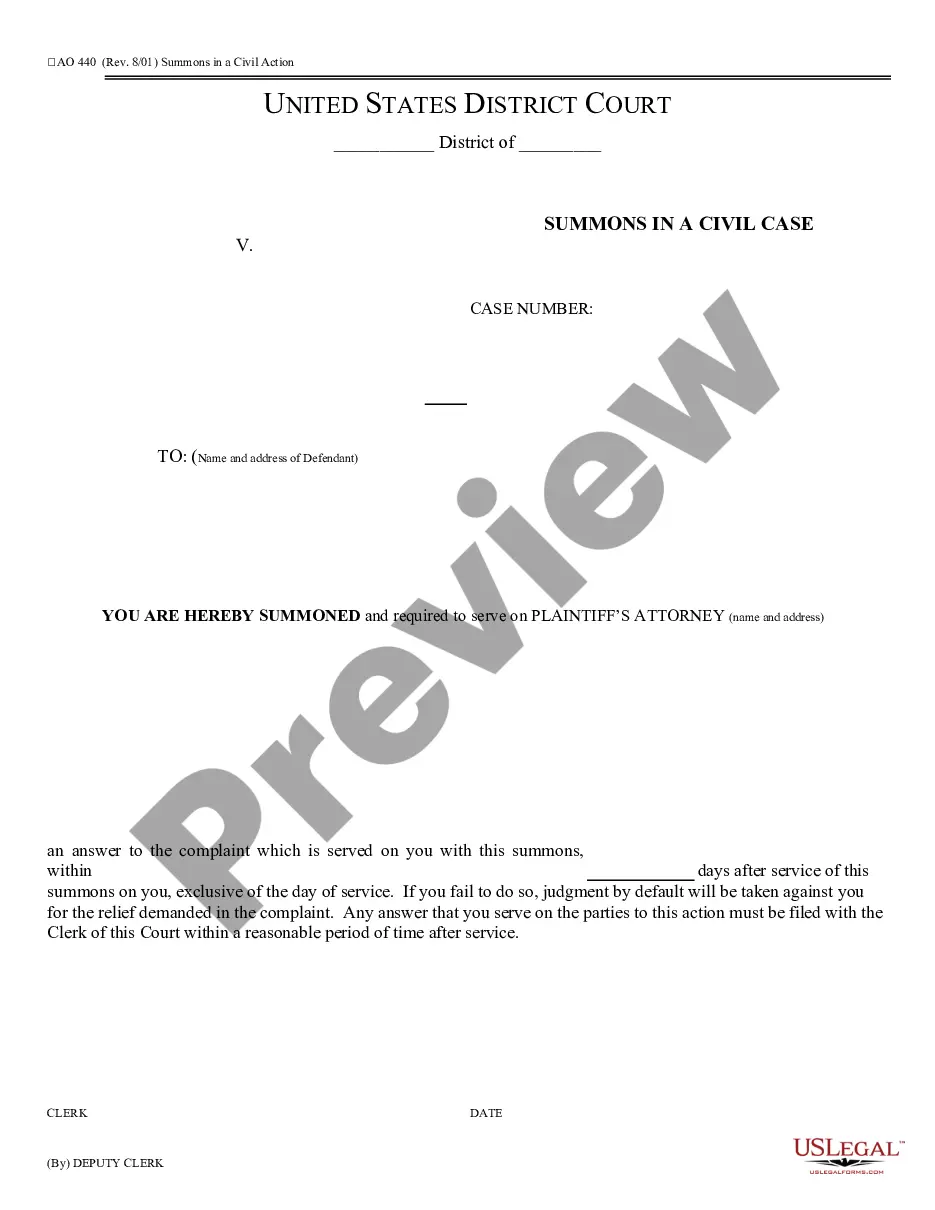
Filling out legal documents requires meticulous care, starting from selecting the correct form template. For example, if you select an incorrect version of the Ms Rule With Domain, it will be rejected upon submission. Thus, it is crucial to have a trustworthy source of legal documents such as US Legal Forms.
With a comprehensive US Legal Forms catalog available, you will never have to waste time searching for the correct template online. Use the library’s user-friendly navigation to find the suitable form for any circumstance.
- Obtain the template you require by utilizing the search bar or browsing through the catalog.
- Review the form’s details to confirm it aligns with your situation, state, and locality.
- Click on the form’s preview to examine it.
- If it is the wrong form, return to the search feature to locate the Ms Rule With Domain template you need.
- Download the document if it fulfills your requirements.
- If you possess a US Legal Forms account, simply click Log in to access previously saved templates in My documents.
- If you do not yet have an account, you can acquire the form by clicking Buy now.
- Select the appropriate pricing option.
- Fill out the profile registration form.
- Choose your payment method: either credit card or PayPal.
- Select your desired file format and download the Ms Rule With Domain.
- Once downloaded, you can either complete the form using editing software or print it and finish it by hand.
Form popularity
FAQ
A Windows domain is a form of a computer network in which all user accounts, computers, printers and other security principals, are registered with a central database located on one or more clusters of central computers known as domain controllers. Authentication takes place on domain controllers.
Domain Naming Conventions Domains can contain the English-language letters a-z, and the digits 0-9. Hyphens can also be used but it can not be used at the beginning and at the end of a domain name. Two hyphens together is usually not permitted and also hyphens cannot appear at both third and fourth positions.
Domain names can only use letters, numbers, the fada character (acute accent) and hyphens (?-?). Spaces and other symbols are not permitted for use. Names cannot begin or end with a hyphen and are not case sensitive.
Quickly set up an email forwarding rule in Outlook Open your Outlook mailbox. ... Click 'New Rule' Under 'Start,' select the 'Apply rule on messages I receive. ... Select the criteria for the types of messages you want to forward. ... In Step 1 in the next window, click 'Forward it to people or public groups.
Create a rule Sign in to Outlook on the web. ... In the upper-right corner, select. ... Select Mail, and then Rules. Select + Add a new rule. Enter a name for the rule. ... Select a condition that will trigger the rule to run. ... Select an action that will occur when the rule is triggered.