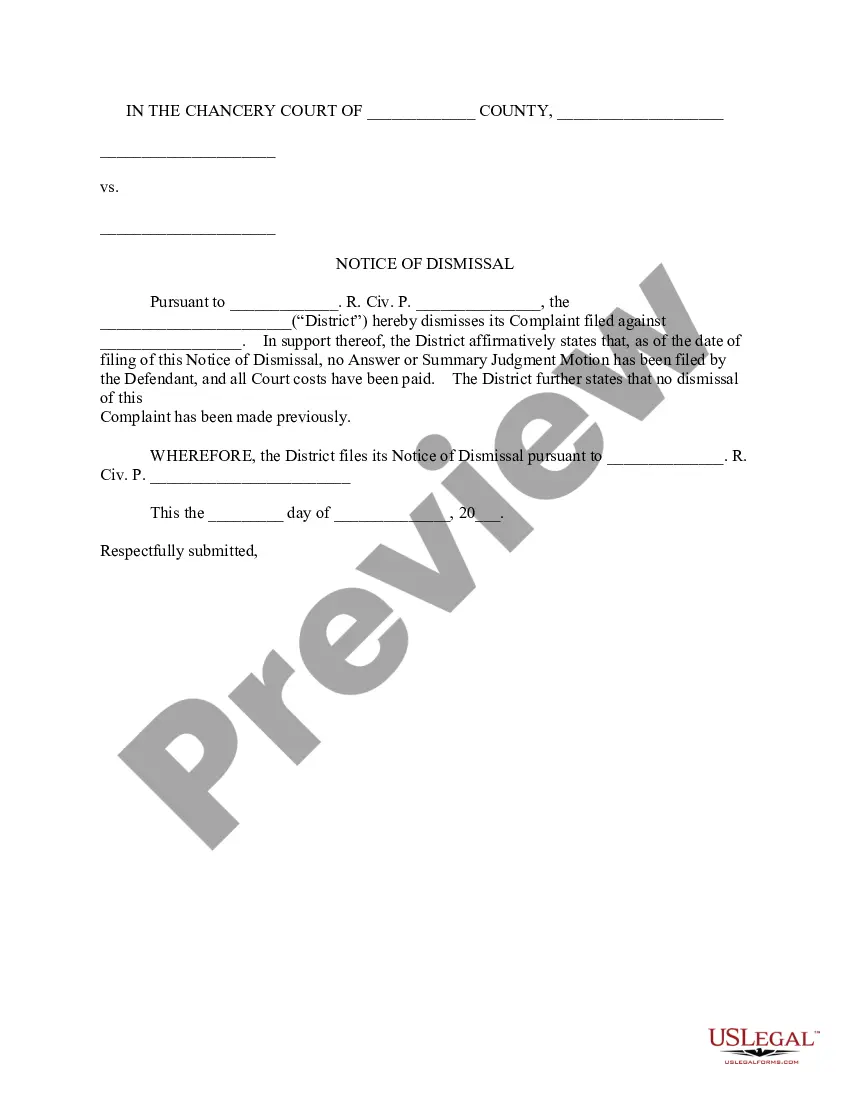
Court Dismissal With Prejudice
Description

Get your form ready online
Our built-in tools help you complete, sign, share, and store your documents in one place.
Make edits, fill in missing information, and update formatting in US Legal Forms—just like you would in MS Word.
Download a copy, print it, send it by email, or mail it via USPS—whatever works best for your next step.
Sign and collect signatures with our SignNow integration. Send to multiple recipients, set reminders, and more. Go Premium to unlock E-Sign.
If this form requires notarization, complete it online through a secure video call—no need to meet a notary in person or wait for an appointment.
We protect your documents and personal data by following strict security and privacy standards.

Make edits, fill in missing information, and update formatting in US Legal Forms—just like you would in MS Word.

Download a copy, print it, send it by email, or mail it via USPS—whatever works best for your next step.

Sign and collect signatures with our SignNow integration. Send to multiple recipients, set reminders, and more. Go Premium to unlock E-Sign.

If this form requires notarization, complete it online through a secure video call—no need to meet a notary in person or wait for an appointment.

We protect your documents and personal data by following strict security and privacy standards.
Looking for another form?
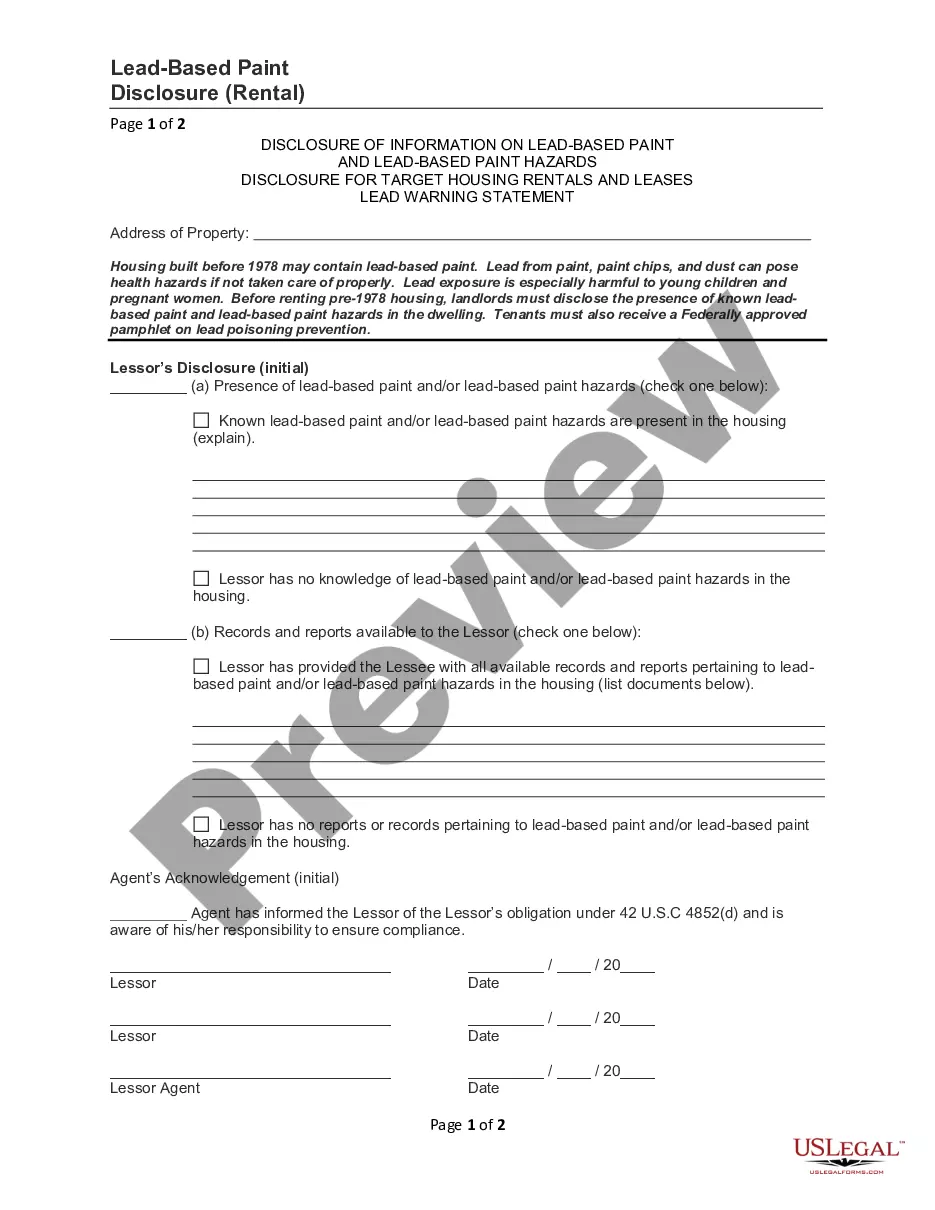


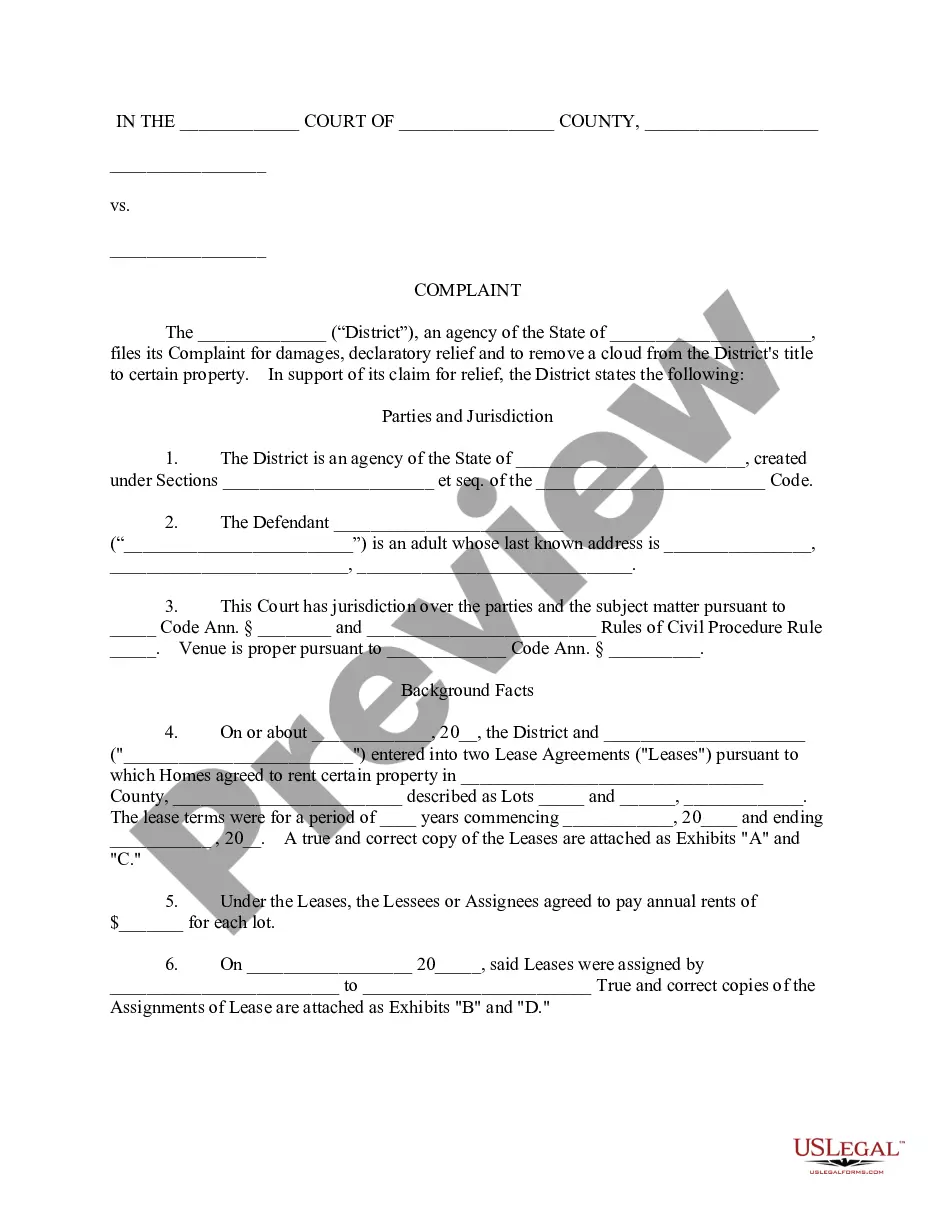
How to fill out Notice Of Dismissal?
Finding a reliable resource for the latest and suitable legal forms is part of the challenge of navigating bureaucracy.
Selecting the correct legal documents requires precision and thoroughness, which is why it's essential to obtain Court Dismissal With Prejudice templates solely from reputable sources, such as US Legal Forms. An incorrect template can consume your time and hinder your current situation.
Once you have the form on your device, you can edit it using the editor or print it and complete it manually. Eliminate the stress that comes with your legal documentation. Browse the extensive US Legal Forms catalog to discover legal templates, evaluate their applicability to your circumstance, and download them immediately.
- Utilize the catalog browsing or search bar to find your template.
- Access the form’s description to verify if it aligns with your state and locality’s requirements.
- View the form preview, if available, to confirm that it is indeed the document you need.
- Return to the search to find the correct document if the Court Dismissal With Prejudice does not meet your needs.
- Once you are confident about the form’s relevance, download it.
- If you are a registered user, click Log in to verify and access your selected templates in My documents.
- If you haven’t created an account yet, click Buy now to obtain the form.
- Choose the pricing plan that fits your needs.
- Proceed with the registration to complete your purchase.
- Conclude your purchase by selecting a payment option (credit card or PayPal).
- Choose the document format for downloading the Court Dismissal With Prejudice.
Form popularity
FAQ
To dismiss a case with prejudice, a party must file a motion with the court, requesting the dismissal while specifying the reasons for it. The court will review the motion, and if it finds the request justified, it will issue an order dismissing the case with prejudice. Utilizing a platform like US Legal Forms can simplify this process, providing you with the necessary forms and guidance to navigate your legal journey effectively.
An example of court dismissal with prejudice occurs when a judge dismisses a case after determining that the claims lack merit. For instance, if a defendant demonstrates that the plaintiff failed to provide sufficient evidence, the judge may opt for dismissal with prejudice. This action ensures that the same claims cannot be pursued again. It's important to grasp how this type of dismissal impacts your legal rights.
A court dismissal with prejudice means that a case is permanently closed and cannot be refiled. For example, if a plaintiff files a lawsuit for breach of contract but later decides to withdraw the case after a settlement, the court may issue a dismissal with prejudice. This prevents the plaintiff from bringing the same claim against the defendant in the future. Understanding this concept is crucial for anyone involved in legal proceedings.
Several factors can lead to a case being dismissed with prejudice, including failure to follow court rules, lack of evidence, or the plaintiff's inability to demonstrate a viable claim. In some cases, a settlement agreement may explicitly include terms that result in a dismissal with prejudice. Understanding the reasons behind such dismissals can help you prepare better for potential outcomes. For personalized assistance, consider reaching out to services like uslegalforms for tailored legal advice.
Court dismissals with prejudice can occur for various reasons, including lack of jurisdiction, failure to prosecute, or settlement agreements. Additionally, if a plaintiff fails to comply with court orders or engages in misconduct, the court may choose to dismiss the case with prejudice. Each of these grounds emphasizes the importance of adhering to legal procedures. If you are uncertain about your case, seeking guidance from platforms like uslegalforms can help you understand your options.
A dismissal with prejudice can be viewed as both good and bad, depending on your position in the case. For defendants, it is typically a positive outcome as it ends the litigation without the risk of the case reopening. However, for plaintiffs, it signifies a final loss, preventing any further attempts to pursue the claim. Thus, understanding the nuances of court dismissal with prejudice is essential in assessing your situation.
The determination of whether a dismissal with prejudice is better depends on the context of the case. A dismissal with prejudice prevents the plaintiff from refiling, which can be unfavorable for those seeking justice. On the other hand, a dismissal without prejudice allows for the possibility to refile the case in the future. Therefore, if you face a potential dismissal, knowing the implications of court dismissal with prejudice is crucial.
A court dismissal with prejudice indicates that the case is permanently closed and cannot be refiled. This type of dismissal typically signifies that the court found sufficient grounds to end the case definitively. In other words, if a case is dismissed with prejudice, the plaintiff cannot bring the same claim against the defendant again. Understanding this can help you navigate your legal options effectively.