Michigan Residential Real Estate Foreclosures
Description
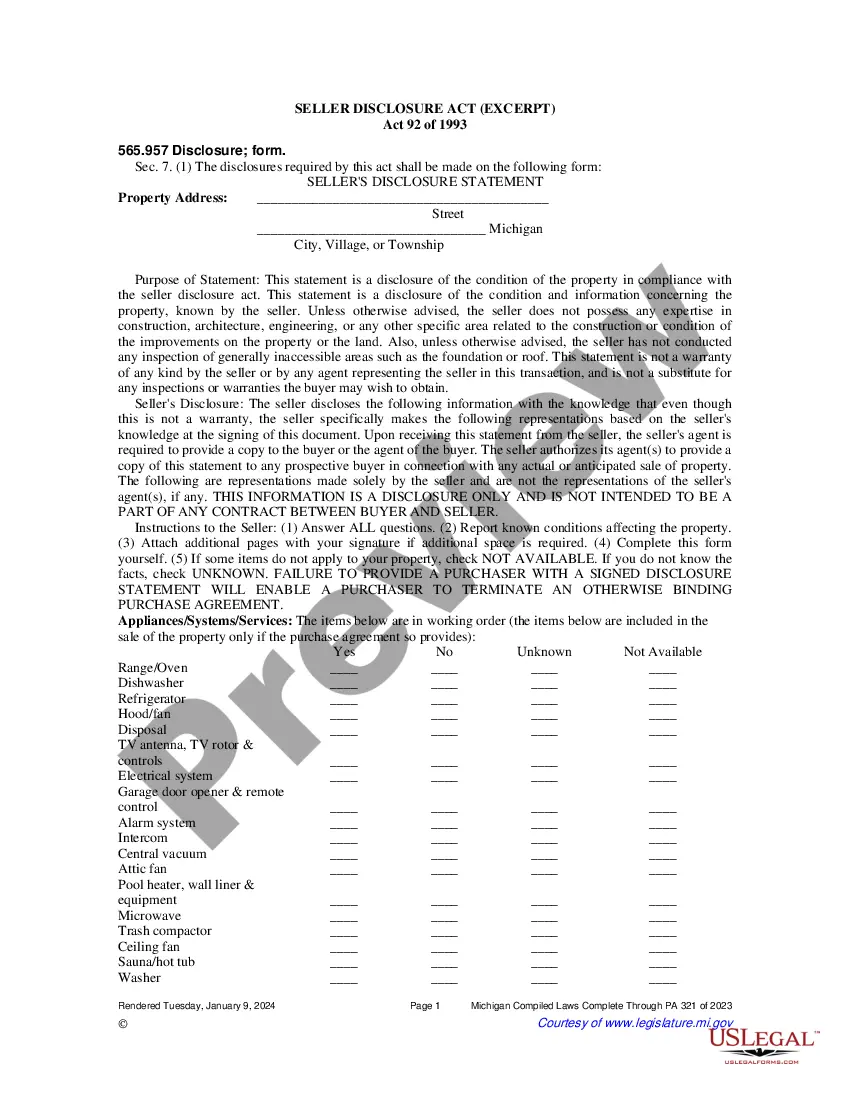
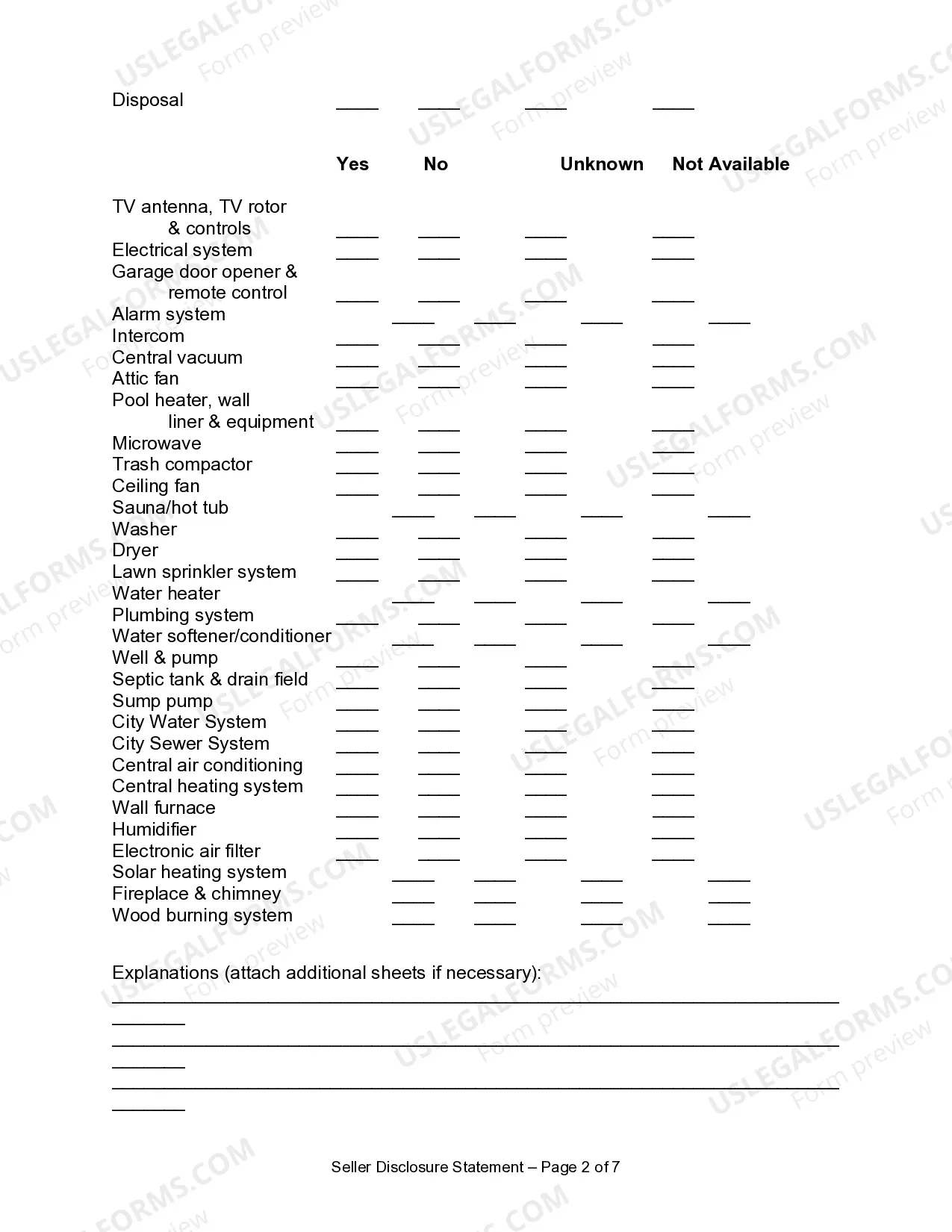
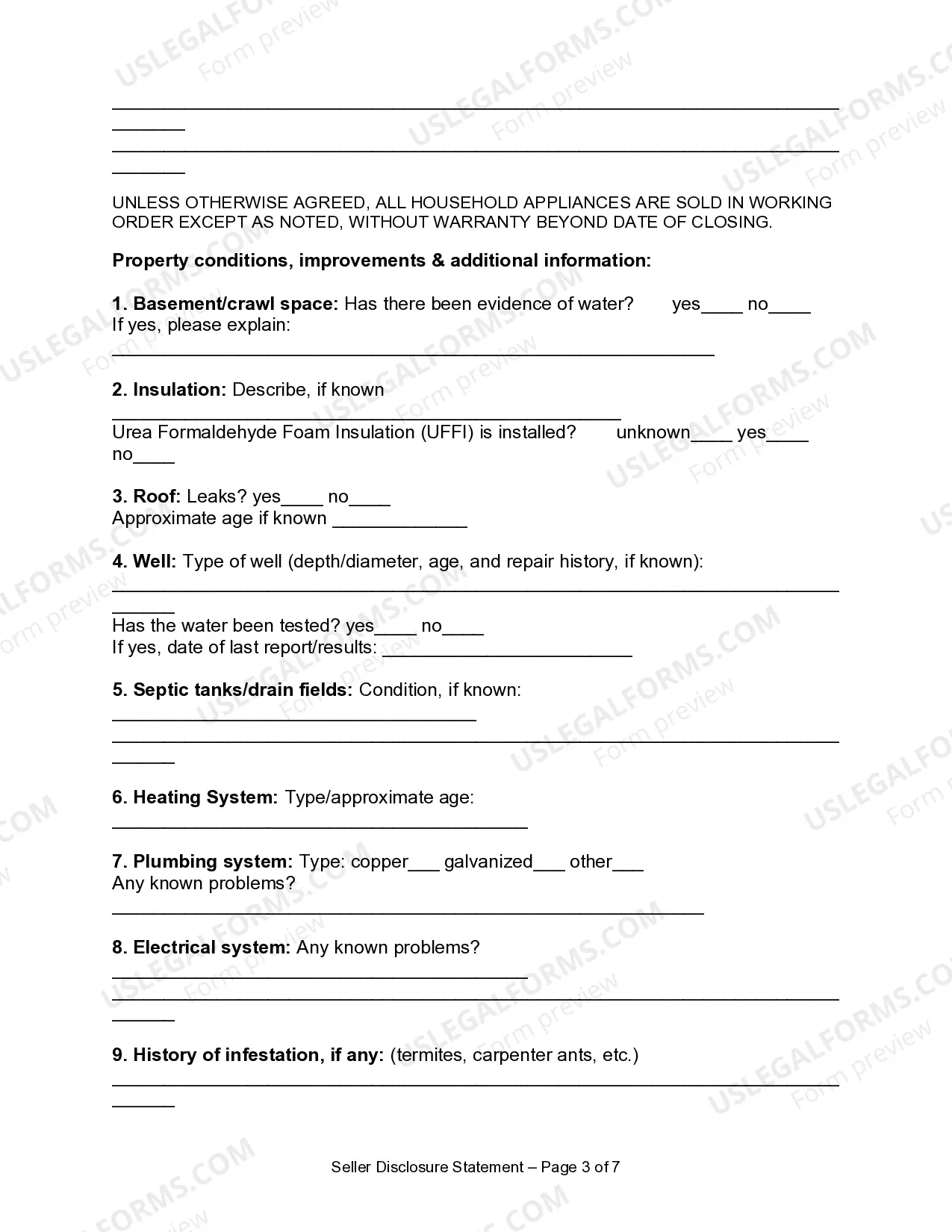
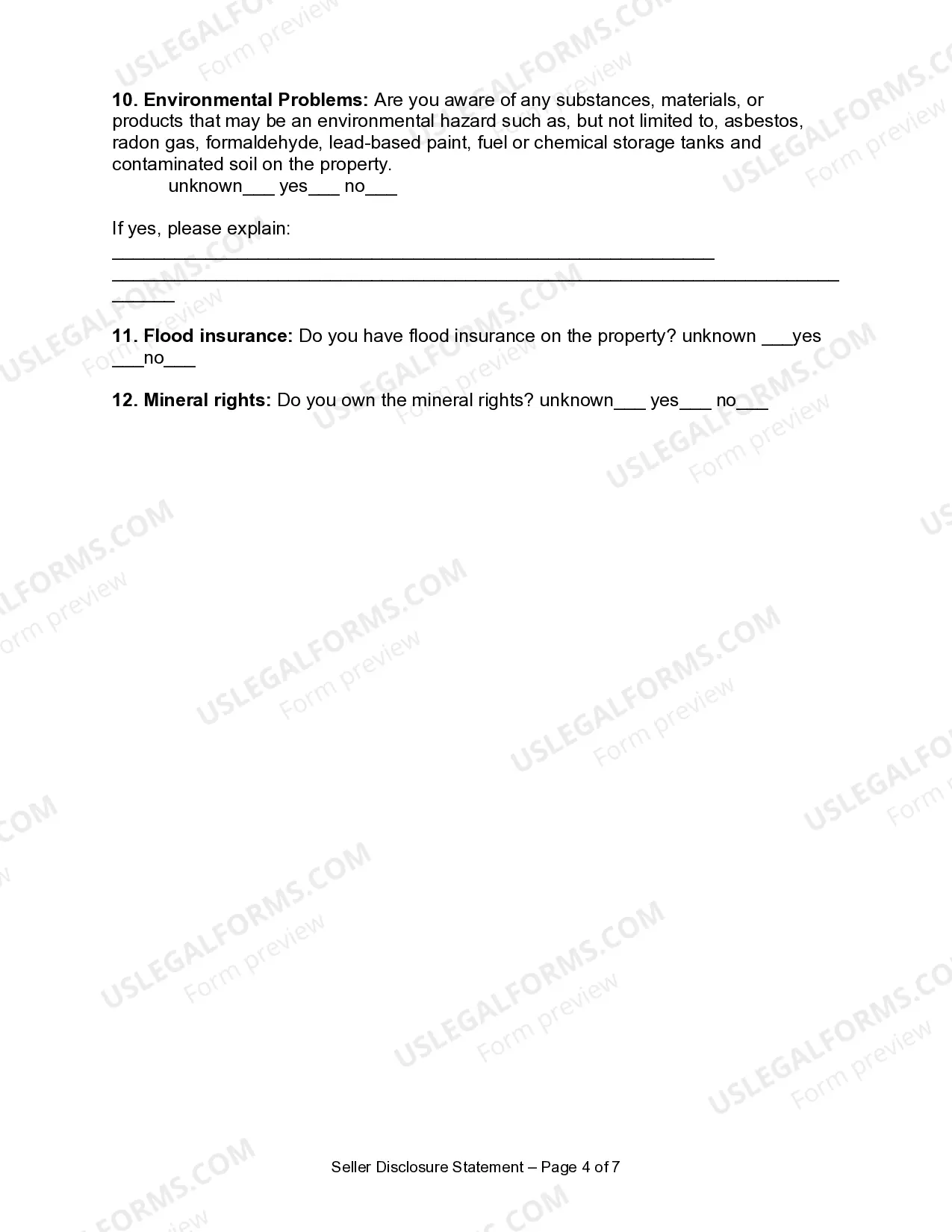
Get your form ready online
Our built-in tools help you complete, sign, share, and store your documents in one place.
Make edits, fill in missing information, and update formatting in US Legal Forms—just like you would in MS Word.
Download a copy, print it, send it by email, or mail it via USPS—whatever works best for your next step.
Sign and collect signatures with our SignNow integration. Send to multiple recipients, set reminders, and more. Go Premium to unlock E-Sign.
If this form requires notarization, complete it online through a secure video call—no need to meet a notary in person or wait for an appointment.
We protect your documents and personal data by following strict security and privacy standards.

Make edits, fill in missing information, and update formatting in US Legal Forms—just like you would in MS Word.

Download a copy, print it, send it by email, or mail it via USPS—whatever works best for your next step.

Sign and collect signatures with our SignNow integration. Send to multiple recipients, set reminders, and more. Go Premium to unlock E-Sign.

If this form requires notarization, complete it online through a secure video call—no need to meet a notary in person or wait for an appointment.

We protect your documents and personal data by following strict security and privacy standards.
Looking for another form?

How to fill out Michigan Residential Real Estate Sales Disclosure Statement?
Regardless of whether it's for corporate needs or personal issues, everyone must handle legal matters at some point in their lives. Completing legal documents requires meticulous care, starting with choosing the correct form template. For example, if you choose an incorrect version of the Michigan Residential Real Estate Foreclosures, it will be denied upon submission. Therefore, it is essential to have a trustworthy source of legal documents like US Legal Forms.
If you need to obtain a Michigan Residential Real Estate Foreclosures template, follow these simple steps.
With an extensive US Legal Forms catalog available, you never have to waste time searching for the right template online. Take advantage of the library’s user-friendly navigation to find the appropriate template for any situation.
- Locate the template you require by using the search bar or browsing the catalog.
- Review the form’s details to confirm it is suitable for your situation, state, and county.
- Click on the form’s preview to examine it.
- If it is not the correct form, return to the search function to find the Michigan Residential Real Estate Foreclosures template you need.
- Download the file if it meets your specifications.
- If you already possess a US Legal Forms account, click Log in to retrieve previously stored files in My documents.
- If you do not have an account yet, you can acquire the form by clicking Buy now.
- Select the suitable pricing option.
- Complete the account registration form.
- Choose your payment method: use a credit card or PayPal account.
- Select the document format you wish and download the Michigan Residential Real Estate Foreclosures.
- Once saved, you can fill out the form using editing software or print it and complete it by hand.
Form popularity
FAQ
The foreclosure process in Michigan begins when a homeowner misses a payment, leading to a notice of default after about 90 days. Following this, the lender files a foreclosure complaint, initiating a court process that may take several months. If there is no resolution, the property may be sold at a public auction. Understanding this process is crucial, and uslegalforms offers valuable information and legal forms to help navigate Michigan residential real estate foreclosures effectively.
The stages of a foreclosure typically begin with the missed mortgage payment, leading to a notice of default from the lender. Next, the lender files a foreclosure lawsuit, which can vary based on state laws, including Michigan residential real estate foreclosures. If no resolution is reached, the property may enter a foreclosure auction, where it is sold to the highest bidder. Finally, if the property doesn't sell, it may revert to the bank and become bank-owned.
To access listings for Michigan residential real estate foreclosures, you can explore multiple resources. Local county websites often post foreclosure notices. Additionally, platforms like US Legal Forms provide a comprehensive database of available properties, making it easier for you to find the right foreclosure listings. Don't forget to check real estate websites that specialize in foreclosures, as they regularly update their listings.
Real Property Tax Forfeiture and Foreclosures Parcels are forfeited to the county treasurers when the real property taxes are in the second year of delinquency. Real property taxes which remain unpaid as of March 31 in the third year of delinquency are foreclosed upon by the Foreclosing Governmental Unit (FGU).
Real Property Tax Forfeiture and Foreclosures Real property tax delinquency entails a three-year forfeiture and foreclosure process in Michigan. Parcels are forfeited to the county treasurers when the real property taxes are in the second year of delinquency.
The longer the bank has held the property, the greater the odds that it will seriously consider low offers. You could make an initial bid at a price that's at least 20% below the current market price, or even more if the property is located in an area with a high incidence of foreclosures.
Notice of foreclosure recorded at local courthouse. Sheriff's sale date is scheduled, and then published in the county newspaper for four (4) consecutive weeks ? including details of the debt. Notice of the sale date gets posted on the property within two (2) weeks of the first publication.
Under Michigan's Foreclosure by Advertisement Law, a company must publish a Notice of Sale once a week for four weeks, in a newspaper of general circulation in the county where the property is located. The notice must also be posted on the property at least 15 days after the first Notice of Sale is posted.