Bank Account For Trust
Description
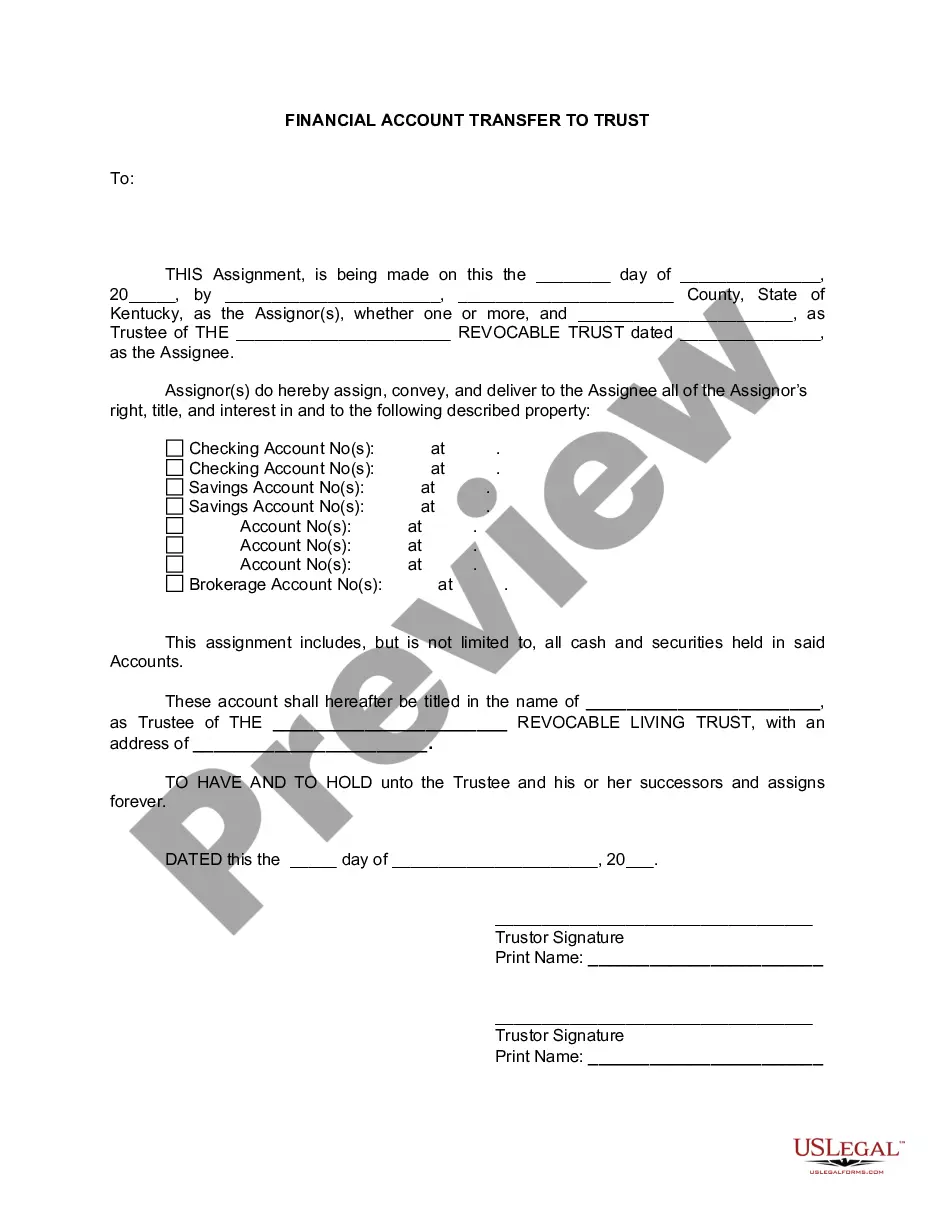
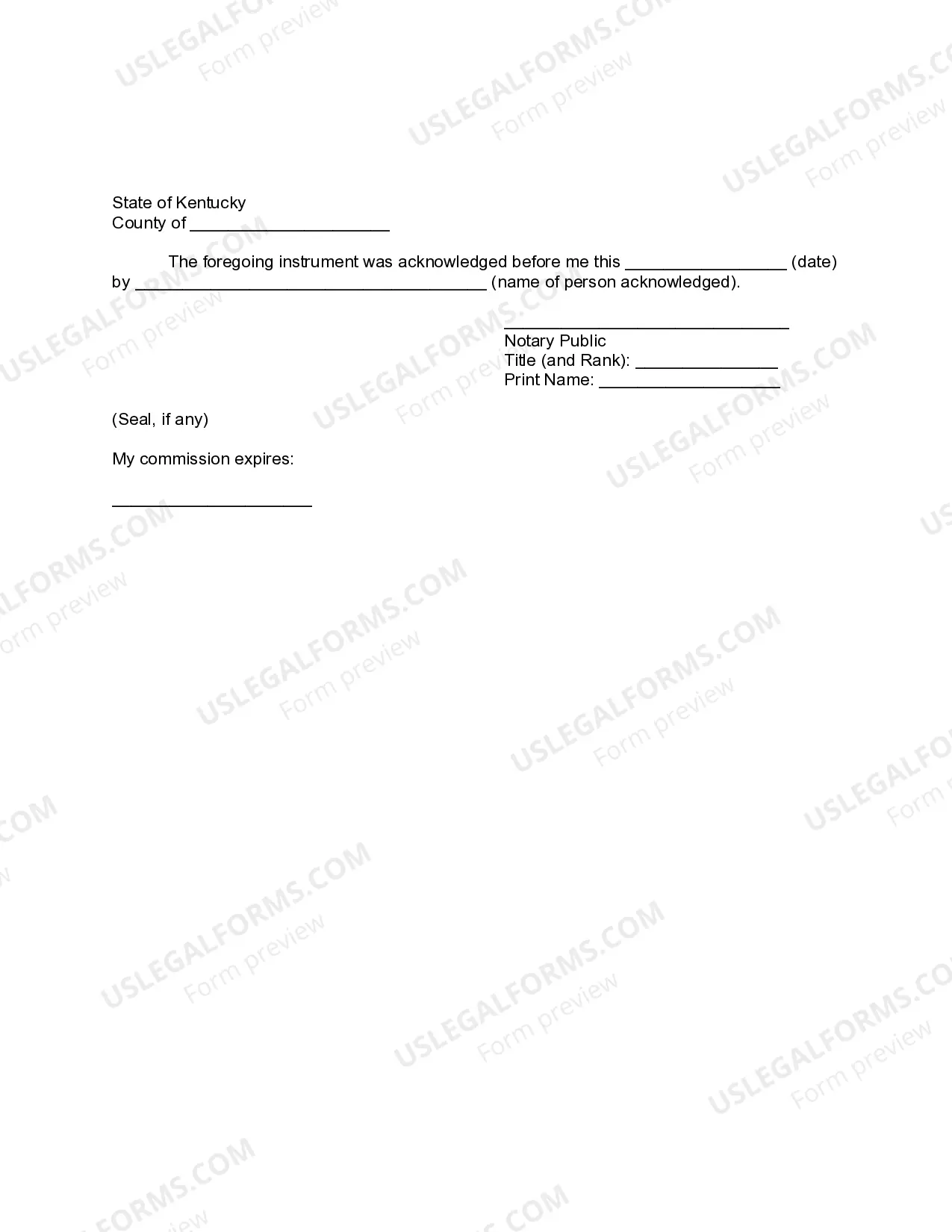

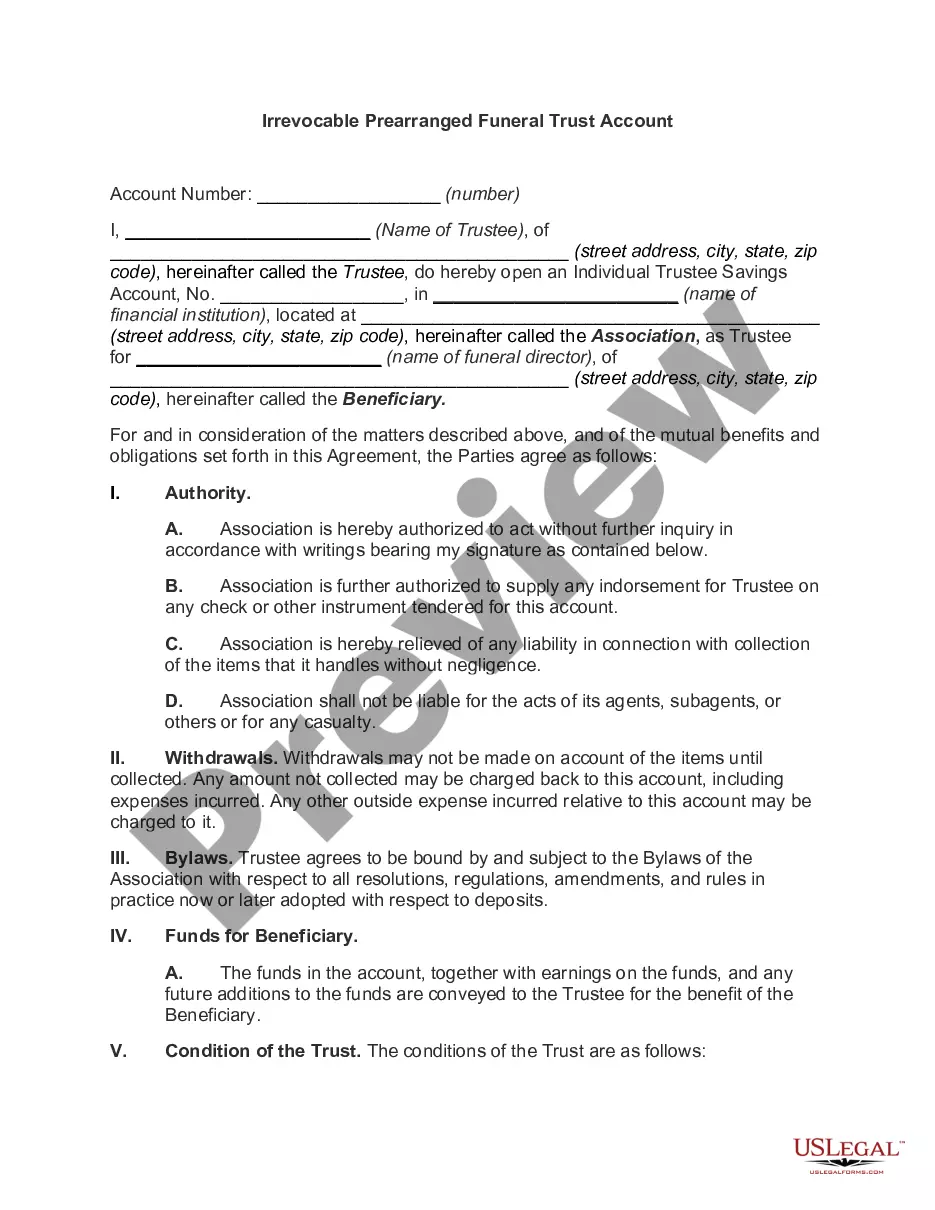
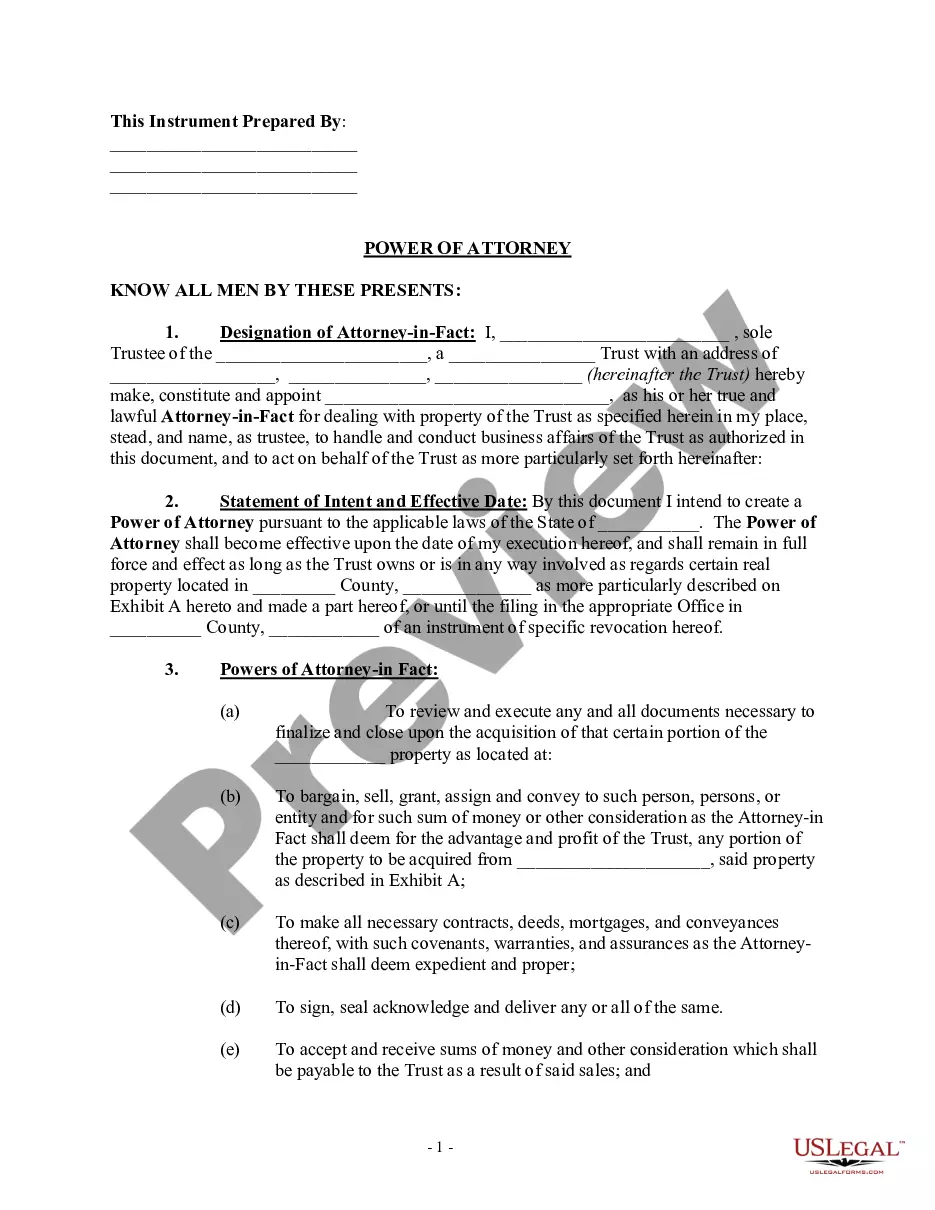
Get your form ready online
Our built-in tools help you complete, sign, share, and store your documents in one place.
Make edits, fill in missing information, and update formatting in US Legal Forms—just like you would in MS Word.
Download a copy, print it, send it by email, or mail it via USPS—whatever works best for your next step.
Sign and collect signatures with our SignNow integration. Send to multiple recipients, set reminders, and more. Go Premium to unlock E-Sign.
If this form requires notarization, complete it online through a secure video call—no need to meet a notary in person or wait for an appointment.
We protect your documents and personal data by following strict security and privacy standards.

Make edits, fill in missing information, and update formatting in US Legal Forms—just like you would in MS Word.

Download a copy, print it, send it by email, or mail it via USPS—whatever works best for your next step.

Sign and collect signatures with our SignNow integration. Send to multiple recipients, set reminders, and more. Go Premium to unlock E-Sign.

If this form requires notarization, complete it online through a secure video call—no need to meet a notary in person or wait for an appointment.

We protect your documents and personal data by following strict security and privacy standards.
Looking for another form?







How to fill out Kentucky Financial Account Transfer To Living Trust?
- If you already have an account with US Legal Forms, log in and download the trust form template by clicking the Download button. Ensure your subscription is active; if not, you'll need to renew it based on your payment plan.
- If this is your first time using US Legal Forms, start by exploring the Preview mode and reading the form description. Confirm that the chosen form aligns with your specific needs and meets local jurisdiction requirements.
- Should you need a different template after checking, use the Search tab to find a suitable form that corresponds to your requirements. Once you find it, proceed to the next step.
- To purchase the document, click the Buy Now button and select a subscription plan that works for you. Registration will be necessary to gain access to the extensive library.
- Complete the purchase by entering your credit card information or utilizing your PayPal account to finalize the subscription.
- Download the chosen form to your device and fill it out as needed, with the option to access it later through the My Forms section of your account.
With US Legal Forms, you benefit from a robust collection of legal templates complemented by access to premium experts. This ensures your forms are not only complete but also meet all legal requirements, providing peace of mind for you and your beneficiaries.
Start your journey towards effectively managing your trust's finances by utilizing US Legal Forms today!
Form popularity
FAQ
To open a bank account for trust, you will typically need the trust agreement, the EIN, and identification for the trustee. Banks may have varying requirements, so it's wise to check with your preferred bank beforehand. Utilizing services like US Legal Forms can simplify the preparation of these necessary documents.
Yes, a trust needs an EIN for tax purposes. The IRS requires trusts to file annual tax returns, and the EIN serves as the trust's identification. This number ensures proper tax reporting and helps avoid potential legal issues down the line.
To open a bank account for a trust, first gather necessary documents such as the trust agreement and the EIN. Next, approach your bank of choice and inquire about their specific requirements. Many banks offer resources on the process, and platforms like US Legal Forms can help you prepare your trust documents efficiently.
Generally, you need an EIN to open a bank account for trust. The EIN serves as the tax identification number for the trust, which is essential for banking and tax reporting. Some banks may allow limited operations without an EIN, but obtaining one is advisable to fully manage the account.
Yes, you can open a bank account without an EIN, but it depends on the type of account. If you are opening a personal account for yourself, no EIN is required. However, for a bank account for trust, you typically need an EIN to establish the trust's identity for tax purposes.
To list bank accounts in a trust, start by reviewing the trust document for specific instructions regarding asset management. Next, compile the account details, including account numbers and bank names, to ensure clear organization. It’s also wise to maintain documentation that outlines the account's purpose and linked beneficiaries. For assistance, the US Legal Forms platform offers templates and resources to help you accurately document and manage trust accounts.
The most common type of bank account for a trust is a revocable trust account. This account allows the trustee to manage and access the funds while adhering to the trust's terms. Other types may include irrevocable trust accounts or specialized accounts for specific purposes, like education or health care. Each type of trust account has distinct features that cater to various financial goals and requirements, making it essential to choose wisely.
A bank account in trust for means that the account is held by one party for the benefit of another. Essentially, it signifies that the person managing the account has a fiduciary duty to act in the best interest of the beneficiary. Using a bank account for trust ensures that the funds are used solely for the designated purposes, following the instructions outlined in the trust agreement. This arrangement enhances accountability and transparency for both the trustee and the beneficiary.
To set up a bank account for a trust, start by gathering the necessary documents, including the trust agreement and EIN. Visit a bank or credit union that offers trust accounts and provide the required information. Once your account is established, you can begin managing the trust’s assets effectively.
The best bank for a trust account varies based on individual needs, but major banks typically offer robust trust services. Look for banks that provide specialized trust account features, customer support, and low fees. It's wise to research options to find a bank account for trust that aligns with your financial goals.