Hawaii Cesspools
Description



Get your form ready online
Our built-in tools help you complete, sign, share, and store your documents in one place.
Make edits, fill in missing information, and update formatting in US Legal Forms—just like you would in MS Word.
Download a copy, print it, send it by email, or mail it via USPS—whatever works best for your next step.
Sign and collect signatures with our SignNow integration. Send to multiple recipients, set reminders, and more. Go Premium to unlock E-Sign.
If this form requires notarization, complete it online through a secure video call—no need to meet a notary in person or wait for an appointment.
We protect your documents and personal data by following strict security and privacy standards.

Make edits, fill in missing information, and update formatting in US Legal Forms—just like you would in MS Word.

Download a copy, print it, send it by email, or mail it via USPS—whatever works best for your next step.

Sign and collect signatures with our SignNow integration. Send to multiple recipients, set reminders, and more. Go Premium to unlock E-Sign.

If this form requires notarization, complete it online through a secure video call—no need to meet a notary in person or wait for an appointment.

We protect your documents and personal data by following strict security and privacy standards.
Looking for another form?



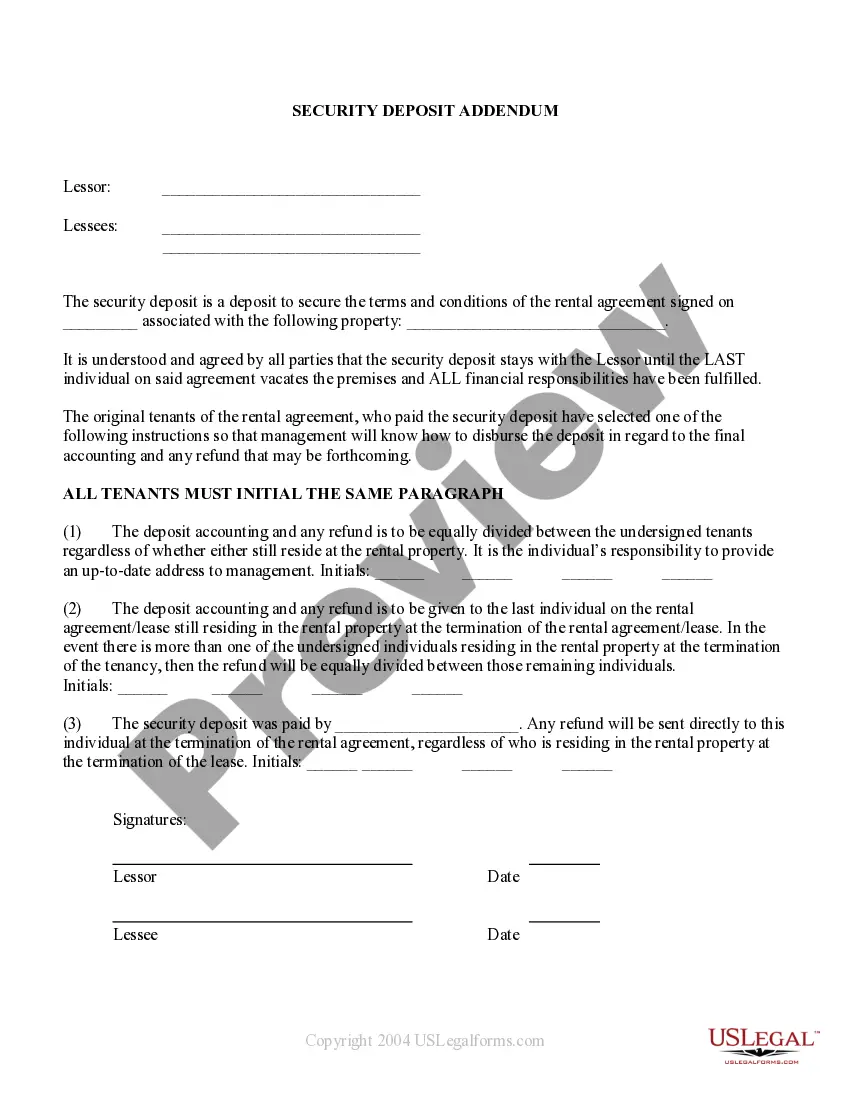




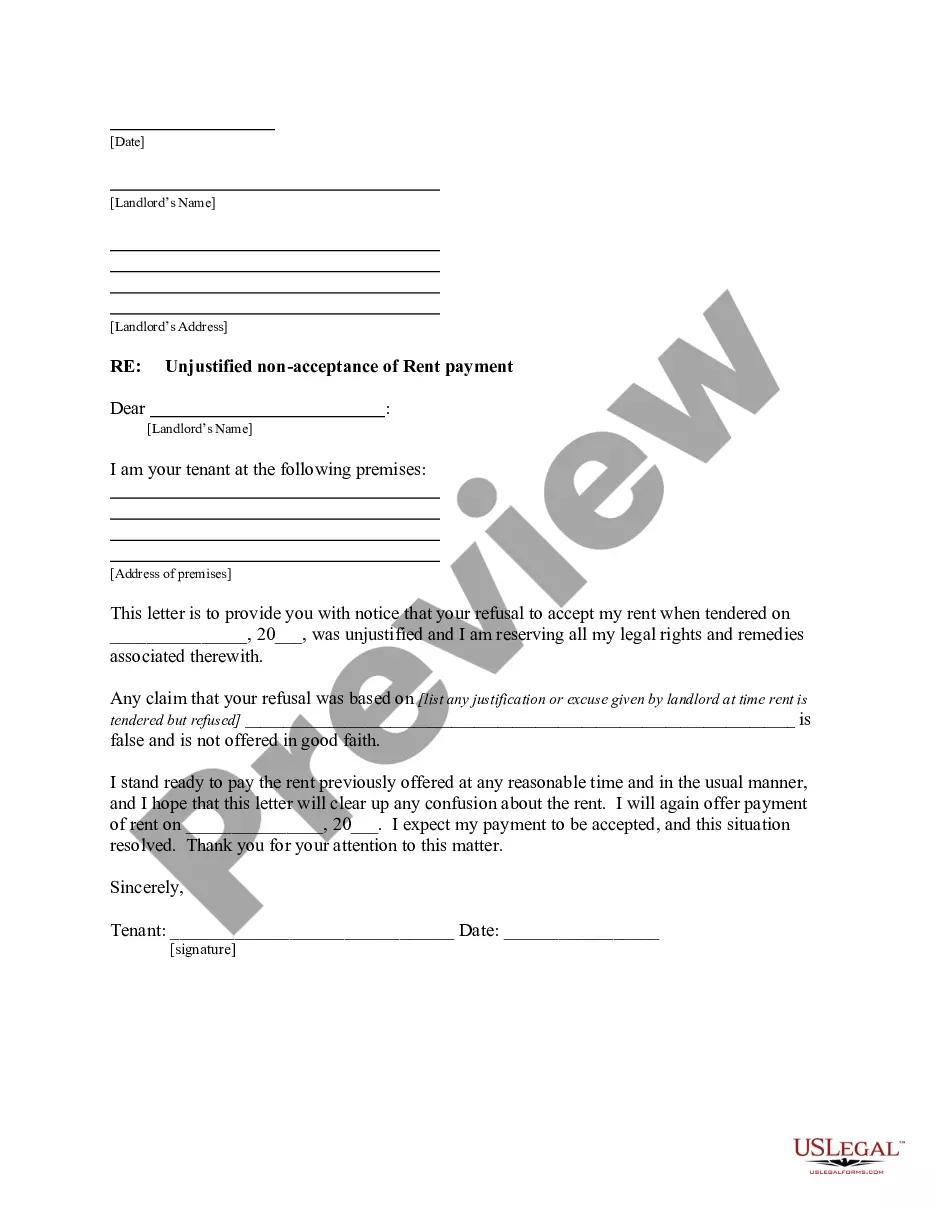
How to fill out Hawaii Letter From Tenant To Landlord Containing Notice To Cease Unjustified Nonacceptance Of Rent?
- If you're a returning user, simply log into your account and locate your desired form. Ensure your subscription remains active, and renew if necessary.
- For first-time users, begin by checking the form description and the Preview mode to ensure you've selected the appropriate document that aligns with your local regulations.
- Search for additional templates as required. If you find discrepancies, utilize the Search tab to help locate the correct form, ensuring it meets your needs.
- Purchase the selected document. Click the Buy Now button and choose your desired subscription plan, creating an account if you haven’t already.
- Complete your transaction by entering your payment details, either through credit card or PayPal.
- Download the form to your device. Access it anytime through the My Forms section of your profile.
In conclusion, US Legal Forms simplifies the process of acquiring legal forms relating to Hawaii cesspools. With an extensive library and expert assistance, users can ensure their documents are accurate and compliant.
Take action today. Explore the vast resources available at US Legal Forms and streamline your legal documentation process!
Form popularity
FAQ
While cesspools were effectively banned in 2016, some are still in use due to the slow transition process. The state encourages residents to replace cesspools with approved waste systems. This shift is vital for improving public health and protecting Hawaii's beautiful environment. You can find valuable resources on platforms like UsLegalForms to help navigate this process.
Hawaii currently has nearly 88,000 cesspools still in use. This number highlights the scale of the issue facing the islands in terms of waste management. Each cesspool contributes to potential environmental and health risks. Efforts are ongoing to replace these systems with safer alternatives.
Hawaii officially banned cesspools on January 1, 2016. This decision stemmed from ongoing issues related to water quality and the impact of cesspools on the environment. The ban aims to promote healthier living conditions for residents. Transition plans are in place to guide homeowners towards compliant systems.
As of recent estimates, Hawaii still has around 88,000 cesspools in operation. These cesspools pose significant challenges for local communities and the environment. Transitioning to safer alternatives is crucial for the health of residents and the preservation of Hawaii's natural resources. The state provides resources to assist residents in making this transition.
Cesspools in Hawaii were banned as of January 1, 2016. This law came in response to environmental concerns regarding water pollution and public health. The ban reflects a commitment to protecting Hawaii's unique ecosystem. Residents now need to transition to more sustainable waste management systems.
The life expectancy of Hawaii cesspools can vary, but they typically last between 20 to 30 years with proper maintenance. However, factors such as soil conditions and usage can significantly influence their longevity. Regular inspections and timely repairs can help extend their life. If you are uncertain about the status of your cesspool, consider using US Legal Forms to find professional services for assessment or replacement.
Hawaii cesspools have several disadvantages that homeowners should consider. First, they can lead to groundwater contamination, posing health risks to you and your family. Additionally, cesspools require frequent maintenance and can accumulate solids over time, resulting in costly repairs. Finally, they may not meet the latest environmental regulations, limiting your options for property improvements.
The cesspool grant program in Hawaii offers financial assistance to homeowners for upgrading or replacing outdated cesspools. This initiative aims to improve public health and protect water resources, making it a beneficial opportunity for residents with Hawaii cesspools. To qualify, homeowners must meet certain criteria and follow application guidelines. Engaging with resources like uslegalforms can simplify the process, ensuring you understand the requirements and submit your application successfully.
The main difference between septic systems and cesspools in Hawaii lies in their design and function. A septic system treats wastewater through a tank and drainage fields, while a cesspool simply collects and releases untreated sewage into the ground. This distinction is crucial as cesspools pose environmental risks due to contamination. Understanding these differences will help you make informed decisions about your waste management system.
Yes, many Hawaii cesspools are grandfathered in under existing regulations. This means that older cesspools, which do not meet current standards, can continue to operate without immediate penalties. However, property owners should be aware of future requirements to upgrade or replace these systems. Staying informed will help ensure compliance while managing your property's sewage disposal.