Account For Trust
Description


Get your form ready online
Our built-in tools help you complete, sign, share, and store your documents in one place.
Make edits, fill in missing information, and update formatting in US Legal Forms—just like you would in MS Word.
Download a copy, print it, send it by email, or mail it via USPS—whatever works best for your next step.
Sign and collect signatures with our SignNow integration. Send to multiple recipients, set reminders, and more. Go Premium to unlock E-Sign.
If this form requires notarization, complete it online through a secure video call—no need to meet a notary in person or wait for an appointment.
We protect your documents and personal data by following strict security and privacy standards.

Make edits, fill in missing information, and update formatting in US Legal Forms—just like you would in MS Word.

Download a copy, print it, send it by email, or mail it via USPS—whatever works best for your next step.

Sign and collect signatures with our SignNow integration. Send to multiple recipients, set reminders, and more. Go Premium to unlock E-Sign.

If this form requires notarization, complete it online through a secure video call—no need to meet a notary in person or wait for an appointment.

We protect your documents and personal data by following strict security and privacy standards.
Looking for another form?





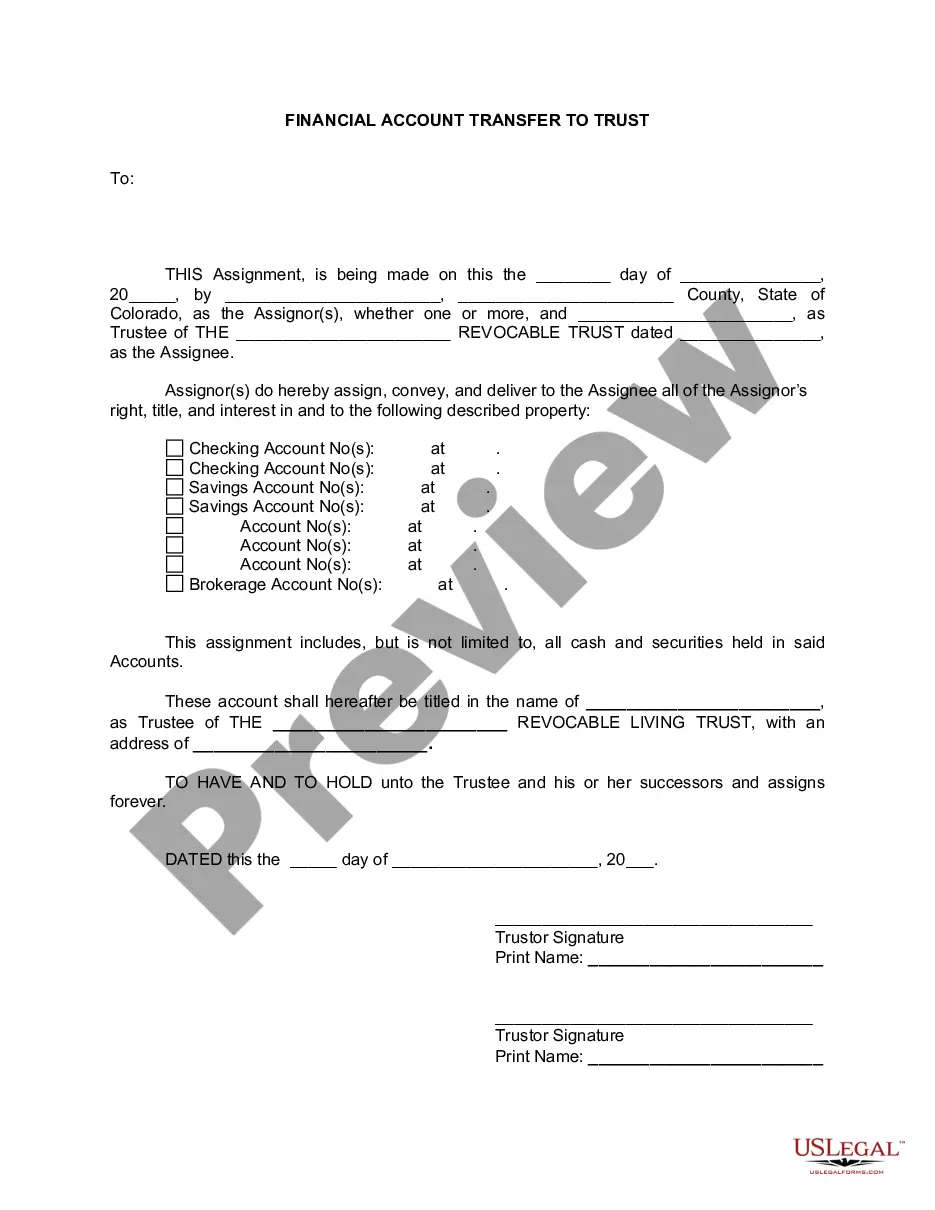
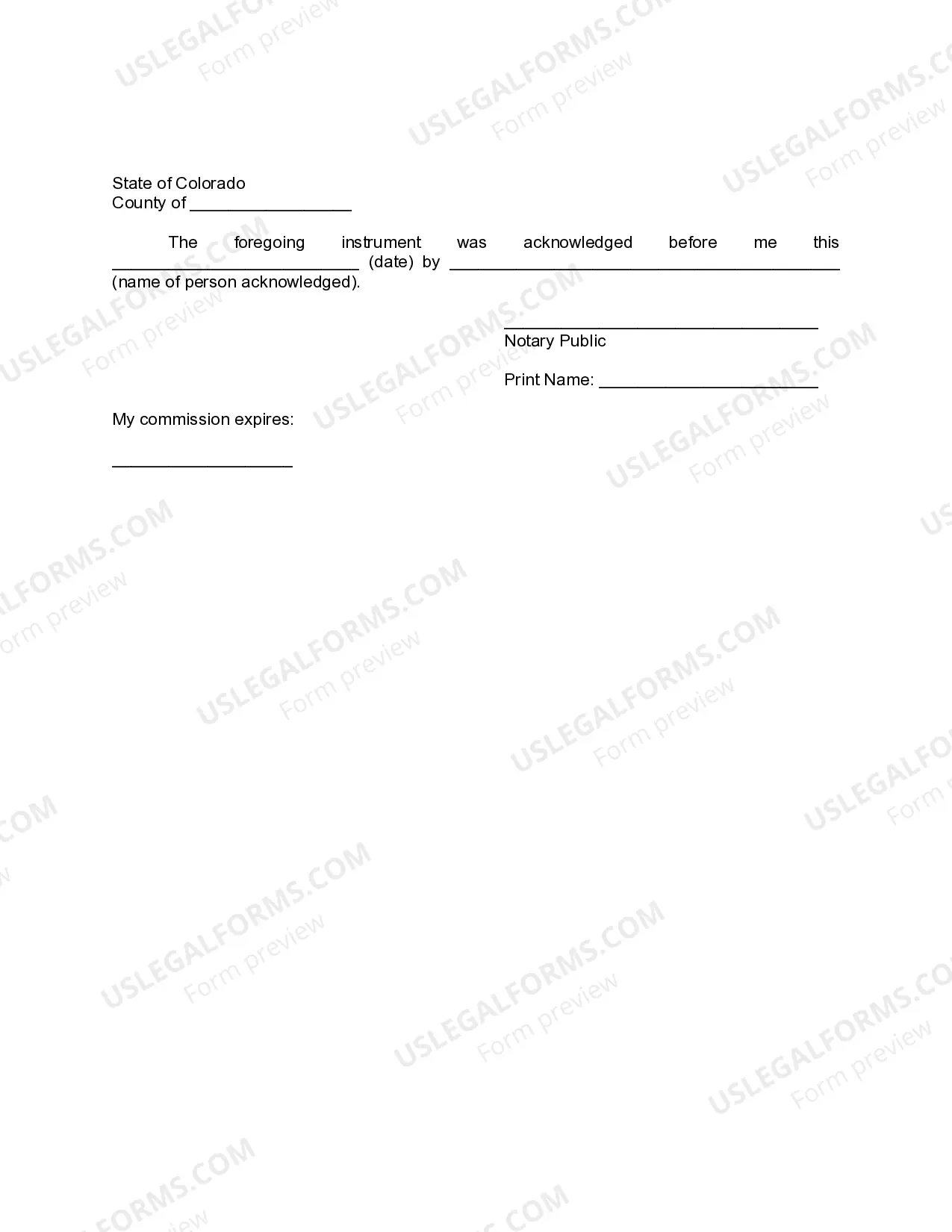
How to fill out Colorado Financial Account Transfer To Living Trust?
- If you're a returning user, log into your account to access previous documents. Ensure your subscription remains active; renew if necessary.
- For first-time users, begin by browsing the preview mode and form descriptions to select the perfect template pertinent to your jurisdiction.
- If the first selection isn’t a perfect fit, utilize the search tab above to explore more options until you find one that suits your needs.
- To purchase, click the 'Buy Now' button and select your preferred subscription plan. Registration is required to unlock the full library of forms.
- Complete your transaction by entering your credit card information or choosing your PayPal account to process the payment.
- Once purchased, download the document to your device or access it anytime through the 'My Forms' section in your profile.
With US Legal Forms, users benefit from a robust collection of legal documents and the convenience of expert assistance, ensuring every form is filled out accurately.
Start your journey today to simplify your legal paperwork—visit US Legal Forms and account for trust in all your documentation needs!
Form popularity
FAQ
A common example of an account for trust is a special needs trust account. This type of account allows individuals to set aside funds for someone with disabilities while ensuring they remain eligible for government assistance. Another example includes attorney trust accounts, where funds are held for clients until they are required. US Legal Forms provides various templates and resources to help you understand different trust account examples.
The accounting standards for a trust typically adhere to Generally Accepted Accounting Principles (GAAP) or specific fiduciary guidelines, which can vary by state. Trust accounting must reflect a true and fair view of the trust's financial activities and must be designed for full transparency to beneficiaries. Regular audits and reviews help ensure compliance with these standards, supporting the integrity of the account for trust.
To perform accounting for a trust, start by recording all financial transactions regularly, including income, expenditures, and distributions. It's also essential to reconcile these records with bank statements periodically to ensure accuracy. Using software like USLegalForms can streamline this process, providing templates and tools to simplify trust accounting tasks. Maintaining accurate records is key to a well-managed account for trust.
To set up a bank account for a trust, you'll first need to gather the trust documents, including the trust deed and identification of the trustee. Next, visit a bank, providing these documents to establish a formal account. This account will operate separately from personal accounts, ensuring that the funds are managed specifically for the trust's purposes. This separation is a vital element in maintaining clarity in your account for trust.
Yes, QuickBooks can be effectively used for trust accounting, making it easier to manage financial records. By utilizing QuickBooks, you can categorize transactions, generate reports, and monitor the status of the account for trust in a cohesive manner. This software allows for better organization and precision in managing trust funds, enhancing overall efficiency.
One of the biggest mistakes parents often make is not clearly defining the terms and beneficiaries of the trust. Without specific instructions, the trust may fail to serve its intended purpose or to provide proper support for heirs. It's essential to outline the goals of the trust and to communicate expectations clearly. This clarity helps ensure that the account for trust operates smoothly and efficiently.
The trust accounting process involves tracking all transactions related to the trust's assets. Typically, this includes recording income, expenses, and distributions, ensuring that each financial activity is well documented. Regularly updating and reviewing the trust accounts is crucial to maintain transparency and accountability. This meticulous approach helps to effectively manage the account for trust.
The primary purpose of a trust account is to securely hold and manage assets for the benefit of a designated beneficiary. Trust accounts help in financial planning, ensuring that funds are distributed according to specific terms outlined in a trust agreement. By using an account for trust, individuals can maintain control of their assets, providing peace of mind and financial stability to their beneficiaries.
An account in trust is specifically set up to manage assets for another individual, typically a beneficiary. This type of account serves various purposes, such as estate planning or managing funds for minors. It ensures that the assets are utilized according to the guidelines set by the trust creator, providing security and clear directives.
For trust funds, consider using a trust checking account or a trust savings account that provides competitive interest rates. These accounts typically offer features that support the unique needs of a trust, including easy access to funds and minimal fees. Choosing the right type of bank account for trust can help maximize the value of the assets held within.