California Trust Filing Requirements
Description
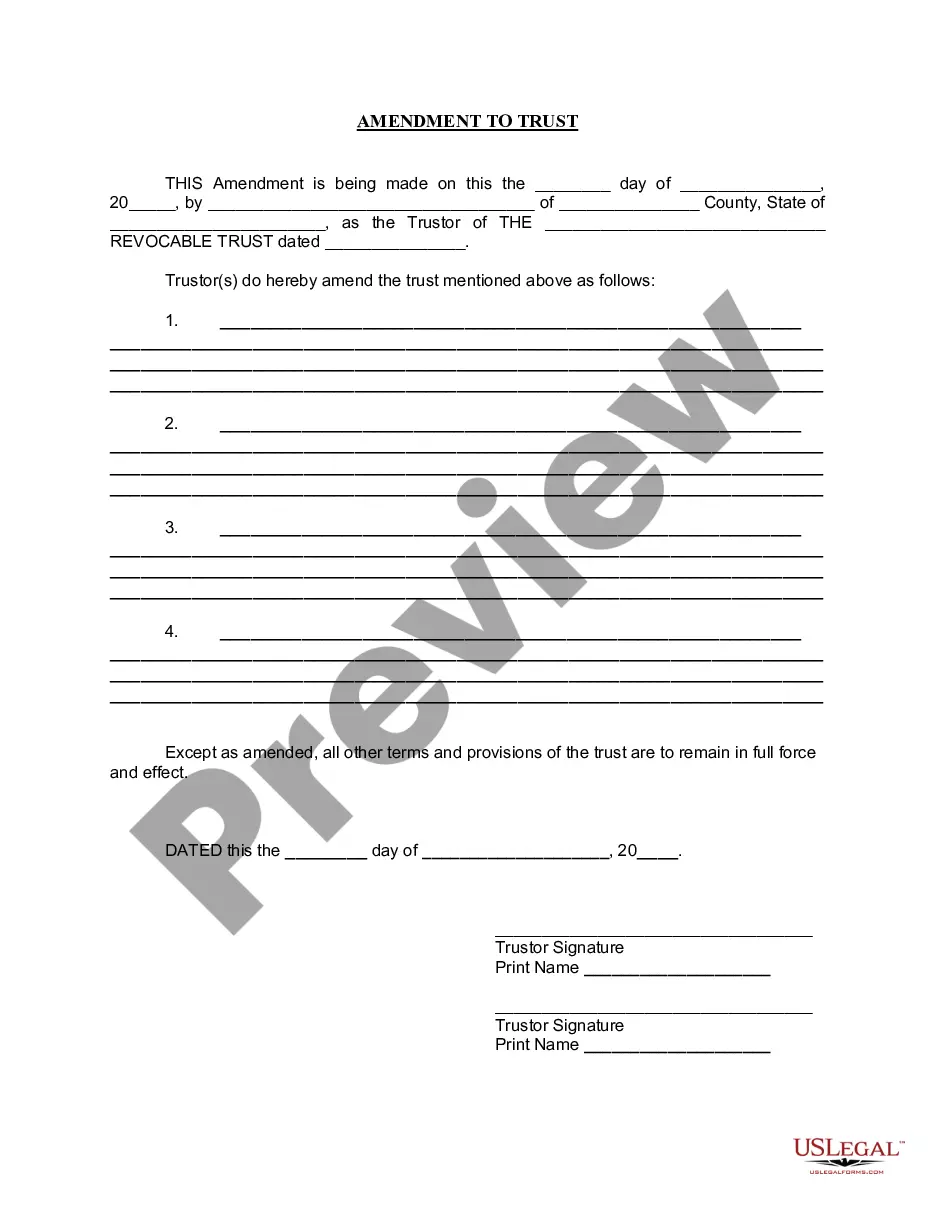


Get your form ready online
Our built-in tools help you complete, sign, share, and store your documents in one place.
Make edits, fill in missing information, and update formatting in US Legal Forms—just like you would in MS Word.
Download a copy, print it, send it by email, or mail it via USPS—whatever works best for your next step.
Sign and collect signatures with our SignNow integration. Send to multiple recipients, set reminders, and more. Go Premium to unlock E-Sign.
If this form requires notarization, complete it online through a secure video call—no need to meet a notary in person or wait for an appointment.
We protect your documents and personal data by following strict security and privacy standards.

Make edits, fill in missing information, and update formatting in US Legal Forms—just like you would in MS Word.

Download a copy, print it, send it by email, or mail it via USPS—whatever works best for your next step.

Sign and collect signatures with our SignNow integration. Send to multiple recipients, set reminders, and more. Go Premium to unlock E-Sign.

If this form requires notarization, complete it online through a secure video call—no need to meet a notary in person or wait for an appointment.

We protect your documents and personal data by following strict security and privacy standards.
Looking for another form?



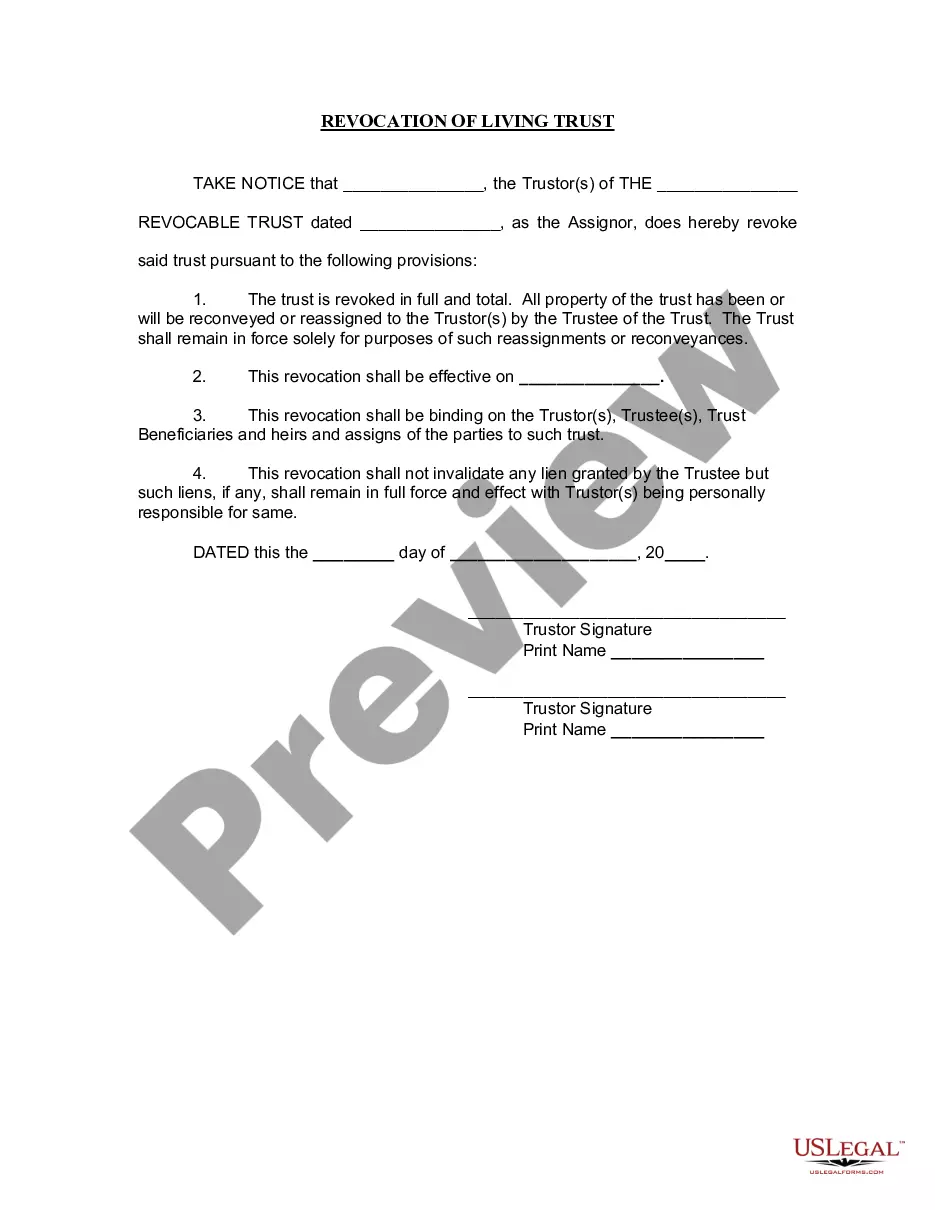


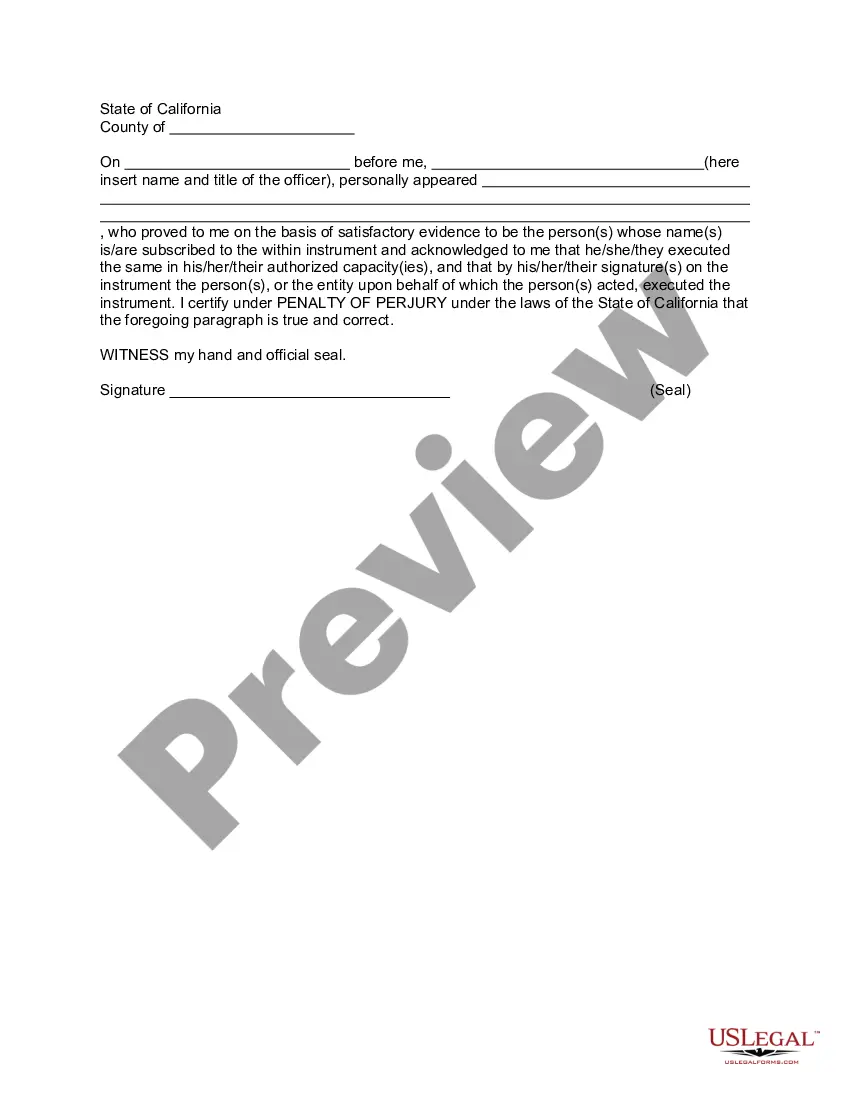
How to fill out California Amendment To Living Trust?
Finding a reliable source to obtain the most up-to-date and suitable legal templates is half the battle when navigating bureaucracy.
Identifying the correct legal forms requires accuracy and meticulousness, which is why it’s crucial to source California Trust Filing Requirements exclusively from trustworthy providers like US Legal Forms.
After you have the form on your device, you can modify it using the editor or print it out to fill it out by hand. Eliminate the hassle associated with your legal documentation. Explore the extensive US Legal Forms collection where you can find legal templates, evaluate their applicability to your circumstances, and download them instantly.
- Utilize the library navigation or search bar to find your template.
- Review the form’s description to determine if it meets the stipulations of your state and locality.
- Access the form preview, if available, to confirm that the form is indeed the one you need.
- Continue your search and locate the proper document if the California Trust Filing Requirements do not match your needs.
- Once you are confident about the form’s applicability, download it.
- If you are a registered user, click Log in to verify your identity and access your selected forms in My documents.
- If you haven’t created an account yet, click Buy now to obtain the form.
- Select the pricing option that fits your needs.
- Proceed with the registration to complete your order.
- Finish your transaction by selecting a payment option (credit card or PayPal).
- Choose the file format for downloading the California Trust Filing Requirements.
Form popularity
FAQ
Yes, many trusts must file a tax return in California, depending on their income. The California trust filing requirements dictate that if the trust generates income above a certain threshold, it must submit a tax return. Trusts can be complex, and understanding your obligations might require expert advice. US Legal Forms offers resources and forms to help you navigate the tax obligations related to your trust.
In California, a trust does not need to be filed with the court unless it is part of a probate process. However, the California trust filing requirements necessitate keeping the trust document in a safe place and providing copies to beneficiaries. It is advisable to consult with a legal professional to ensure compliance with any specific requirements. Utilizing platforms like US Legal Forms can simplify the process by providing access to necessary documents and guidance.
Yes, filing a return is mandatory for trusts that meet certain income thresholds in California. This requirement aligns with California trust filing requirements to ensure that all taxable income is reported. Failing to file can result in penalties and interest charges, so it's important to stay compliant. Platforms like uslegalforms can provide you with the necessary resources to ensure you meet all filing obligations.
A California trust tax return must be filed by any trust that generates taxable income during the year. This includes revocable and irrevocable trusts, depending on their income levels. Fulfilling this requirement is essential to comply with California trust filing requirements. If you have questions about your specific situation, consider reaching out to a legal or tax professional for tailored guidance.
A trust generally needs to file a California tax return if it has taxable income or if it meets specific criteria set forth by the state. This requirement falls under California trust filing requirements, which ensure that all income is reported accurately. It's critical to keep track of the trust's income and expenses to comply with state regulations. Utilizing resources like uslegalforms can simplify the filing process for you.
Yes, trusts are taxable in California, just like individuals. The income generated from the trust may be subject to state income tax based on California trust filing requirements. It's important to report all income generated by the trust to avoid penalties. Engaging with a tax professional can help you manage your trust's tax obligations effectively.
California Form 593 is typically filled out by the withholding agent or the person making a payment to a non-resident. This form pertains to the withholding tax requirements related to the distribution from a trust. Understanding California trust filing requirements can help clarify your responsibilities regarding this form. If you're unsure, using a platform like uslegalforms can assist you in navigating the process.
In California, trusts do not need to be filed with the court unless they are part of a probate process. However, it's essential to ensure that the trust is properly created and funded according to California trust filing requirements. Trusts serve to manage and distribute assets, and while they may not require filing, maintaining accurate records is crucial. Consider consulting with a legal professional to ensure compliance.