Amendment Form For Living Trust

Description
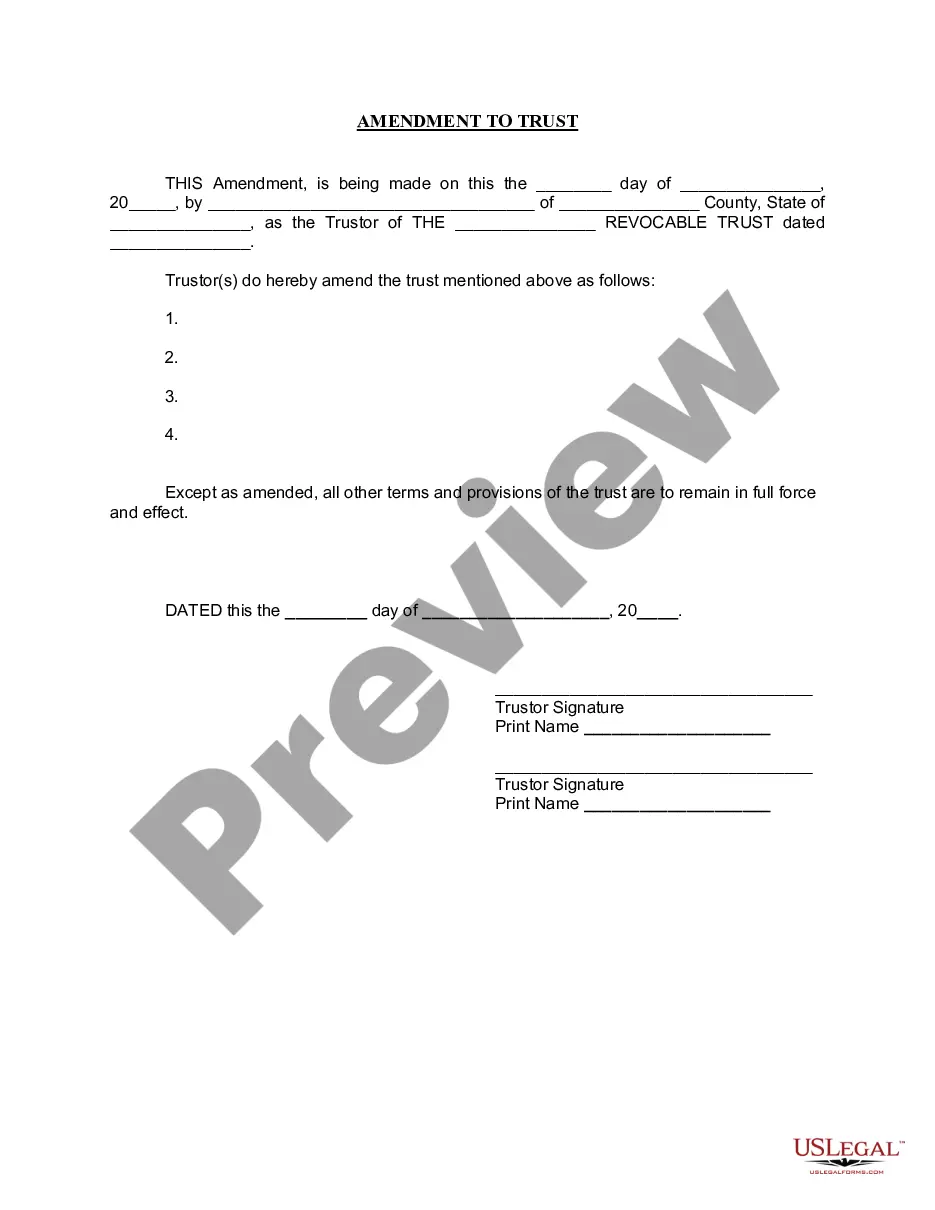
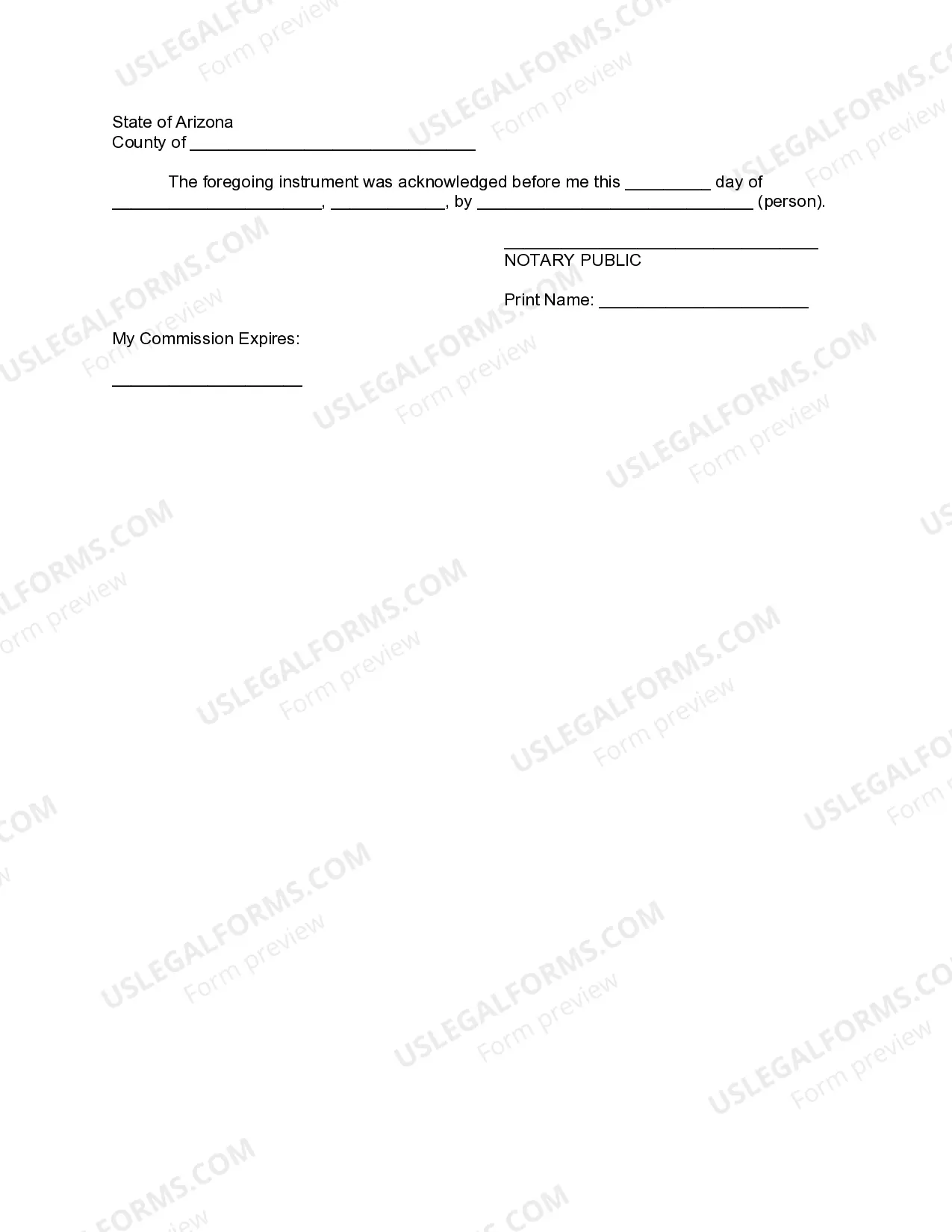


Get your form ready online
Our built-in tools help you complete, sign, share, and store your documents in one place.
Make edits, fill in missing information, and update formatting in US Legal Forms—just like you would in MS Word.
Download a copy, print it, send it by email, or mail it via USPS—whatever works best for your next step.
Sign and collect signatures with our SignNow integration. Send to multiple recipients, set reminders, and more. Go Premium to unlock E-Sign.
If this form requires notarization, complete it online through a secure video call—no need to meet a notary in person or wait for an appointment.
We protect your documents and personal data by following strict security and privacy standards.

Make edits, fill in missing information, and update formatting in US Legal Forms—just like you would in MS Word.

Download a copy, print it, send it by email, or mail it via USPS—whatever works best for your next step.

Sign and collect signatures with our SignNow integration. Send to multiple recipients, set reminders, and more. Go Premium to unlock E-Sign.

If this form requires notarization, complete it online through a secure video call—no need to meet a notary in person or wait for an appointment.

We protect your documents and personal data by following strict security and privacy standards.
Looking for another form?

How to fill out Arizona Amendment To Living Trust?
- Log in to your US Legal Forms account if you're an existing user. Ensure your subscription is active; renew it if necessary.
- If you're new to the service, begin by browsing the extensive online library. Look for the amendment form for living trust and check its preview and description.
- In case you don't find the right form, utilize the Search tab to explore other templates that fit your requirements.
- Once you've found the correct amendment form, click the Buy Now button and select a subscription plan that works for you.
- Complete your purchase by entering your payment information, either via credit card or PayPal.
- After acquiring your form, download it immediately to your device and access it later from the My Forms section in your account.
Using US Legal Forms not only streamlines the process of obtaining necessary legal documents but also provides you with reliable templates backed by expert advice.
Take control of your estate planning today. Visit US Legal Forms to begin the process of obtaining your amendment form for living trust now!
Form popularity
FAQ
Codicils can complicate the estate planning process when multiple documents require alignment and clarity. If a codicil is not written properly, it can create confusion about the testator's intentions. In contrast, using an amendment form for living trust provides a clearer approach for updates, minimizing potential legal complications.
No, a codicil is specifically designed to amend wills, not trusts. To make changes to a living trust, you will need an amendment form for living trust. Using the proper form ensures that any updates to your trust follow the correct legal protocols and maintain the integrity of your estate plan.
An amendment to a trust is a legal document that alters the existing terms of a living trust. This includes changes like altering beneficiaries, modifying distribution terms, or updating trustee information. Utilizing an amendment form for living trust simplifies the process of making necessary updates while keeping the trust compliant with legal standards.
An amendment to a living trust changes specific provisions within the trust document itself, whereas a codicil typically applies to wills and serves a similar purpose without rewriting the entire document. For those managing estate plans, an amendment form for living trust streamlines the process of updating trust terms effectively. Understanding this difference helps ensure that your estate plan remains clear and legally sound.
When a trust is amended, it means that changes or updates have been made to the original document, typically through an amendment form for living trust. This can involve adding or removing beneficiaries, altering asset distributions, or modifying terms. Amending a trust allows you to adjust your estate plan as your circumstances or wishes evolve.
You absolutely can amend your own trust, as long as you are the trustee and possess the legal authority to make changes. Completing an amendment form for living trust is an effective way to structure your updates, keeping everything organized. Just remember to document any changes and ensure that the new terms align with your current wishes.
Yes, you can amend your trust by yourself, provided you follow the proper process and have the necessary forms. Using an amendment form for living trust from a reliable source like US Legal Forms simplifies this task. Just ensure you are clear about your changes and keep the amendment with your original trust document for future reference.
Amending a trust can be quite affordable, especially if you utilize resources like US Legal Forms to create your amendment form for living trust. The costs vary depending on whether you choose to do it yourself or hire a lawyer. In many cases, the expense is minimal compared to the importance of having your trust reflect your current wishes.
Generally, an amendment to a trust does not need to be recorded with any governmental office, but it's wise to keep it with the original trust document. This ensures that anyone reviewing the trust can see the most up-to-date version, including any changes made with the amendment form for living trust. Always consult with a legal professional to know specific requirements in your state.
Yes, a trust can be changed at any time as long as you are the trustee and have the legal right to do so. You can make updates or changes by executing an amendment form for living trust, which allows you to modify the terms or beneficiaries of the trust. It is a straightforward process, ensuring your assets and wishes are always current.