Revocation Living Trust With A Trustee
Description
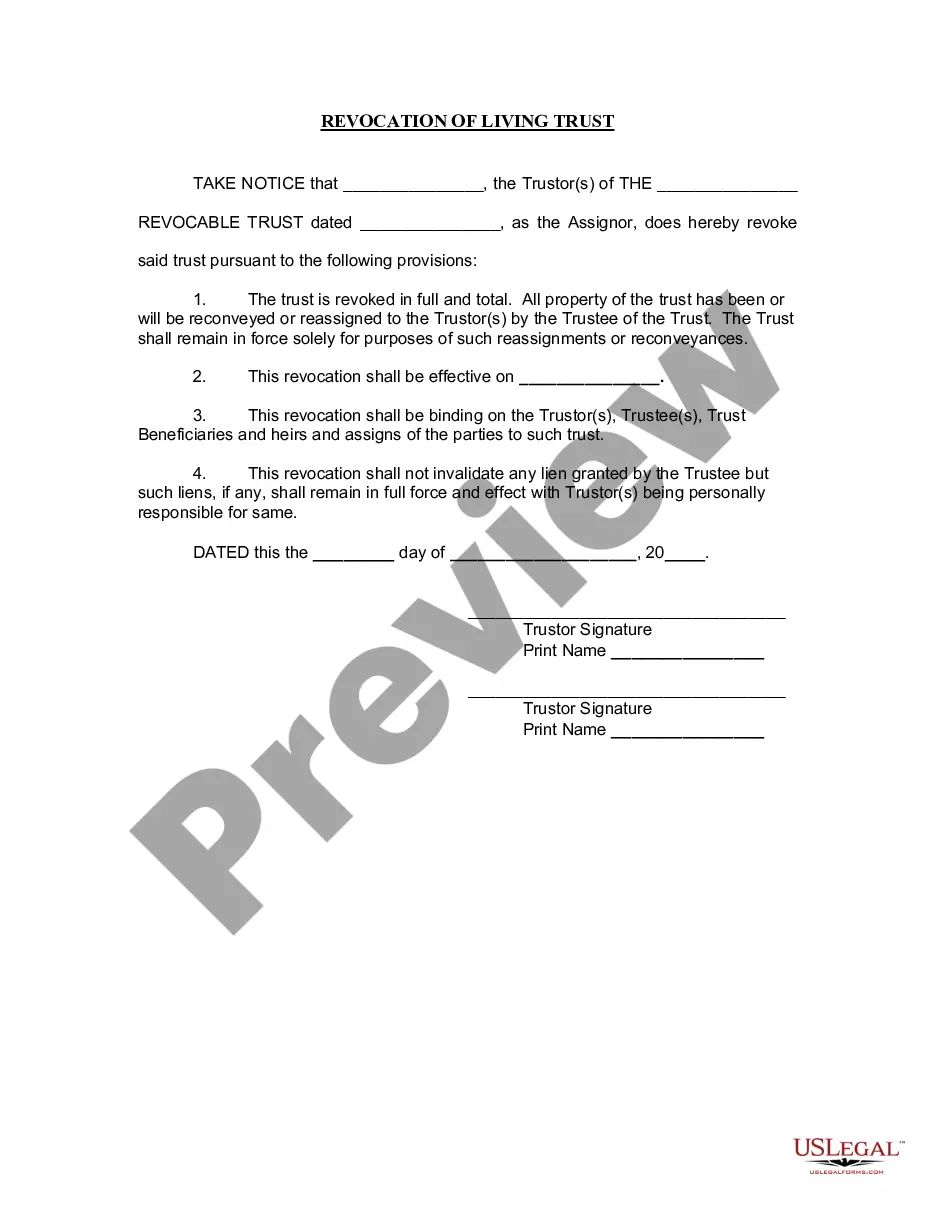
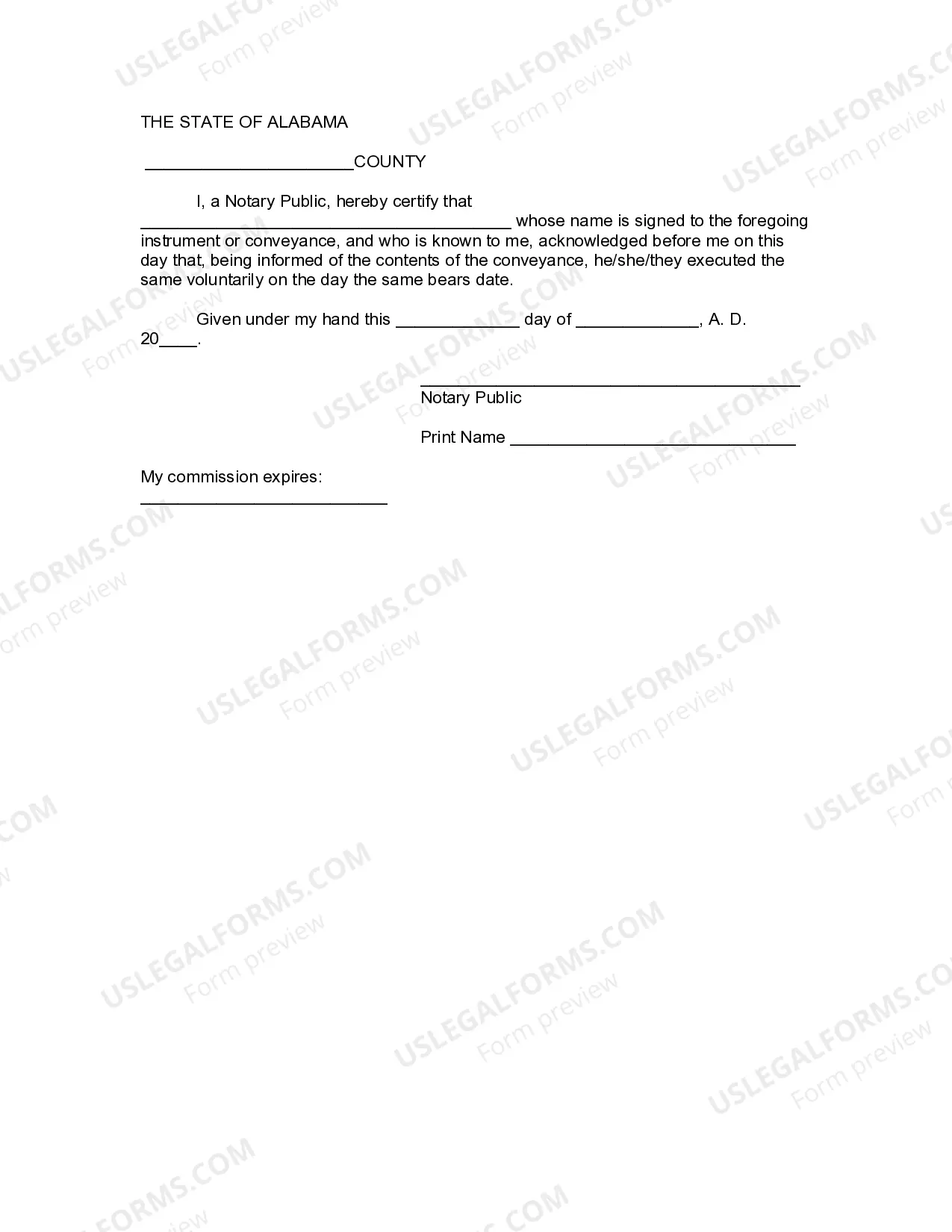
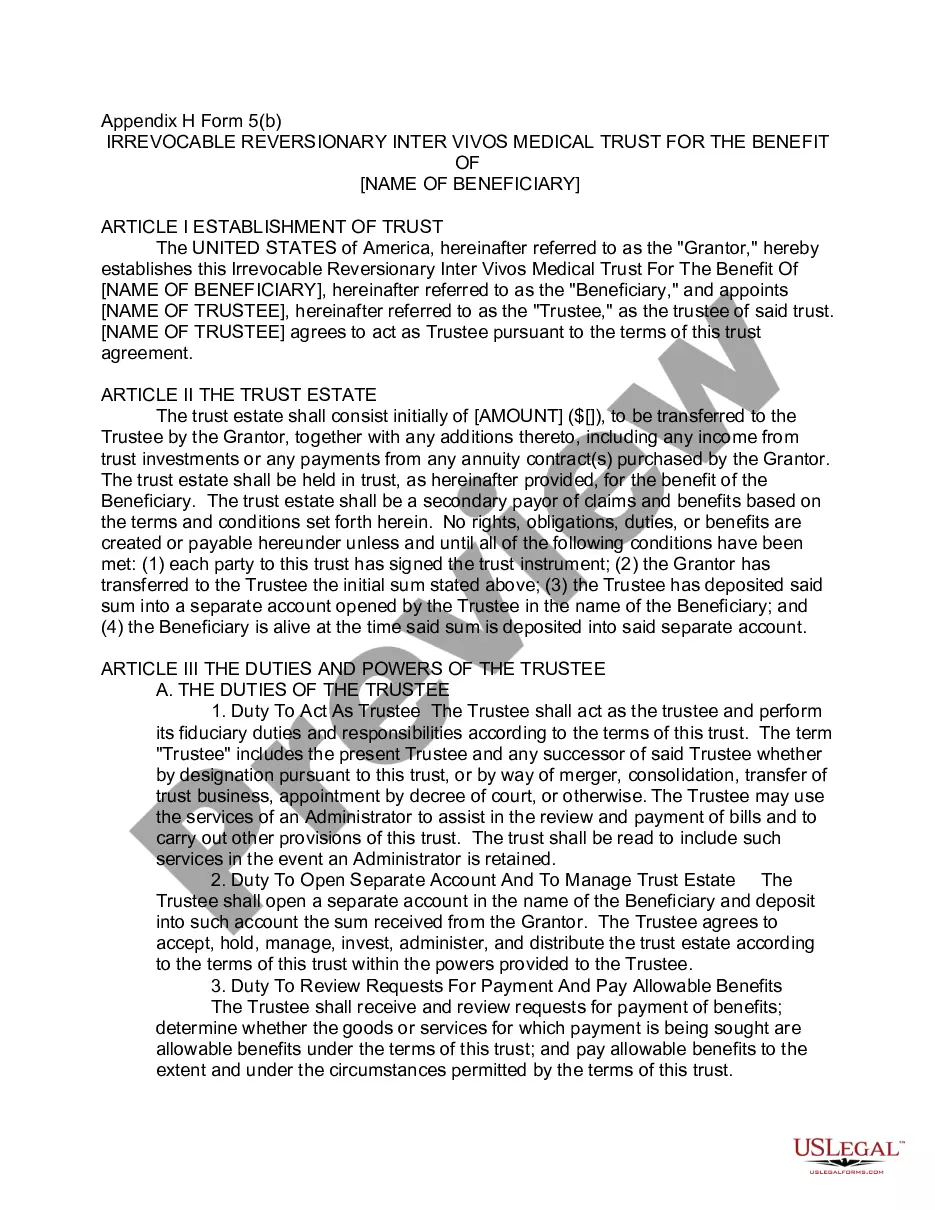
Get your form ready online
Our built-in tools help you complete, sign, share, and store your documents in one place.
Make edits, fill in missing information, and update formatting in US Legal Forms—just like you would in MS Word.
Download a copy, print it, send it by email, or mail it via USPS—whatever works best for your next step.
Sign and collect signatures with our SignNow integration. Send to multiple recipients, set reminders, and more. Go Premium to unlock E-Sign.
If this form requires notarization, complete it online through a secure video call—no need to meet a notary in person or wait for an appointment.
We protect your documents and personal data by following strict security and privacy standards.

Make edits, fill in missing information, and update formatting in US Legal Forms—just like you would in MS Word.

Download a copy, print it, send it by email, or mail it via USPS—whatever works best for your next step.

Sign and collect signatures with our SignNow integration. Send to multiple recipients, set reminders, and more. Go Premium to unlock E-Sign.

If this form requires notarization, complete it online through a secure video call—no need to meet a notary in person or wait for an appointment.

We protect your documents and personal data by following strict security and privacy standards.
Looking for another form?









How to fill out Alabama Revocation Of Living Trust?
- Follow this link to access the US Legal Forms website.
- If you're a returning user, log in to your account to quickly download your desired form template. Ensure that your subscription is current; if not, renew it per your payment plan.
- For first-time users, start by checking the form preview and description. Confirm that it fits your requirements and aligns with your local jurisdiction's laws.
- If necessary, explore other templates via the Search tab to find the right one.
- After selecting the appropriate document, click on the Buy Now button and choose your preferred subscription plan. You’ll need to create an account for full access to the library.
- Proceed to make your purchase. You can complete the transaction using your credit card or PayPal.
- Lastly, download the form to your device. You can find it anytime in the My Forms section of your account.
In conclusion, utilizing US Legal Forms ensures that acquiring a revocation living trust with a trustee is straightforward and efficient. With over 85,000 legal forms available, you can tackle your legal needs with confidence.
Get started today to make the legal process easier!
Form popularity
FAQ
A trust can become null and void for several reasons, including lack of proper execution, failure to meet legal requirements, or the grantor's explicit statement of revocation. Additionally, if the trust fulfills its purpose or becomes impossible to execute, it may no longer hold legal standing. It is crucial to ensure all legal elements are addressed to maintain the integrity of your revocation living trust with a trustee. Platforms like USLegalForms can provide the necessary guidance to avoid pitfalls.
An example of a trust revocation is when the grantor decides to dissolve a living trust due to changing life circumstances, such as divorce or a significant life event. This involves drafting and signing a revocation document that specifically names the trust and states that it is null and void. Providing a copy to the trustee helps clarify the changes to the trust structure. You may want to utilize USLegalForms for templates and guidance in creating your revocation living trust with a trustee.
A revocable trust is terminated by following the procedures outlined in the trust document itself. Generally, you can revoke the trust entirely or amend specific provisions as needed. A clear written statement of termination should be submitted to the trustee to finalize this process. Consider consulting with a legal professional or using USLegalForms to ensure that all requirements are met for the revocation living trust with a trustee.
To revoke a revocable living trust, begin by drafting a formal revocation document that clearly states your intentions. Sign and date this document, and ensure that your trustee receives a copy. It’s important to inform any relevant parties about the revocation to avoid confusion later. Utilizing resources from USLegalForms can assist you in preparing the necessary documents effectively.
A sample revocation of living trust should include your name, the name of the trust, and a clear statement expressing your intent to revoke the trust. Include the date and your signature to validate the document. This format simplifies the process and helps ensure that your revocation living trust with a trustee complies with legal standards. Always consider using a trusted service like USLegalForms to create accurate legal documents.
To revoke a trust beneficiary, you typically need to amend the trust document. This involves clearly stating your intention to remove the beneficiary in writing. You should also communicate the change with the trustee to ensure proper execution of the revocation living trust with a trustee. Consulting a qualified attorney can ensure you follow the correct legal procedures.
To get rid of trustees, you typically need to follow the steps outlined in your trust agreement, especially if it’s a revocation living trust with a trustee. The agreement usually specifies the grounds for removal and the necessary actions to take. Keep communication open with the trustee and affected parties to ensure a smooth transition. If unsure about the process, legal resources like uslegalforms can provide helpful templates and instructions.
To remove a trustee from a living trust, start by reviewing the trust document for specific removal procedures. If your trust is a revocation living trust with a trustee, you may simply need to create an amendment or a formal removal document. After that, notify the trustee and any relevant parties about the change. Consider using platforms like uslegalforms for templates and guidance to streamline the process.
Yes, you can remove someone from a living trust if it is a revocation living trust with a trustee. The process typically involves executing a formal amendment or restatement that specifies the changes. This flexibility is one of the key benefits of a revocation living trust. However, it is essential to follow the specific procedures outlined in your trust document to ensure everything is legally binding.
Removing a trustee from a trust can vary in difficulty based on several factors, including the terms of the trust document. In many cases, a revocation living trust with a trustee allows for easier removal, especially if the trust contains specific guidelines. If the trust is irrevocable, the process may be more complex and usually requires legal action. Always consult with a legal professional when navigating these situations to ensure compliance with state laws.