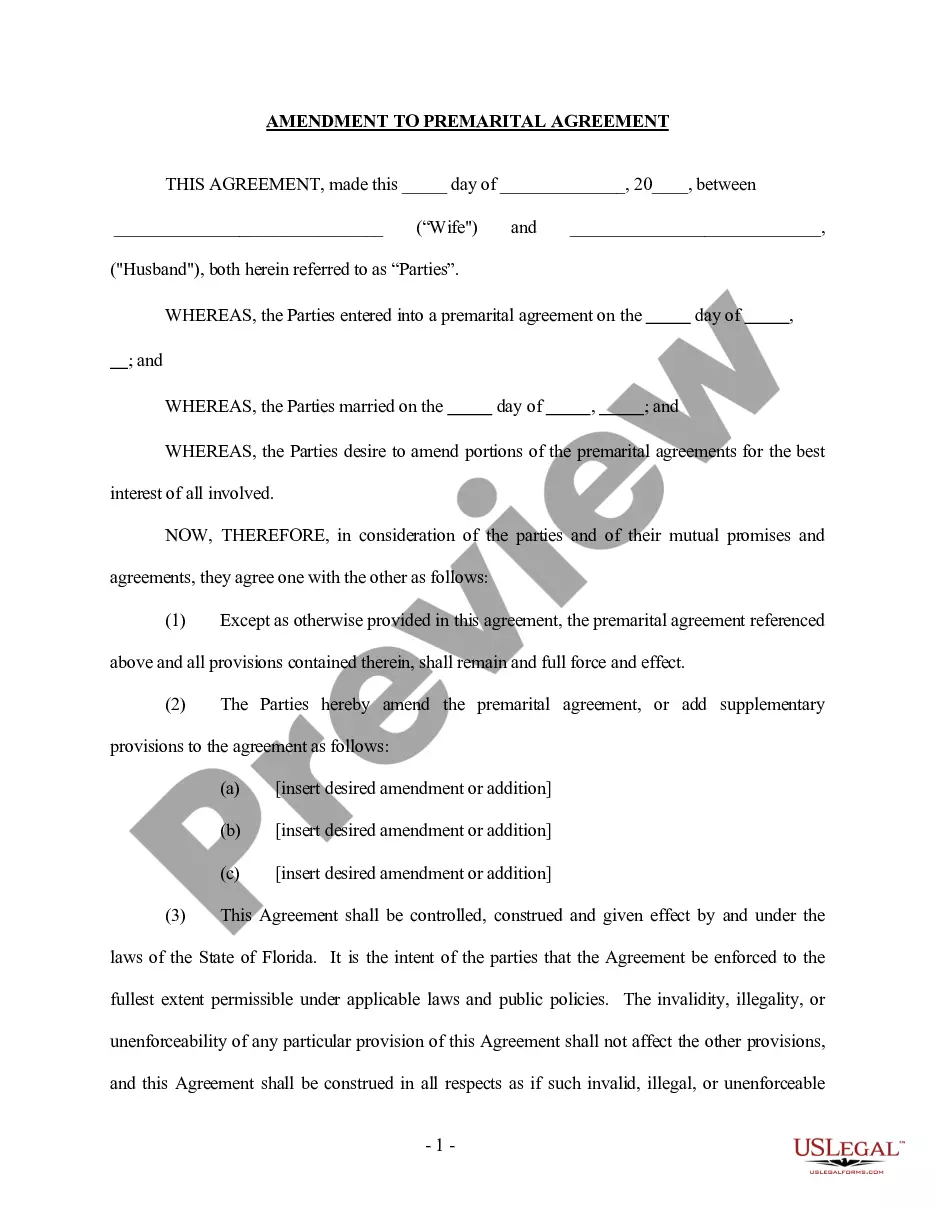
Alabama Revocation of Living Trust
About this form
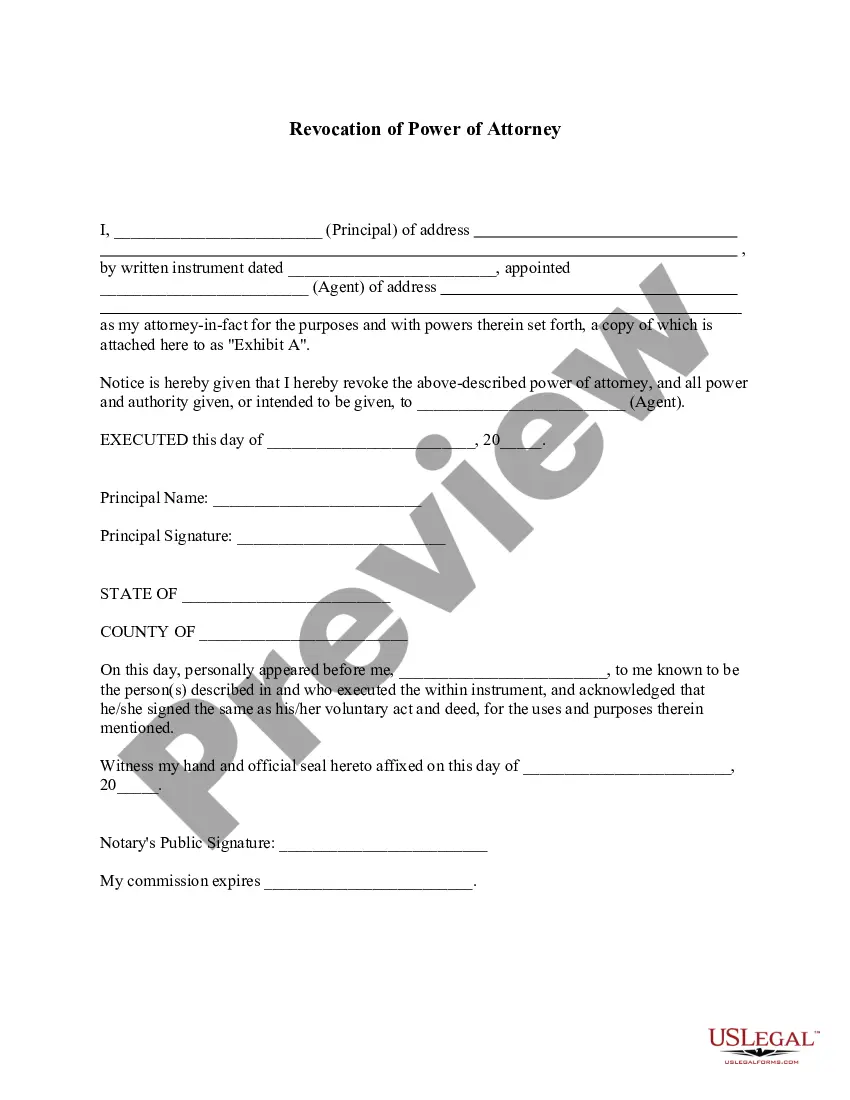
The Revocation of Living Trust form is a legal document used to formally revoke a living trust that has been established during a person's lifetime. Unlike similar forms that create or amend trusts, this document specifically communicates the trustor's decision to dismantle the trust, ensuring that all assets are returned to the trustors. It serves as a clear declaration that allows for the reassignment of trust properties and affirms the effective date of the revocation.
Key parts of this document
- Identification of the trustor(s) and the specific living trust being revoked.
- A full declaration that the trust is revoked in its entirety.
- Details regarding the reconveyance or reassignment of trust property to the trustor(s).
- A specified effective date for the revocation.
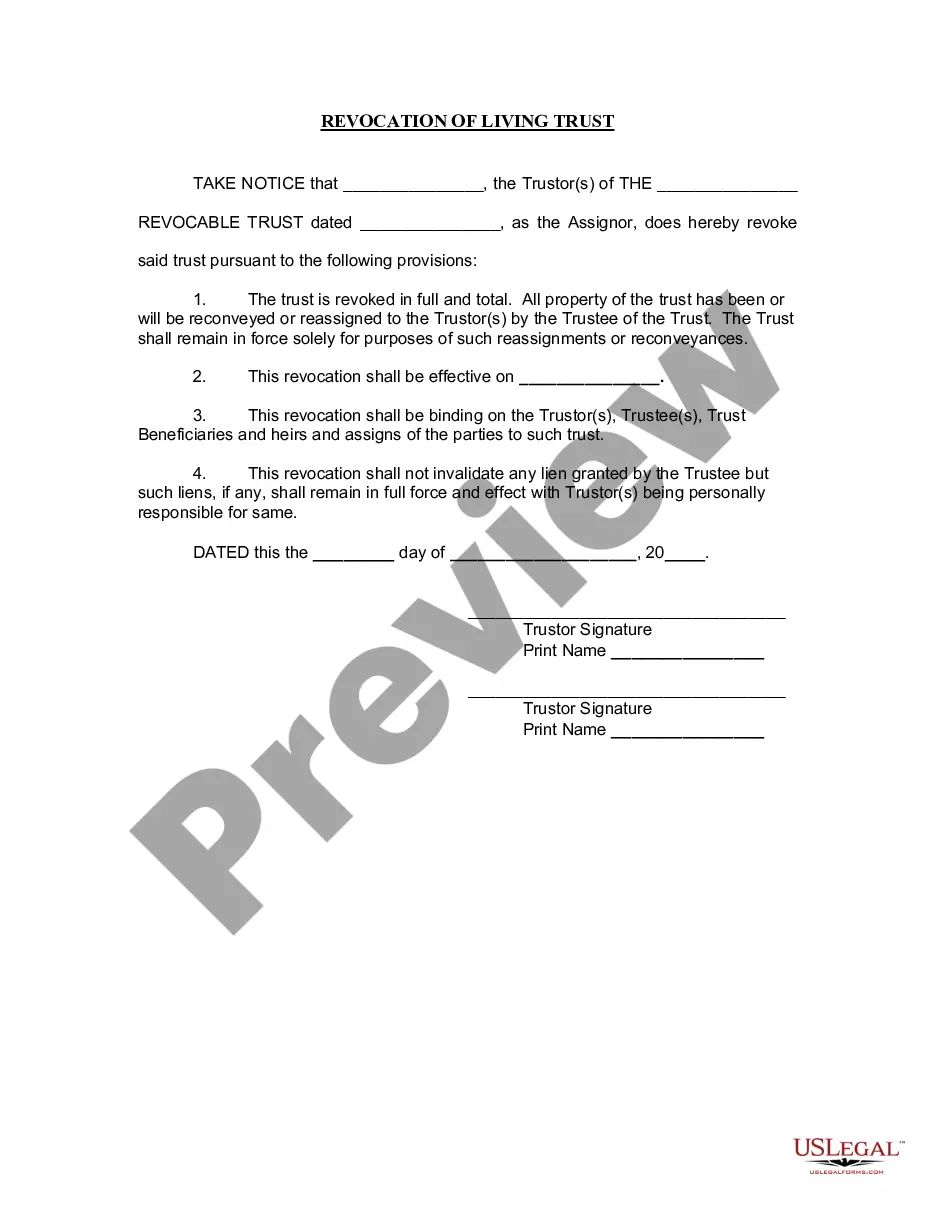
- Spaces for trustor signatures and notary acknowledgment.

Situations where this form applies
This form should be used when a trustor decides to terminate a living trust, whether due to changes in personal circumstances, changes in estate planning goals, or a desire to simplify their financial and estate matters. It is also applicable when the trustor wants to ensure that their assets are returned to them and the trust no longer serves its intended purpose.
Intended users of this form
- Individuals who established a living trust and wish to revoke it.
- Trustors who want to ensure the clear termination of their trust and the return of assets.
- Legal representatives handling estate matters for clients with existing trusts.
Completing this form step by step
- Identify the trustor(s) and clearly state the name of the trust being revoked.
- Verify that all property from the trust has been or will be returned to the trustor(s).
- Enter the effective date of the revocation in the specified section.
- Ensure that all trustors sign the document in the presence of a notary public.
- Complete the notary acknowledgment section to validate the revocation.
Is notarization required?
Yes, this form must be notarized to be legally valid. US Legal Forms offers integrated online notarization, allowing you to complete this step securely via video call 24/7, ensuring legal equivalence and convenience without the need for travel.
Get your form ready online
Our built-in tools help you complete, sign, share, and store your documents in one place.
Make edits, fill in missing information, and update formatting in US Legal Forms—just like you would in MS Word.
Download a copy, print it, send it by email, or mail it via USPS—whatever works best for your next step.
Sign and collect signatures with our SignNow integration. Send to multiple recipients, set reminders, and more. Go Premium to unlock E-Sign.
If this form requires notarization, complete it online through a secure video call—no need to meet a notary in person or wait for an appointment.
We protect your documents and personal data by following strict security and privacy standards.

Make edits, fill in missing information, and update formatting in US Legal Forms—just like you would in MS Word.

Download a copy, print it, send it by email, or mail it via USPS—whatever works best for your next step.

Sign and collect signatures with our SignNow integration. Send to multiple recipients, set reminders, and more. Go Premium to unlock E-Sign.

If this form requires notarization, complete it online through a secure video call—no need to meet a notary in person or wait for an appointment.

We protect your documents and personal data by following strict security and privacy standards.
Mistakes to watch out for
- Failing to specify the correct name and date of the living trust being revoked.
- Not ensuring that all signatures are obtained before notarization.
- Leaving the effective date blank, which can lead to confusion about when the revocation takes effect.
Why use this form online
- Convenient access to downloadable legal forms tailored by licensed attorneys.
- Editable templates allow you to customize information easily.
- Cost-effective solution compared to hiring an attorney for straightforward document revisions.
- Immediate access helps in timely decision-making for estate planning.
Quick recap
- The Revocation of Living Trust form is essential for officially terminating a living trust.
- It must be signed in front of a notary public to ensure validity.
- All assets must be returned to the trustor(s) as per the provisions stated in the form.
Looking for another form?
Form popularity
FAQ
The 5-year rule for trusts typically refers to a provision that can impact tax obligations for assets transferred into and out of a trust. Specifically, in Alabama, it may affect how long certain trusts must wait before distributions are made without triggering tax events. It's essential to consult with legal experts about the implications of the Alabama Revocation of Living Trust and how they relate to this rule.
When you revoke a living trust, the assets in the trust revert back to your name, managing them as you see fit. Revocation also negates any stipulations outlined in the trust regarding asset distribution after your passing. Understanding the Alabama Revocation of Living Trust can help you navigate this change effectively.
To invalidate a living trust, one must typically provide evidence that the trust does not meet legal standards or was created under undue influence. Additionally, a grantor may choose to revoke the trust by issuing a formal document stating their intent. Exploring the Alabama Revocation of Living Trust process can clarify how to effectively navigate this situation.
Yes, in Alabama, a properly funded living trust can avoid the probate process. The assets held within the trust do not pass through probate upon the grantor's death. This feature makes the Alabama Revocation of Living Trust a valuable tool for those who wish to simplify the transfer of assets and reduce the costs associated with probate.
A living trust can be deemed invalid if it does not meet specific legal requirements under Alabama law. This includes not having a valid signature, failing to fund the trust with assets, or not being executed in accordance with Alabama's trust laws. When considering the Alabama Revocation of Living Trust, it’s essential to understand the necessary elements that maintain its validity.
To revoke a revocable living trust, you need to create a clear and concise revocation document that states your intentions. Ensure you sign the document and, if possible, have it notarized to strengthen its validity. Following the guidelines of Alabama revocation of living trust is vital to avoid any legal issues. If you need assistance, consider using platforms like US Legal Forms for templates and guidance.
A sample revocation of living trust can include a document that explicitly states the intent to revoke, details the date of revocation, and is signed by the grantor. This document should clearly mention the specific living trust that is being revoked. Having a proper format is essential, especially when dealing with the Alabama revocation of living trust, to ensure all legal requirements are met.
A restatement of trust is an updated version of an existing trust document. For instance, if changes are needed due to new circumstances or updated laws, a trustee can restate the original trust without starting anew. It's crucial to ensure that the restatement adheres to the guidelines of Alabama revocation of living trust to ensure its legality and efficiency.
An example of a trust revocation is when a trustee decides to dissolve a living trust. This process involves creating a formal document that clearly states the intent to revoke the trust. During the Alabama revocation of living trust, the trustee must notify all beneficiaries and any other parties involved. This ensures transparency and helps maintain trust among all parties.
To revoke a revocable trust, you typically need to follow the procedures outlined in the trust document itself. Generally, this involves signing a formal revocation document that states your intent to revoke the trust. Additionally, you may need to notify all beneficiaries. For detailed templates and guidance on revoking your trust in compliance with Alabama laws, US Legal Forms provides valuable resources regarding the Alabama revocation of living trust.