Letter Tenant Permission For Rent Increase
Description
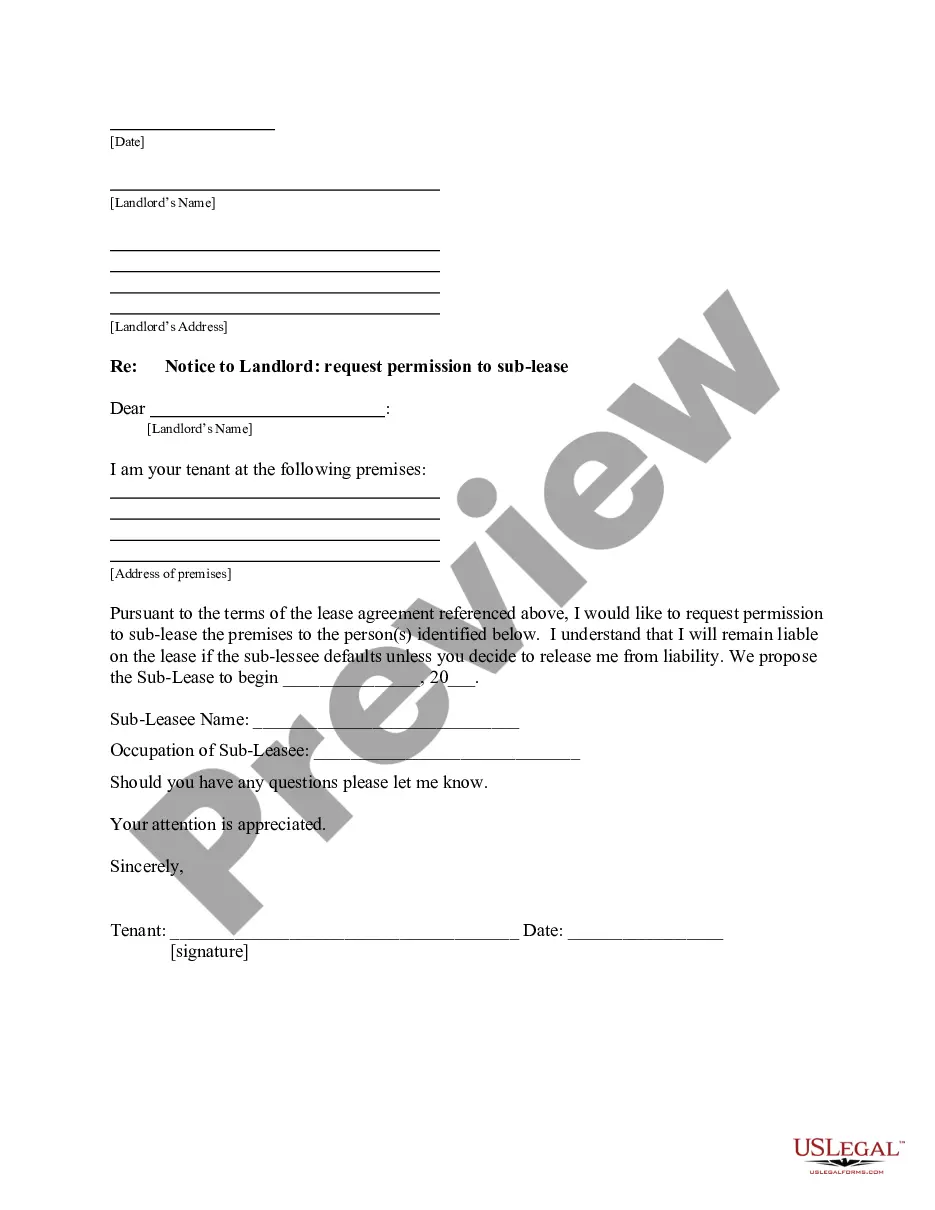

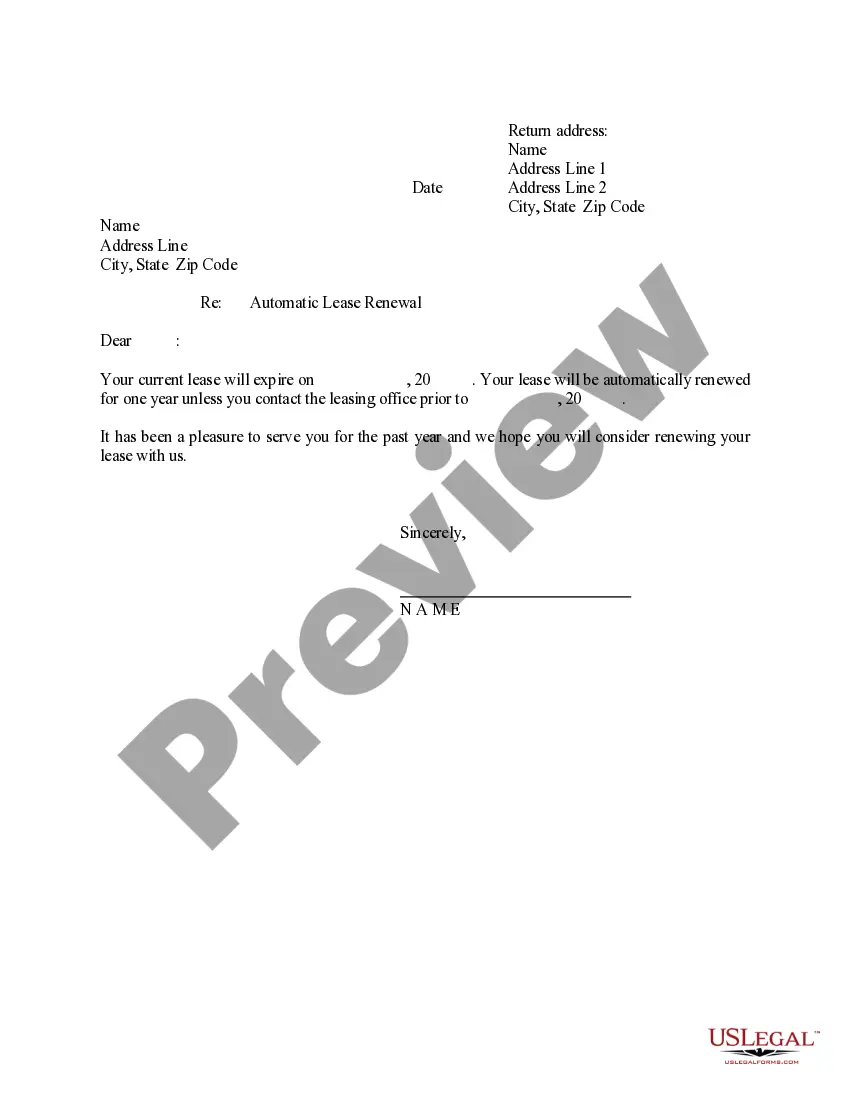
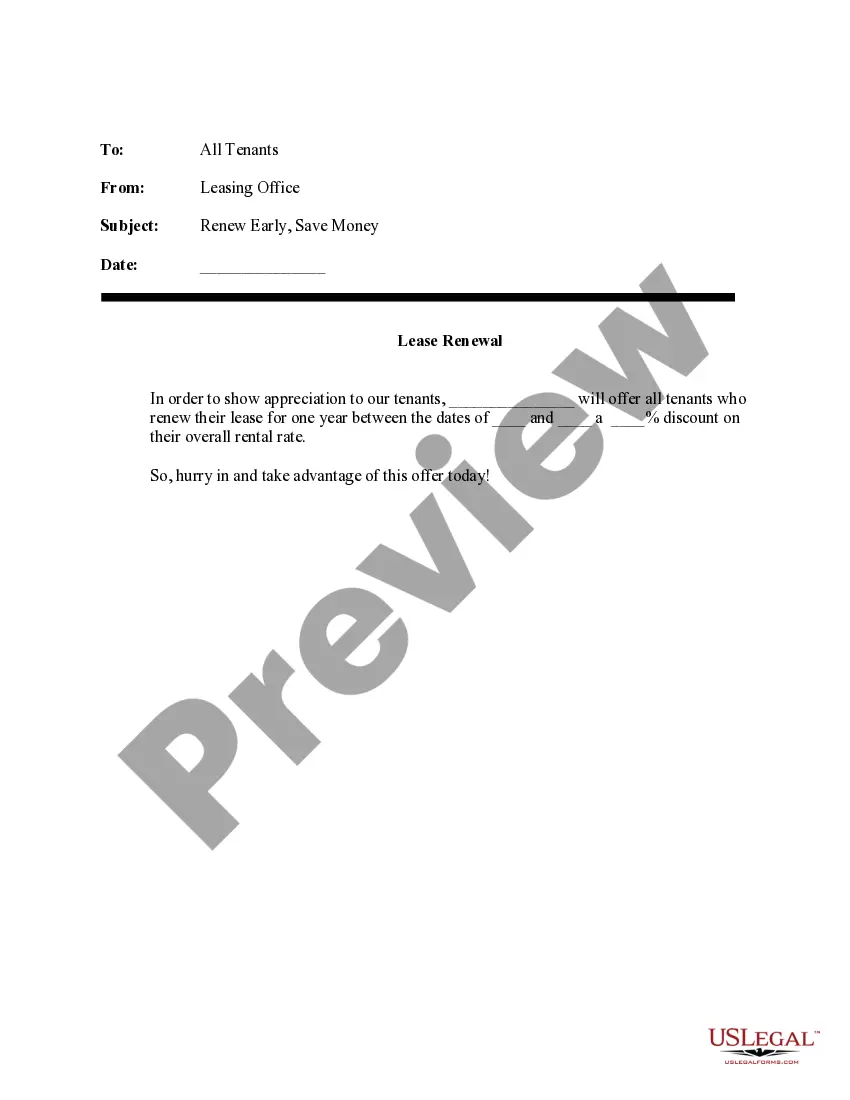
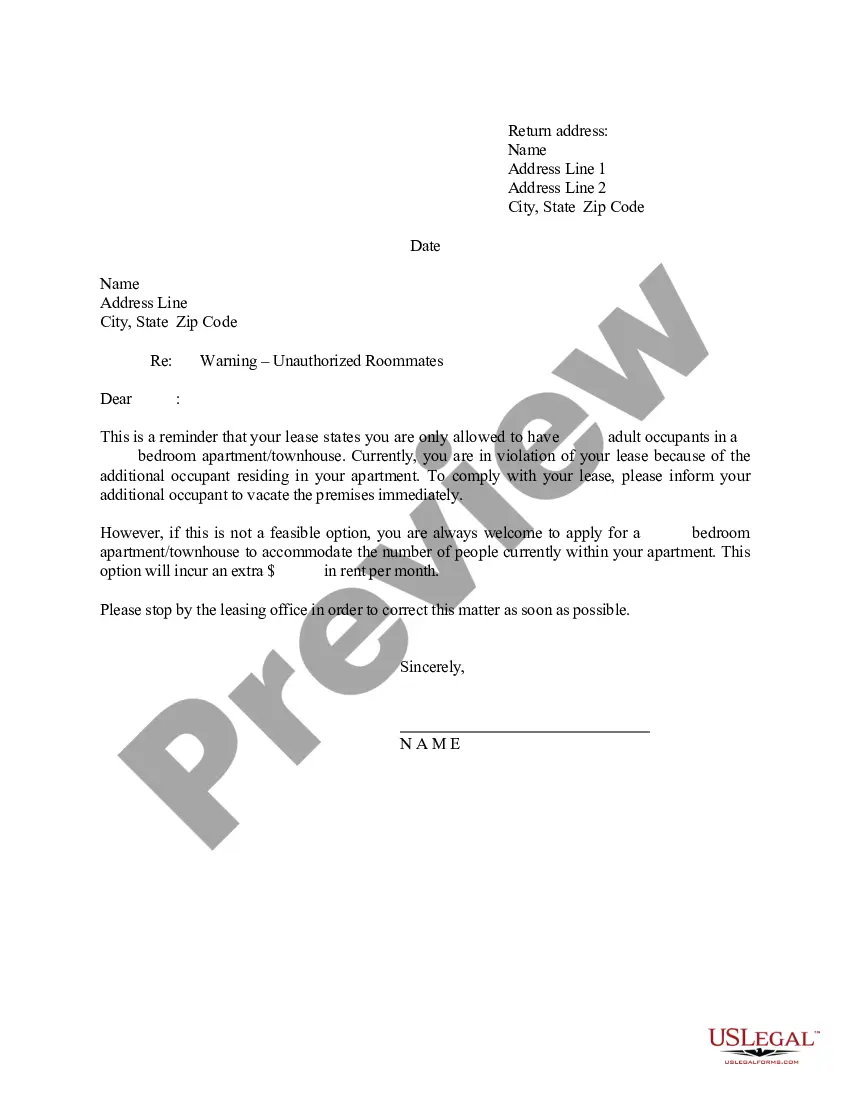
Get your form ready online
Our built-in tools help you complete, sign, share, and store your documents in one place.
Make edits, fill in missing information, and update formatting in US Legal Forms—just like you would in MS Word.
Download a copy, print it, send it by email, or mail it via USPS—whatever works best for your next step.
Sign and collect signatures with our SignNow integration. Send to multiple recipients, set reminders, and more. Go Premium to unlock E-Sign.
If this form requires notarization, complete it online through a secure video call—no need to meet a notary in person or wait for an appointment.
We protect your documents and personal data by following strict security and privacy standards.

Make edits, fill in missing information, and update formatting in US Legal Forms—just like you would in MS Word.

Download a copy, print it, send it by email, or mail it via USPS—whatever works best for your next step.

Sign and collect signatures with our SignNow integration. Send to multiple recipients, set reminders, and more. Go Premium to unlock E-Sign.

If this form requires notarization, complete it online through a secure video call—no need to meet a notary in person or wait for an appointment.

We protect your documents and personal data by following strict security and privacy standards.
Looking for another form?








Form popularity
FAQ
A good message to a landlord should be polite, direct, and thorough. Start with a greeting, clearly state your purpose, and express appreciation for their time and consideration. If you have concerns regarding any potential rent increase, mention your intent to maintain a good relationship and refer to a 'letter tenant permission for rent increase' if applicable, highlighting your proactive approach to tenancy.
When writing a letter to a landlord to avoid eviction, express your situation honestly and propose a solution for the missed payments. Acknowledge your obligations and suggest a feasible plan, like a payment schedule. If you believe that a future rent increase might force you out, consider mentioning your previous 'letter tenant permission for rent increase' request to clarify your willingness to comply with rental terms.
To convince a landlord to rent to you, present yourself as a reliable tenant by showcasing your background and rental history. Highlight your stable job, income, and any references from previous landlords. You can also address the potential for a 'letter tenant permission for rent increase' in the future, demonstrating your understanding of rental agreements and commitment to keep an open line of communication.
To write a letter to a landlord about rent, be clear and direct in your message. Start by stating your name, the property address, and your intent regarding the rent. If you are disputing or negotiating an increase, politely express your concerns and ask for clarification. If you are formalizing permission for a rent increase, include the necessary details in your 'letter tenant permission for rent increase'.
In Florida, there is no statewide limit on how much a landlord can raise rent. However, it’s essential for landlords to follow local regulations and provide appropriate notice, typically 30 days. If you receive a rent increase notification, you might consider drafting a 'letter tenant permission for rent increase' to respectfully discuss or negotiate the terms with your landlord.
To email a landlord about renting, start with a clear subject line that addresses your intent. Introduce yourself and mention the property you are interested in. Clearly express your interest in renting and ask about availability, rental terms, and the process to move forward. Remember, if your landlord plans to increase rent, you might want to reference a 'letter tenant permission for rent increase' if you have existing permission for the current rent.
Explaining a rent increase to a tenant involves clear communication. Begin with a personal approach, acknowledging their value as a tenant. Explain the factors contributing to the decision, such as rising property maintenance costs or market trends. Providing a thoughtful letter tenant permission for rent increase can help maintain trust and professionalism during this conversation.
When writing to a tenant about a rent increase, clarity is key. Start with a friendly introduction, followed by the details of the increase, including the new amount and effective date. Include rationales for the increase to help tenants understand the decision and demonstrate good practice. Consider using a letter tenant permission for rent increase format to ensure all necessary details are covered.
To write a letter informing a tenant of a rent increase, start with a polite greeting and state the purpose of the letter clearly. Specify the new rent amount and the date it takes effect, providing sufficient notice as required by law. It’s crucial to include reasons that justify the increase, as this fosters transparency. A letter tenant permission for rent increase can serve as a formal notice in this case.
Writing a letter to your landlord about rent requires a clear format and approach. Begin with your name and address, followed by the landlord's details. State your intention and include specific reasons for your request, such as market conditions or maintenance issues. Utilizing a letter tenant permission for rent increase template can guide you through the process effectively.
