Purchase of Fiber-Optic Network as Part of an Asset Purchase Agreement
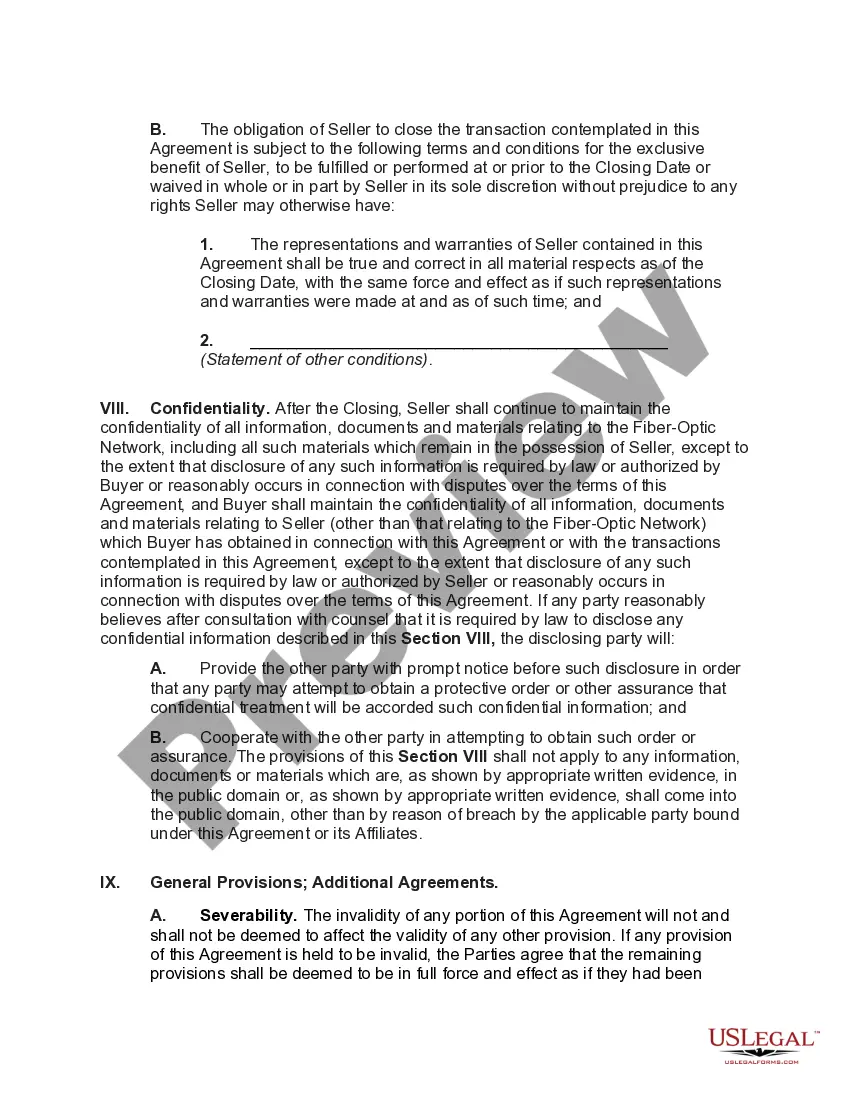
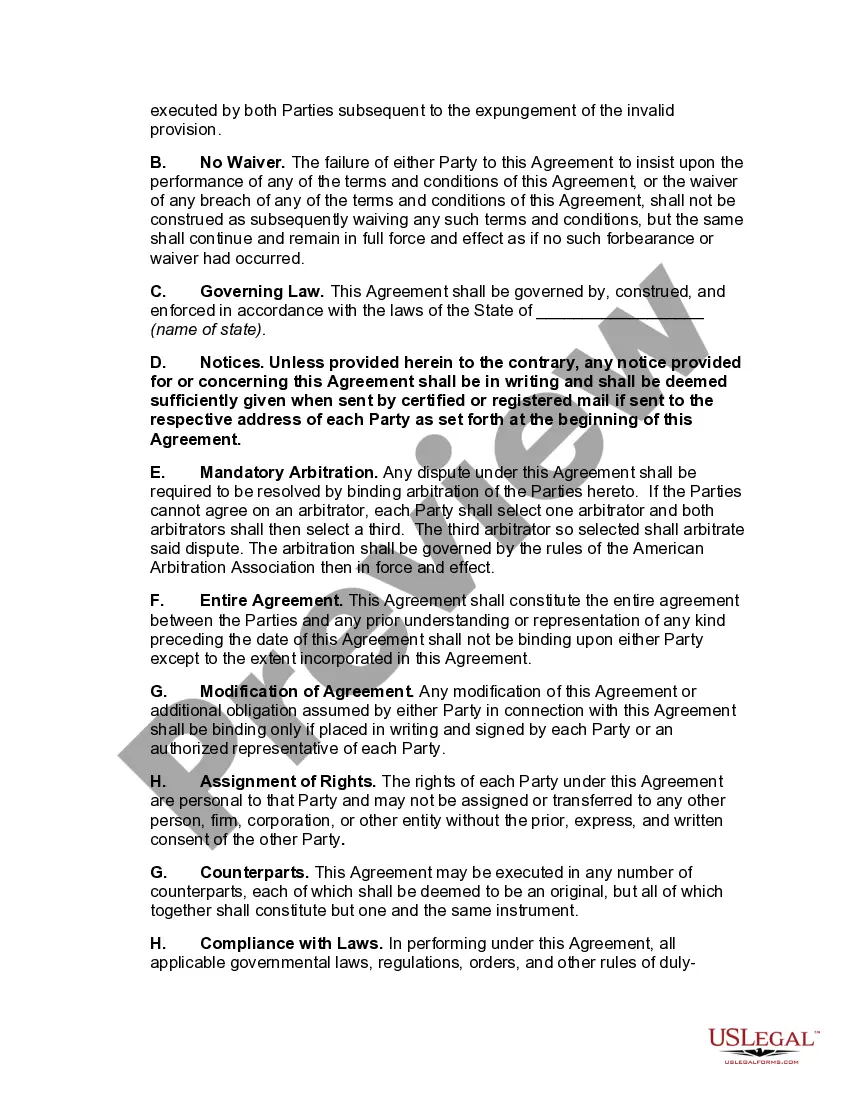
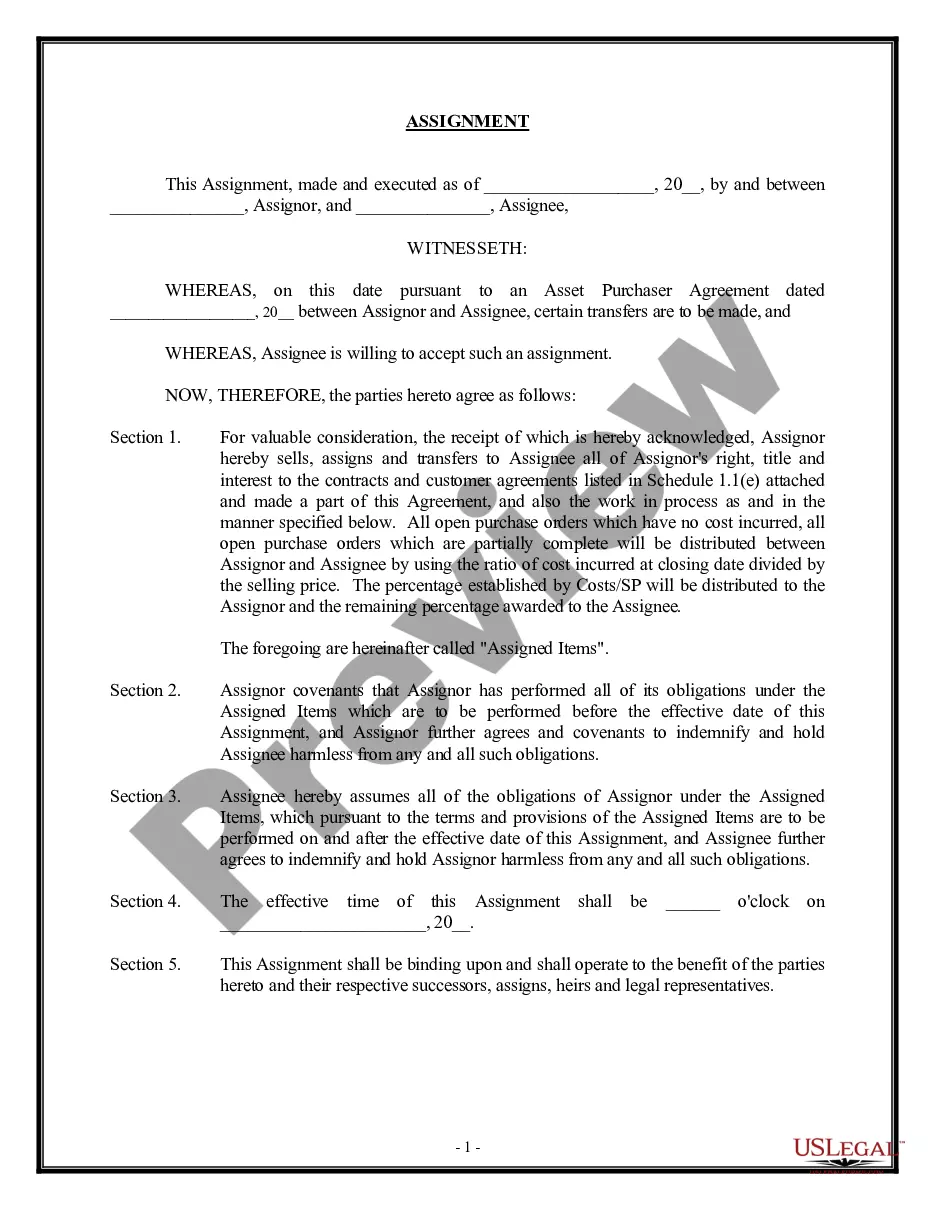
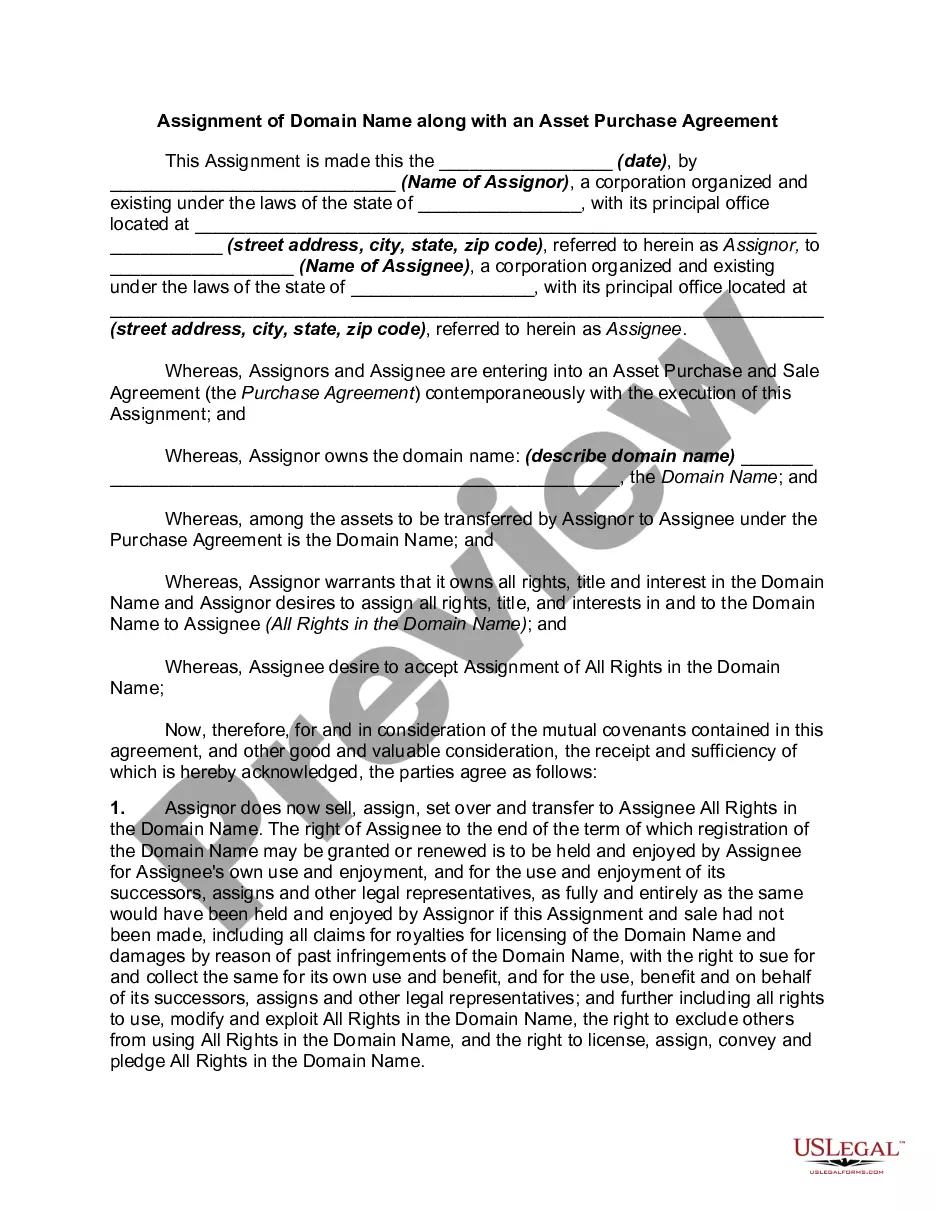
Description





How to fill out Purchase Of Fiber-Optic Network As Part Of An Asset Purchase Agreement?
Utilize the most extensive legal library of forms. US Legal Forms is the best platform for finding up-to-date Purchase of Fiber-Optic Network as Part of an Asset Purchase Agreement templates. Our service provides a large number of legal documents drafted by licensed legal professionals and categorized by state.
To get a sample from US Legal Forms, users simply need to sign up for a free account first. If you are already registered on our service, log in and choose the template you need and purchase it. After buying templates, users can find them in the My Forms section.
To obtain a US Legal Forms subscription on-line, follow the guidelines below:
- Find out if the Form name you have found is state-specific and suits your needs.
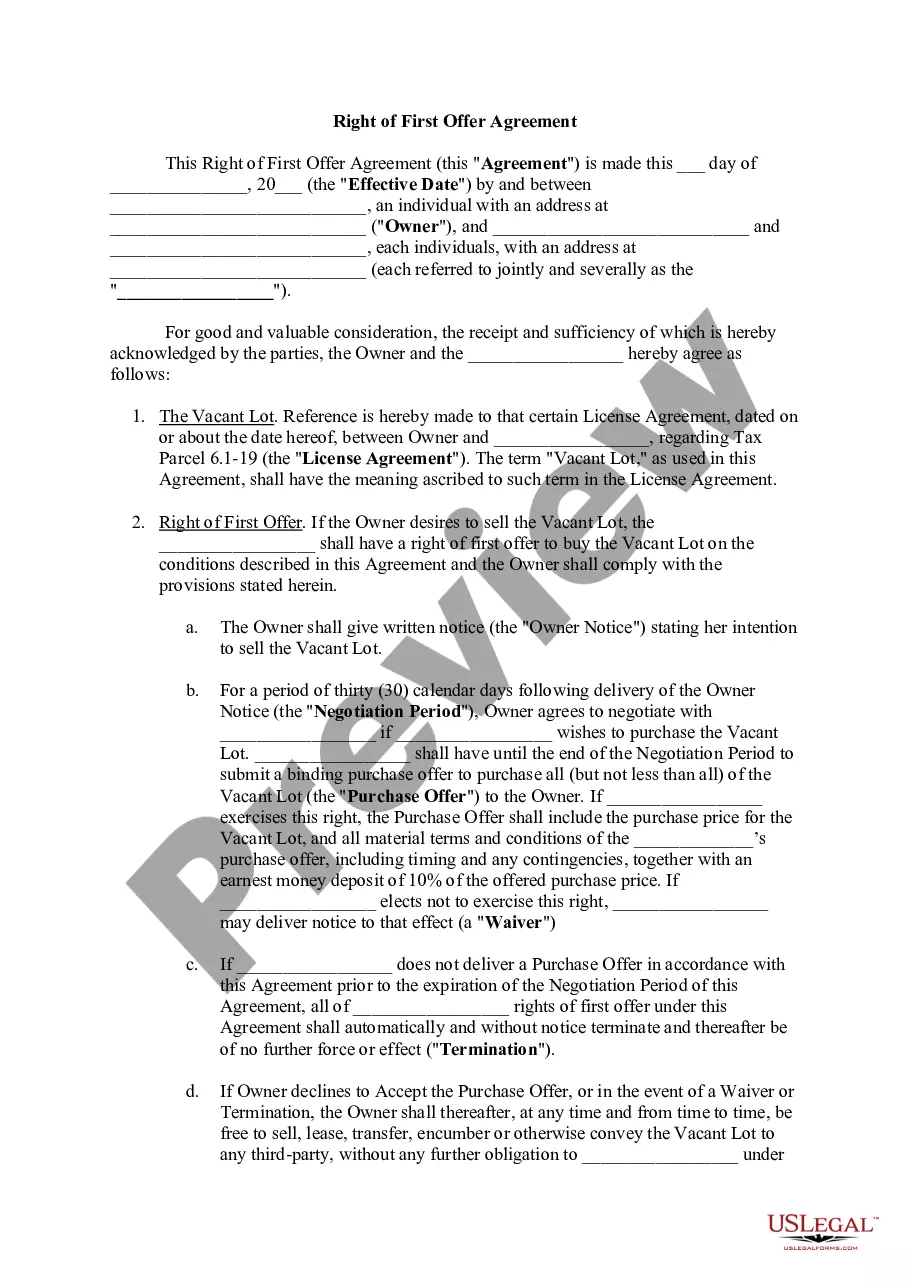
- In case the template has a Preview function, utilize it to check the sample.
- If the sample does not suit you, utilize the search bar to find a better one.
- PressClick Buy Now if the sample corresponds to your needs.
- Choose a pricing plan.
- Create an account.
- Pay via PayPal or with the credit/credit card.
- Select a document format and download the template.
- When it’s downloaded, print it and fill it out.
Save your effort and time using our platform to find, download, and complete the Form name. Join a large number of delighted subscribers who’re already using US Legal Forms!
Form popularity
FAQ
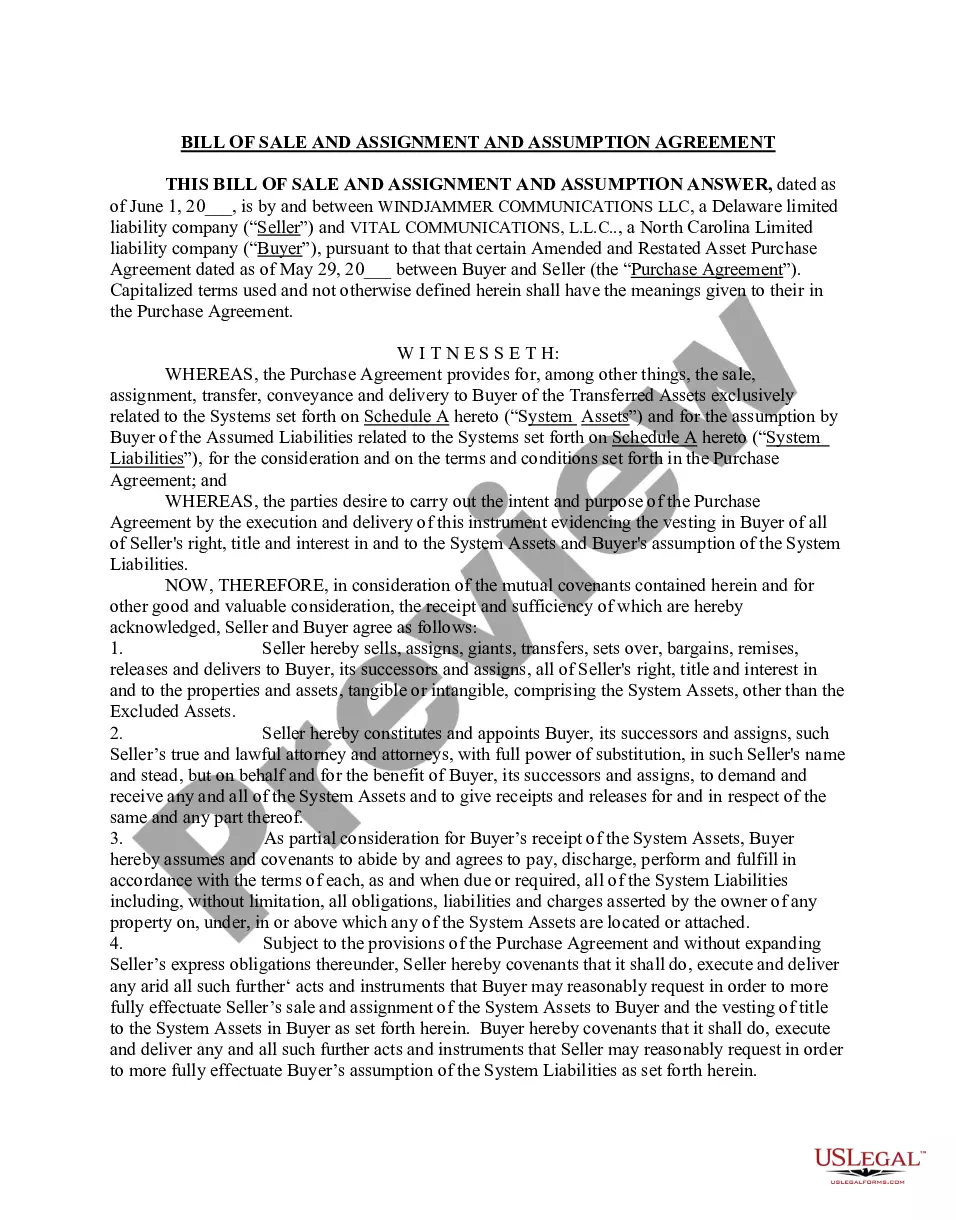
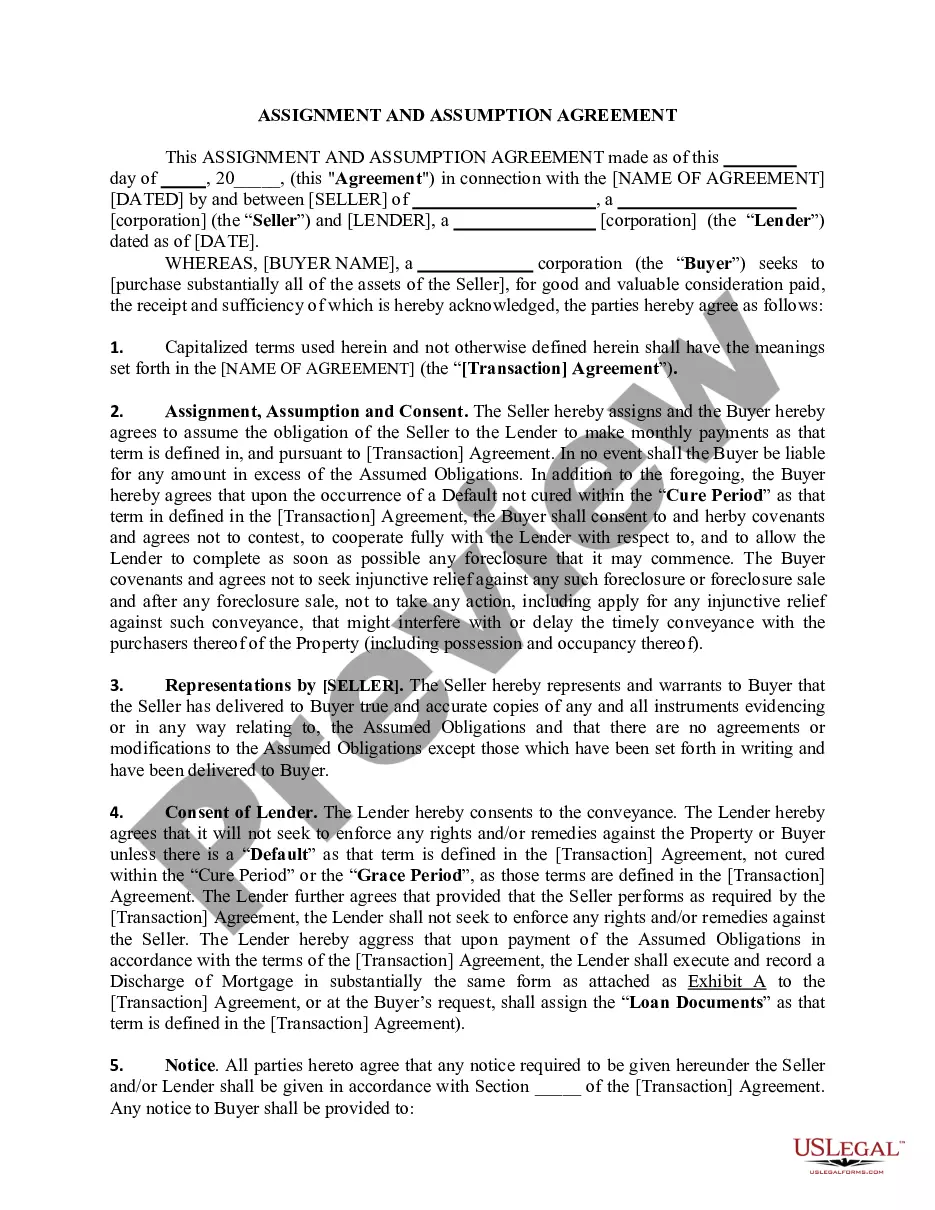
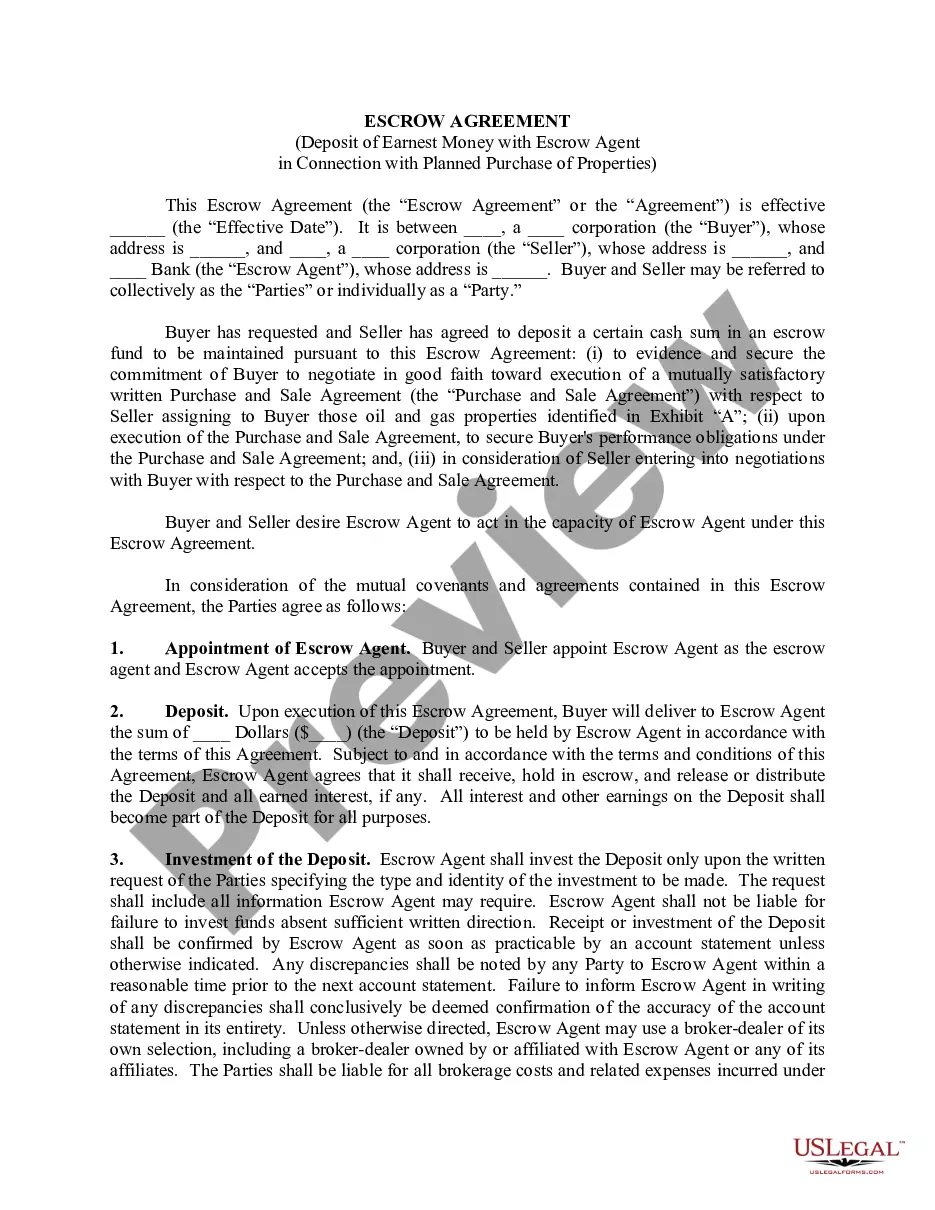
These will include the purchase price, of course, and bills of sale, assignment and assumption agreements, intellectual property assignments, real property transfer documents and so on, as well as any legal opinions, employment agreements, escrow agreement and other ancillary documents.
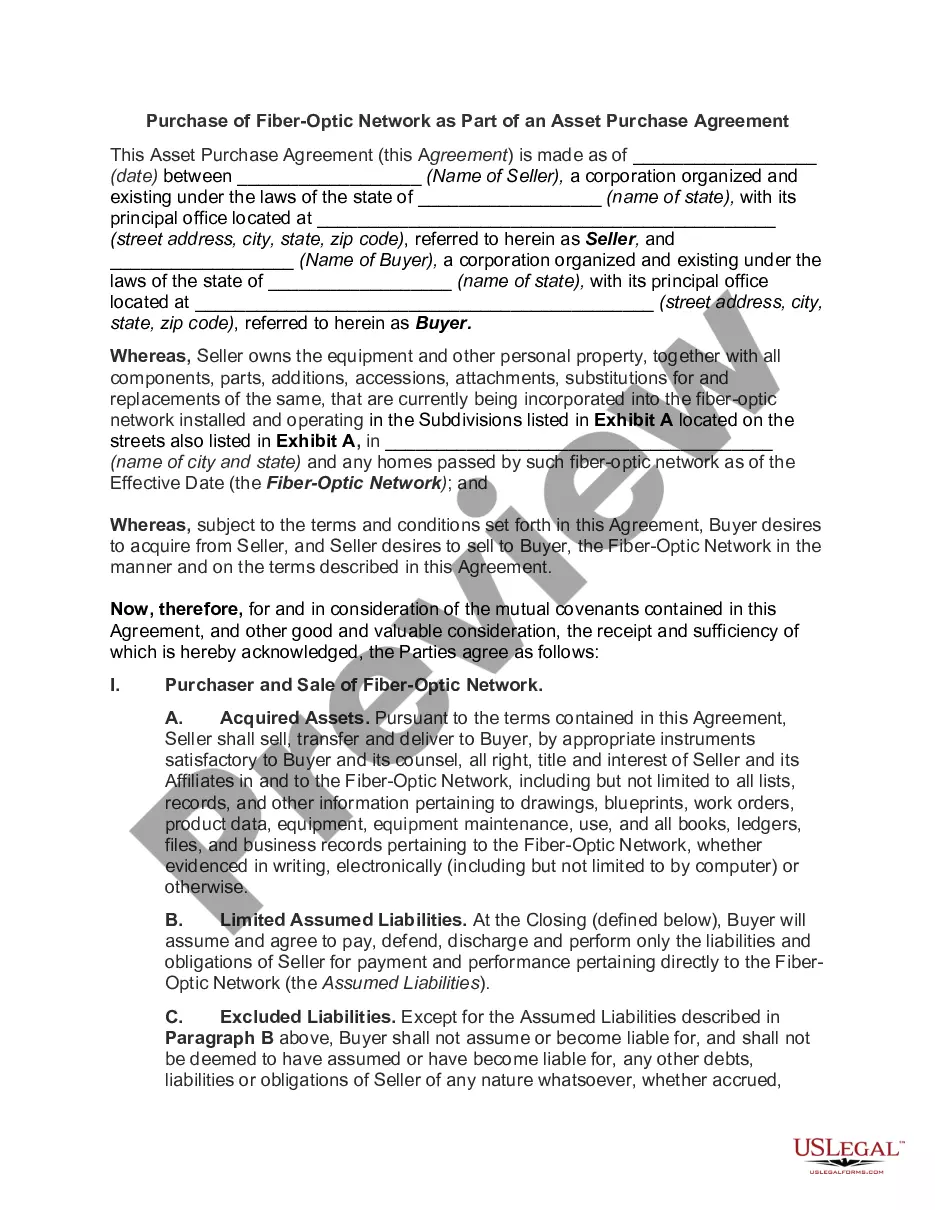
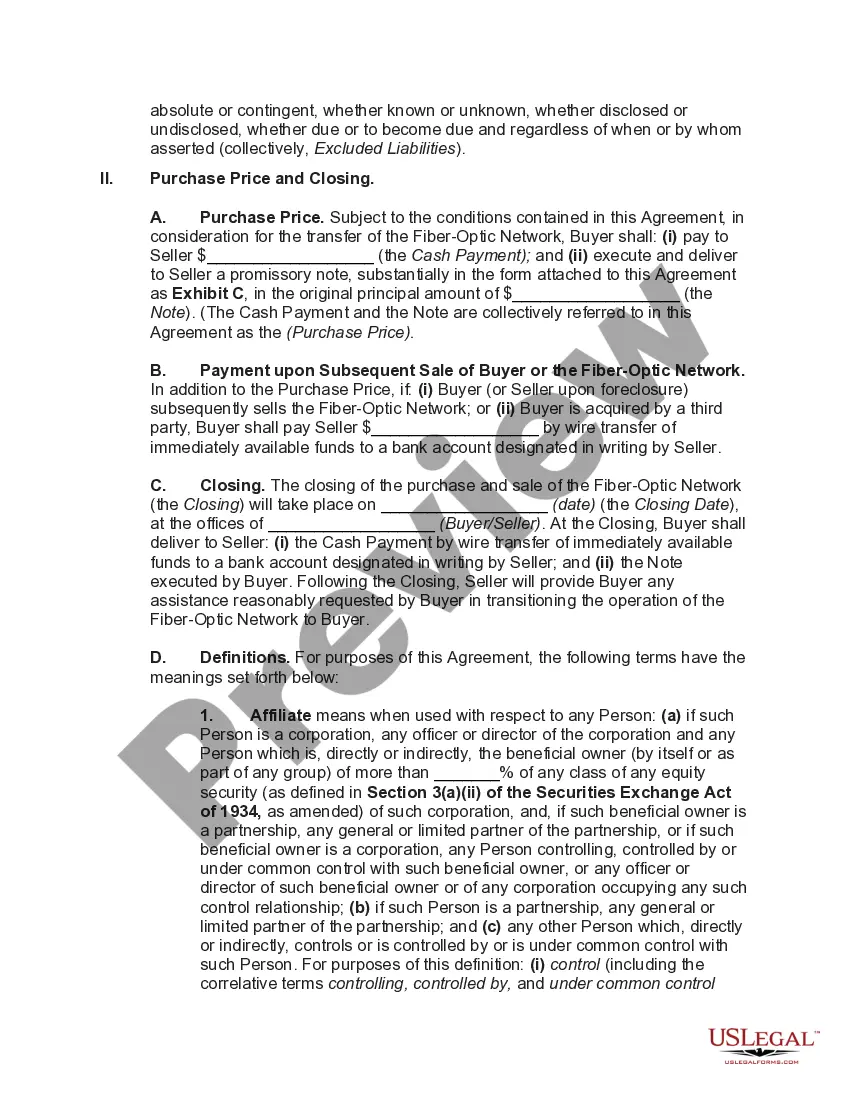
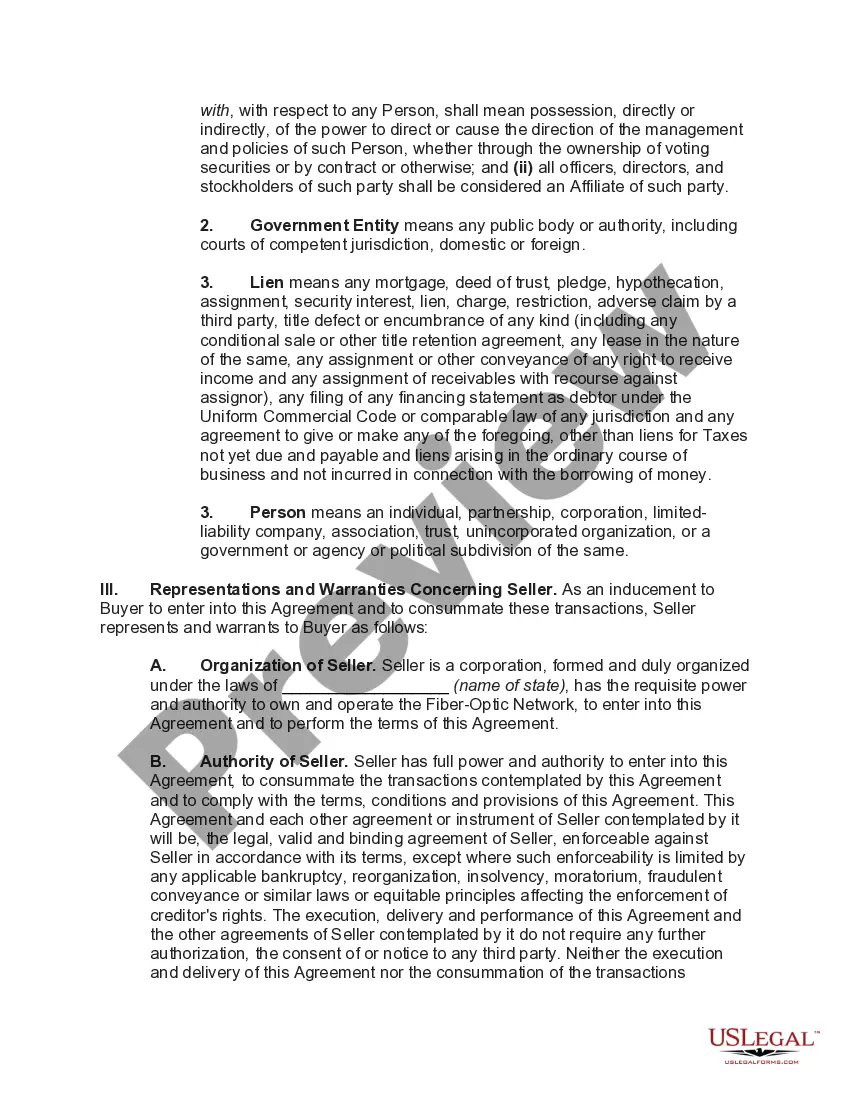
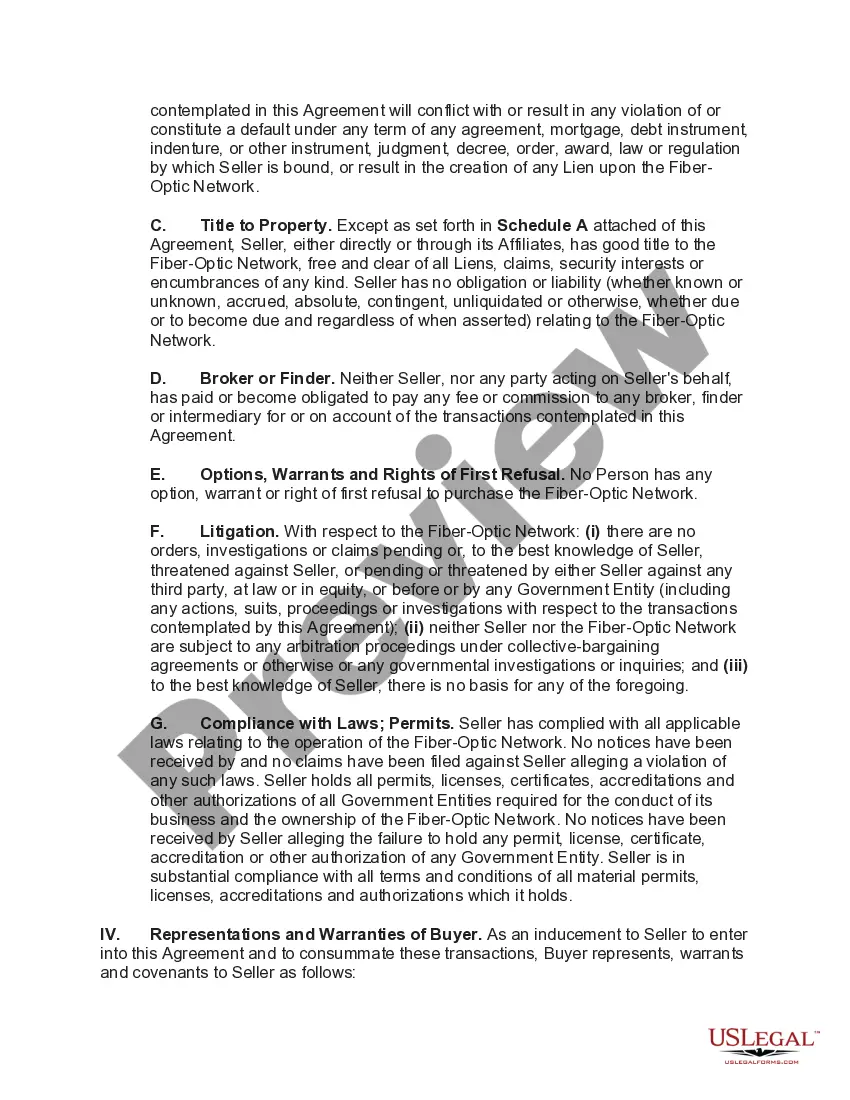
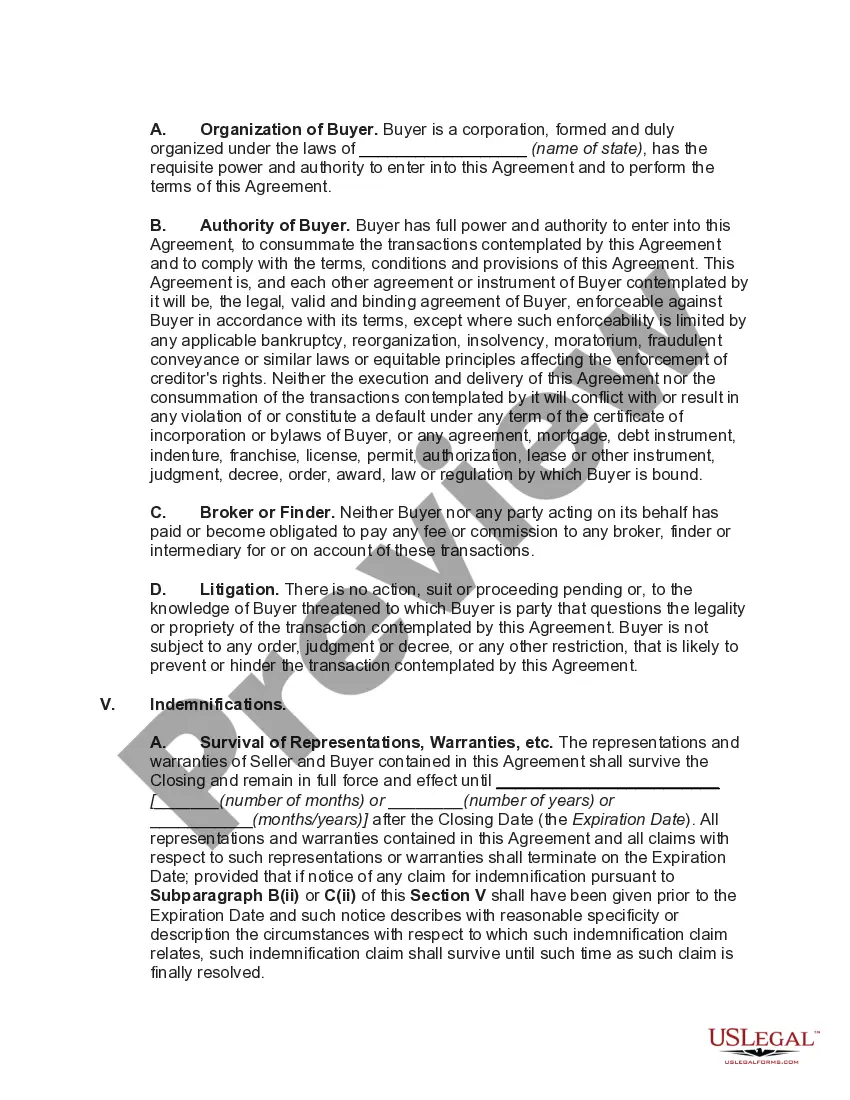
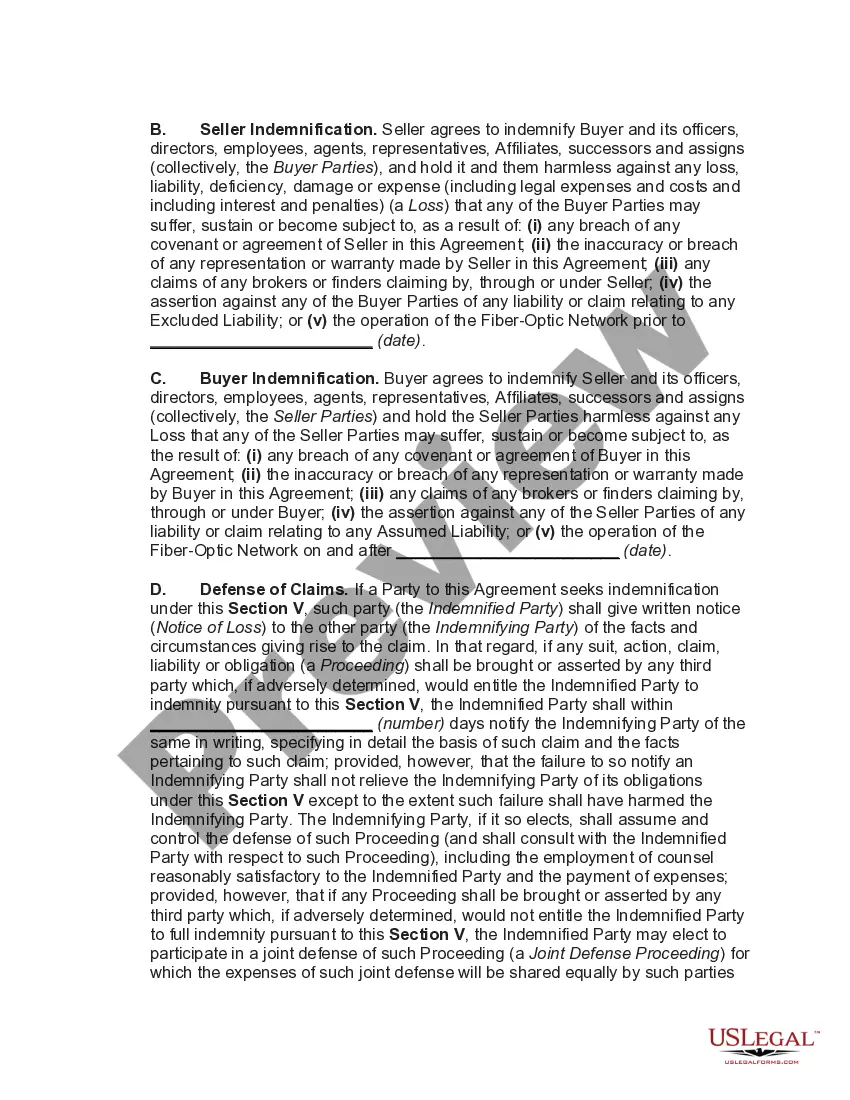
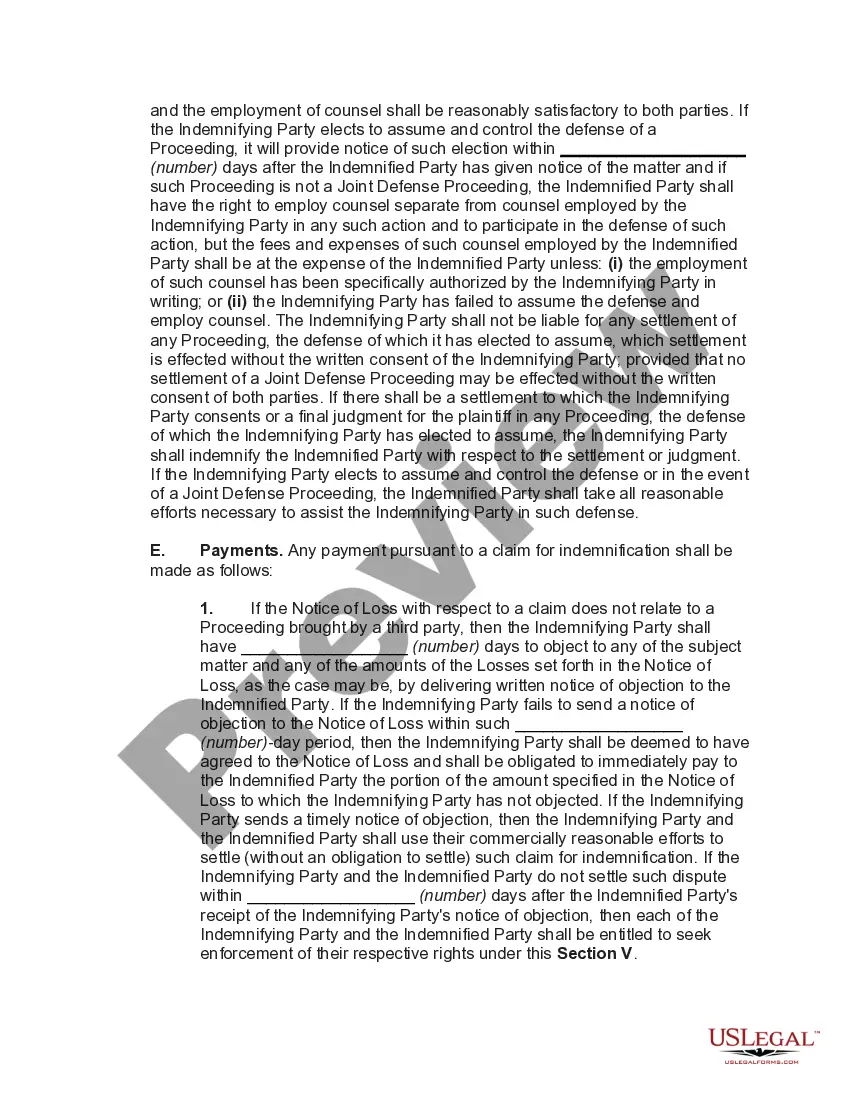
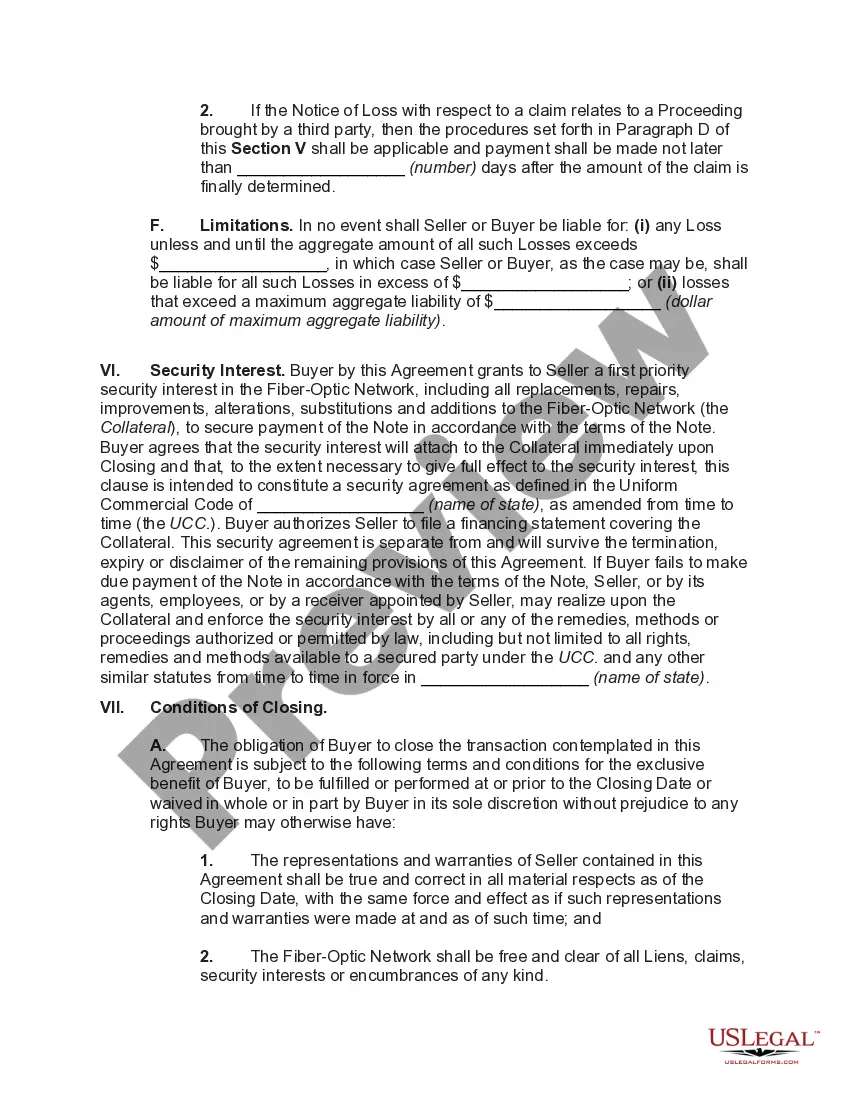
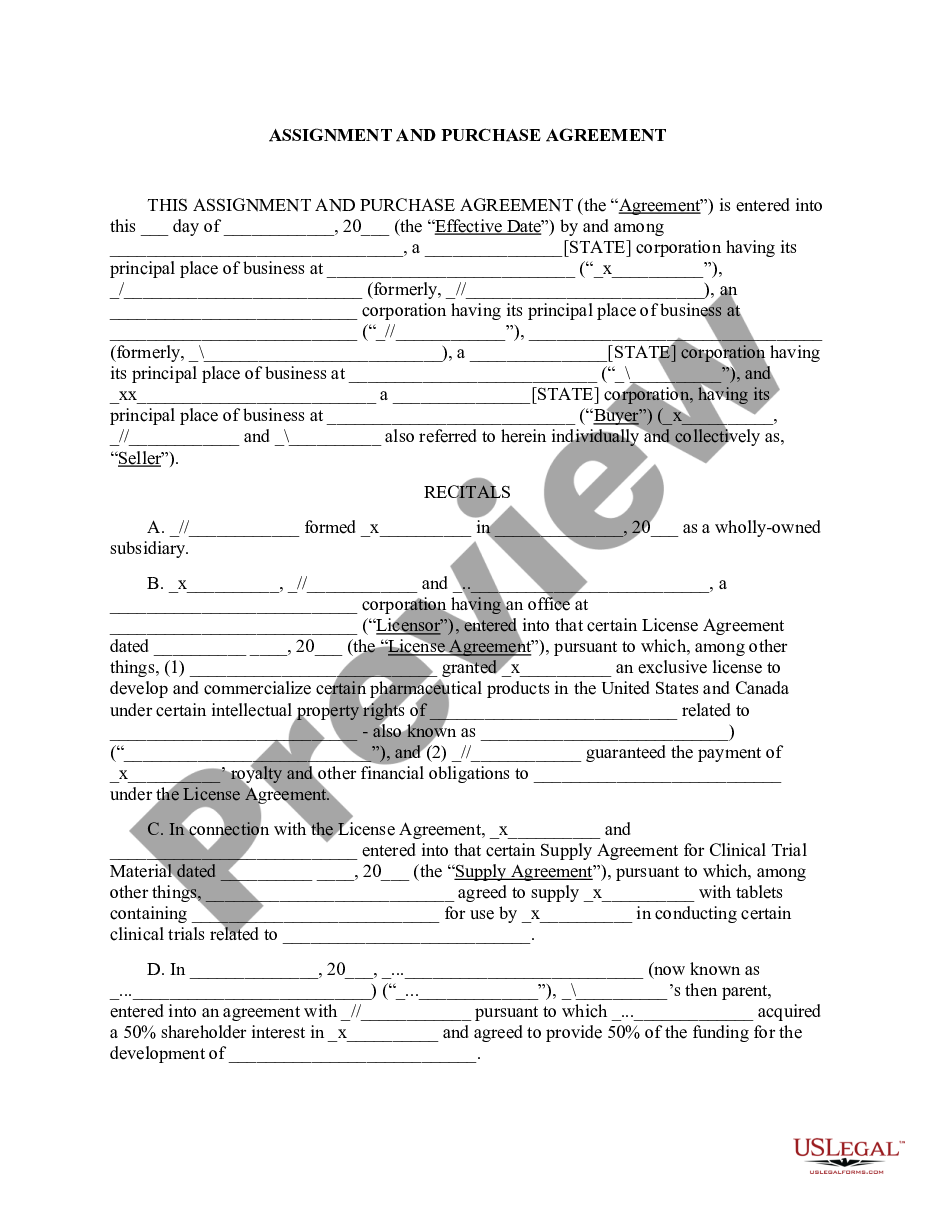
An asset purchase agreement or APA is a legally binding document that outlines the terms and conditions of the purchase and sale of some or all of a company's assets.
The seller's agent is typically the person who draws up a real estate purchase agreement.
Among the terms typically included in the agreement are the purchase price, the closing date, the amount of earnest money that the buyer must submit as a deposit, and the list of items that are and are not included in the sale.
Provisions of an APA may include payment of purchase price, monthly installments, liens and encumbrances on the assets, condition precedent for the closing, etc. An APA differs from a stock purchase agreement (SPA) where company shares, title to assets, and title to liabilities are also sold.
Once the basic terms of the asset sale are agreed, the buyer's solicitor will normally draft the contact of sale. These legal agreements are usually complex and will need to be reviewed by the seller and their solicitor and any amendments agreed between both parties.
An asset purchase involves the purchase of the selling company's assets -- including facilities, vehicles, equipment, and stock or inventory. A stock purchase involves the purchase of the selling company's stock only.
To record the purchase of a fixed asset, debit the asset account for the purchase price, and credit the cash account for the same amount.
In an asset sale, the seller retains possession of the legal entity and the buyer purchases individual assets of the company, such as equipment, fixtures, leaseholds, licenses, goodwill, trade secrets, trade names, telephone numbers, and inventory.