Contract Law With Good Faith In Cook
Description

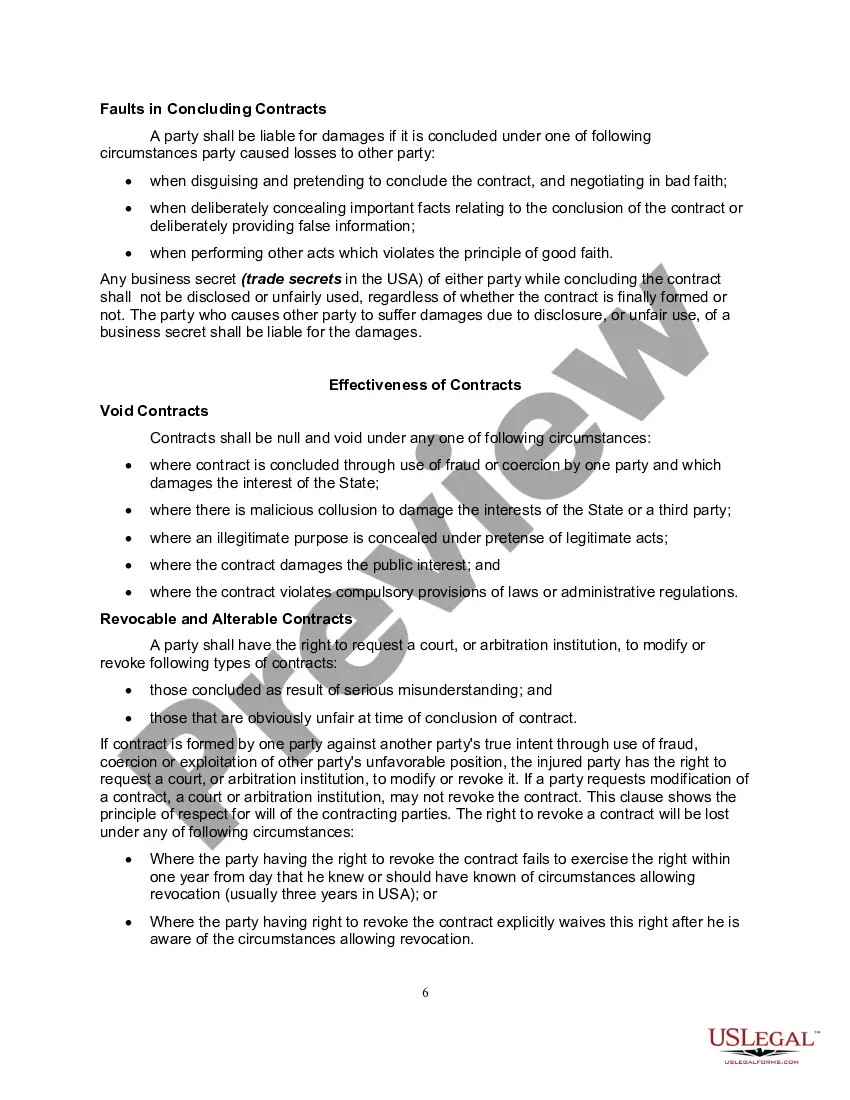
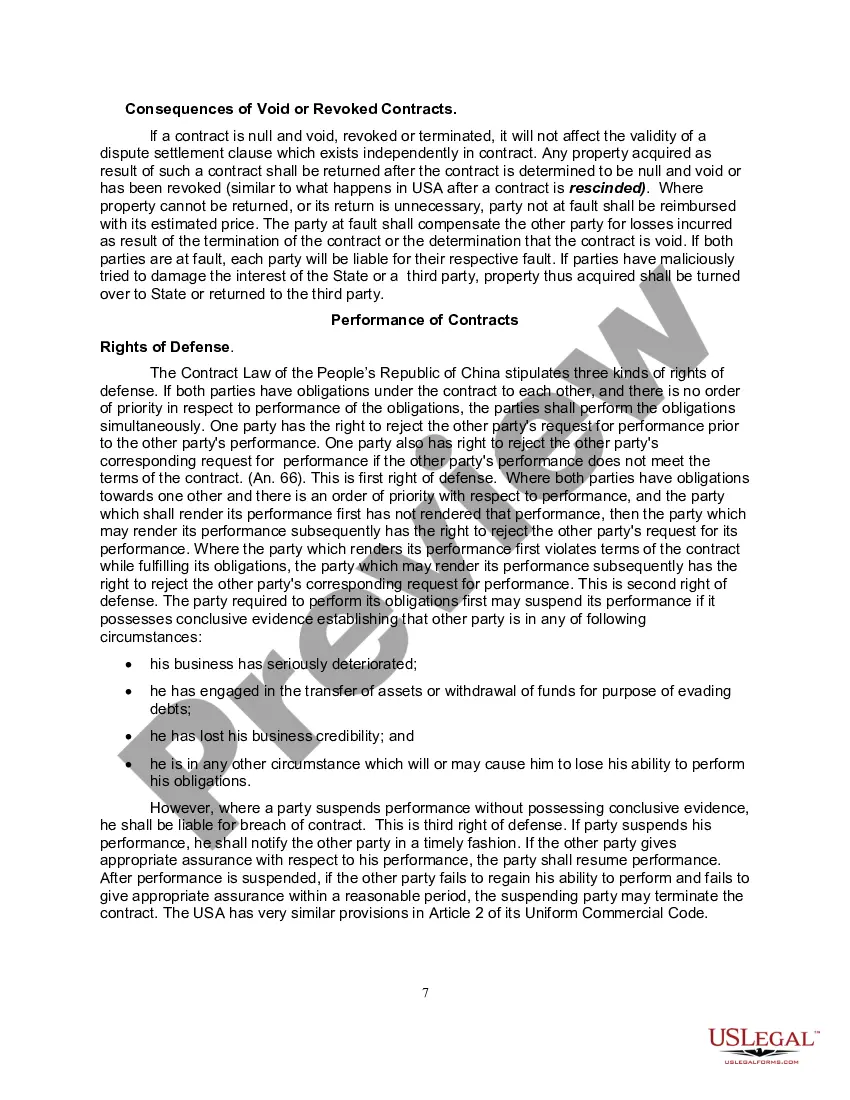
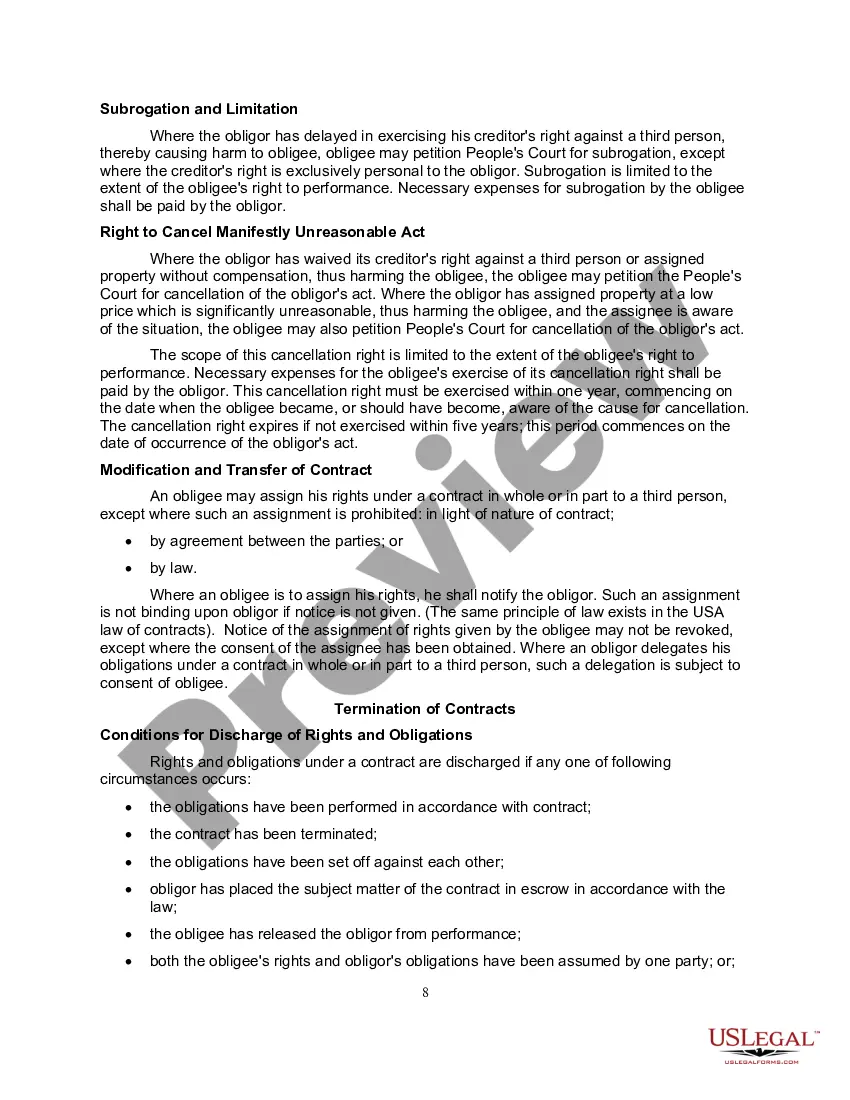
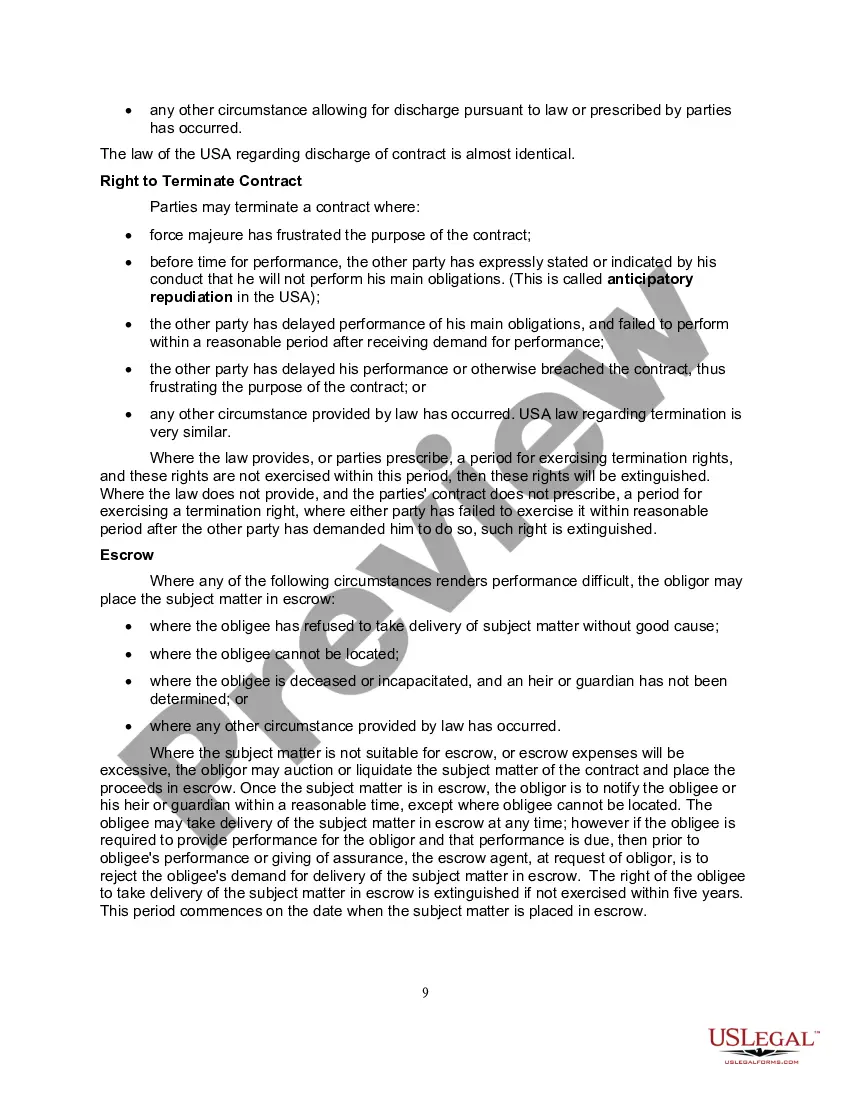



Get your form ready online
Our built-in tools help you complete, sign, share, and store your documents in one place.
Make edits, fill in missing information, and update formatting in US Legal Forms—just like you would in MS Word.
Download a copy, print it, send it by email, or mail it via USPS—whatever works best for your next step.
Sign and collect signatures with our SignNow integration. Send to multiple recipients, set reminders, and more. Go Premium to unlock E-Sign.
If this form requires notarization, complete it online through a secure video call—no need to meet a notary in person or wait for an appointment.
We protect your documents and personal data by following strict security and privacy standards.

Make edits, fill in missing information, and update formatting in US Legal Forms—just like you would in MS Word.

Download a copy, print it, send it by email, or mail it via USPS—whatever works best for your next step.

Sign and collect signatures with our SignNow integration. Send to multiple recipients, set reminders, and more. Go Premium to unlock E-Sign.

If this form requires notarization, complete it online through a secure video call—no need to meet a notary in person or wait for an appointment.

We protect your documents and personal data by following strict security and privacy standards.
Looking for another form?




Form popularity
FAQ
Sir Anthony suggested that the concept of good faith includes the following elements: (1) An obligation on the parties to co-operate in achieving the contractual objects (loyalty to the promise itself). (2) Compliance with honest standards of conduct.
A contractual commitment to act in good faith serves "to qualify self-interest, requiring that both parties act so as to allow both to enjoy the anticipated benefits of the contract".
Parties cannot rely on the strict terms of a contract to justify dishonest conduct – the duty of honest performance imposes an obligation to act honestly and in good faith when performing contractual obligations, even if the terms of the contract allow for termination or other actions.
FDIC defines "good faith effort" as actions by the contractor intended to identify and, if present, remove barriers to minorities and women within its workforce or expand employment opportunities for minorities and women within its workforce.
For example, if a famous athlete signs an agreement only allowing one company to use their image on products in exchange for a part of the profits, a court would likely find that the company must attempt to make and sell those products even if the contract did not explicitly say as much.
If an obligation to negotiate in good faith is expressly provided for in an agreement and includes objective standards by which the obligation may be measured (such that the obligation may be enforceable), it means, in practical terms, that parties must act reasonably and must refrain from adopting a negotiating ...
Broadly, it creates an obligation: To inform each other, where reasonable, of all important points that the other party could not discover on its own. To apply reasonable diligence in the performance of pre-contractual and contractual obligations.
The duty of good faith recognises that the interests of parties will conflict at times. It holds a lower standard than a fiduciary duty as the parties are not required to put the other side's interests before their own, or minimise their self-interest.
In a recent case, the Court of Appeal found an express obligation to co-operate in good faith meant the parties would work together honestly endeavouring to achieve the stated purposes expressly linked to the duty.
In contract law, the implied covenant of good faith and fair dealing is a general presumption that the parties to a contract will deal with each other honestly, fairly, and in good faith, so as to not destroy the right of the other party or parties to receive the benefits of the contract.
