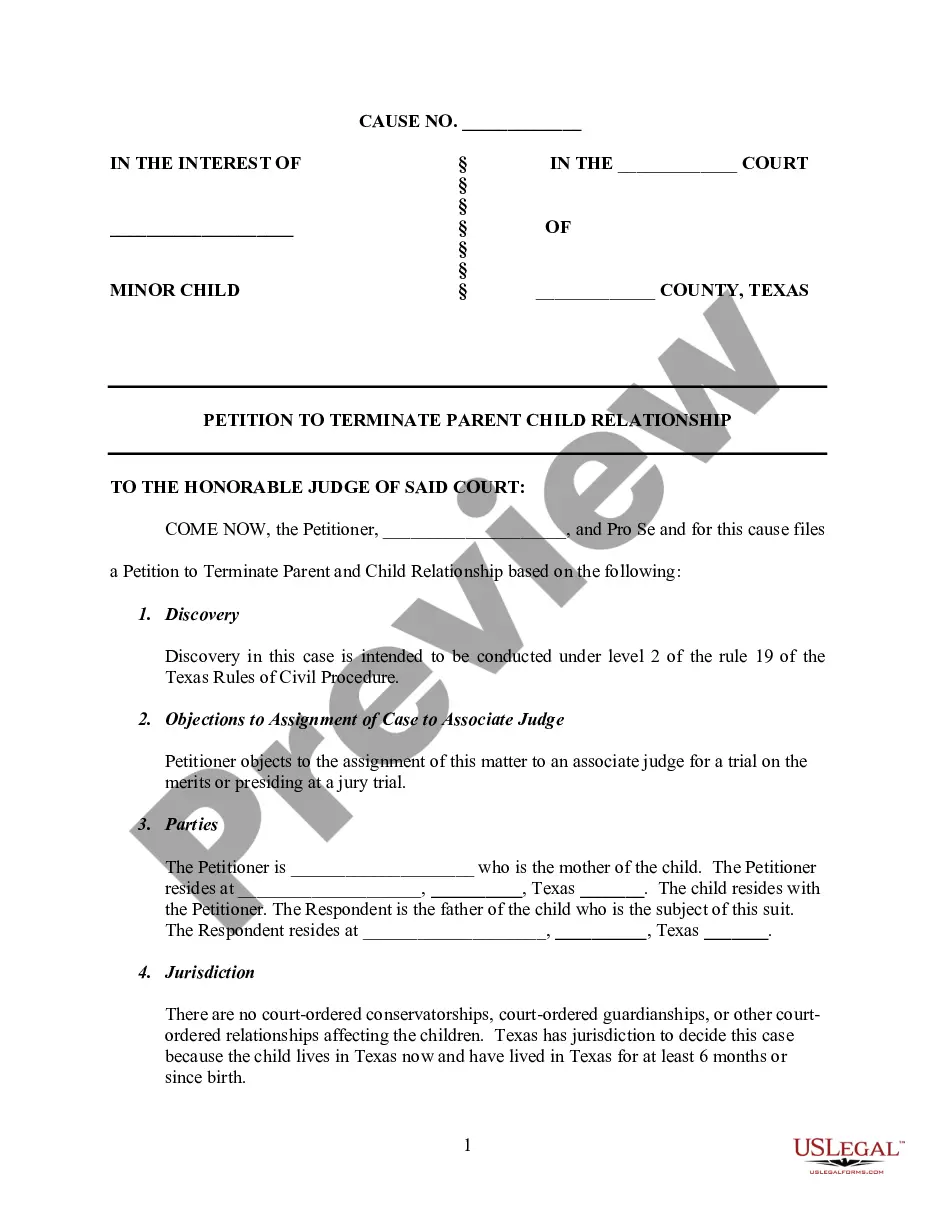
Florida Warranty Deed from Individual to LLC
What is this form?
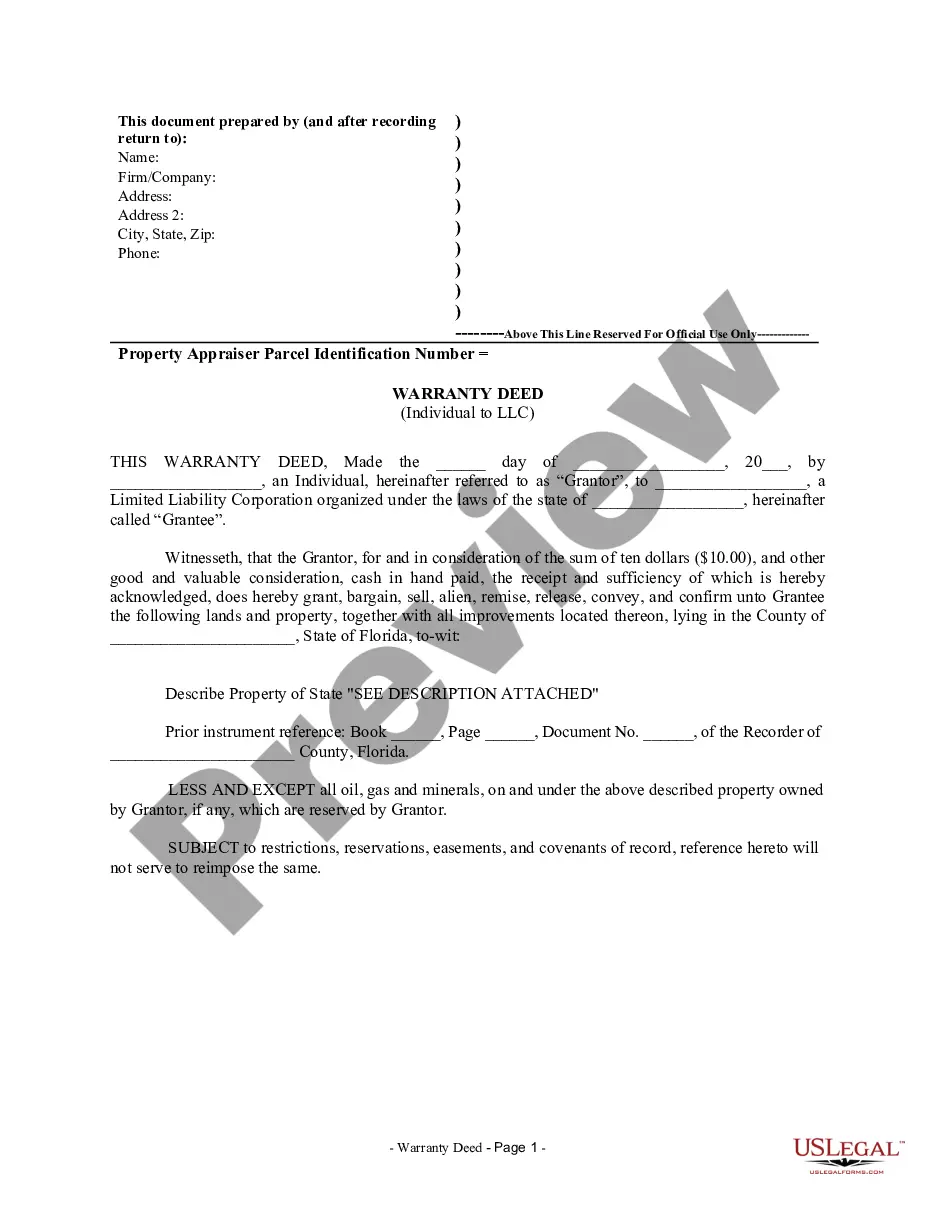
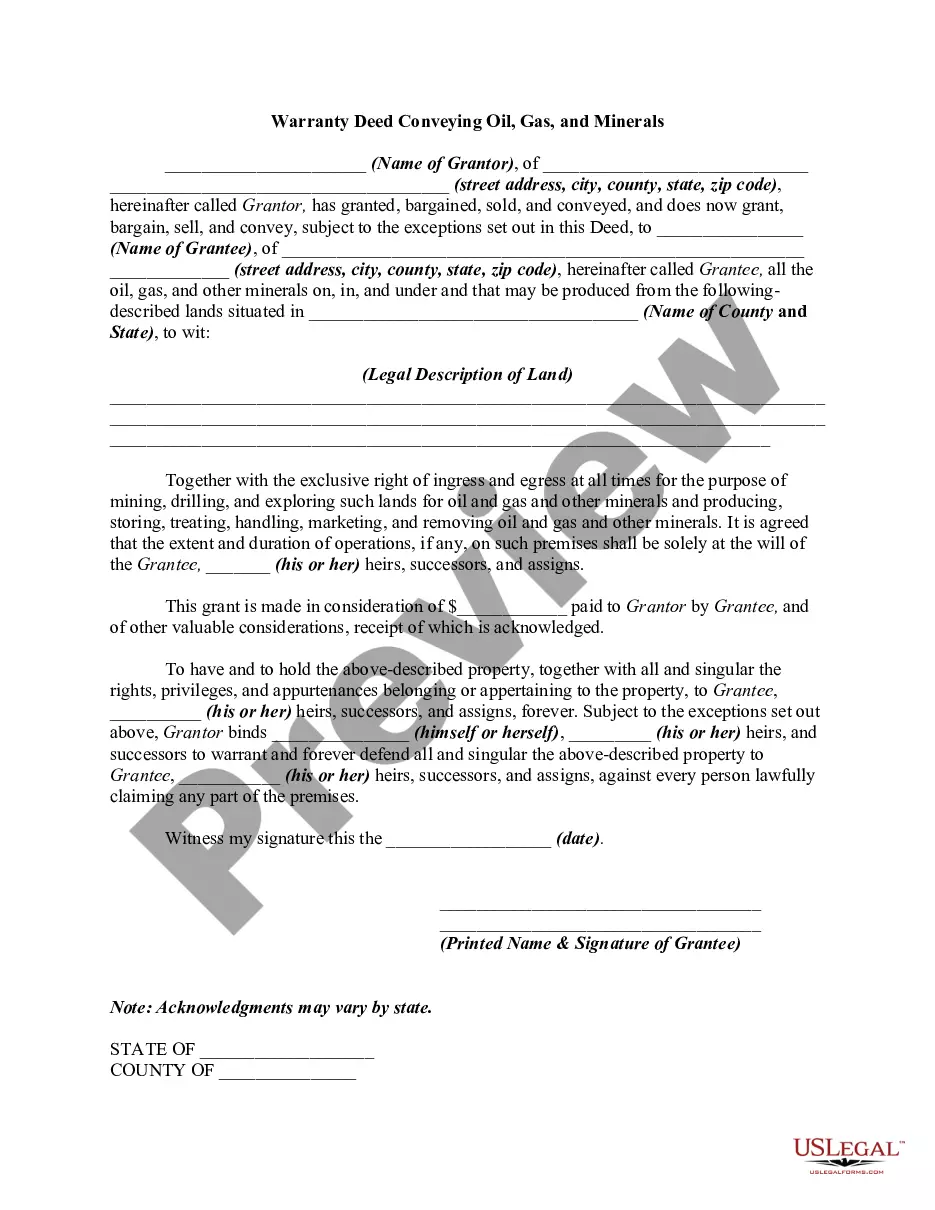
The Warranty Deed from Individual to LLC is a legal document in which an individual (grantor) transfers ownership of property to a limited liability company (grantee). This deed ensures that the grantee receives the property free of encumbrances, except for the reservation of specific resources, like oil and minerals. It differs from other deeds, as it specifically identifies the parties involved: an individual and an LLC.
Key components of this form
- Identification of the grantor and grantee
- Property description and legal reference
- Reserved rights for oil, gas, and minerals
- Warranties concerning ownership and encumbrances
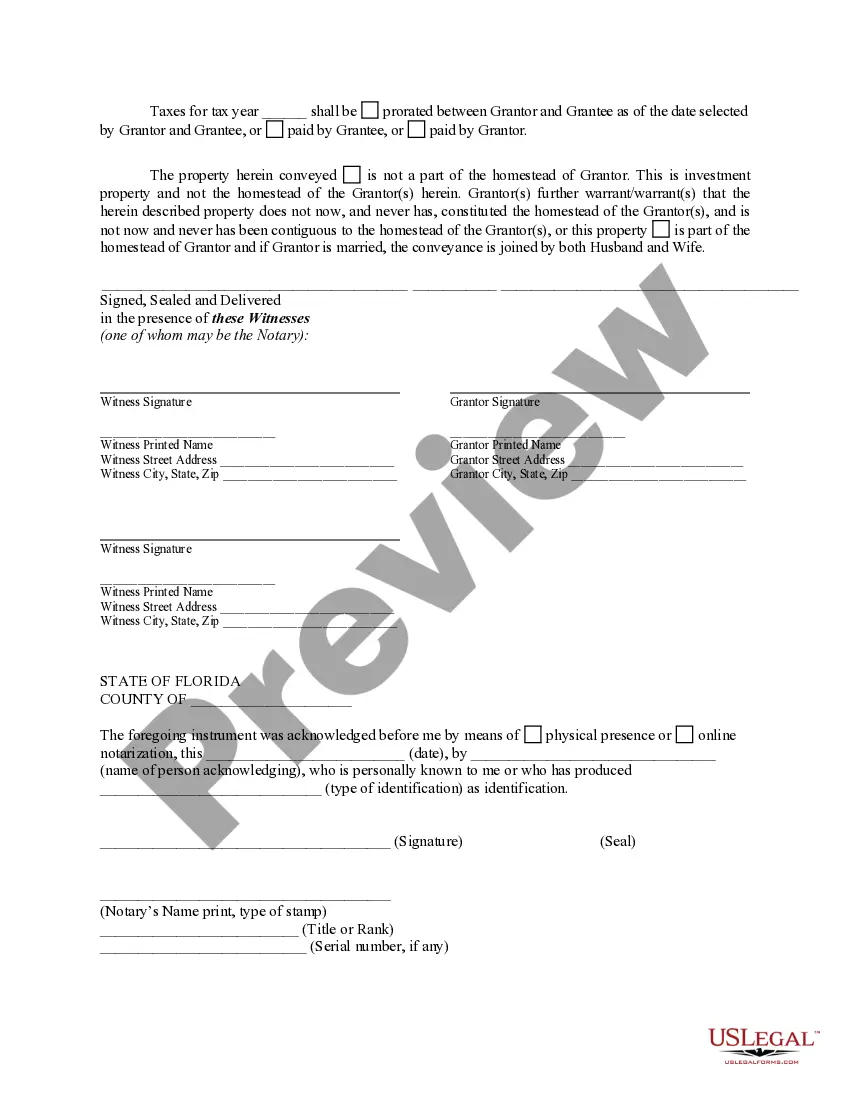
- Tax proration details
- Signature requirements and notarization



When to use this form
This form is essential when an individual wishes to transfer real estate to a limited liability company. It is commonly used in business transactions where property is held for investment purposes, ensuring the transfer is legally binding and registered appropriately.
Who needs this form
- Individuals transferring property to their own LLC
- Real estate investors who want to formalize property ownership
- Business owners seeking legal protection for their assets
How to complete this form
- Identify the grantor and grantee, specifying their full legal names.
- Describe the property being transferred in detail, including legal references.
- Specify the terms of the deed including any reserved mineral rights.
- Complete tax proration details based on agreed terms.
- Ensure all parties sign the document in the presence of witnesses and a notary.
Does this form need to be notarized?
To make this form legally binding, it must be notarized. Our online notarization service, powered by Notarize, lets you verify and sign documents remotely through an encrypted video session.
Get your form ready online
Our built-in tools help you complete, sign, share, and store your documents in one place.
Make edits, fill in missing information, and update formatting in US Legal Forms—just like you would in MS Word.
Download a copy, print it, send it by email, or mail it via USPS—whatever works best for your next step.
Sign and collect signatures with our SignNow integration. Send to multiple recipients, set reminders, and more. Go Premium to unlock E-Sign.
If this form requires notarization, complete it online through a secure video call—no need to meet a notary in person or wait for an appointment.
We protect your documents and personal data by following strict security and privacy standards.

Make edits, fill in missing information, and update formatting in US Legal Forms—just like you would in MS Word.

Download a copy, print it, send it by email, or mail it via USPS—whatever works best for your next step.

Sign and collect signatures with our SignNow integration. Send to multiple recipients, set reminders, and more. Go Premium to unlock E-Sign.

If this form requires notarization, complete it online through a secure video call—no need to meet a notary in person or wait for an appointment.

We protect your documents and personal data by following strict security and privacy standards.
Typical mistakes to avoid
- Failure to accurately describe the property.
- Not including necessary signatures or witnesses.
- Omitting details regarding reserved rights.
- Not complying with state-specific notarization requirements.
Advantages of online completion
- Convenient access to a legally validated template.
- Edit and fill out the form from any location at your convenience.
- Instant download and printing options for easy submission.
Looking for another form?


Form popularity
FAQ
Transferring assets from an individual to a company involves a few straightforward steps, including the execution of a Florida Warranty Deed from Individual to LLC, if real property is involved. Each asset must be documented thoroughly, including its value and the terms of the transfer. You can harness resources like uslegalforms to guide you through the documentation process. This approach ensures compliance and protection of your interests.
Yes, you can transfer personal assets to your LLC. This transfer must be handled properly to ensure that the assets are legally recognized as belonging to your business. Utilize tools such as the Florida Warranty Deed from Individual to LLC to facilitate this process for real estate. Additionally, recordkeeping is essential to maintain clear ownership and prevent disputes.
To transfer assets from personal ownership to your business, you should use a Florida Warranty Deed from Individual to LLC for real estate transactions. For other assets, make sure to create a bill of sale or a formal agreement. Documenting each step ensures transparency and compliance with tax regulations. Always consider consulting a professional to navigate this process smoothly.
Transferring personal assets to your LLC can be achieved through a formal process, often utilizing a Florida Warranty Deed from Individual to LLC. Start by identifying the assets you wish to transfer and clearly document the transaction. It's crucial to maintain thorough records to avoid legal complications in the future. Utilizing platforms like uslegalforms can simplify this process and provide the necessary templates.
In North Carolina, while having an attorney isn't strictly required to transfer a deed, it is highly recommended. An attorney can provide guidance on the specifics of the Florida Warranty Deed from Individual to LLC transfer and ensure that everything is executed correctly. They also help avoid potential pitfalls by explaining the legal implications involved in the process.
Transferring a warranty deed involves a few key steps. First, you need to prepare the Florida Warranty Deed from Individual to LLC, ensuring it meets state requirements. Next, sign the deed in front of a notary and then file it with the county clerk where the property is located. Using a service like USLegalForms can simplify this process and help ensure compliance with all legal requirements.
To change your title from personal to LLC, you must execute a Florida Warranty Deed from Individual to LLC, effectively re-titling your property. Prepare the deed by including the relevant property information and signatures from all parties. Once notarized, file the deed with your local county recorder's office. This transfer will establish your LLC as the new owner, allowing you to benefit from the liability protections and tax advantages that come with this structure.
To transfer your property to an LLC in Florida, you will need to complete a Florida Warranty Deed from Individual to LLC. Start by drafting the deed, ensuring it includes essential details such as the property description and the parties involved. After signing the deed in front of a notary, file it with the county clerk's office to officially update the property records. This process secures your asset within your LLC while providing personal liability protection.
Transferring a warranty deed in Florida involves filling out a new deed that reflects the transfer of ownership. You will need to ensure the new deed is correctly executed, signed, and notarized. After completing these steps, file the warranty deed with the county clerk’s office to record the change, ensuring the transfer is legally binding.
To transfer a deed into your LLC, you will need to prepare a Florida Warranty Deed from Individual to LLC. This document must be signed and notarized before being filed with the local county recorder's office. Following this procedure ensures that your property is legally recognized as an asset of the LLC, providing the intended liability protection.