Warranty
Understanding this form
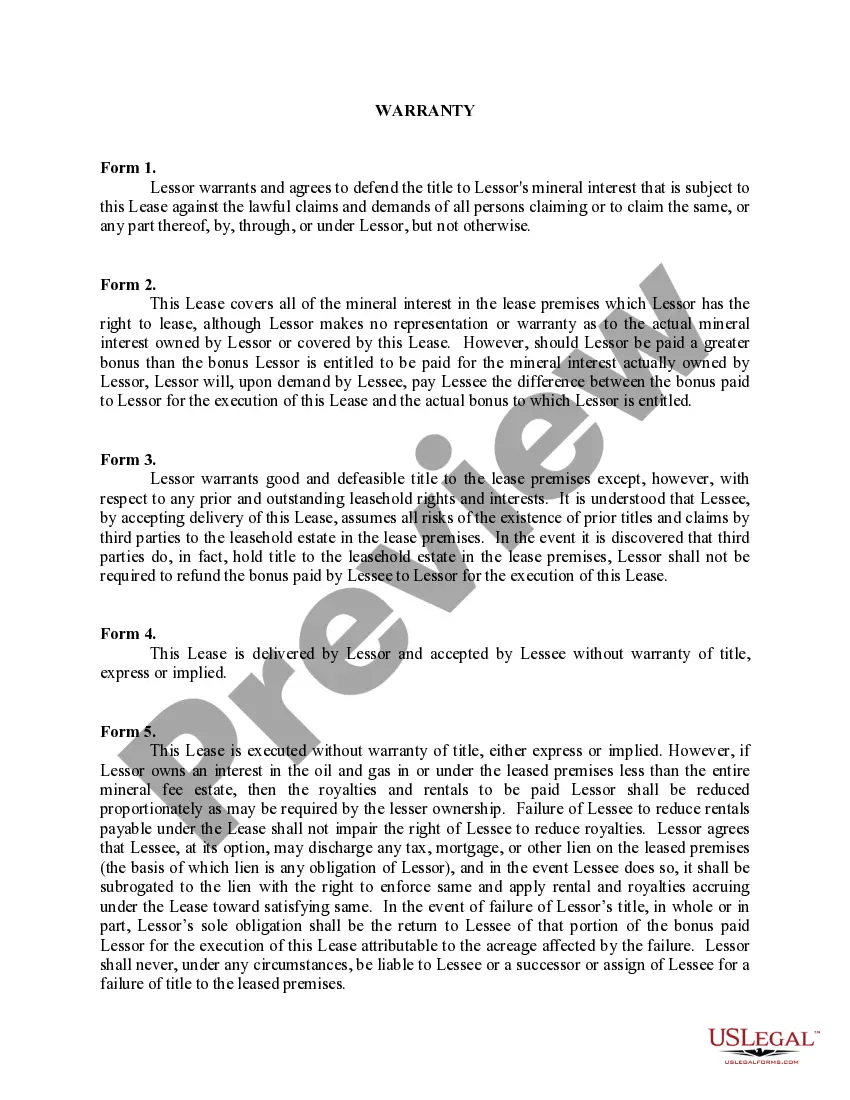
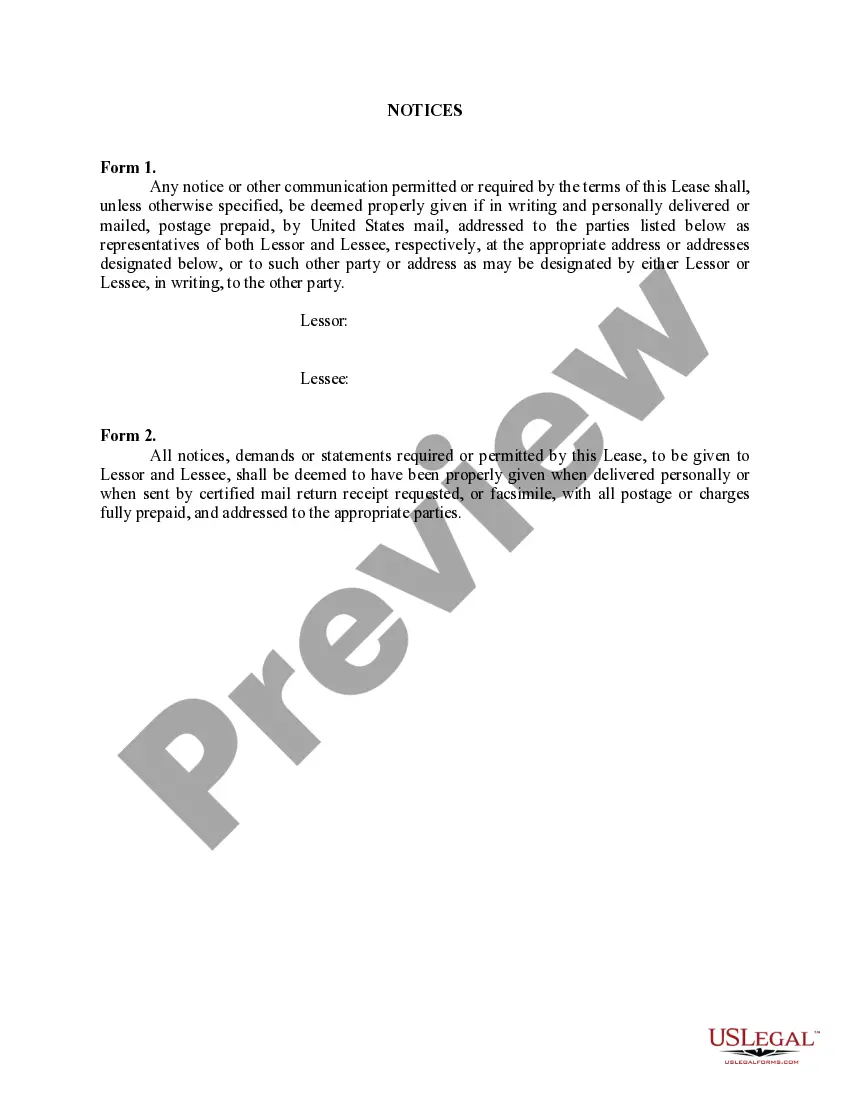
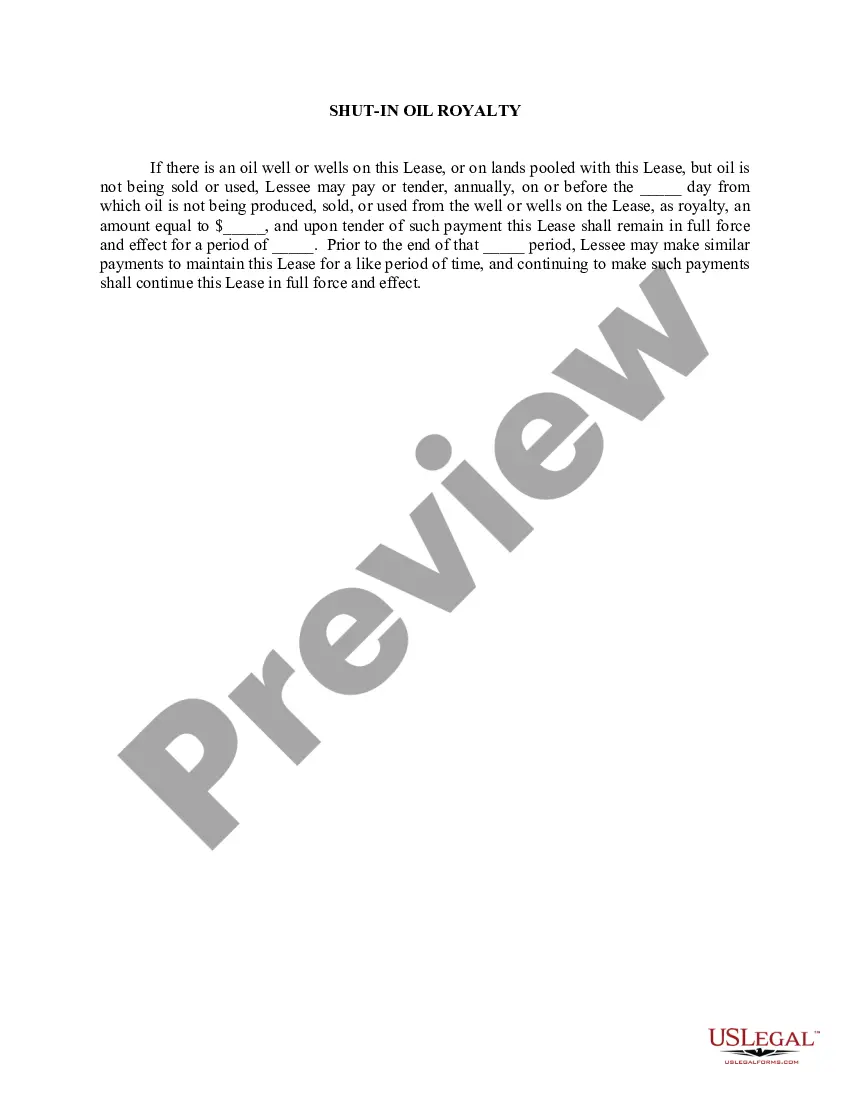
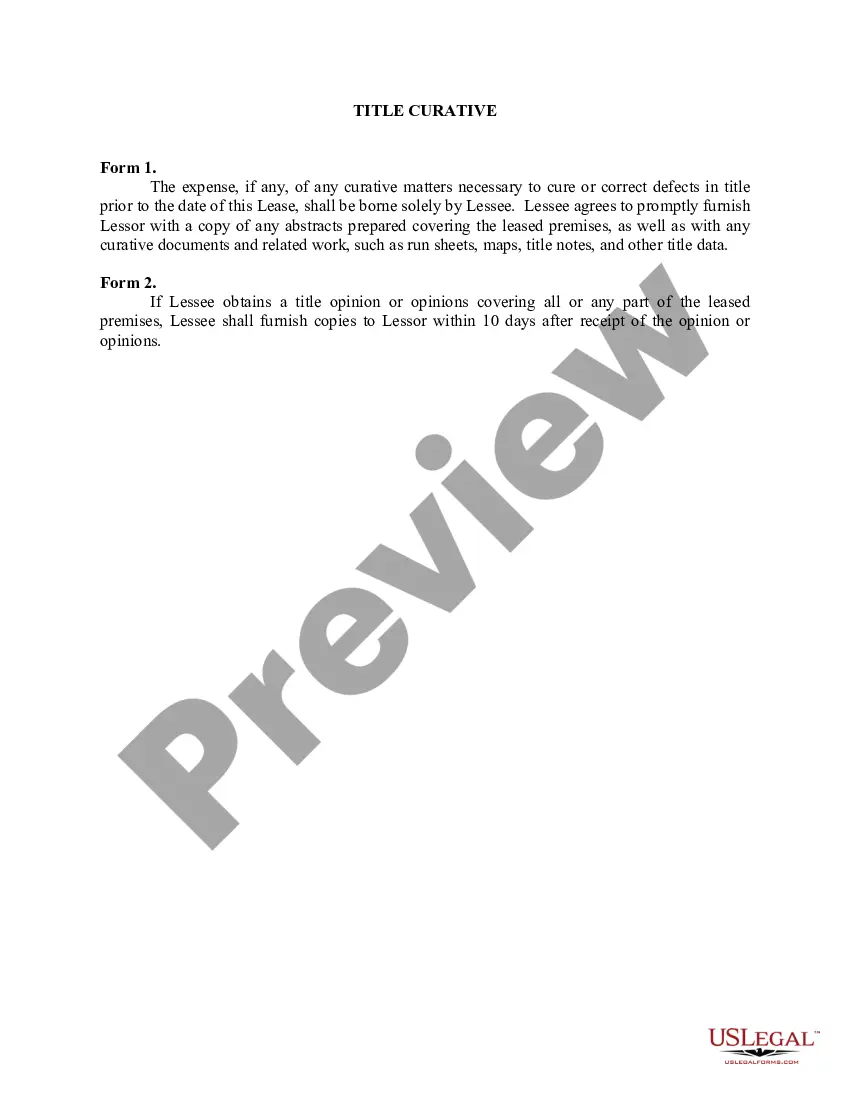
The Warranty form is a legal document used in lease transactions, specifically for oil and gas leases. This form includes additional provisions that address specific concerns of the lessor and can limit the rights granted to the lessee beyond what is presented in the standard lease form. It ensures that the lessor defends the title to their mineral interest against any claims and outlines the responsibilities and liabilities of both parties regarding leasehold rights.
What’s included in this form
- Lessor's warranty to defend the mineral interest against claims.
- Disclosure of the mineral interest and any warranty limitations.
- Details on the lessee's acceptance of risks related to prior claims.
- No warranty of title, express or implied, by the lessor.
- Provisions for tax or lien discharge by the lessee.
- Obligations regarding bonuses in the event of a title failure.
When this form is needed
This form should be used when entering into a lease agreement for oil and gas rights, where the lessor has specific concerns or additional provisions to clarify. It is particularly useful in situations where there may be doubts about the title or when previous claims against the mineral interest may exist. Utilizing this warranty helps protect the lessor's rights and interests while establishing clear responsibilities for the lessee.
Who can use this document
- Landowners leasing out their mineral interests.
- Individuals or entities entering into oil and gas lease agreements.
- Lessors who wish to specify conditions or limitations in their lease.
- Parties needing legal protection against title claims.
How to complete this form
- Identify the parties involved: the lessor and lessee.
- Specify the mineral interests covered by the lease.
- Clearly outline any prior claims or rights that may affect the lease.
- Include details regarding the rent and bonus payments.
- Sign and date the form to validate the agreement.
Notarization requirements for this form
This form does not typically require notarization unless specified by local law. However, it is advisable to check state requirements to ensure the lease agreement is valid and enforceable.
Get your form ready online
Our built-in tools help you complete, sign, share, and store your documents in one place.
Make edits, fill in missing information, and update formatting in US Legal Forms—just like you would in MS Word.
Download a copy, print it, send it by email, or mail it via USPS—whatever works best for your next step.
Sign and collect signatures with our SignNow integration. Send to multiple recipients, set reminders, and more. Go Premium to unlock E-Sign.
If this form requires notarization, complete it online through a secure video call—no need to meet a notary in person or wait for an appointment.
We protect your documents and personal data by following strict security and privacy standards.

Make edits, fill in missing information, and update formatting in US Legal Forms—just like you would in MS Word.

Download a copy, print it, send it by email, or mail it via USPS—whatever works best for your next step.

Sign and collect signatures with our SignNow integration. Send to multiple recipients, set reminders, and more. Go Premium to unlock E-Sign.

If this form requires notarization, complete it online through a secure video call—no need to meet a notary in person or wait for an appointment.

We protect your documents and personal data by following strict security and privacy standards.
Common mistakes to avoid
- Failing to disclose prior claims against the mineral interest.
- Not clearly identifying the property or mineral interests being leased.
- Leaving sections of the form incomplete or vague.
- Not ensuring signatures from all parties involved.
Advantages of online completion
- Convenient access to legally drafted forms any time.
- Edit and customize the form easily to fit specific needs.
- Reliable templates created by licensed attorneys.
- Downloadable format for immediate use.
Looking for another form?


Form popularity
FAQ
The name and address of the seller (called the grantor) The name and address of the buyer (called the grantee) A legal description of the property (found on the previous deed) A statement that the grantor is transferring the property to the grantee.
Under the Grantor section of the deed, write the name of the person transferring title. Under Grantee, write the name of the person receiving title. Describe the parcel of land. Use the street address and include the North Carolina County where the land is located.
(Products with a full warranty, relatively rare, can't require registration as a condition of coverage.) There is one advantage to registration: A company that has your name and contact information, and the product model and serial number, can reach you if the product is recalled.
The answer is yes. Parties to a transaction are always free to prepare their own deeds. If you do so, be sure your deed measures up to your state's legal regulations, to help avert any legal challenge to the deed later.
To make the form legally binding, you must sign it in front of a notary public. You must then file your signed and notarized deed with the county office that's in charge of recording property documents. Once the grantee signs the warranty deed, he/she legally has ownership and claim to the property.
The Federal Trade Commission says that the Code of Federal Regulations allows companies to ask consumers to complete warranty registration for products that come with a limited warranty (the kind of coverage that accompanies most products) if they disclose up front precisely what is required.
The name and address of the seller (called the grantor) The name and address of the buyer (called the grantee) A legal description of the property (found on the previous deed) A statement that the grantor is transferring the property to the grantee.
If you don't register your appliance you still have full statutory rights under consumer law. If an appliance has an inherent fault, or fails to last a reasonable time you can still get redress regardless of whether the appliance was registered.
Follow the rules expressed in the Magnuson-Moss Act. Clarify what the warranty does and does not cover. State the length of time that the product is covered. Give customers the option to extend.