Plugging of Wells
About this form
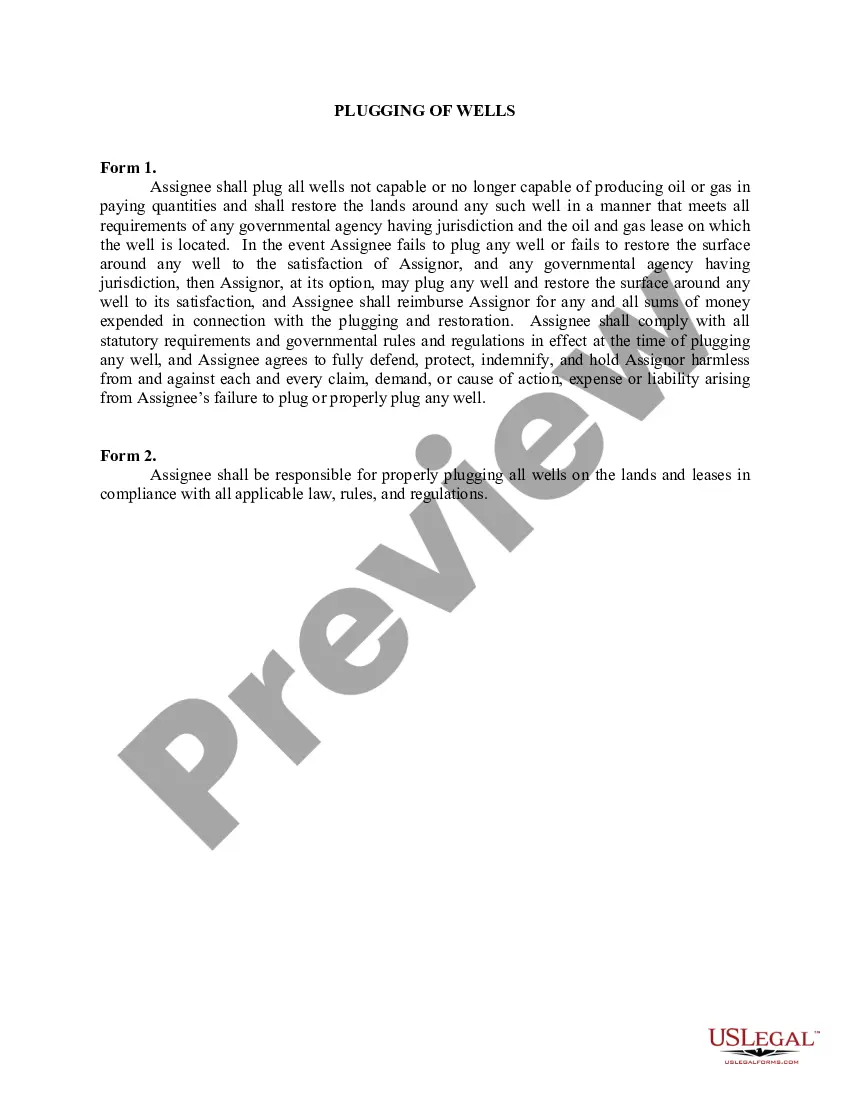
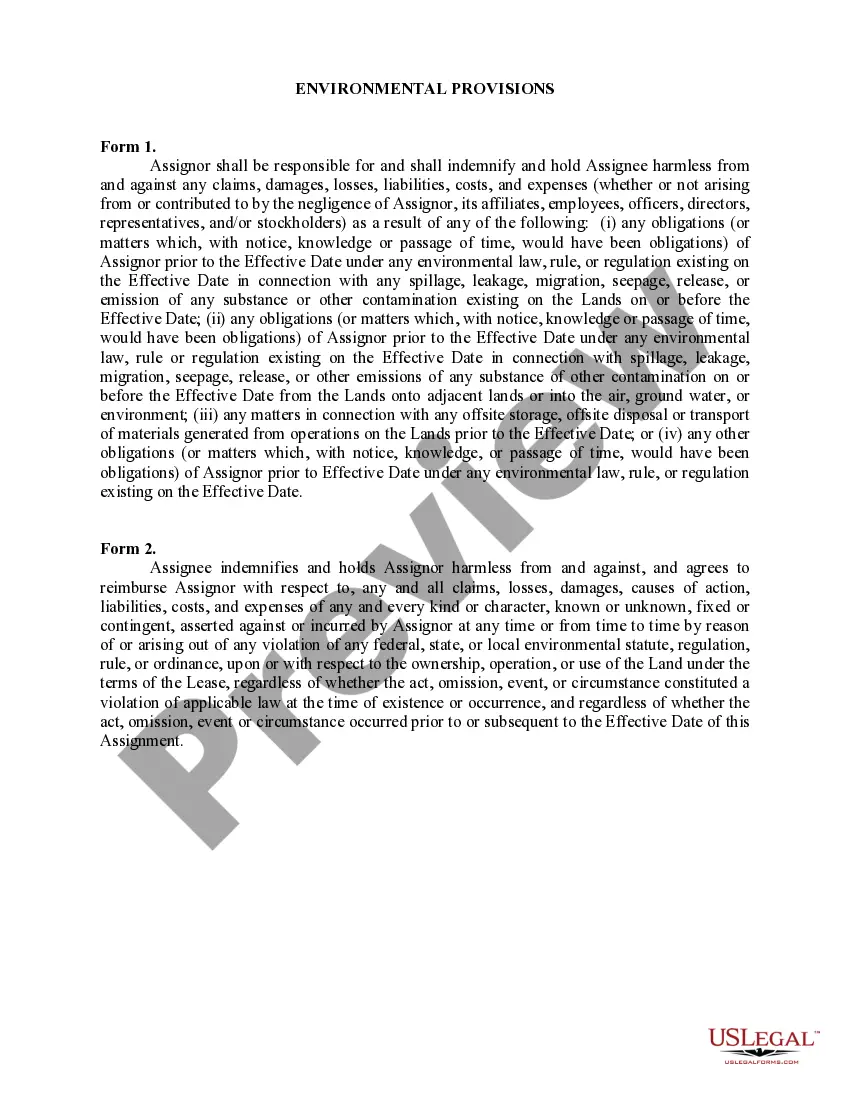
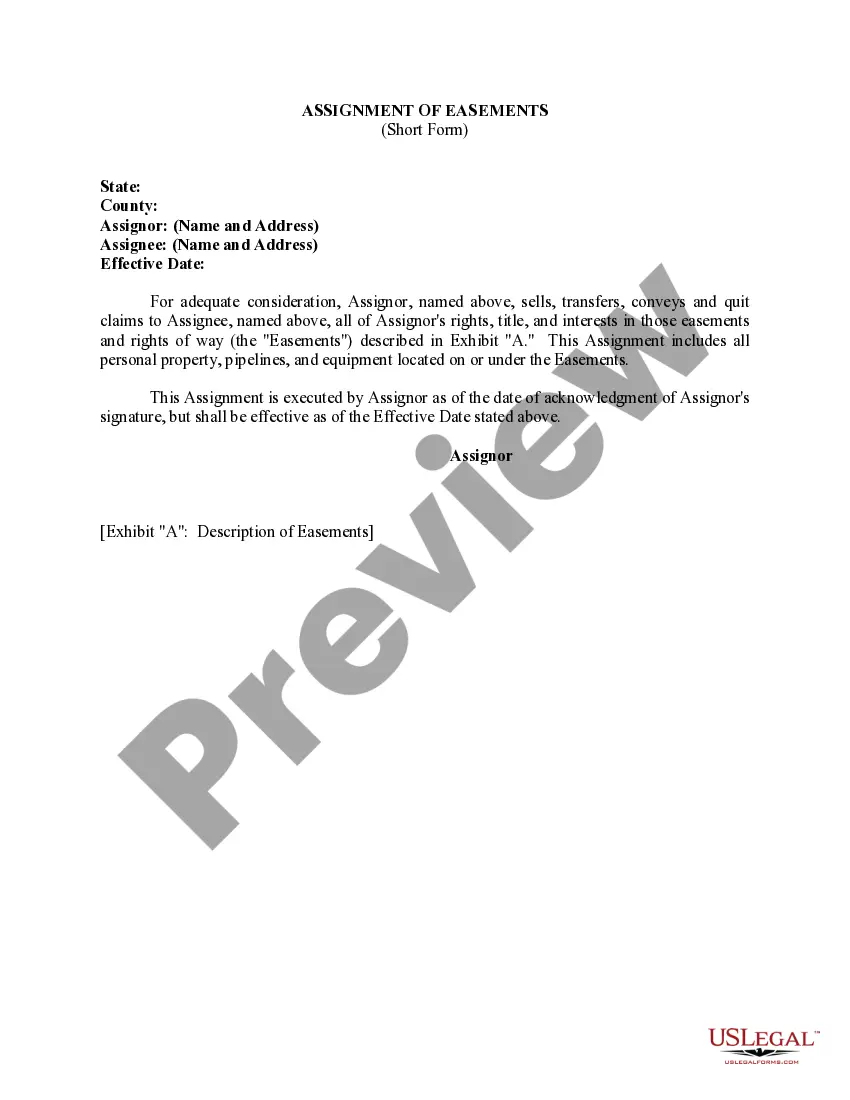
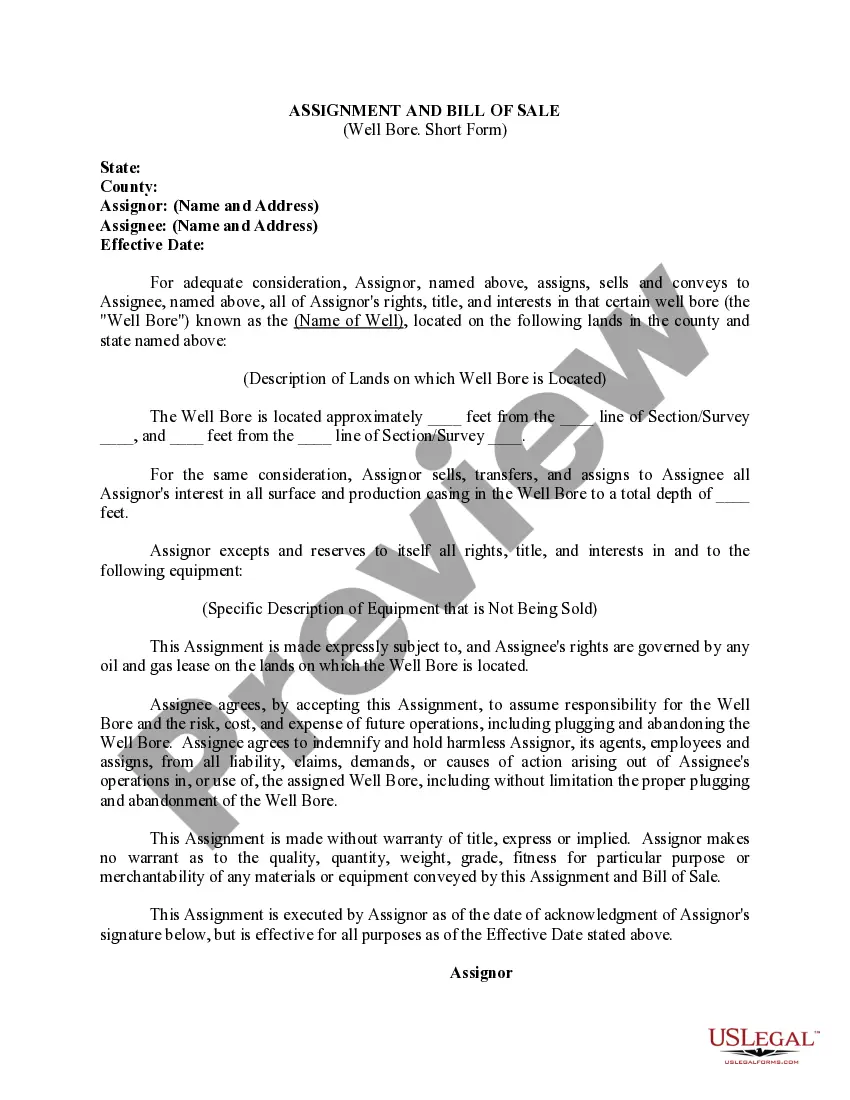
The Plugging of Wells form is a legal document that outlines the responsibilities of an assignee in plugging oil and gas wells that are no longer productive. This form is crucial for ensuring compliance with safety and environmental regulations, making it distinct from general lease or contracting forms. Completing this form helps protect both the environment and the rights of parties involved by confirming that all wells are properly decommissioned and land is restored to meet regulatory requirements.
Key parts of this document
- Responsibilities of the assignee to plug non-producing wells.
- Requirements for land restoration surrounding the wells.
- Legal obligations to adhere to government regulations.
- Indemnification clauses protecting the assignor from potential liabilities.
- Procedures for reimbursement in case of non-compliance.
Situations where this form applies
This form should be used when an oil or gas well is found to be incapable of producing in paying quantities. It helps legally formalize the process of decommissioning a well, ensuring that all legal and environmental regulations are followed. Use this form to document the agreement between the assignor and assignee before any well plugging and restoration work begins.
Who this form is for
- Oil and gas companies that need to plug unused wells.
- Landowners leasing their land for oil and gas extraction.
- Environmental consultants overseeing site restoration.
- Legal representatives handling oil and gas lease agreements.
Steps to complete this form
- Identify the parties involved, including the assignor and assignee.
- Detail the specific wells being plugged and their locations.
- Include provisions for land restoration that meet regulatory requirements.
- Specify any indemnification terms to protect against liabilities.
- Sign and date the form to finalize the agreement.
Does this document require notarization?
This form usually doesn’t need to be notarized. However, local laws or specific transactions may require it. Our online notarization service, powered by Notarize, lets you complete it remotely through a secure video session, available 24/7.
Get your form ready online
Our built-in tools help you complete, sign, share, and store your documents in one place.
Make edits, fill in missing information, and update formatting in US Legal Forms—just like you would in MS Word.
Download a copy, print it, send it by email, or mail it via USPS—whatever works best for your next step.
Sign and collect signatures with our SignNow integration. Send to multiple recipients, set reminders, and more. Go Premium to unlock E-Sign.
If this form requires notarization, complete it online through a secure video call—no need to meet a notary in person or wait for an appointment.
We protect your documents and personal data by following strict security and privacy standards.

Make edits, fill in missing information, and update formatting in US Legal Forms—just like you would in MS Word.

Download a copy, print it, send it by email, or mail it via USPS—whatever works best for your next step.

Sign and collect signatures with our SignNow integration. Send to multiple recipients, set reminders, and more. Go Premium to unlock E-Sign.

If this form requires notarization, complete it online through a secure video call—no need to meet a notary in person or wait for an appointment.

We protect your documents and personal data by following strict security and privacy standards.
Mistakes to watch out for
- Failing to include all necessary details of the wells being plugged.
- Not adhering to state-specific regulations regarding well plugging.
- Omitting signatures or dates, which may invalidate the form.
- Neglecting to specify terms regarding land restoration clearly.
Why use this form online
- Convenience of immediate access and download.
- Editable format allows for customization as needed.
- Reliability of professionally drafted legal language by licensed attorneys.
- Ensures compliance with current legal standards.
Legal use & context
- The form legally binds the assignee to fulfill plugging and restoration obligations.
- Non-compliance can lead to legal disputes, fines, or environmental liabilities.
- This agreement is enforceable under state laws governing oil and gas management.
Key takeaways
- The Plugging of Wells form is crucial for responsible well decommissioning.
- Understanding the legal responsibilities outlined in this form can prevent liabilities.
- Always ensure compliance with applicable state regulations to avoid potential legal issues.
Looking for another form?

Form popularity
FAQ
A PVC well casing can be sealed by gluing a PVC cap to the top of the casing. Some metal casings are sealed by welding a plate metal cap to the top of the casing. Another option is to insert a capped casing into the well casing, with the top of the inside pipe resting on the top of the outer well casing.
How to seal a well? Wells need to be sealed by a licensed well contractor. This service can cost between $500 to $1,500 or more for sealing an average four-inch diameter domestic well.
Generally speaking, a new well or re-drilled well costs $12,000-$20,000 plus other costs for piping to the house, pumps and pressure tanks.
If your well has gone dry or is down to a dribble you have four basic options: do nothing and hope the well replenishes after the winter, drill a new well, hydrofracture the existing well, or re-drill the existing well down to a lower aquifer.
Wells need to be sealed by a licensed well contractor. This service can cost between $500 to $1,500 or more for sealing an average four-inch diameter domestic well. Our grant program can cover as much as 50% of the total well sealing costs, up to $750 per well.
The well casing keeps soil out of the well so the water can be pumped. Checking the casing annually for cracks or holes on the outside and the inside is advisable. To prevent contaminants from entering the well, a vermin-proof cap or cover must be on the well.
DO NOT use any well coverings. Even though the sight of your wellhead may not be your favorite thing, you should not cover it up with any fake rocks, gravel, treated wood, or wishing wells.
The well seal, also known as a sanitary seal, is an important component of a water well that protects the well from surface water contamination and provides protection for the upper part of the well.